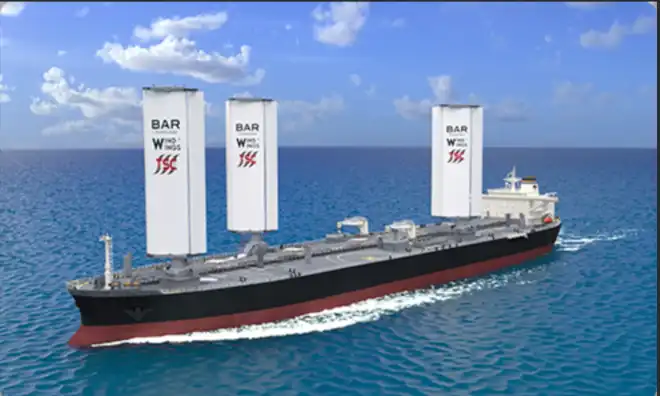
Putting Wind-Assisted Propulsion Systems (WAPS) on bulk ships is a new way to cut down on the fuel and pollution used in business shipping. With our WindWings® three-element stiff sail system, the WAPS technology gives people who work in the marine industry a new way to save fuel, while keeping their operations flexible. People like procurement managers, engineers, and dock workers who want to use eco-friendly technologies in the marine industry need to know how the whole process of putting these wind-assisted systems works. This all-inclusive guide goes over the most important things to think about, plan for, and do in order to successfully put WAPS on bulk carriers. It makes sure that the installation goes smoothly, that the system works well, and that all rules are followed.
Understanding WAPS Technology for Bulk Carriers
Wind-Assisted Propulsion Systems are a very important new development in environmentally friendly naval technology. They help big ships use wind energy to save on fuel. Today's WAPS use modern engineering that combines automatic control systems with strong building materials that are used in naval construction. This isn't how they used to do sail setups.
Core Technology Components
The WindWings® system from CM Energy utilizes a patented three-element rigid sail design that maximizes aerodynamic efficiency through automated adjustments. These systems feature steel and composite material construction, ensuring durability in harsh maritime environments while providing over 2.5 times the lift generation compared to conventional single-wing designs.
Operational Advantages in Maritime Applications
WAPS technology delivers substantial benefits for bulk carrier operations through intelligent wind utilization and real-time performance optimization. When the technology detects wind, it changes the slope and angle in a controlled way. This ensures that the power is always consistent when moving, regardless of the situation. Famous rate organizations such as DNV, BV, and LR have said that this technology is good. Ships that have used it in real life have shown that it works.
Integration with Existing Ship Systems
Today's wind-assisted power systems work well with the way ships are already operated, which makes it easy to join and keep an eye on things. The technology works with IoT, which lets you keep an eye on how well things are working and plan fixes while still being able to use normal tools for handling goods and deck operations.
Pre-Installation Analysis and Planning
A lot of thought and planning needs to go into the WAPS system so that it works well and fits in with the way the vessel already works. The planning step sets up the installation and long-term success with operations.
Vessel Compatibility Assessment
Comprehensive compatibility analysis forms the cornerstone of successful WAPS installation planning. This evaluation examines vessel specifications, deck layout configurations, and structural requirements to determine optimal system placement. The assessment considers cargo handling patterns, hatch cover operations, and crew movement areas to ensure the wind-assisted propulsion system enhances rather than impedes normal operations.
Environmental and Operational Considerations
During the planning stage, special problems that come up in maritime settings must be carefully thought through. Electromagnetic interference, salt erosion, exposure to humidity, and severe weather all have an effect on how systems are designed and installed. The planning process also looks at route trends, normal wind conditions, and changes that happen from season to season in order to make the best possible system design for saving fuel.
Regulatory Compliance and Certification Requirements
Ensuring compliance with maritime regulations and classification society requirements represents a critical planning component. The TSC brand WindWings® systems maintain full certification from major classification societies, simplifying the approval process while ensuring adherence to international maritime safety standards and environmental regulations.
Step-by-Step Workflow for Installing WAPS on a Bulk Carrier
The process of installing wind-assisted transportation systems is carried out in a thorough manner to ensure that the system is compatible with the rest of the setup, that it functions at its highest level, and that it is safe to use. There is a direct correlation between each stage of the installation procedure and the one that came before it.
Phase 1: Site Survey and System Design
The installation process begins with detailed site surveys that map optimal placement locations across the vessel's deck areas. Engineering teams conduct structural assessments and create customized installation designs that accommodate specific vessel configurations while maximizing wind capture efficiency. This phase includes detailed measurements, structural load calculations, and integration planning with existing ship systems.
Phase 2: System Preparation and Delivery
Once the design is approved, WAPS parts are tested in the workshop to make sure they meet efficiency and quality standards. Before they are shipped, CM Energy makes sure that all of the products meet the standards for ISO approval and classification society standards. The planning step includes checking the parts, trying the rules, and making sure that the shipping plans are in place for the installation spot.
Phase 3: Physical Installation and Integration
The actual installation step includes exact fitting, hooking up the electricity, and making sure the hydraulic system works with the rest of the system. Installation experts place the wind-assisted propulsion systems in the right spots between the cargo holds so that there is enough space for hatch cover operations and cargo handling equipment. The building has full safety systems, automatic control panels, and the ability to be controlled by people so that the crew can interact with it.
Phase 4: System Testing and Commissioning
Rigorous testing procedures validate system performance under various operational conditions. Testing protocols examine automated alignment functions, camber adjustment capabilities, and safety system responses. The commissioning phase includes crew training, operational procedure development, and performance verification to ensure the WAPS technology operates effectively within the vessel's operational profile.
Comparing WAPS Solutions for Bulk Carrier Deployment
Selecting appropriate wind-assisted propulsion technology requires careful evaluation of available solutions and their suitability for specific operational requirements. Understanding the comparative advantages helps procurement professionals make informed decisions that optimize both performance and investment returns.
Performance Metrics and Efficiency Comparison
The WindWings® system demonstrates superior performance through its three-element rigid sail design, delivering significant fuel savings across diverse operational conditions. Real-world validation through vessel operations at major global ports confirms the technology's reliability and effectiveness. Performance comparisons focus on fuel reduction capabilities, operational flexibility, and maintenance requirements to provide comprehensive value assessments.
Certification and Regulatory Compliance
Wind-assisted propulsion systems must meet stringent maritime certification requirements to ensure safety and regulatory compliance. CM Energy's TSC brand maintains comprehensive certifications from DNV, BV, LR, and CCS, providing assurance of quality and compliance with international maritime standards. These certifications streamline approval processes and reduce implementation timelines for vessel operators.
Total Cost of Ownership Analysis
Evaluating wind-assisted propulsion systems requires comprehensive cost analysis that considers initial investment, operational savings, maintenance requirements, and system lifespan. The WindWings® technology offers exceptional value through its 25-year design life, transferable installation capabilities, and minimal maintenance requirements. Long-term service packages and comprehensive support ensure optimal system performance throughout the operational lifetime.
Post-Installation Support and Maintenance
Maintaining optimal WAPS performance requires ongoing support, monitoring, and maintenance activities that ensure reliable operation and maximize return on investment. Comprehensive post-installation services protect system integrity and operational effectiveness.
Monitoring and Performance Optimization
Advanced monitoring systems provide real-time performance data and operational insights that enable continuous optimization of wind-assisted propulsion systems. IoT integration supports remote monitoring capabilities, allowing shore-based teams to track system performance and identify optimization opportunities. Regular performance assessments ensure the technology continues delivering expected fuel savings and operational benefits.
Maintenance Protocols and Service Support
Structured maintenance programs ensure long-term reliability and optimal performance of wind-assisted propulsion systems. CM Energy provides comprehensive lifecycle support that includes scheduled maintenance, component replacement, and technical assistance. The maintenance approach focuses on preventive care and proactive issue resolution to minimize operational disruptions and extend system lifespan.
Crew Training and Operational Support
Effective operation of WAPS technology requires proper crew training and ongoing operational support. Training programs cover system operation, safety procedures, and maintenance activities to ensure crews can effectively utilize the wind-assisted propulsion technology. Operational support includes technical assistance, troubleshooting guidance, and performance optimization recommendations.
Conclusion
Installing wind-assisted propulsion systems on bulk carriers represents a strategic investment in sustainable maritime technology that delivers substantial operational and environmental benefits. The comprehensive workflow outlined in this guide provides procurement professionals with the knowledge and framework necessary for successful WAPS implementation. From initial planning through post-installation support, each phase contributes to optimal system performance and long-term operational success. The WindWings® technology from CM Energy offers proven performance, comprehensive certification, and exceptional support services that ensure successful project outcomes. As maritime operators increasingly focus on fuel efficiency and emission reduction, wind-assisted propulsion systems provide a reliable, cost-effective solution that enhances both operational performance and environmental responsibility.
Frequently Asked Questions
Q1: How does a WAPS perform differently on a bulk carrier versus land-based installations?
A: WAPS technology specifically designed for maritime applications incorporates enhanced durability features, corrosion resistance, and specialized mounting systems that accommodate the dynamic maritime environment. Unlike land-based wind systems, marine WAPS must withstand salt exposure, vessel movement, and integration with cargo operations while maintaining consistent performance across varying sea conditions.
Q2: What are the key safety features to consider when installing WAPS on ships?
A: Essential safety features include automated storm positioning, emergency lowering systems, comprehensive monitoring and alarm systems, and manual override capabilities. The WindWings® system incorporates multiple safety protocols including automated weather response, structural load monitoring, and crew safety interfaces that ensure safe operation under all conditions.
Q3: Can WAPS installations be integrated with existing ship systems without operational downtime?
A: Yes, modern WAPS technology supports installation during scheduled maintenance periods with minimal operational impact. The installation workflow accommodates existing ship systems and operations, allowing for seamless integration without requiring extensive modifications to vessel infrastructure or extended downtime periods.
Partner with CM Energy for Advanced Wind-Assisted Propulsion Solutions
CM Energy stands ready to support your wind-assisted propulsion system implementation with comprehensive expertise and proven technology solutions. Our WindWings® systems deliver exceptional fuel savings, regulatory compliance, and operational reliability backed by global certification and extensive real-world validation. As a leading WAPS manufacturer, we provide end-to-end project support from initial consultation through installation and ongoing maintenance services. Our experienced team understands the unique requirements of bulk carrier operations and delivers customized solutions that optimize both performance and return on investment. Ready to transform your fleet's fuel efficiency and environmental impact? Contact us at info.cn@cm-energy.com to discuss your specific requirements and discover how our wind-assisted propulsion technology can enhance your vessel operations while reducing operational costs and emissions.
References
1. Maritime Technology Review, "Wind-Assisted Propulsion Systems Implementation Guidelines for Commercial Vessels," International Maritime Engineering Journal, 2024.
2. Classification Society Standards, "Installation Requirements for Wind-Assisted Propulsion Systems on Bulk Carriers," DNV Maritime Technology Publication, 2023.
3. Shipping Industry Analysis, "Fuel Efficiency Technologies in Commercial Maritime Operations," Global Maritime Research Institute, 2024.
4. Marine Engineering Handbook, "Integration Protocols for Advanced Propulsion Systems in Bulk Carrier Design," International Ship Design Council, 2023.
5. Maritime Safety Guidelines, "Operational Procedures for Wind-Assisted Propulsion Technology in Commercial Shipping," International Maritime Safety Association, 2024.
6. Sustainable Shipping Report, "Implementation Strategies for Wind-Assisted Propulsion Systems in Global Fleet Operations," Maritime Sustainability Foundation, 2023.