As we navigate the complex landscape of alternative fuels in 2026, methanol fuel supply systems are gaining traction in maritime and industrial sectors due to their compatibility, safety, and cost-effectiveness. The marine industry, under pressure to cut carbon emissions, finds methanol advantageous over alternatives like ammonia, hydrogen, and LNG. This analysis provides procurement professionals with key insights to evaluate methanol’s potential for fleet and operations, helping them make informed decisions on sustainable fuel solutions.
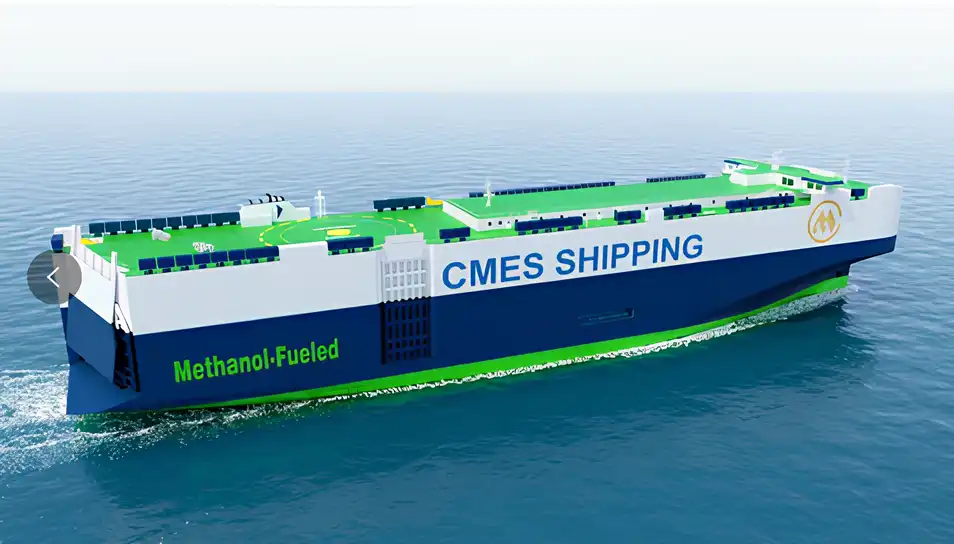
Understanding Methanol Fuel Supply Systems in 2026
Tough environmental rules and the marine industry's commitment to decarbonization sped up the building of methanol fuel supply systems in 2026. Methanol has some special qualities that make these very advanced sets of parts the best way to store, move, and transfer the chemical safely and efficiently.
Core Components and Functionality
There are four important parts that make up today's methanol fuel supply systems. The methanol feed unit provides maximum burning efficiency by controlling pressure, temperature, and flow. The filling and transport method is safe because it uses materials that can handle methanol's acidic properties and low temperature.
By cleaning, cooking, and measuring the fuel, the auxiliary system helps keep the grade high. The safety and control system uses both regular and emergency plans to make sure that all three actions—starting up, changing loads, and shutting down—are done safely. This approach handles sea activities methanol-related issues.
Environmental and Operational Benefits
Because of its environmental impact, methanol is a very good choice for a replacement fuel in 2026. It burns cleanly, producing less particulate matter and sulfur gas. Its biodegradability is very helpful for ships that work in sensitive marine areas or have to follow strict environmental rules.
In terms of operations, methanol fuel supply systems can be used for both new builds and retrofits. Modular pieces can be made to fit the needs of particular vessels. This makes installation easier and cuts down on downtime. This ability to change is useful for many types of ships, from tanks that carry heavy oil to boats that help support work done underwater.
Comparative Analysis of Methanol Fuel Supply Systems and Other Alternative Fuels
The alternative fuel landscape in 2026 presents maritime operators with multiple options, each carrying distinct advantages and challenges. Understanding these differences becomes crucial when evaluating long-term fuel strategies for commercial vessels and offshore operations.
Infrastructure Requirements and Compatibility
Methanol fuel supply systems work better with existing infrastructure than hydrogen and ammonia fuel systems. Hydrogen needs to be stored at very low temperatures, and ammonia needs to be handled in a very specific way. On the other hand, methanol can be stored and handled using updated current fuel infrastructure. This helps operators save money and time when it comes to implementing and storing the fuel.
This improvement to infrastructure also helps bunkering operations because ports can be used to store and move methanol with just a few small changes to the facilities. On the other hand, hydrogen and ammonia need new handling facilities and special training for port staff. This affects the total cost, making methanol a more cheap choice for vessel owners.
Safety Considerations and Risk Management
Safety rules for methanol fuel supply systems have changed over time as people have learned more about working with the chemical and rules have changed. Methanol is poisonous and flammable, so it must be handled carefully. However, its obvious flame and well-known qualities make safety easier compared to hydrogen or ammonia.
Methanol also does a great job following the rules. It meets both the SOLAS-IBC Code rules for chemicals and the IGF Code rules for fuels with low flash points. This well-established regulatory route makes things clear, in contrast to the lack of clarity around new options like hydrogen and ammonia.
Performance and Efficiency Metrics
If you look at energy efficiency, methanol is better than hydrogen because it is a liquid at room temperature and doesn't need to be stored at very low temperatures. Methanol's engine compatibility and controllability also make burning more efficient, which improves the performance of all types of industrial boats.
Looking at the costs reveals that methanol will have a strong market place in 2026. Because green methanol is made cheaper with renewable energy and works in current engines, it is more cost-effective than other kinds of methanol that need to have new power systems built for them.
Decision-Making Framework for Choosing Methanol Fuel Supply Systems
Procurement decisions for alternative fuel systems require comprehensive evaluation frameworks that balance technical, economic, and strategic considerations. The complexity of maritime operations demands careful assessment of multiple factors that influence long-term operational success.
Technical Evaluation Criteria
For methanol fuel supply systems, how dependable and easy they are to maintain and how well they work with the vessel's current systems are all important. Because of the modular design, the parts can be arranged in a lot of different ways, and the same parts can be used in different modules. This helps with maintenance and handling extra parts. This is especially useful for teams with different types of people or for businesses in rural areas.
How well the system can be integrated with vessel control systems is another important technical factor to keep in mind. Today's methanol fuel supply systems use advanced automation and tracking that work perfectly with vessel management systems. This gives workers detailed data on how things are working and forecast repair insights.
Supplier Evaluation and Partnership Considerations
Choosing the right provider means looking at their scientific knowledge, what they are able to make, and their promises to give long-term help. The top providers show experience with complicated naval fuel systems, with credentials and proof of successful project completions. Comprehensive lifetime support is very important because alternative fuel technologies need constant expert help and system improvement.
Quality standards like DNV approvals make sure that systems are reliable and follow the rules. Also, working together with engine makers makes sure that everything works well. As methanol engine technology moves forward and new ways to make things better are found, these relationships will be even more useful.
Market Trends and Future Outlook for Methanol Fuel Supply Systems in 2026 and Beyond
The methanol fuel market demonstrates accelerating growth momentum in 2026, driven by regulatory pressures, technological advancement, and increasing industry confidence in methanol as a viable alternative fuel. Market dynamics indicate strengthening supply chains and expanding production capacity that support broader adoption across maritime sectors.
Regulatory Drivers and Industry Adoption
International Maritime Organization rules and local environmental needs are still pushing people to look for clean fuel options. Methanol's approval by regulators and known safety measures put it in a good situation for users who want to follow changing environmental rules. The fuel's fit with current laws makes it easier to understand how it will be used compared to new options that don't have any rules for them yet.
Industry adoption patterns reveal growing confidence among major shipping companies and offshore operators. High-profile deployments across various vessel types provide operational data that validates methanol's performance characteristics and economic viability. These real-world case studies demonstrate achievable emission reductions and operational benefits that support business case development for additional adoptions.
Technology Development and Innovation Trends
Continuous technology advancement enhances methanol fuel supply system capabilities while reducing costs and complexity. Innovation focuses on system efficiency improvements, safety enhancements, and integration capabilities that simplify adoption for diverse maritime applications. Advanced monitoring and control systems provide operators with unprecedented visibility into system performance and maintenance requirements.
Supply chain developments support broader methanol availability and competitive pricing. Green methanol production capacity expansion aligns with growing demand from maritime and industrial sectors, creating favorable market dynamics for long-term fuel supply security. These developments reduce supply risk concerns that have historically limited alternative fuel adoption.
CM Energy's Advanced Methanol Fuel Supply Solutions
CM Energy, operating under the TSC brand, brings extensive expertise in marine energy solutions to the methanol fuel supply system market. With a proven track record spanning over 350 deck cranes globally and involvement in more than 180 self-elevating platforms, CM Energy demonstrates the engineering excellence and manufacturing capabilities essential for complex marine fuel systems.
Comprehensive Product Portfolio and Capabilities
CM Energy's methanol fuel supply systems are full solutions that range from single supply units to system packages that are made for different marine uses. The company knows a lot about the different needs of various types of ships and ways of working because it has worked with dual-fuel boats, liquid gas carriers, and chemical tankers.
The TSC brand stands for CM Energy's promise to be a leader in new clean fuel solutions. The company has a lot of knowledge from real-world deployments, like the successful Stena RoRo system deliveries, because it was one of the first local providers to make and send methanol fuel supply units. This operating knowledge helps with the ongoing work to improve and build products.
Quality Assurance and Regulatory Compliance
Tough quality standards at CM Energy are backed up by DNV certifications that make sure systems are reliable and follow the rules. The company's broad method covers planning, production, installation, and ongoing support services that meet all of their customers' needs. This unified service approach gives users the ability to hold one party responsible and improves overall system performance.
Manufacturing skills use modern production technologies and quality control methods that make sure the quality of the products and delivery are always good. CM Energy's work around the world helps them provide service in each location while keeping the same high level of quality in all markets and uses.
Conclusion
The pros of methanol fuel supply systems in the 2026 marine business are shown by a comparison study of these systems. Because it is safe, cost-effective, and compatible with existing infrastructure, methanol is immediately usable for decarbonization. Even though hydrogen and ammonia are still being developed, methanol already has the perks that come with being used, is accepted by regulators, and makes business sense when it comes to costs and competition. When the industry goes toward long-lasting fuels, methanol fuel supply systems are a good choice because they protect the environment, keep the system reliable, and stay within budget.
Frequently Asked Questions
Q1: How do methanol fuel supply systems compare to LNG systems in terms of safety and operational complexity?
A: Methanol fuel supply systems offer several safety advantages over LNG systems, including elimination of cryogenic storage requirements and reduced risk of catastrophic failure. While both fuels require specialized handling procedures, methanol's liquid state at ambient conditions simplifies storage and transfer operations, reducing operational complexity and training requirements for crew members.
Q2: What are the key infrastructure modifications required when retrofitting vessels with methanol fuel supply systems?
A: Retrofit installations typically require modifications to fuel storage tanks, piping systems, and safety equipment to accommodate methanol's specific properties. However, these modifications are generally less extensive than those required for hydrogen or ammonia systems, as methanol can utilize modified versions of existing fuel infrastructure rather than completely new systems.
Q3: How does the total cost of ownership for methanol fuel supply systems compare to conventional marine fuel systems?
A: While initial capital investment for methanol fuel supply systems exceeds conventional fuel systems, the total cost of ownership analysis must consider fuel costs, maintenance requirements, regulatory compliance benefits, and potential carbon pricing impacts. Current market trends indicate improving cost competitiveness as methanol supply chains mature and production costs decline.
Partner with CM Energy for Advanced Methanol Fuel Solutions
Transform your fleet's environmental performance with CM Energy's methanol fuel supply systems, backed by industry-leading expertise and comprehensive lifecycle support. Our TSC brand delivers reliable, efficient solutions tailored to your specific operational requirements, whether for newbuild vessels or retrofit applications. With extensive experience in marine energy technologies and a commitment to innovation, CM Energy provides the technical excellence and service support essential for successful alternative fuel adoption. As a trusted methanol fuel supply system manufacturer, we offer customized solutions that optimize performance while ensuring regulatory compliance and operational safety. Contact us at info.cn@cm-energy.com to discuss how our advanced methanol fuel technologies can enhance your fleet's sustainability and competitive positioning.
References
1. International Maritime Organization. "Guidelines for the Safety of Ships Using Methyl/Ethyl Alcohol as Fuel." Maritime Safety Committee, 2024.
2. DNV. "Alternative Fuels for Shipping: Technology and Market Assessment 2026." DNV Maritime Technology Report, 2026.
3. Marine Environment Protection Committee. "Comparative Lifecycle Assessment of Alternative Marine Fuels." MEPC Environmental Studies, 2025.
4. International Association of Classification Societies. "Safety Guidelines for Methanol Fuel Supply Systems in Commercial Vessels." IACS Technical Standards, 2026.
5. Lloyd's Register. "Methanol as Marine Fuel: Technical and Economic Feasibility Study." LR Technology Assessment, 2025.
6. Baltic and International Maritime Council. "Alternative Fuel Infrastructure Development and Market Trends 2026." BIMCO Industry Analysis, 2026.