Knowing how drilling depth changes pump performance needs is important when choosing the right centrifugal pump for drilling. As you drill deeper, you need to think more about flow rate, pressure head, and how long the materials will last. Today, pumps that can handle different kinds of fluids and forces are needed for digging on land, underwater platforms, and other special uses. Choosing the right pump can make sure that fluid moves during your drilling campaign, which will save you money, reduce downtime, and increase efficiency.
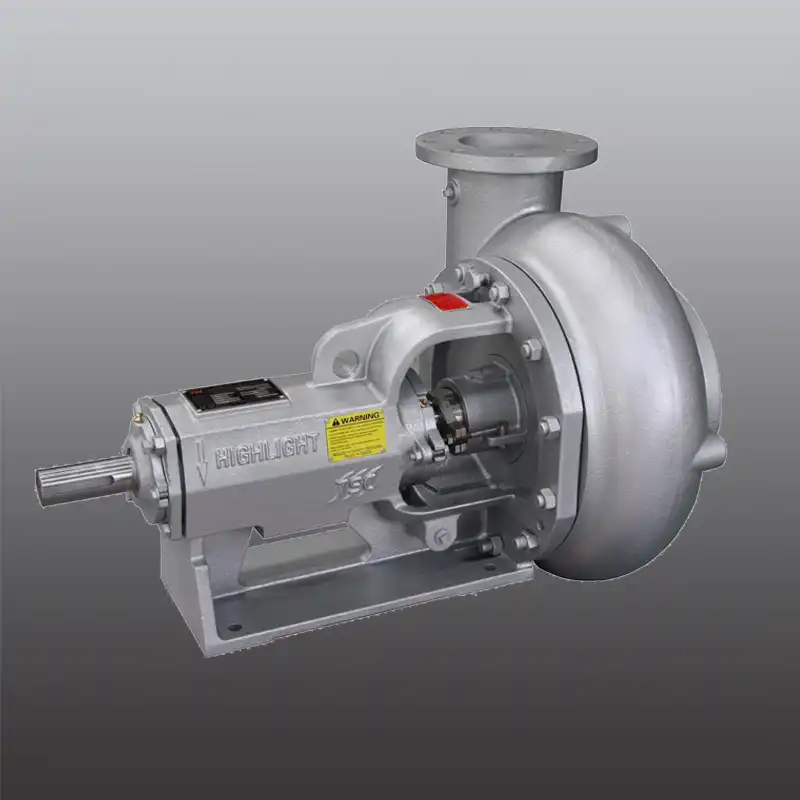
Understanding the Fundamentals of Centrifugal Pumps in Drilling Applications
Drilling needs to have a good fluid movement system to keep the hole stable, cool the cutting tools, and bring the pieces back to the top. Centrifugal pumps are the most important part of these systems because they use spinning energy to speed up drilling fluids through the action of the rotor.
Core Components and Their Impact on Performance
The way the rotor is designed basically affects how well a pump can work with certain cutting conditions. When you're drilling, open fan shapes work best for handling slurries that can wear things down. The tube form also affects how pressure builds and how flow moves. Shaft sealing systems keep the inside parts safe from hard drilling conditions. Mechanical seals work better than standard packing setups in high-pressure situations.
Pump Configuration Types for Different Drilling Scenarios
Single-stage centrifugal pumps are usually used for digging where the depth and pressure needs are shallow to medium and intermediate, respectively. Multi-stage designs become very important for deeper uses where higher pressure heads are needed. It's often easier to work on horizontal pumps, but vertical ones save room on ocean platforms and drilling rigs where that's important.
Advantages Over Alternative Pumping Technologies
Positive displacement pumps have a rougher flow and more shaking than centrifugal designs. This helps maintain the consistency of the drilling solution. On the other hand, surface-mounted centrifugal pumps are easier to access for tracking and repair in drilling settings, even though underground pumps don't need to be charged.
Criteria for Selecting Centrifugal Pumps Based on Drilling Depth
Drilling depth groups make different problems happen that affect how pumps are chosen. Procurement experts can make good choices that fit the needs of each project when they know these groups.
Shallow Depth Operations (Up to 5,000 feet)
Reasonable flow rates and pressure heads are generally needed for drilling that doesn't go very deep. Single-stage centrifugal pumps are often a good, cheap way to meet these goals. It is possible to use common metals that don't wear out easily to pick the material because these places probably won't face extreme circumstances.
Medium Depth Applications (5,000 to 15,000 feet)
Drilling at medium depth needs more lasting tools and higher pressure. As it gets deeper, it costs more to run the pump, so economy becomes more important. It may be necessary to use more chemicals to protect the drill because of the different kinds of ground and drilling fluid mixes at these levels.
Deep Drilling Challenges (Beyond 15,000 feet)
Pumping tools must work under the most difficult situations during deep digging activities. High-pressure powers, great material building, and strong design features become very important. The cost of doing business is greatly affected by energy use, which is why the economy of pumps is so important when choosing them.
Performance Metrics and Material Considerations
For flow rate estimates to be correct, they need to take into account how fast circulation must be and how well hole cleaning works. As pressure conditions linked to depth change, the Net Positive Suction Head (NPSH) needs go up. From hard iron to high-chrome metals, construction materials are chosen based on how much wear and rust protection is needed for each cutting depth.
How to Enhance Centrifugal Pump Performance in Drilling Applications
If you don't deal with the problems that come up in digging settings, it can make pumps much less reliable and efficient. Understanding these problems and using the right ways to solve them will make sure that drilling efforts keep working well.
Addressing Common Operational Issues
Cavitation represents one of the most destructive phenomena in drilling pump applications, particularly in deeper operations where suction conditions become more challenging. Proper NPSH calculations and suction system design prevent cavitation-related damage. Vibration issues often result from improper installation or worn components, requiring systematic monitoring and maintenance approaches.
Maintenance Best Practices
Routine maintenance schedules become increasingly critical as drilling depth increases. Predictive maintenance technologies, including vibration monitoring and thermal analysis, help identify potential issues before catastrophic failure occurs. Regular inspection of wear components, particularly impellers and shaft sleeves, extends overall pump service life.
Advanced Monitoring and Control Systems
Modern drilling operations benefit from sophisticated monitoring systems that track pump performance parameters in real-time. These systems enable operators to optimize flow rates and pressure settings based on actual drilling conditions, improving both efficiency and equipment longevity. Remote monitoring capabilities prove especially valuable in offshore and remote drilling applications.
Procurement Guidance: How to Buy the Right Centrifugal Pump for Drilling Depth
Successful pump procurement requires balancing technical requirements with commercial considerations. Understanding supplier capabilities and service offerings helps ensure long-term project success beyond initial equipment delivery.
Evaluating Supplier Capabilities
Leading manufacturers in the drilling pump market offer specialized designs developed specifically for drilling applications. Supplier evaluation should consider manufacturing capabilities, quality control processes, and experience in similar drilling projects. Global service networks become essential for international drilling operations requiring rapid response times.
Commercial Considerations and Service Support
Warranty terms and after-sales service availability significantly impact total cost of ownership. Comprehensive service packages, including preventive maintenance programs and rapid parts availability, reduce operational risks. Training programs for operational personnel enhance equipment reliability and extend service intervals.
Technical Specification Alignment
Pump specifications must align precisely with drilling project requirements, considering both current needs and potential operational variations. Customization capabilities allow suppliers to adapt standard designs for specific drilling applications. Documentation requirements, including performance curves and material certifications, support project engineering and regulatory compliance needs.
CM Energy's Solutions for Drilling Centrifugal Pumps
CM Energy has established itself as a trusted provider of drilling pump solutions through our TSC brand, serving diverse drilling applications worldwide. Our comprehensive approach addresses the complete lifecycle of drilling pump requirements, from initial selection through operational support.
Product Portfolio and Technical Capabilities
Our centrifugal pump series encompasses multiple pump types designed specifically for drilling applications. The HCP models excel in slurry transfer applications across land and offshore rigs, featuring heavy-duty construction suitable for continuous operation. These pumps incorporate open impeller designs that reduce axial thrust loads while providing excellent flow characteristics for drilling fluids.
The HCP-S series offers compact solutions ideal for space-constrained applications such as fracturing trucks and mobile drilling units. These pumps maintain the robust construction features of the standard HCP line while providing enhanced flexibility through hydraulic motor adaptation capabilities.
Our PF series addresses high-volume applications requiring exceptional durability in handling abrasive and corrosive drilling fluids. These pumps deliver superior performance in demanding drilling environments while maintaining compact footprints suitable for both mobile and stationary installations.
Service Excellence and Global Support
CM Energy's commitment extends beyond equipment delivery through comprehensive service offerings. Our global network provides localized support, ensuring rapid response times for maintenance and repair services. Complete pump refurbishment capabilities help extend equipment life while maintaining optimal performance standards.
Custom engineering support includes detailed drawings and bill of materials development based on specific project requirements. Each pump undergoes full-load operation testing before delivery, ensuring reliable performance from the start of operations. Our technical support team provides assistance around the clock, addressing operational questions and troubleshooting needs as they arise.
Conclusion
Selecting the right centrifugal pump for drilling applications requires careful consideration of depth-specific challenges, operational requirements, and long-term service needs. Understanding the relationship between drilling depth and pump performance criteria enables informed procurement decisions that optimize both immediate operational efficiency and long-term cost effectiveness. The investment in appropriate pumping technology pays dividends through reduced downtime, lower maintenance costs, and improved drilling performance across diverse applications from shallow land-based operations to challenging deepwater projects.
Frequently Asked Questions
Q1: What type of centrifugal pump works best for deep drilling operations?
A: Multi-stage centrifugal pumps typically perform best in deep drilling applications due to their ability to generate higher pressure heads required for deep circulation systems. Heavy-duty construction with high chrome or stainless steel materials provides the durability needed for extended operations in challenging conditions.
Q2: How often should centrifugal pumps be maintained in drilling applications?
A: Maintenance frequency depends on operating conditions and drilling depth, but generally ranges from daily inspections for critical components to comprehensive overhauls every few months. Deeper drilling operations typically require more frequent maintenance due to increased operational stresses and longer continuous run times.
Q3: Can centrifugal pumps handle abrasive drilling fluids effectively?
A: Yes, properly designed centrifugal pumps with appropriate material selection and open impeller configurations can effectively handle abrasive drilling fluids. Hard iron and high chrome construction materials provide excellent resistance to wear, while specialized impeller designs minimize damage from solids content in drilling muds.
Get Expert Centrifugal Pump Solutions for Your Drilling Projects
CM Energy's TSC brand stands ready to support your drilling pump requirements with proven solutions backed by decades of industry experience. Our team of specialists understands the unique challenges faced across different drilling depths and applications. Whether you need standard pump configurations or custom-engineered solutions, our comprehensive product line and global service network ensure reliable support throughout your project lifecycle. Contact our technical experts to discuss your specific drilling requirements and discover how our centrifugal pump solutions can enhance your operational efficiency. Reach out to our team for detailed product specifications, pricing information, and technical consultations by contacting us at info.cn@cm-energy.com. As a leading centrifugal pump manufacturer, we're committed to delivering solutions that exceed your expectations and support your drilling success.
References
1. Anderson, J.R. "Pump Selection Criteria for Deep Drilling Applications." Journal of Petroleum Technology, 2023.
2. Mitchell, D.K. "Centrifugal Pump Performance in Offshore Drilling Operations." Offshore Engineering Quarterly, 2022.
3. Thompson, L.M. "Material Selection for Drilling Fluid Pumps: A Comprehensive Study." Drilling Engineering Review, 2023.
4. Rodriguez, C.A. "Optimizing Pump Efficiency in Extended Reach Drilling." International Drilling Conference Proceedings, 2022.
5. Williams, P.B. "Maintenance Strategies for Drilling Pump Systems." Equipment Reliability Journal, 2023.
6. Chen, H.L. "Advances in Centrifugal Pump Design for Harsh Drilling Environments." Mechanical Engineering in Oil and Gas, 2022.