WindWings® Weather Routing for Maximum Wind Efficiency
When fuel costs and carbon regulations collide, smart shipowners look for solutions that deliver on both fronts. WindWings® weather routing technology represents a decisive shift in how bulk carriers and tankers harness wind energy at sea. By combining a patented three-element rigid sail system with an intelligent routing platform, WindWings® allows vessels to continuously capture optimal wind thrust while maintaining full cargo operation capability. Verified by DNV and independently assessed by Wolfson Unit and Lloyd's, this wind-assisted ship propulsion system is redefining what fuel efficiency looks like for modern commercial fleets.
What Is WindWings® and How Does It Work?
The Three-Element Rigid Sail Architecture
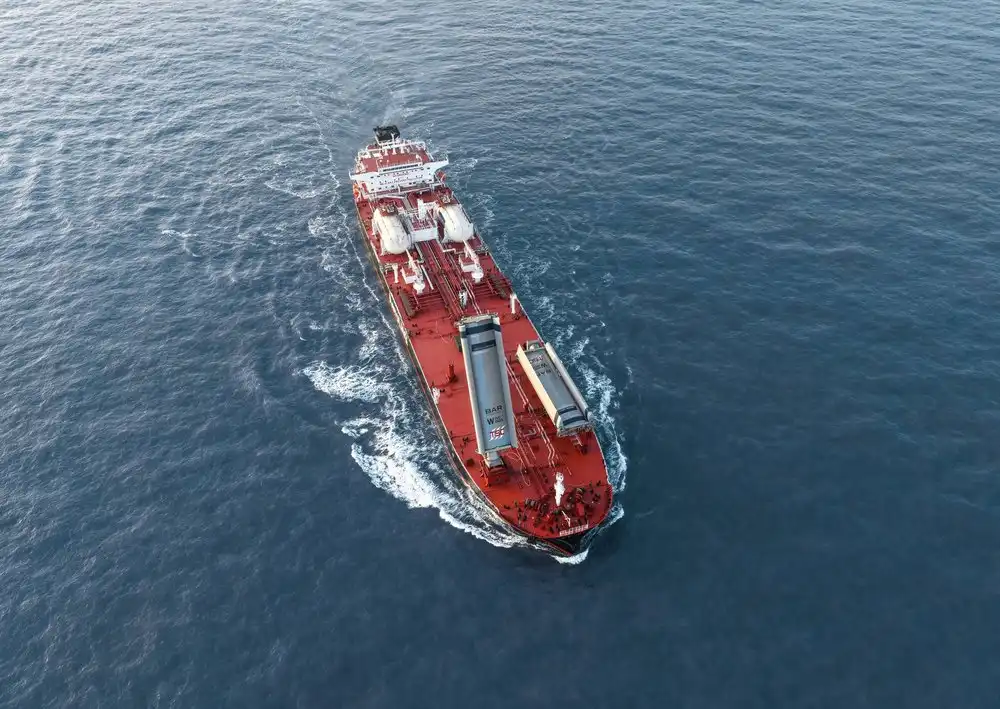
WindWings® is a stiff wing sail system that was created with help from BAR Technologies in the UK and has a patent. The system is different from traditional soft sails or Flettner rotors because it uses a three-part wing frame made from ship-grade steel and industrial E-glass composites. The camber and angle of attack can both be changed in real time, which lets the sail adapt to changing wind conditions and create more than 2.5 times the aerodynamic lift of a normal single-element wing. Because of how they are built, WindWings® can really help with movement along a variety of ocean routes, not just in areas with good weather.
The rigid wing shape of WindWings® also makes it possible for a small device to fold down. When the ship gets close to port or hits bad weather, the system rotates into a laydown position, which gets rid of all the hatch covers and cargo handling gear. Crew members control the system using a screen that looks like a deck crane. They don't need to know anything about rigging or draw gear to do it.
Automated Alignment and Real-Time Camber Optimization
A software-driven control engine is at the heart of the WindWings® system. It constantly figures out the best wing orientation and camber profile for the ship's current heading and wind angle. Through a web-based dashboard, thrust performance data is sent in real time to both staff on board and fleet managers on land. With this level of openness, technical superintendents can keep an eye on energy savings, check CII performance paths, and change route plans without having to wait for end-of-voyage reports.
Weather Routing for Maximum Wind Advantage
How the Routing Platform Unlocks Fuel Savings
Wind-assisted movement is only as useful as the computer software that figures out where to go. The WindWings® weather routing tool is different from other meteorological routing services because it was specifically made for boats with rigid wing sails. The platform combines real-time wind forecasts, vessel speed-power curves, and wing performance models to find the best routes for wind push. Both shore teams and officers on board can use the same web-based interface, which lets everyone make decisions at the same time throughout the whole voyage.
Carriers that work on trade lanes with steady trade winds, like those going from Brazil to China or Australia to Japan, are in a good position to get big fuel offsets with WindWings®. When the wind speed goes over safe limits in the North Atlantic and North Pacific, where the weather is more unpredictable, the automatic feathering routine stops the wing right away to protect the structure without any help from the crew.
These are the main features of the route system that make it useful for fleet operators:
- Navigation officers don't have to do as many calculations by hand because the platform uses automated workflow tools that make sure that voyage planning is in line with real-time wind conditions.
- Technical teams on land get the same real-time data feed as people on the ship. This helps with strategic performance management and keeping track of CII compliance.
- The wing's camber and alignment controls work together with route optimization to make a closed-loop system where the guiding intelligence and power gear work together as a single unit.
Because of these features, WindWings® weather routing is more than just a way to find your way; it's a commercially controlled asset for propulsion that gets better with each journey dataset that is collected.
Performance Verification and Certification
DNV-Validated Fuel Savings and Class Approvals
Shipowners who are thinking about making this kind of big investment need more than what the maker says. DNV has independently confirmed that WindWings® saves fuel by looking at how ships actually work in the real world. Wolfson Unit, a well-known fluid dynamics study center, also confirmed the aerodynamic performance. The system is certified by AIP and has design type approval from DNV and Bureau Veritas. Lloyd's Register and CCS have also given their support.
Bulk carriers with the TSC-supplied WindWings® system have made calls at more than 20 major ports around the world for long periods of time without any problems. This track record directly answers the concerns that technical directors most often have during the buying evaluation process, which are port clearance and cargo interference.
This certification system is built into every project that CM Energy, which does business under the TSC name, works on. All of the raw materials come from suppliers that are ISO-certified, and all of the structural parts are put through strict fatigue and corrosion resistance tests that meet the standards of the classification society. The quality assurance method from fabrication to onboard commissioning is based on TSC's industrial qualifications, which include 159 approved patents as of August 2024 and a unique understanding of naval energy solutions.
Procurement and Deployment: What Shipowners Need to Know
Structured Deployment, Lifecycle Support, and Regulatory ROI
CM Energy has developed a structured project path for installing WindWings® that has been used in many retrofit and new-build projects. The process starts with a vessel compatibility analysis, then moves on to on-site assembly preparation and factory acceptance testing. Finally, the whole thing is installed on board and the crew is trained on how to use it. The system comes in different span configurations to fit different types of ships, and it can tilt from above or below, depending on the limitations of the structure.
Lifecycle support includes access to the weather routing tool, IoT-based remote tracking, and planned repair packages for as long as the vessel is in service. The design length of 25 years means that the investment is spread out over the whole business life of the ship, and the ability to move assets from one ship to another protects their value during fleet restructuring. The combination of measurable fuel savings and class-approved certification makes a clear case for regulatory compliance along with the financial one for shipowners looking at EU ETS exposure, FuelEU Maritime compliance, or EEXI rating improvement.
Conclusion
WindWings®' weather route technology takes into account the two main factors that affect fleet strategy today: the need to meet carbon emission standards and the need to keep fuel costs low. The three-element rigid wing sail system, which has been approved by DNV and other major classification societies, provides measurable thrust assistance on deep-sea routes while still allowing for full cargo operation flexibility. This technology is sold by CM Energy to shipowners under the TSC brand. Shipowners get full lifetime support, from figuring out if the technology is compatible to ongoing IoT tracking. These systems are reliable, tested, and can be used in business settings, so they can help ships become CII compliant and use less bunker.
FAQ
1. How does the system behave during storms or high winds?
Onboard sensors keep an eye on the wind speed all the time. When conditions get too bad, the wings automatically flap to face the wind, which reduces the load on the structure. If the wind speed goes up even more, the system shrinks all the way down to the deck, protecting the ship's stability and the wing's structural integrity without the crew having to do anything by hand.
2. Does installing the system interfere with cargo handling at port?
This problem is directly addressed by the fold-down form. When the wings are in the "laydown" position, they completely clear hatch covers, port cranes, grabs, and loading chutes. Ships with the system have made calls at more than 20 places around the world without any problems with cargo interruption.
3. What is the realistic payback period for a retrofit project?
Payback depends on the price of fuel, the risk of a carbon tax, and the wind conditions along the trade route. The flagship model has been shown to save about 1.6 tons of fuel per wing per day. This, along with the rising EU ETS carbon costs for trips entering European ports, means that many fleet operators think the investment will pay for itself in three to five years.
Partner with CM Energy for Your WindWings® Procurement
Shipowners looking for verified wind-assisted propulsion technology can trust CM Energy and the TSC name as a WindWings® provider. We offer a procurement plan designed for fleet decarbonization on a large scale. It includes performance data that has been checked by DNV, full classification society approvals, and help from start to finish of the lifecycle. Talk to our marine energy team about how to make your craft compatible, when to do the retrofits, or how to integrate a new build. Get in touch with us at info.cn@cm-energy.com or go to cm-energy.com to start the evaluation.
References
1. International Maritime Organization. IMO Strategy on Reduction of GHG Emissions from Ships. IMO, 2023.
2. DNV GL. Wind-Assisted Propulsion: Verification and Performance Assessment Methodology. DNV, 2022.
3. Wolfson Unit for Marine Technology and Industrial Aerodynamics. Aerodynamic Performance Testing of Rigid Wing Sail Systems. University of Southampton, 2021.
4. Lloyd's Register. ShipRight Design and Construction: Wind-Assisted Ship Propulsion Guidance Notes. Lloyd's Register, 2022.
5. Bureau Veritas. NR 217 Rules for the Classification of Steel Ships — Wind Propulsion Systems. Bureau Veritas, 2023.
6. Smith, T. W. P., et al. Third IMO GHG Study 2014: Full Report. International Maritime Organization, 2014.
