How to Choose the Right Wind Propulsion System
Choosing the right Wind Propulsion System starts with understanding your vessel's operational profile, trade routes, and decarbonization targets. Prioritize solutions with verified fuel-saving performance backed by classification society certifications like DNV, BV, or LR. Evaluate compatibility with your fleet's deck configurations, operational impact on cargo handling, and long-term maintenance requirements to ensure seamless integration and measurable return on investment.
Introduction
Environmental rules and rising fuel prices have put a lot of pressure on the maritime industry, forcing shipowners to rethink their traditional ways of moving their ships. Today, Wind Propulsion System has become a useful extra power source that cuts down on fuel use and carbon emissions without affecting plans. Choosing the right system is important for modern teams because it helps them meet their goals for operating efficiency, cost optimization, and sustainability.
This book gives procurement managers, technical directors, and newbuild project managers in the global B2B market a professional look at technology, selection criteria, market choices, and the best ways to do things. It's more important than ever to make an informed choice about Wind Propulsion System now that the IMO EEXI and CII rules are in place and the EU ETS and FuelEU Maritime frameworks are closing compliance gaps. This guide provides a structured method that gives decision-makers the confidence to look at solutions that improve vessel performance while also meeting changing legal requirements and gaining access to green financing tools.
Understanding Wind Propulsion Systems and Their Benefits
Wind Propulsion Systems use modern technologies like Flettner rotors, rigid wing sails, and kite systems to harness the power of the wind in addition to standard naval engines. Modern Wind Propulsion Systems use automation, composite materials, and real-time control software, while previous soft sails needed a lot of staff management. These new ideas turn wind energy into measured thrust that takes power away from the main engine. This cuts down on fuel use and greenhouse gas emissions.
Commercial ships that have these devices report saving a lot of fuel, which lowers their operating costs and raises their carbon intensity scores. Documented savings range from small single-digit percentages to big double-digit drops, depending on trade routes and the direction of the wind. Using Wind Propulsion System helps ships meet stricter environmental rules at sea, like the IMO's decarbonization goals, which call for a 40% drop in carbon intensity by 2030 and net-zero emissions by 2050.
In addition to meeting legal requirements, Wind Propulsion System has strategic benefits in lease markets where cargo owners who care about the environment are increasingly asking for lower-emission tonnage. The vessels with the best CII scores get better access to green lending tools and pay higher day rates. In today's competitive global shipping market, procurement teams need to know about these benefits if they want to find long-lasting, low-cost alternatives that are better for the environment and business.
Core Criteria for Selecting the Right Wind Propulsion System
Before you can choose the best Wind Propulsion System, you need to be clear on your operational and business needs. Type of ship is very important. Compared to container ships or general cargo vessels, bulk carriers and tankers have different deck layouts, stability margins, and ways of handling cargo. Trade routes affect the amount of wind that is available. Trans-oceanic routes that cross consistent trade wind belts produce the most thrust, while short-sea journeys with changing weather patterns have less expected results.
To figure out the benefits of an investment and show boards and funding partners why it's a good idea, it's important to look at performance metrics like fuel efficiency, energy output, and return on investment (ROI). Shipowners need to look at power factors, lift-to-drag ratios, and sea trial data that has been checked by someone else. Some classification societies, such as DNV and Bureau Veritas, put out verification protocols that make it easier to compare different technologies in an objective way.
To make sure that the budget is followed, a full cost analysis must be done that includes the original capital cost, the logistics of installation, ongoing upkeep, and any possible funding incentives. When figuring out the total cost of ownership, you need to include hidden costs like dry-dock schedules, crew training programs, and changes to your insurance premiums. Green financing options, such as loans that are in line with the Poseidon Principles and grants from the EU Innovation Fund, can make a project's economics much better. This multidimensional method makes sure that choices are not only technologically sound, but also cost-effective and fit the strategy goals of the shipowner.
Assessing Vessel Compatibility and Operational Impact
How possible it is to install something depends a lot on how strong the deck is, how much space there is between the hatch covers, and how much it will interfere with equipment used to move cargo. Naval engineers and shipyards must use finite element analysis to make sure that the hull and deck can handle extra loads and dynamic forces that are created during operation. Changes in the center of gravity and wind heeling moments need to be reflected in stability guides.
Quantifying Fuel Savings and Payback Periods
Accurate fuel consumption modeling uses past trip data, seasonal wind patterns, and algorithms for finding the best routes. Shipowners should ask for thorough energy assessments that model performance along typical routes, taking into account operating speeds and main engine load profiles. Payback times vary from a few years to a few decades, based on the cost of fuel, how much it is used, and how much the technology costs.
Navigating Regulatory and Classification Requirements
There is type approval or approval in principle for all Wind Propulsion Systems that can be trusted by the world's largest classification societies. Compliance with structural standards, electricity safety measures, and navigational sight requirements must be shown in documentation files. Figuring out how long the approval process takes can help you time your purchases with when ships are available and regulatory dates.
Comparing Leading Wind Propulsion Solutions on the Market
There are many types of Wind Propulsion Systems on the market, such as Flettner rotors, soft and stiff sails, suction wings, and kite systems. Each type is best for a certain type of vessel and its intended use. The Magnus effect is used by Flettner rotors to make force thru spinning spheres. They are small, but they need constant power. Soft sails have lower initial costs, but they need to be maintained more often and can't be fully automated. When used on good routes, kite systems save a lot of fuel, but they are hard to set up and take down.
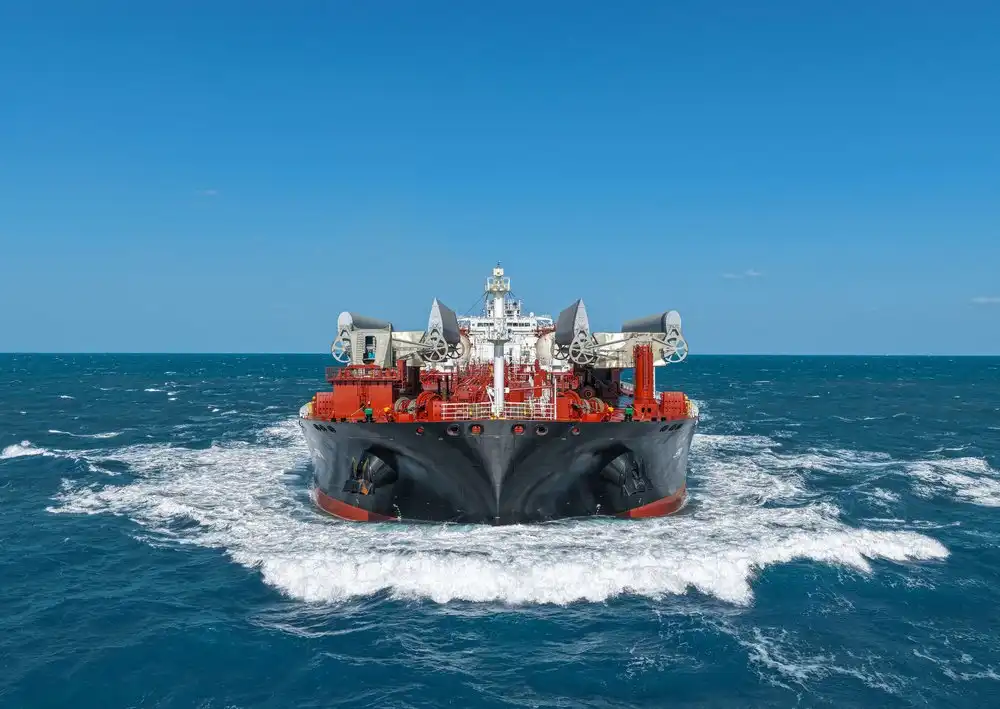
Rigid wing sails are an advanced technology that offers high lift-to-drag ratios, full automation, and little crew input. The WindWings® device is sold by CM Energy's TSC name. It is a unique three-element rigid sail that was made in collaboration with BAR Technologies in the UK. This design lets you change the slope and angle of attack in real time, which makes it possible to get over 2.5 times the lift of regular single-element wings. When you combine independent verification by the Wolfson Unit and Lloyd's Register with DNV certification, you get the objective performance proof that procurement teams need when they show business cases to top management.
To reduce risks and make sure adoption goes smoothly, it's important to know how reliable the seller is, what the warranty covers, and how to get help after the sale. There is less operational uncertainty when there are well-known manufacturers with track records of installation, global service networks, and full crew training programs. Real-life examples show that the technology is mature. For example, bulk carriers with advanced rigid wing systems have been in commercial service for over a year, calling at more than 20 major global ports without any problems. This shows that they are reliable in a range of weather and port conditions.
When procurement teams look at different suppliers, they should see how many classification society approvals they have, if they offer performance guaranties, and how their maintenance agreements are set up. When a supplier offers IoT-enabled remote tracking platforms and weather route optimization tools, they go above and beyond just installing hardware. This part tells procurement teams how to evaluate a supplier's skills, the maturity of the technology, and the flexibility of the installation so that they can make smart decisions that meet their operational needs and business priorities.
How to Align Wind Propulsion Systems with Your Business Goals
Aligning Wind Propulsion System with business plans means making solutions that are specific to new buildings or retrofits, meeting environmental goals, and working well with other propulsion systems. Newbuild integration lets marine engineers improve the design of the hull, the foundations of the structure, and the way power is distributed from the very beginning of the design process. This makes installation easier and cheaper. For retrofit projects to go smoothly, they need to carefully plan around the availability of dry docks, keep off-hire times to a minimum, and work with planned repair routines.
Adoption decisions are being driven more and more by meeting corporate sustainability commitments and charterer ESG requirements. Many ship owners now require minimum CII scores or ask for plans to cut down on emissions as conditions for bidding. Installing certified Wind Propulsion System shows a real commitment to pathways for decarbonization. This builds relationships with partners who care about the environment and gives you access to premium freight contracts.
Risk management includes planning ahead for practical problems like changing weather, making sure that port equipment works with other systems, and improving crew skills. Automated control systems make it easier to learn—modern installations work like deck cranes, so you don't need to know anything special about sailing to use them. Full training programs and ongoing technical help make sure that new technologies are easily adopted and that performance gains last.
To prepare for the future, fleet managers need to think about changes in technology, ways to make the business bigger, and getting ready for stricter emission standards. Long-lasting modular systems that can be moved from one ship to another protect capital investments against fleet renewal cycles. As methods for pricing carbon get stronger and infrastructure for alternative fuels develops, Wind Propulsion System offers an extra way to save fuel that works with all fuel types, so it will still be useful as energy regions change. This strategy view gives marine companies the power to protect their investments and stay ahead of the competition in an industry that is becoming more environmentally friendly.
Integrating with Existing Fleet Management Systems
Modern Wind Propulsion Systems can connect to systems that track how well ships are doing, which lets all the data be analyzed at once and the performance of the whole fleet compared to standards. Integration with weather route software lets you plan trips ahead of time to get the most out of the wind, which increases efficiency without affecting operations.
Building Internal Technical Competency
Structured change management, such as technical training for fleet managers on land and engineering officers on board, is needed for technology to be adopted successfully. Manufacturers who offer complete training programs, simulation-based learning tools, and ongoing technical hotlines make changes easier and increase the number of people who use their products.
Final Decision-Making Framework and Practical Tips
Setting clear selection criteria, objectively comparing shortlisted systems, and asking suppliers to do trials and technical consultations are all parts of a structured decision-making process. Start by listing the must-have and nice-to-have features, putting things like the ability to save fuel, licensing status, ease of use, and total cost of ownership at the top of the list. Create weighted score matrices that turn subjective evaluations into numbers. This will make it easy to compare different plans.
Classification societies should be involved early on in the evaluation process to make sure the project is technically possible and to find out when approvals are needed. Third-party experts who specialize in energy saving can look at what vendors say without bias and point out any possible implementation problems. Ask for specific lists of references and visit ships that are already using the technologies you're interested in. This will let you see how they work in real life and get feedback from the crew.
When buying something or negotiating a deal, the best way to do things is to carefully consider each plan, ask tough questions of the seller, and use warranties and financing options to lower costs and risks. Talk about performance guaranties that are based on fuel savings that are measured by a third party, and include legal punishments for failing to meet those guaranties. Look into green financing options and government reward programs that lower the amount of money that needs to be spent on capital. Include complete maintenance plans, promises that spare parts will be available, and ways to upgrade technology in your contracts.
Installing systems on one or two ships before rolling them out to the whole fleet is a good way to lower risks. This is because operations can be learned and performance can be tested in the real world. Systematically write down what you've learned so that it can be used to improve future installations and operational procedures. This section summarizes the most important points and gives procurement professionals a practical, doable plan for finding the best Wind Propulsion System that supports long-term operational and sustainability goals and builds trust among internal stakeholders thru decision-making based on evidence.
Conclusion
To pick the best Wind Propulsion System, you need to look at how well it works technically, how well it meets regulations, how much it costs, and how well it works with other systems. Shipowners who put an emphasis on independent verification of fuel savings, full classification society approvals, and installation records that have been used before are more likely to be successful with adopting new technology. CM Energy's TSC brand of modern rigid wing systems have advanced aerodynamics, automation, and lifecycle support, which are the main concerns of technical directors and fleet managers. As decarbonization in the maritime sector speeds up, Wind Propulsion System goes from being an experimental idea to a common way to improve efficiency. It offers measurable benefits while making fleets more competitive in carbon-conscious charter markets and making sure they follow stricter environmental rules.
FAQ
1.How much fuel consumption reduction can shipowners realistically expect?
Fuel savings that have been documented depend on the type of ship, the route, and the wind conditions. Usually, the percentages range from modest to major. Trans-oceanic lines with steady trade winds have the best returns. Short-sea trades, on the other hand, have less stable results. Classification groups that do independent checks provide reliable performance standards for building business cases.
2.Is wind propulsion compatible with existing diesel engines and alternative fuels?
Wind Propulsion System works well with both traditional and alternative fuel engines, adding extra speed that lowers the load on the main engine no matter what fuel type is used. This makes sure that the technology will still be useful during the energy transition, whether ships use heavy fuel oil, LNG, methanol, or future fuels with no carbon emissions.
3.What routine maintenance do these systems require?
Maintenance needs are similar to those of deck cranes: hydraulic systems need to be inspected regularly, moving parts need to be oiled, and control algorithms need to have their software updated. Manufacturers offer full service packages that include remote diagnosis, predictive maintenance analytics, and global spare parts networks. These help keep systems running smoothly and reducing downtime over their entire working life.
Partner with CM Energy for Proven Wind Propulsion Solutions
CM Energy is ready to help your fleet go carbon-neutral with our TSC WindWings® system. It is a leading Wind Propulsion System supplier that saves you money on fuel and follows all the rules. Our three-element stiff sail technology, which we created with BAR Technologies and has been approved by DNV, BV, and LR, has been used in business operations around the world for over a year and has shown that it is reliable. We offer full lifecycle support, from the initial compatibility analysis to installation, crew training, IoT monitoring, and ongoing maintenance. This makes sure that everything fits in perfectly with your operational workflows. Get in touch with our knowledgeable staff at info.cn@cm-energy.com to talk about unique solutions that are made to fit your ship's needs, trade routes, and environmental goals. Investing smartly in Wind Propulsion System will protect your marine operations for the future and give you an edge in a market that is becoming more concerned with carbon emissions.
References
1. International Maritime Organization. (2023). "Fourth IMO Greenhouse Gas Study: Full Report." IMO Publishing.
2. DNV. (2024). "Wind-Assisted Propulsion: Classification Guideline DNVGL-CG-0128." Det Norske Veritas Group.
3. Kramer, J., & Nielsen, P. (2023). "Economic and Environmental Impact of Wind-Assisted Ship Propulsion." Journal of Marine Engineering & Technology, 22(4), 215-234.
4. European Commission. (2023). "FuelEU Maritime Regulation: Implementation Guidelines for Shipowners." EU Publications Office.
5. Lloyd's Register. (2024). "Wind Propulsion Systems: Technical and Operational Considerations for Commercial Shipping." Lloyd's Register Marine.
6. Rehmatulla, N., & Smith, T. (2023). "Wind Technologies for Ships: Market Analysis and Adoption Barriers." UCL Energy Institute Maritime Research Series.