Marine LNG Fuel Gas Supply System Trends 2026
As we enter 2026, dual-fuel propulsion technologies continue reshaping maritime operations worldwide. The global shift toward cleaner marine fuels has positioned the LNG Fuel Gas Supply System as a cornerstone technology for shipowners, shipyards, and engineering firms committed to meeting IMO Tier III emissions standards and Carbon Intensity Indicator regulations. These systems bridge cryogenic storage and combustion-ready fuel delivery, enabling vessels to operate with significantly reduced sulfur oxides, nitrogen oxides, and particulate matter compared to conventional marine diesel oil.
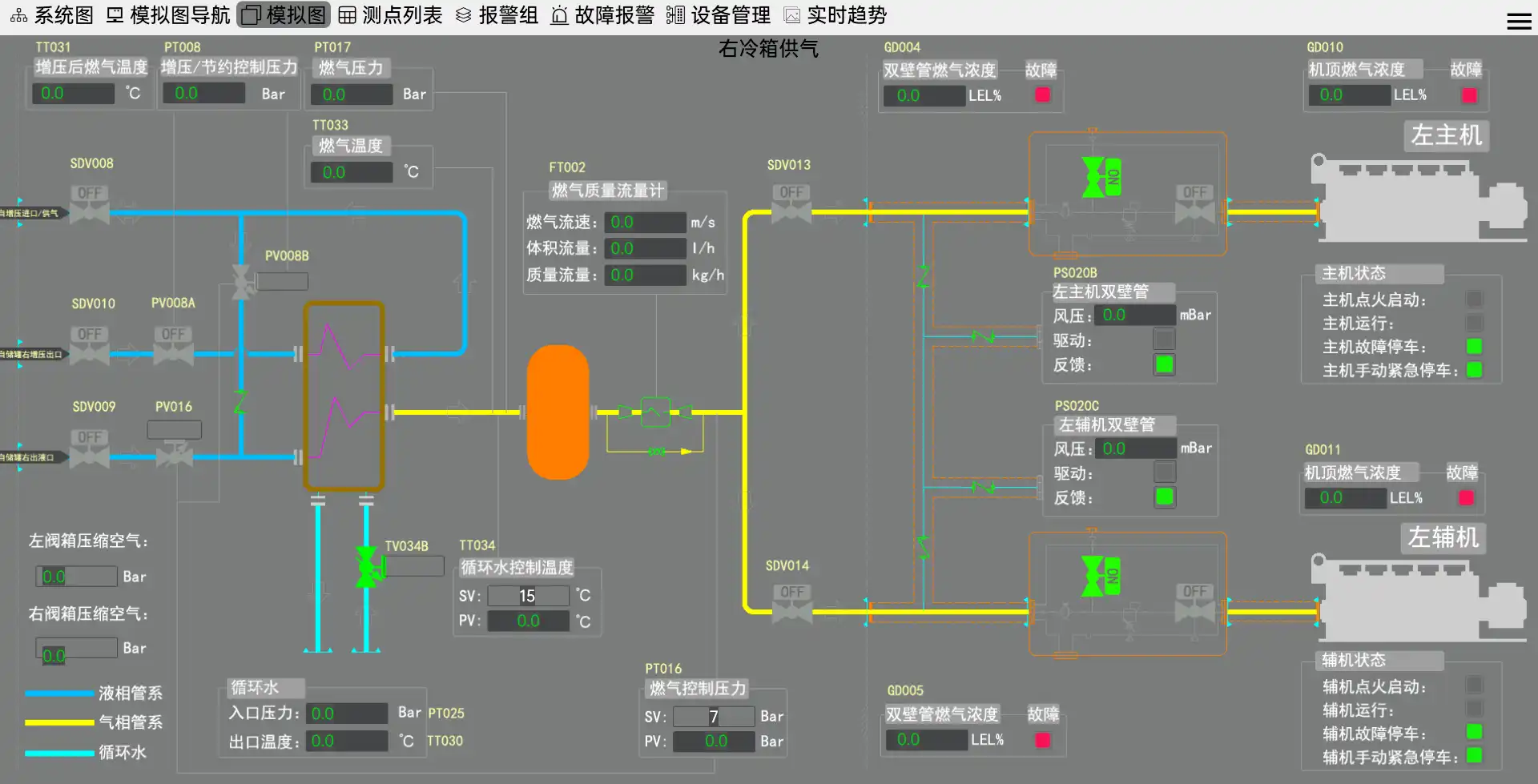
Understanding Marine LNG Fuel Gas Supply Systems
Marine LNG Fuel Gas Supply Systems are complex technical works that turn compressed natural gas from its very cold state (about -163°C) into a temperature-controlled, pressured gas fuel that can be used in dual-fuel engines. There are many parts that work together in these systems, such as cryogenic storage tanks, high-integrity pumping units, vaporization modules, pressure regulation assemblies, filtration equipment, and full safety shutdown mechanisms.
Core Components and Functional Architecture
Structures are built on top of storage tanks, which are usually Type C tanks made of special austenitic stainless steel metals that can handle high thermal contraction cycles. For lower-pressure tasks, the pumping stage uses buried centrifugal pumps. For high-pressure diesel engines, it uses rotary cryogenic pumps that can raise the liquid pressure above 300 bar. To get precise temperature control, vaporization modules use glycol-water heating circuits or steam-heated exchangers to deliver gas within the narrow temperature range that engine manufacturers need.
Safety systems have many layers that work together to keep things safe. These layers include emergency shut-off valves, double-block-and-bleed isolation, gas detection arrays in dangerous areas, and automated depressurization sequences. These parts work together to make sure that ships following the International Code of Safety for Ships using Gasses or other Low-flashpoint Fuels can keep getting fuel even when the sea conditions change.
Regulatory Compliance and Environmental Benefits
DNV, ABS, Lloyd's Register, Bureau Veritas, and the China Classification Society all have strict rules that modern systems must follow. In addition to meeting safety standards, these projects make the world better in ways that can be measured. Compared to heavy fuel oil, sulfur oxide emissions drop almost to zero, nitrogen oxide emissions drop 85 to 90%, and carbon dioxide emissions drop 20 to 25 percent per unit of propelling power. Particulate matter emissions are almost impossible to find, which improves air quality in port towns and pollution control areas.
Comparing Marine LNG Fuel Gas Supply Systems with Other Fuel Options
When looking at different fuel options, procurement teams often compare LNG Fuel Gas Supply Systems to traditional marine diesel oil, methanol, and new hydrogen-ammonia blends. There are different technical aspects, infrastructure needs, and lifecycle costs for each route.
Technical Performance and Operational Characteristics
Diesel propulsion systems are reliable and can use fuel from anywhere in the world, but they are facing more and more rules and regulations, and there may even be a carbon tax. Compressed natural gas systems have problems with volumetric energy density limits that limit their travel range, making them mostly useful for activities close to the surface of the water. Throughout the fuel handling chain, methanol systems need materials that don't rust, and managing toxicity is hard during bunkering operations.
Natural gas fuel supply architectures stand out because they have developed bunkering infrastructure along major shipping routes, backing from engine manufacturers like MAN Energy Solutions and WinGD, and thorough approval processes from classification societies. The fuel has about 90% more energy per unit mass than methanol, which means it can be used over longer distances with the same amount of storage space. Unlike hydrogen storage, which needs temperatures close to -253°C or ultrahigh pressure containment, natural gas systems work in more reasonable conditions, which makes choosing the right insulation and materials easier.
Lifecycle Economics and Total Cost of Ownership
The extra cost of building dual-fuel newbuilds is usually between 15% and 25% more than building conventional tonnage. This depends on the type of vessel and how the system is set up. An study of operating expenses shows that fuel costs less in most global markets, especially when compared to low-sulfur fuel oil or naval gas oil that meets regulations. Maintenance schedules for gas-powered engines are usually the same as or longer than those for diesel engines. This is because gas engines use less lubrication oil, which lowers the costs of specialized parts.
As regulations get stricter thru 2030 and beyond, residual value factors favor dual-fuel mass. Ships with LNG Fuel Gas Supply Systems get better charter rate premiums and better loan terms from banks that put environmental, social, and governance criteria at the top of their lending criteria.
Top Trends and Innovations Shaping Marine LNG Fuel Gas Supply Systems in 2026
Rapid technological change is happening in the marine fuel supply landscape because of digitalization efforts, modular building methods, and stricter emission rules that are being put in place in many places.
Pressure-Level Differentiation and Engine Technology Matching
For MAN ME-GI diesel engines, high-pressure designs are made with pump-vaporizer units that reach pressures of more than 300 bar and feed gaseous fuel during the compression stroke. This method lowers methane slip, or releases of methane that hasn't been burned, to about a tenth of what is seen in medium-pressure Otto-cycle setups. Low-pressure versions for Otto-cycle engines made by WinGD and other companies work below 16 bar. They use easier combustion equipment and have lower capital costs, making them good for container ships, bulk carriers, and vehicle carriers.
Both types of architecture were created by TSC. Our low-pressure installations have been used continuously on commercial ships for over a year. Our high-pressure solutions are the result of working together strategically with MAN Energy Solutions. They are fully compatible with ME-GI powerplants and have factory acceptance test methods that are in line with what the engine maker requires.
Integrated Boil-Off Gas Management
Controlling tank pressure is a very important part of operations because ambient heat causes LNG to evaporate all the time. Modern systems use boil-off in three different ways: first, it is used to power main and auxiliary engines; second, it is burned in gas-fired boilers to make steam or heat circuits; and third, it is thrown away thru gas combustion units when fuel demand drops below evaporation rates. Advanced control software makes the best use of energy recovery while keeping the tank from overpressurizing during long port stays or slower operations.
Our engineered solutions include gas combustion units that are sized to work with the vessel's specific boil-off rates. This makes sure that the pressure stays safe at all times, from full-speed voyages with lots of cargo to idle times when the ship is not moving.
Compact Modular Design and Tank Cooling System Integration
Space optimization leads to new ways of packaging, which is especially important for retrofits and vessel types with limited machinery arrangements. TSC was the first company to use combined cold box designs, which put all of the equipment needed for cryogenics inside the insulation shell of the tank. This included pumps, vaporizers, pressure control valves, and instruments. When compared to traditional spread layouts, this Tank Cooling System integration cuts down on machinery room by about 30–40%, shortens cryogenic pipe runs to keep heat out, and makes insulation upkeep easier.
Our C-type tank packaging provides fully assembled modules that have already been pre-commissioned, tested, and piping installed at the factory. This speeds up the installation process in the shipyard and cuts down on the amount of work that needs to be done onboard during the newbuild construction phases.
Digital Monitoring and Predictive Maintenance Capabilities
Industrial Internet of Things designs are used by connected systems to send operational parameters to tracking centers on land. These parameters include temperatures, pressures, flow rates, valve positions, and pump performance measures. Machine learning systems look at trending data to find parts that are starting to break down. This lets you use condition-based maintenance methods to cut down on unplanned downtime. Cybersecurity procedures that meet IEC 62443 standards keep unauthorized people from getting into key control systems and make it easier to do remote troubleshooting and software changes.
Procurement Insights: How to Source and What to Consider for LNG Fuel Gas Supply Systems
For 18 to 36-month newbuild project procurement cycles, suppliers need to be carefully evaluated based on their technical skills, business terms, and lifecycle support abilities. Decision frameworks need to weigh the initial cost of capital against operational reliability, approval pathways from classification societies, and the ability to work with main suppliers of propulsion plants.
Technical Capability Assessment
As part of the procurement requirements, the knowledge of the seller with the target engine types and pressure settings should be checked. Ask for written references of installations done on similar types of ships, such as approval papers from the classification society and shipyard comments about how well the installations met their schedules. Check how knowledgeable the engineering team is about how cryogenic fluids work, how to design pressure vessels, and how to safely use electricity in hazardous areas.
It is necessary to check compatibility with the main engine makers. When engine makers work together to make solutions, like TSC's relationship with MAN for high-pressure systems, technical risk is lower because interface definitions are coordinated at the factory, commissioning processes are merged, and warranty frameworks are united.
Quality Assurance and Certification Requirements
Ask for full factory acceptance testing that is seen by classification society surveyors. This should include pressure tests up to 1.5 times the maximum allowable working pressure, cryogenic shock testing of all wetted parts, emergency shutdown logic verification, and a simulation of a control system failing. Insist on x-rays of all pressure-containing welds and dye penetrant tests of threaded connections, with proof in the form of weld maps that can be linked to each welder's credentials.
Material certifications must show that they meet the standards for cryogenic service. This includes tests of impact toughness at working temperatures and a study of the material's makeup to make sure it has a low carbon content that doesn't cause sensitization. TSC keeps the China Classification Society certification for our double-layer stainless steel tanks. This makes sure that the design calculations, fabrication methods, and inspection protocols are correct.
Commercial Structure and Payment Terms
Newbuild equipment packages usually have payment plans that are based on milestones that match the steps of building a ship: approval of the design, purchase of materials, factory acceptance testing, delivery to the shipyard, and final launching of the LNG Fuel Gas Supply System. Talk about retention clauses that depend on successful sea trials and final certificates from the classification society. Credit scores and project insurance can help you figure out how financially stable a supplier is, which will protect you from the risk of going bankrupt during multi-year delivery plans.
Lifecycle service agreements should spell out promises about the availability of extra parts, the time it will take to answer technical support questions, and the cost of regular repair visits. TSC offers full lifecycle support, including advice during the design phase, production and testing, supervision of installation, help with commissioning, crew familiarization training, and ongoing technical advisory services.
Supplier Evaluation Criteria Beyond Price
Capital cost is a big factor in buying choices, but experienced buyers also look at other factors that have long-term effects on value. When the economy is doing well and equipment lead times are long, manufacturing capacity affects how reliable shipping schedules are. Response times are affected by how close service networks are to each other during warranty periods and later operational phases. When a supplier spends money on research and development, it shows that they can handle new rules and technologies.
Our operational history shows that our low-pressure systems have worked consistently on business ships for long periods of time. This shows that they are mature and strong enough for maritime uses. Our engineering skills cover a wide range of alternative fuel routes, such as methanol, ammonia, and liquefied petroleum gas cargo handling systems. This makes us a complete solutions partner as fleet fuel plans change.
Future Outlook and Strategic Recommendations for Marine LNG Fuel Supply Systems
As we look past 2026, different technological paths will change the way marine fuel is supplied as the industry works to meet decarbonization goals that will last until 2040 or 2050.
Bunkering Infrastructure Evolution
Liquefied natural gas bunkering facilities on land are still being added to more port networks. In major trade lanes, truck-to-ship services are being replaced by dedicated pipeline platforms and specialized bunkering boats. Standardizing bunkering procedures thru industry guidelines makes operations simpler and cuts down on the time needed at ports. Protocols for simultaneous operations are getting better, which means that fuel exchanges can happen at the same time as goods handling, as long as safety rules are carefully followed.
Shipowners should look for dual-fuel tonnage with standard bunkering links that work with new international standards. They should avoid private interfaces that make operations less flexible. Look at different ways to buy fuel, weighing the pros and cons of buying on the open market versus long-term supply deals and taking into account how prices change in different areas and the safety of the supply.
Hybrid and Transitional Fuel Pathways
Bio-liquefied natural gas and synthetic methane made from clean electricity thru power-to-gas processes are carbon-neutral drop-in replacements that can work with existing fuel gas infrastructure. Regulatory systems are recognizing these green versions more and more in carbon accounting schemes, which could make gas-fueled tonnage more useful in real life. New ideas for co-firing ammonia and natural gas could make it possible to add the ability to use ammonia to existing gas systems. This would protect the value of assets during the uncertain fuel changeover period.
Regulatory Landscape and Carbon Pricing Mechanisms
As part of the International Maritime Organization's greenhouse gas strategy, carbon intensity rules are getting stricter. These rules require higher efficiency, which favors gas propulsion's natural carbon edge over fuels produced from oil. Carbon emissions will be valued thru the European Union Emissions Trading System's spread to marine transport and possible IMO market-based measures. This will make it more profitable to use fuels with lower carbon emissions. Existing Ship Index requirements for energy efficiency may lead to upgrades to propulsion plants where dual-fuel retrofits are economically viable.
Strategic buying planning should include regulatory roadmaps. This is because the choices we make now will affect our ability to comply with regulations and stay competitive for many decades to come. Being able to use two types of fuel gives you operational flexibility, so you can switch between them to get the best deal based on regional price differences, availability, and changing regulatory requirements that affect how you trade around the world.
Conclusion
On the way to cleaner maritime propulsion, LNG Fuel Gas Supply Systems have become an important tool for following the rules and staying competitive in the workplace thru 2026 and beyond. To do a good job of procuring things, you need to carefully look at each supplier's professional skills, quality control methods, pricing, and promises of ongoing support. TSC can meet the exact needs of shipowners, yards, and engineering firms working on difficult dual-fuel projects thanks to our proven installations on working vessels, innovative cold box packaging, and strategic partnerships with main engine manufacturers. As regulatory frameworks get stricter and bunkering networks get bigger, using stable gas fuel technology early on saves asset values and cuts emissions right away.
FAQ
1.How do high-pressure and low-pressure configurations differ?
High-pressure systems use special pumping gear to reach pressures higher than 300 bar. This lets diesel-cycle engines like MAN ME-GI powerplants add fuel during the compression stroke. Compared to low-pressure methods, this method greatly lowers methane slip. Low-pressure configurations work below 16 bar and can serve Otto-cycle gas engines with simpler vaporization equipment that costs less up front. The choice of system depends on the main engine because switching between pressure levels is usually not possible because the equipment is so different.
2.What happens to boil-off gas during port operations?
When the major engines aren't working, boil-off management relies on other ways to use the water, like gas-fired heaters for hotel loads or re-liquefaction units that turn vapor back into liquid. As a last safety measure, gas combustion units burn off any extra boil-off that can't be used productively. This keeps the working conditions safe and prevents tank overpressure. Complex control systems choose the best ways to use resources based on the current demand for fuel and the rate of production.
3.Can existing vessels be retrofitted with gas fuel systems?
The ability to retrofit depends on a number of things, such as the amount of space available for machinery, the structure's ability to support tank installations, the requirements of the class notation, and the compatibility of the main engine. It's easier to make changes to some types of ships than to others. Ro-Ro ships, boats, and some tanker designs are better at adapting. Before committing to retrofit projects, which are usually a lot more complicated than newbuild installations, it's important to do thorough feasibility studies that look at things like space arrangements, stability impacts, regulatory pathways, and return-on-investment timelines. LNG Fuel Gas Supply Systems can be added to ships that are already in use when space and structural capacity allow.
Partner with CM Energy for Your LNG Fuel Gas Supply System Requirements
To buy a dual-fuel vessel, you need to know a lot about cryogenic engineering, naval classification standards, and main engine integration processes. As a reliable provider of LNG Fuel Gas Supply Systems, CM Energy offers complete solutions under the TSC name, backed by operating examples on commercial ships around the world. Long service periods have shown that our low-pressure setups are reliable, and our high-pressure systems are compatible with the newest ME-GI power plants thanks to our strategic partnership with MAN. Our integrated cold box designs make the best use of machinery space, which is especially important for new buildings with limited space, and our lifetime support framework is there for projects from the initial idea phase thru commissioning and operation. Get in touch with our technical team at info.cn@cm-energy.com to talk about your specific vessel needs, look at examples of installations that are similar to how you operate, and find out how our engineering skills can lower the risk of your dual-fuel newbuild or retrofit project while still meeting tight delivery dates.
References
1. International Maritime Organization, "Fourth IMO GHG Study 2020 - Full Report," IMO Publishing, 2021.
2. Society of International Gas Tanker and Terminal Operators, "LNG Bunkering: A Practical Guide for Operators and Service Providers," SIGTTO Publications, 2024.
3. DNV Maritime, "Alternative Fuels Insight: Comparative Analysis of Marine Fuel Systems Through 2030," DNV Technical Report Series, 2025.
4. MAN Energy Solutions, "ME-GI Dual Fuel Engine Portfolio: Technical Papers and Reference List," MAN Diesel & Turbo Publications, 2025.
5. Marine Environment Protection Committee, "Guidelines on Life Cycle GHG Intensity of Marine Fuels," MEPC Resolution Series, 2024.
6. International Gas Union, "Global LNG Bunkering Infrastructure Development Report," IGU World Gas Conference Proceedings, 2025.