Is WindWings® Worth Investing in for Shipping Fleets?
WindWings® is genuinely worth the investment for shipping fleets navigating today's tightening regulatory and cost pressures. As a patented three-element rigid sail system developed in partnership with BAR Technologies (BART) in the UK, WindWings® delivers independently verified fuel savings, carries certification from leading classification societies, and has accumulated a real operational track record across more than 20 major global ports. For fleet owners facing IMO CII compliance deadlines and rising bunker costs, WindWings® presents a structurally sound, commercially viable path toward measurable decarbonization.
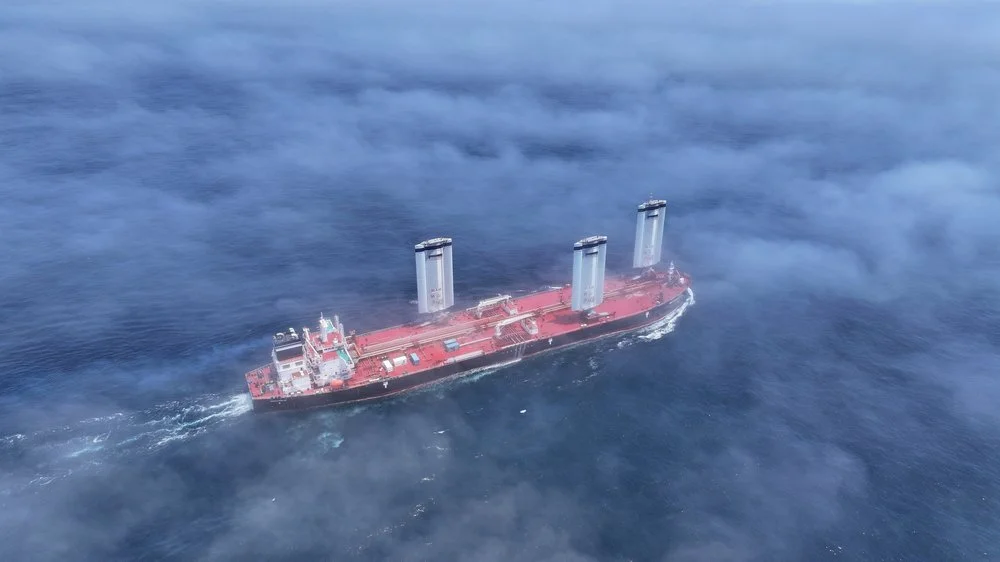
Understanding WindWings® Technology and Its Benefits
The idea behind WindWings® is not a real product. It is a class-approved wind-assisted propulsion system that is ready for production. It was designed using aerodynamic principles from aerospace engineering. When making choices about this much money, it's very important to know what's behind the certifications.
How the Three-Element Rigid Wing Generates Thrust
The main idea behind WindWings® comes from a three-element hard wing structure. The camber (the shape of the wing) and the angle of attack can both be changed in real time, which lets the system instantly adapt to changing wind conditions. This automatic optimization creates more than 2.5 times the mechanical lift of a normal single-wing sail. Research from Wolfson Unit and Lloyd's confirms this number. The system is made of ship-grade steel and industrial E-glass composites, which make it strong and light at the same time. When the weather gets too bad to operate, the wing feathers, or folds flat to the deck, to protect both the structure and the cargo operations.
Verified Performance Across Three Scale Variants
Under its TSC brand, CM Energy sells WindWings® in three sizes: 20m, 24m, and 37.5m wing widths. These are suitable for a range of ship types, such as Kamsarmax bulk carriers and VLCC tankers. Each type is powered by electricity, folds up into a very small chord when not in use, and doesn't need any special draw gear to work, so it's about the same as using a deck crane every day. The 37.5m flagship model has wings that cover 754 m² and saves 1.6 tons of fuel per day per wing, which equals 5.12 tons of CO₂ per day per wing. These numbers have been confirmed by real-world activities and are approved by DNV.
According to these details, WindWings® is one of the best wind-assisted ship propulsion (WASP) systems on the market right now for commercial fleets.
WindWings® Versus Alternative Wind Propulsion Approaches
Aerodynamic Efficiency, Automation, and Asset-Level Flexibility
There are now soft sails, Flettner rotors, suction wings, and stiff sail systems on the market for wind-assisted motion. Each method has pros and cons when it comes to how well it uses power, how much deck room it takes up, and how hard it is to operate. This part looks at where WindWings® fits in that landscape, without putting down any other technologies that are out there.
WindWings® stands out because of its aerodynamic output, operating efficiency, and wide range of certifications. Because it looks like multi-element airplane wings and doesn't rely on a single surface for lift, the three-element wing design has better lift-to-drag ratios. The automated camber and alignment adjustment system constantly adjusts thrust output based on real-time data on the speed, heading, and wind of the vessel. This means that the crew doesn't have to rely on their own judgment during normal operations.
WindWings® is different from similar systems because it can be used on different boats and has a 25-year design lifespan without replacing major parts. This asset-level flexibility changes the capital recovery estimate in a real way for fleet owners who are handling both old tonnage and new pipes.
Procurement Considerations: Installation, Certification, and Lifecycle Support
Operational Integration, Class Approvals, and End-to-End Support
When fleet technical directors and newbuilding project managers decide to buy a wind-assisted propulsion system, they look at four practical factors: how it will affect installation, how well it will work, and what kind of long-term support infrastructure will be needed.
WindWings® is good at buying things in the following ways for each of these needs:
- Installation process: The installation method starts with checking for compatibility and then goes on to on-site assembly, factory acceptance testing, and finally onboard commissioning. The wing can be rotated into a laydown position that allows full clearance for hatch covers and equipment used to move cargo. This solves one of the most common operational problems that deck officers bring up.
- Classification society coverage: WindWings® has AIP certification and design type approval from DNV and BV. LR and CCS have also given their approval. This wide range of class covering makes the approval process easier for flag states and charter parties with different needs.
- Quality assurance: All of the raw materials come from suppliers that are ISO-certified. To make sure the system is seaworthy and insurable from the start, all of its structural parts are put through strict tests that are in line with the standards set by the classification society for wear and rust. These tests include salt spray testing for any metal joints that are exposed to water.
- Lifecycle support: There is full lifecycle support from TSC, which is the operating brand of CM Energy. This includes installation supervision, IoT-based remote performance monitoring, weather routing optimization, and long-term maintenance packages. Both teams on land and crew members on board can use the web-based weather route tool at the same time.
These benefits get rid of the operational uncertainty that often slows down WASP buying choices. The integration model is made to cause as little trouble as possible to commercial schedules, and the support infrastructure makes it easier for ship crews to do maintenance.
Real-World Performance and the ROI Case
Third-Party Verified Savings and Accelerated Payback
Any investment in wind-assisted power should be based on performance data that has been checked by a third party, not on what the maker says will happen. WindWings® has a lot of useful operating experience. In more than a year of nonstop use, bulk carriers with the system have made calls at more than 20 major ports around the world without any problems. The confirmed fuel savings by DNV give fleet owners and their investors the numbers they need to justify spending money on capital.
On trade routes with a lot of wind, like bulk trades from Brazil to China or voyages across the North Atlantic, the WindWings® system's automated feathering feature handles changing weather without messing up commercial schedules. When traveling on routes with steady trade winds, the total amount of fuel moved by each wing every day builds a recovery case that speeds up as carbon taxes, especially under the EU Emissions Trading System, make oil more expensive.
With expected payback times of three to five years, WindWings® is about the same price as other big vessel efficiency upgrades. When fleet owners think about the benefits of ESG financing, like being able to get green loans, having better CII ratings, and being more appealing to charterers, the total value proposition goes far beyond the cost of fuel alone.
Why WindWings® Aligns With the Trajectory of Maritime Regulation
Regulatory Risk Mitigation and Decarbonization Alignment
The IMO's carbon intensity framework, the FuelEU Maritime regulation, and the EU ETS's application to shipping all make it harder and harder to follow the rules. This will continue every year until 2030 and beyond. WindWings® talks to all of these regulatory layers directly. Better CII scores make it less likely that a ship will be detained or that the hire rate will be penalized. EU ETS exposure goes down when CO2 emissions go down. WindWings® is a reliable tool for new building design teams that want to get better energy efficiency design index scores because it has been shown to follow EEXI compliance pathways.
TSC and CM Energy's dedication to environmentally friendly marine technology places WindWings® within a larger decarbonization portfolio that includes hydrogen energy equipment and electric drive systems. This provides fleet owners with a single, technically compatible partner for their energy transition plan.
Conclusion
Independent tests have shown that WindWings® saves fuel, its engineering is up to par for its class, and it is easy to use without affecting how cargo is handled. The investment case is strong for fleet owners who have to balance meeting IMO deadlines, being exposed to rising bunker costs, and ESG financing goals. Because the assets last for 25 years, the vessels can be transferred, and TSC provides full lifetime support under CM Energy's umbrella, WindWings® is more of a smart way to spend money than a risky technology bet. A route-specific performance and payback study that is tailored to the way your fleet actually trades is the best place to start.
FAQ
1. How much fuel can WindWings® realistically save on commercial routes?
Savings depend on how exposed the route is to wind and how full the ship is. The 37.5m version has been shown to save 1.6 tons of fuel per day per wing in real-world operations, as proven by DNV. On routes with a lot of wind, fleet savings from multiple wings add up to a lot.
2. Does the system interfere with cargo handling at port?
When WindWings® is rotated into a horizontal laydown position, hatch covers, cranes, and loading equipment can move freely. Ships have made calls at more than 20 places around the world without any problems.
3. Can WindWings® be retrofitted to existing vessels?
Retrofitting is one of the main uses. The process includes checking for suitability, strengthening the structure, and connecting it to the ship's power systems. TSC helps with the whole installation process, from accepting the job at the plant to starting up the ship.
Partner With CM Energy — Your Trusted WindWings® Supplier
Through its TSC brand, CM Energy brings WindWings® to fleet owners and newbuilding projects all over the world. It has 159 patents and a history of success in advanced marine energy systems around the world. As a certified WindWings® maker and integration partner, TSC offers full support, from figuring out if two products are compatible to keeping an eye on their whole lifecycle through the Internet of Things. You can email our marine energy experts at info.cn@cm-energy.com or go to cm-energy.com to ask for a route-specific fuel savings estimate and learn more about how WindWings® can improve your fleet's compliance and business position.
References
1. International Maritime Organization (IMO). Fourth IMO GHG Study 2020. IMO, 2020.
2. DNV GL. Wind-Assisted Propulsion: Technology Status and Outlook. DNV, 2022.
3. Wolfson Unit for Marine Technology and Industrial Aerodynamics. Aerodynamic Performance Assessment of Rigid Wing Sails. University of Southampton, 2021.
4. Lloyd's Register. Wind Propulsion Technology: A Guide for Shipowners and Operators. Lloyd's Register, 2023.
5. European Commission. EU Emissions Trading System Extension to Maritime Transport: Regulatory Impact Assessment. European Commission, 2023.
6. RINA (Royal Institution of Naval Architects). Wind-Assisted Ship Propulsion: Operational Experience and Performance Metrics. RINA, 2023.