Marine LNG Fuel Gas Supply System Certification Guide
Navigating the certification landscape for marine fuel systems can feel overwhelming, especially when your project timeline and regulatory compliance depend on it. An LNG Fuel Gas Supply System requires rigorous certification to meet international safety standards, classification society approvals, and IMO regulations. This guide walks you through the essential certification requirements, compares fuel options, and provides practical procurement insights to help you make confident decisions for your newbuild dual-fuel vessel projects.
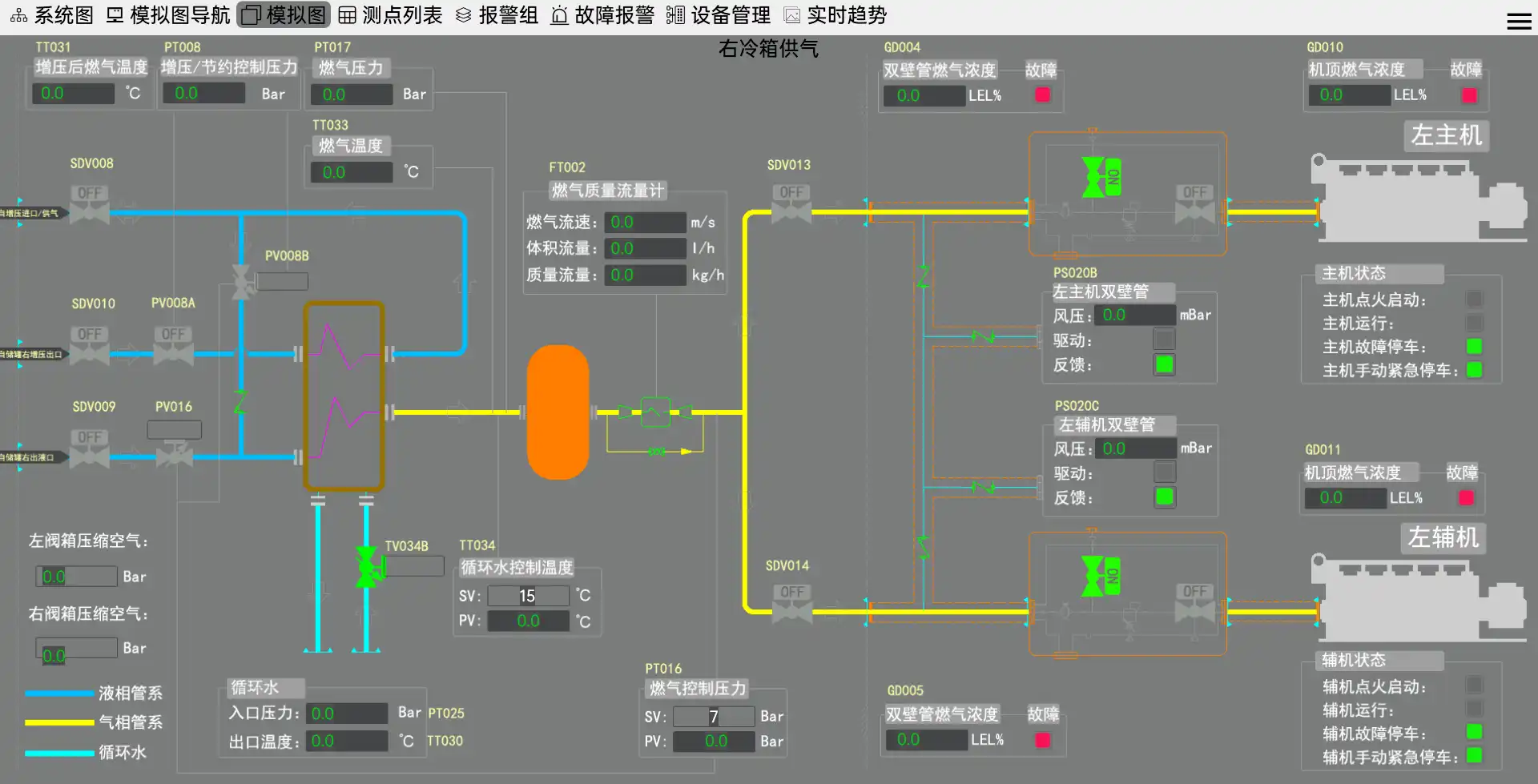
Understanding Marine LNG Fuel Gas Supply Systems
Marine fuel delivery has changed a lot as the business moves toward cleaner options. An LNG Fuel Gas Supply System is the most important link between the cold storage tanks and the main engine. It makes sure that the liquefied natural gas is properly prepared, pumped up, and sent to the engine safely at all times.
Core Functions and Components
These systems handle many complicated tasks at the same time. LNG is kept at a temperature of about -163°C in storage tanks, and pumps and vaporizers change the pressure and temperature to meet the needs of the engine inlet. Control systems keep an eye on flow rates, temps, and pressure levels. If any of these things go out of safe areas, they shut down the system in an emergency. Filtration units get rid of impurities, and heaters heat the gas to the right temperature for burning.
Applications Across Vessel Types
Container ships, bulk carriers, trucks, and car carriers are all starting to use it more and more. Each type of craft has its own power and space requirements. High-pressure systems paired with MAN GI engines help container ships that travel trans-Pacific lines use less fuel and get better methane slip performance. For regional trades, low-pressure configurations paired with Otto-cycle engines are often chosen by bulk carriers and pure car and truck carriers.
Supporting Emission Compliance Goals
Regulatory pressure keeps getting stronger. Because of the IMO Tier III NOx limits and Carbon Intensity Indicator standards, natural gas is a good fuel for the future. When ships use approved LNG Fuel Gas Supply Systems instead of regular marine diesel oil, the levels of sulfur oxides, nitrogen oxides, and particulate matter are lower. This puts owners in a good situation for port state control checks and helps with long-term plans to reduce carbon emissions from the fleet.
Certification Standards and Regulatory Compliance for Marine LNG Systems
Certification is more than just paper work; it's how you lower your risk. Before a ship can go into service, classification groups and flag states need a lot of proof that the system is safe, reliable, and follows international rules.
Key Standards Governing Marine Fuel Systems
All ships that run on gas must follow the IGF Code. The International Maritime Organization's framework sets the rules for design, safety zones, air, fire protection, and what to do in an emergency. DNV, Lloyd's Register, ABS, CCS, and Bureau Veritas are some of the classification societies that use their own rules that are based on the IGF Code. These rules include specific requirements for materials, welding methods, testing protocols, and quality control.
The Certification Process Step-by-Step
The certification process starts during the planning step. Suppliers send the chosen classification society detailed engineering drawings, lists of materials, and calculations. Plan acceptance usually takes three to six months because judges have to make sure that the plan follows all the rules. Once accepted, production starts with the help of an inspector. Inspectors see important steps forward, like checking the source of materials, trying welds without damaging them, testing hydrostatic pressure, and practical trials. Factory acceptance tests imitate real-world conditions to make sure that the control logic, safety interlocks, and emergency shutdown sequences work as they should.
Once everything is set up on the ship, final commissioning tests make sure that the system works with the main engine, any other equipment, and the ship's machinery. Surveyors don't give the ship a certificate allowing it to use gas fuel until the job is done successfully. For this process to work, the shipyard, the company that makes the equipment, the company that makes the engines, and the classification society must all work together. If they are not, delivery dates can slip.
Why Certification Matters for Procurement Managers
Certified systems protect you legally and give you peace of mind about how they work. No matter how well the owners say their uncertified equipment works, it leaves them open to liability, port bans, and insurance claims being denied. When making buying decisions, suppliers with a history of certification and clear quality documentation should be given more weight. For project managers with tight deadlines, suppliers who know how the classification society works can cut down on approval times and help them avoid expensive design changes.
Comparing LNG Fuel Gas Supply Systems with Other Marine Fuel Options
The type of fuel used affects the cost of capital, operating costs, following rules, and planning for the future. The strategic value argument is made clearer when you know how natural gas systems compare to other options.
LNG Versus Conventional Marine Diesel
Marine diesel oil is still the most common fuel, and it doesn't need much equipment on board. However, it can't meet the requirements of IMO Tier III without selective catalytic reduction or methods that clean the waste gasses. Burning natural gas naturally lowers NOx emissions and gets rid of sulfur emissions, so it meets regulations without any extra treatment. Storage density is very different. For the same amount of energy, LNG needs larger tank volumes than diesel. This changes the amount of cargo that can be carried and how the ship is designed. The bunkering infrastructure for gas keeps growing, but it's not as easy to get as diesel, which has a nationwide supply network.
Low-Pressure Versus High-Pressure System Selection
The main engine choice affects how the system pressure is set up. Low-pressure systems work below 16 bar and supply Otto-cycle engines like WinGD X-DF models. These arrangements are less expensive and take up less room, but they let more methane slip thru during burning. Diesel engines like MAN ME-GI units are fed by high-pressure systems that are higher than 300 bar. The higher pressure makes lean-burn burning possible with only a tenth of the methane slip that happens in low-pressure engines. This makes the performance of greenhouse gasses better. TSC and MAN worked together to create high-pressure solutions that were perfect for integrating GI engines, making sure that they would work with each other and meet performance standards.
Methanol and Ammonia as Emerging Alternatives
People are interested in methanol and ammonia as fuels with no carbon emissions. At room temperature and pressure, methanol is easy to work with, which makes tank design easier. Even tho ammonia doesn't contain carbon, it is very dangerous and needs special safety steps. Compared to LNG, which has decades of experience handling cargo in the gas carrier market, neither of these fuels has a bunkering system that is fully developed. Natural gas is the most proven, scalable, and cost-effective way to cut down on pollution for new buildings that will be built soon with LNG Fuel Gas Supply System.
Procurement Guide for Marine LNG Fuel Gas Supply Systems
A good procurement process strikes a balance between technical suitability, supplier reliability, cost competitiveness, and delivery assurance. Project procurement managers have to make tough choices that will affect the operation and resale value of the vessel for a long time.
Evaluating Supplier Credentials and Track Record
When judging a supplier, working references should be given more weight than marketing promises. Ask for written case studies that show systems in use, along with the names of the ships, the times of arrival, and approvals from the classification society. TSC's low-pressure systems have been used on commercial ships for more than a year, showing that they work well and that the design is mature. Suppliers who haven't been in business for a while bring in new technology risks that can put project plans and budgets at risk.
Check how good the supplier is at engineering. Can they make answers that are specific to the shape of a vessel or the way an engine connects to it? TSC puts equipment and pipes in C-type tank cold boxes and delivers small, fully-equipped installations that are easy for shipyards to integrate and speed up the building process. If a supplier only has standard parts, the design may have to be changed in ways that hurt performance or safety.
Understanding System Configurations and Options
Projects must list the pressure needs that are in line with the choice of main engine. For MAN GI engines that need fuel delivery above 300 bar, high-pressure designs work best. These layouts use pump-vaporizer units to reach goal pressures while reducing methane slip. Low-pressure systems work with Otto-cycle engines and can usually send gas below 16 bar by using easier ways to heat and vaporize it.
The abilities to manage boil-off gas should be carefully looked at. Systems that work well use gas combustion units and extra heaters to use tank drainage, which cuts down on waste and keeps tank pressure within safe limits. When compared to getting parts from different sources, integrated solutions cut down on the number of interfaces and possible failure spots. TSC offers complete solutions for fuel supply systems for methanol, LNG, ammonia, and LPG, as well as systems for moving goods. This variety makes it possible for engineering standards to be the same for all types of fuel and vessel classes, approvals to be faster, and lifecycle support to be unified.
Navigating Delivery Timelines and Project Milestones
Newbuilding projects have key paths where the arrival of the fuel system affects the schedules for cutting steel, putting together modules, and sea trials. Set clear times for important steps in the contract negotiation process, such as the design freeze, the plan approval application, the factory acceptance test, the delivery to the shipyard, and the support for commissioning. The penalties for being late should be as high as the price of port problems and the risks that come with charter contracts.
If a supplier has modular designs that have already been approved, approval processes can be shortened. TSC's partnership with the Norwegian design company WTC combines knowledge of the local market with established relationships with classification societies. This speeds up the acceptance of plans and cuts down on the number of technical questions that often cause delays.
Quality Control and Documentation Requirements
Demand thorough, high-quality paperwork that meets the standards of the classification society. This includes certificates for materials, qualifications for welding procedures, reports on non-destructive testing, records of pressure tests, and functional test protocols. TSC has CCS approval for double-layer LNG tanks made of stainless steel, which shows that they meet strict standards for materials and construction for LNG Fuel Gas Supply System.
Set up places for people to watch important parts of the manufacturing process. Buying teams and outside inspectors can check the quality of the work at factories, make sure that testing procedures are followed correctly, and gain faith in the supplier's abilities. Transparent quality processes set reputable makers apart from newcomers who are just looking to make money without having mature quality systems.
Maintenance and Safety Best Practices for LNG Fuel Gas Supply Systems
Reliability of operations and crew safety depend on strict maintenance rules and thorough training. Systems that work with high-pressure cryogenic fluids need to be treated with respect and follow strict rules.
Establishing Preventive Maintenance Schedules
The manufacturer and the classification society should both say how often routine inspections should be done. To keep working properly, important parts like cryogenic pumps, pressure control valves, emergency stop systems, and gas sensing monitors need to be serviced on a regular basis. Over time, seal quality in cryogenic settings decreases; replacing them before they break down costs a lot and is best avoided when possible. To meet the needs of port state control and flag state audits, keep detailed maintenance logs that record inspections, part replacements, and performance trends.
Safety Training and Emergency Preparedness
Crew competency is non-negotiable. Training programs must cover gas properties, hazard recognition, bunkering procedures, system operation, and emergency response. Simulation drills prepare people for situations including gas leaks, fire, overpressure events, and system breakdowns. Doing drills on a regular basis helps people remember how to do things and finds knowledge or equipment gaps.
In the first line of defense are systems that look for gas. Sensors in machinery areas, fuel preparation rooms, and tank areas that are properly set can detect spills early on. Automated air and emergency shutdown systems act faster than people can, cutting off fuel sources and stopping the situation from getting worse.
Leveraging Manufacturer Support Services
Lifecycle help goes beyond the time of the guarantee. Establish service agreements covering remote technical assistance, spare parts supply, software updates, and periodic system audits. TSC offers full lifecycle support, from planning and designing to putting the system in place and starting it up to running it continuously. This consistency makes sure that technical information is still available even when crew members change and the ship's activities change.
Companies that have global service networks can respond more quickly and get extra parts to people in need in their own countries. Getting technical help right away is important for keeping the schedule and avoiding losing money during busy times like regulatory inspections, charter commitments, or seasonal highs.
Real-World Performance Validation
Operational case studies show that a system is reliable in a real way. TSC's low-pressure systems have been working reliably on commercial ships for more than a year, proving that the designs are strong in real-life situations. This past of operations lowers the technical risk for future projects and gives classification societies, factories, and owners more faith in the project.
Continuous improvement is based on performance data from vessels that are in use. Measurements of fuel consumption, boil-off rates, repair intervals, and problem logs help improve the next generation of systems, so buyers get to benefit from years of practical experience instead of being beta users for new technology.
Conclusion
Getting a marine fuel system that works well starts with making sure it is certified and follows the rules. Understanding the needs of the classification society, comparing system setups, and choosing experienced sellers are all ways to lower risk and keep project deadlines. Because TSC has a history of working with LNG Fuel Gas Supply System low-pressure systems, combined C-type tank solutions, and a strategic relationship with MAN for high-pressure configurations, we are a trusted partner for newbuilds that use both fuels. Long-term dependability and safety are ensured by strict repair procedures and thorough team training. As rules on emissions get stricter and infrastructure for LNG bunkering grows, investing early in approved fuel systems gives your fleet a competitive edge and protects it for the future.
FAQ
1.What is the difference between low-pressure and high-pressure systems?
Low-pressure systems send gas below 16 bar, which works for Otto-cycle engines and has easier infrastructure and lower start-up costs. Diesel-cycle engines like the MAN GI need high-pressure systems that are higher than 300 bar. These systems offer much less methane slip and better fuel economy. The choice of system depends on the main engine and the emission goals.
2.How long does certification approval take?
Plan approval from classification societies usually takes three to six months, but this depends on how complicated the system is and how much documentation is available. This timeline can be sped up by experienced sellers who already have plans that have been approved. Several months are added to the delivery time for manufacturing oversight and factory acceptance testing.
3.Can systems be customized for specific vessel layouts?
Reliable makers offer custom designs that take into account space limitations, weight distribution, and interface needs. TSC builds equipment into tank cold boxes, which makes better use of space and makes installation in shipyards easier. Standard modules might need design changes that lower safety or performance margins.
4.What maintenance intervals apply?
Maintenance plans are based on rules set by the classification society and suggestions made by the maker. From every six months to several years, important parts like cryogenic pumps and safety valves need to be inspected and serviced. Audits and dependability are both supported by detailed repair logs.
5.How is boil-off gas managed?
Systems use gas burning units and extra heaters to use evaporation from tanks. These units burn extra gas when the main engines can't use the boil-off. This keeps the tanks from overpressurizing and wastes energy. Some more modern systems can re-liquefy gas, which means they can return it to the tank as a liquid.
Ready to Advance Your Dual-Fuel Vessel Project?
CM Energy brings together decades of experience in marine engineering with the newest technology in fuel systems. As a seller of LNG Fuel Gas Supply Systems, we offer certified options for both low-pressure and high-pressure setups that are made to fit MAN GI, WinGD, and other popular engine systems. Our small C-type tank connection makes fitting easier and saves space in the engine room. We help factories and owners meet tight delivery dates and stay in line with regulations by providing operating references, classification society approvals, and full lifecycle support. Email our technical team at info.cn@cm-energy.com to talk about the specifics of your project, get detailed engineering documents, or set up a visit to the factory. You can look at all of our marine energy options at cm-energy.com.
References
1. International Maritime Organization. (2021). International Code of Safety for Ships Using Gases or Other Low-flashpoint Fuels (IGF Code). IMO Publishing.
2. DNV GL. (2020). Rules for Classification of Ships: Part 6 Chapter 2 - Dual Fuel Installations. DNV GL Maritime.
3. American Bureau of Shipping. (2019). Guide for Propulsion Systems for LNG Fueled Ships. ABS Technical Publications.
4. Lloyd's Register. (2022). LNG Bunkering: Technical and Operational Advisory. Lloyd's Register Marine.
5. Society of Naval Architects and Marine Engineers. (2021). Design and Operation of LNG Fuel Gas Supply Systems. SNAME Maritime Convention Proceedings.
6. International Gas Union. (2020). LNG as Marine Fuel: Safety, Technology and Training. IGU World LNG Report.