Why Methanol Fuel Provisioning System Matters in 2026
The maritime industry stands at a crossroads. As decarbonization mandates tighten globally and shipowners search for viable alternatives to traditional heavy fuel oil, methanol has emerged as a frontrunner among marine fuels. A Methanol Fuel Provisioning System represents the critical infrastructure enabling this transition—delivering safe, efficient, and compliant methanol supply to dual-fuel engines aboard container vessels, tankers, and bulk carriers. By 2026, these these systems will be indispensable for shipowners committed to meeting International Maritime Organization emissions targets while maintaining operational flexibility and commercial competitiveness in an evolving regulatory landscape.
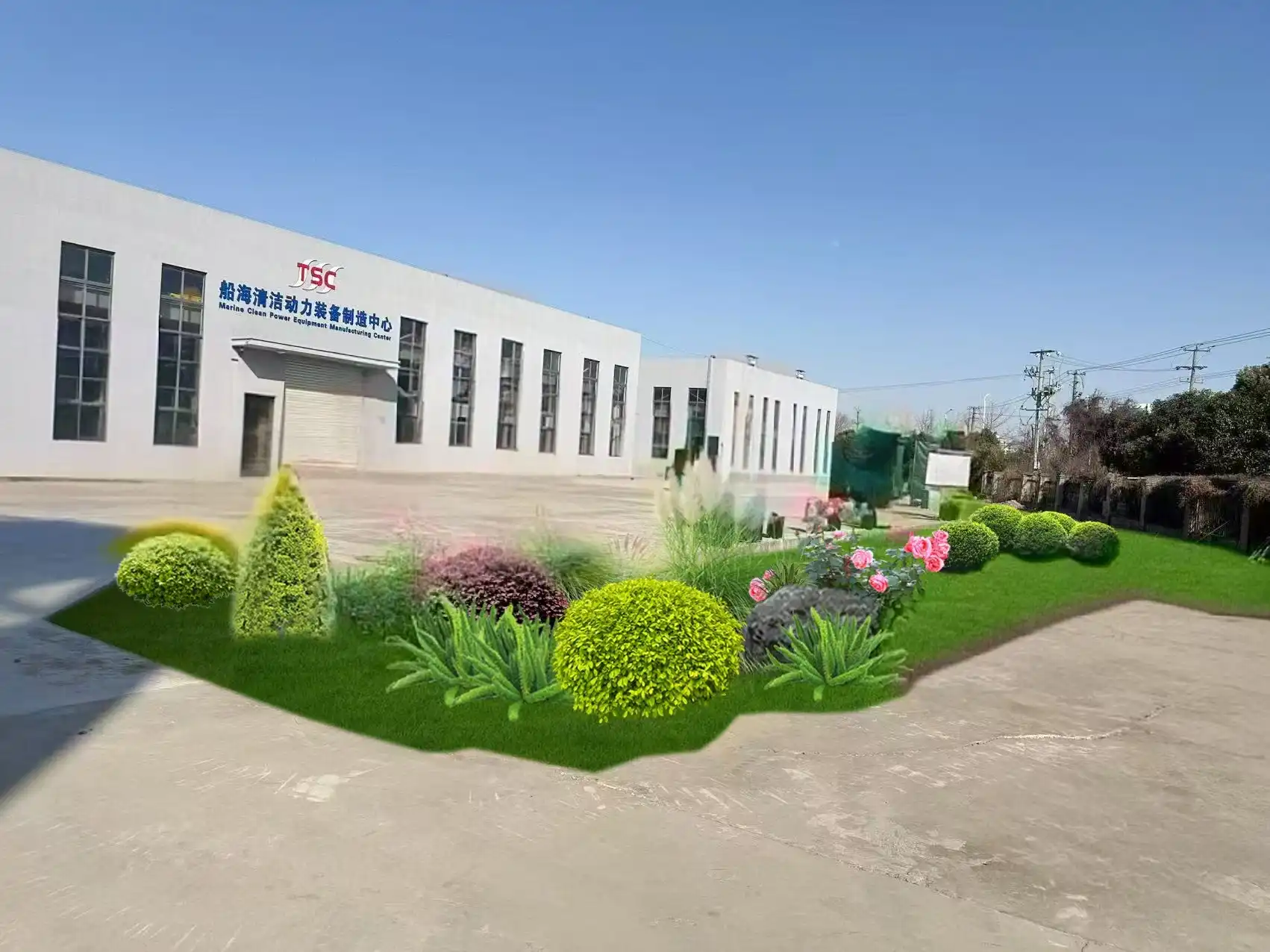
Understanding Methanol Fuel Provisioning Systems in 2026
Methanol Fuel Provisioning Systems have changed from trial setups to developed technology that has been tested in the real world. These all-in-one solutions take care of the whole fuel path, from loading and storing to conditioning and sending to the main engine. Knowing what makes up a current system helps expert decision-makers figure out what a supplier can do and whether a project is possible.
Core Components and System Architecture
A full Methanol Fuel Provisioning System usually has four subsystems that are all connected to each other. The filling and transfer system moves methanol from facilities on land or supply ships to storage tanks on board while following strict safety rules. The supply unit makes sure that the fuel meets exact requirements by changing the pressure, temperature, and flow rate to match what the engine manufacturer wants at different loads. Supporting systems do things like blanketing with inert gas, ventilation, and finding leaks. The control and safety system runs everything by automating tasks and having emergency shutdown logic.
This adaptable design lets you set up things in a variety of ways. Shipowners can buy single Methanol Fuel Provisioning System units that can be connected to their current systems, or they can choose full system packages that make installation and start-up easier. Our TSC-branded systems can be provided as stand-alone units or as fully combined solutions that are suited to specific vessel classes and operational profiles. This is exemplified by CM Energy's method.
Safety Features Addressing Methanol's Unique Properties
Different problems arise when dealing methanol compared to other naval fuels. Because it is poisonous, corrosive, and has a low temperature, it needs special engineering solutions. Continuous annular space monitoring in double-walled pipes finds possible leaks before they become dangerous. The choice of materials is based on stainless steel alloys that can handle the chemical properties of methanol. Gaskets and seals are made of EPDM or PTFE compounds that stay strong over a long period of time.
Ventilation systems keep methanol vapor from building up in machinery areas, and nitrogen purging routines make sure that repair workers can get to the area safely. These safety features aren't just required by law; they're basic design choices that make the difference between systems that work and ones that don't. When purchasing goods, teams should give more weight to companies that have a lot of experience with chemical trucks and handling low-flashpoint fuel. This is because having this kind of experience directly affects the safety of the crew and the dependability of the system.
Environmental and Operational Advantages
When methanol is burned, it doesn't produce nearly as much sulfur oxides or nitrogen oxides as heavy fuel oil does. This makes it easier for ships to follow current and future emission control area rules. Because the fuel is liquid at room temperature, it doesn't need to be stored in a cold environment, which makes bunkering facilities easier and lowers the cost of capital.
Methanol lets dual-fuel engines switch between fuels based on supply and cost, which gives companies more options as their bunkering networks grow. More and more green methanol is becoming available. This fuel is made from clean electricity and carbon capture. It provides a way to reach true carbon neutrality, which is in line with companies' sustainability goals and makes forward-thinking shipowners the leaders in environmental responsibility in their field.
Why Choose Methanol Fuel Provisioning Systems over Conventional Fuels
There needs to be a strong reason for investing in infrastructure for alternative fuels. Methanol Fuel Provisioning Systems have real benefits in many areas that are important to shipowners, technical managers, and financial interests.
Performance Metrics and System Longevity
Modern Methanol Fuel Provisioning System units keep exact fuel delivery parameters throughout the operating area, from starting the engine to running at full load and then shutting down. This responsiveness makes sure that the combustion process works as efficiently as possible and keeps expensive main engines from getting damaged by fuel. Compared to high-pressure gas systems, Methanol Fuel Provisioning Systems have a simpler structure. This means that there are fewer mechanical parts that can wear out, and the tank will need less upkeep over its lifetime.
CM Energy has provided nineteen systems for clean fuel uses, which shows that they are reliable in real marine settings. Our TSC systems have been used on a wide range of vessels for a number of hours, which has proven the correctness of our design decisions and gained the trust of classification societies and engine manufacturers. This past of success lowers the technical risk for future adopters and speeds up the approval process with regulatory bodies.
Total Cost of Ownership Analysis
Even tho the initial cost of building infrastructure for Methanol Fuel Provisioning Systems is higher than for conventional fuel systems, the total cost equation includes many factors that favor methanol. Less fuel treatment is needed, so less auxiliary power is used. Less complicated repair processes mean less work for the crew and less need for spare parts. Following the rules about emissions without using systems to clean the waste gas gets rid of the costs of buying and running these systems.
The price difference between methanol and marine gas oil changes depending on the market and the amount of methanol that can be made. However, the economics of methanol are expected to get better as production increases and carbon pricing systems get better. Shipowners who invest in methanol shipping today get first-mover advantages when it comes to getting good fuel supply contracts and charterers' tastes for environmentally friendly ships.
Regulatory Compliance and Certification
There are several rules that Methanol Fuel Provisioning Systems need to follow. These include the IGF Code, which governs low-flashpoint fuels, the SOLAS standards for chemical handling, and classification society rules that are specific to alternative fuels. To get around this legal maze, suppliers need to have established relationships with certifying officials and clear procedures for getting permission.
Our methods are certified by DNV, which means they meet the strictest technical standards. Shipowners, financiers, and insurers can be sure that installations meet international safety standards thanks to this third-party validation. Getting certified also makes useful records that can be used to support flag state licenses and port state checks for as long as the ship is in business.
How to Select the Best Methanol Fuel Provisioning System for Your Business
Choosing to buy alternative fuel systems has effects that last for a long time. A structured review method helps find sellers who can provide reliable solutions that meet specific Methanol Fuel Provisioning System business needs.
Defining Your Technical Requirements
Before choosing a system, you should know how much fuel your boat uses and what the main engine's specs are. Engine makers give specific requirements for the fuel supply system, such as pressure ranges, temperature windows, flow rates, and cleanliness standards. To set the procurement baseline, these needs are compared to the amount of deck space that is available, the weight that can be carried, and the points where new systems can be connected to existing ones on the ship.
The type of ship makes a big difference. Tankers that carry different amounts of cargo must be designed differently than container ships that travel set lines and use fuel in predictable ways. Shipowners should involve providers early on in the planning process so that they can use their experience with similar types of vessels to help them set up systems in the best way possible and avoid having to make expensive changes during build or retrofit.
Evaluating Supplier Capabilities and Support
Supplier evaluation should consider technical expertise, organizational capability, and experience with dual-fuel vessels, gas carriers, and chemical tankers. CM Energy provides integrated services covering engineering, manufacturing, installation, and commissioning, while collaborating with major engine manufacturers. This experience supports reliable fuel-system integration and alignment with shipbuilding schedules.
Modular Design and Customization Options
System design that is flexible lets it be optimized for different vessel shapes and ways of working. Skid-mounted designs make installation easier in crowded machinery rooms, and modular layouts let you apply in stages or add more space in the future. Some shipowners like packed systems that include all parts, from bunkering to supply; others prefer separate supply units that work with storage and transfer equipment that they have hired separately.
Sophisticated suppliers are different from commodity providers because they can customize solutions. Our method focuses on learning about the shipowner's overall fuel strategy, such as whether they want to use methanol as their main fuel or keep the ability to use multiple fuels, such as LNG and possible future ammonia options. This long-term view guides choices about system design that keep future flexibility while making the most of current setups.
Maintenance, Safety, and Compliance: Ensuring Optimal System Performance
To keep a Methanol Fuel Provisioning System running reliably for a long time, it needs regular upkeep and strict obedience to safety rules. Along with technical specs and starting prices, these operational factors should also play a role in procurement choices.
Establishing Maintenance Protocols
Methanol Fuel Provisioning Systems need to be inspected regularly to find leaks, make sure valves work, check pump performance, and make sure instruments are calibrated. Schedules for preventive maintenance should match the needs of a classification society study and the suggestions of the maker. Redundancy is needed for critical parts like dual pump setups, backup instrumentation, and emergency fuel supply lines. This way, the system can keep running even if a part fails.
Familiarization of the crew is an important part of maintenance that is often overlooked during procurement. The people who work in the engine room need to know how methanol works, spot possible dangers, and be sure they can follow emergency measures. Beyond just delivering hardware, suppliers who offer full training programs and operational documentation add a lot of value.
Safety Management Systems
Because methanol is poisonous, it needs strict safety management that fits in with the ship's overall safety culture. Personal protective equipment for bunkering work, gas detection systems in all machinery areas, and emergency response plans for methanol exposure are all important parts of the safety infrastructure. The automation logic for the fuel system should include several layers of safety: leak detection should set off isolation valves, vapor concentration monitors should start ventilation, and emergency shutdown systems should be able to handle fires or machinery damage.
To keep these safety systems ready, they need to be tested and crew drills must be done on a regular basis. Suppliers that support ongoing safety management, such as by allowing remote monitoring, regular system audits, and reviews of safety performance, help shipowners keep the highest operational standards and show regulators and insurers that they have done their due diligence.
Compliance with Evolving Standards
As more operations are done and technologies get better, the rules that guide alternative naval fuels are still being worked out. When placed in 2026, Methanol Fuel Provisioning Systems must take into account how regulations will change in the future while still passing current standards. Regulatory resilience is improved by leaving room for error in safety systems, using good documentation to back up regulatory submissions, and getting suppliers involved with the groups that make standards.
By talking to classification societies and being a part of industry working groups, we make sure that our systems keep up with new best practices and laws as they change. This proactive method saves shipowner investments and keeps them from having to pay a lot of money to fix problems that were found with regulations after the ship was already in place.
Future Trends and Innovations in Methanol Fuel Provisioning Systems
The world of naval fuels is changing very quickly. Understanding new trends helps procurement leaders figure out how innovative a supplier is and find Methanol Fuel Provisioning Systems that will be useful in the long run.
Advanced Monitoring and Digitalization
The newest Methanol Fuel Provisioning Systems have advanced sensor networks and data tools that let you see how they're working in real time. Predictive maintenance algorithms find problems before they get in the way of operations, and performance optimization routines change system parameters to get the most out of them in all kinds of operational situations. With remote monitoring, technical support can be provided from shore, which cuts down on the need for specialized knowledge on board vessels and speeds up the troubleshooting process.
Digital integration goes beyond individual systems and includes energy management tools that work across the whole vessel to make sure that fuel supply is coordinated with power output, propulsion needs, and auxiliary users. This all-around method makes the whole ship more efficient and gives information that can be used for compliance reporting and analyzing voyage success.
Green Methanol Integration and Fuel Traceability
The switch from methanol made from fossil fuels to renewable green methanol, which is made from collected carbon and renewable hydrogen, will speed up thru 2026 and beyond. Both types of fuel can be used in the same Methanol Fuel Provisioning System because their basic qualities are the same. But the business and government rules that make green methanol different add new needs for fuel tracking, certification of sustainability, and carbon accounting.
Forward-thinking suppliers build the skills to meet these new needs, like integrating fuel origin documentation with supply systems and making it possible for sustainability reporting to be done automatically. As rules on carbon intensity get stricter and green premium markets grow, these skills will go from being competitive benefits to being necessary for running the business.
Multi-Fuel Platform Strategies
Even tho methanol is a proven replacement fuel that can be used today, the marine industry still doesn't know what the best fuel mix will be. A lot of money is being put into developing ammonia, hydrogen, and advanced biofuels. The best fuel for a vessel may depend on its type, the trade route it takes, and the time of year. System designs that can handle more than one fuel route give shipowners strategic freedom, which lets them change with the times as laws and markets change.
CM Energy has a wide range of fuel systems for LNG, methanol, and ammonia, so we can help shipowners no matter how their fuel strategy changes. All of our TSC systems are built with the same safety and design principles, so they can work with a variety of fuels. This makes engineering easier and keeps things running smoothly. This ability to use more than one fuel is a significant advantage as the industry deals with the uncertainties of the energy shift.
Conclusion
Methanol Fuel Provisioning Systems have grown from cutting edge setups to solutions that can be sold and help the marine industry meet its carbon reduction goals. As 2026 draws near, shipowners are under more and more pressure to switch to alternative fuels. Methanol strikes a good mix between being good for the environment, being useful in operations, and being easy to build. For implementation to go well, suppliers must be carefully chosen, with a focus on technical competence, full support, and proven experience with safety-critical systems in marine environments. The decision to buy goes beyond the immediate needs of the project and includes long-term operational reliability, regulatory compliance, and strategic flexibility as the marine fuel market continues to change. When shipowners engage in methanol infrastructure now, they become leaders in their business and make a real difference in meeting global goals to reduce emissions.
FAQ
1.What makes Methanol Fuel Provisioning Systems different from other types of naval fuel systems?
Methanol Fuel Provisioning Systems use special materials that can't be damaged by methanol's corrosive properties and extra safety features that deal with the fuel's low flashpoint and toxicity. Heavy fuel oil systems don't have normal features like double-walled pipes, nitrogen blanketing, constant leak detection, or specialized ventilation. The delivery unit also has to make sure that the fuel is precisely conditioned within smaller parameter gaps than normal fuels need.
2.How do classification societies go about approving methanol systems?
Classification groups look at methanol installations using the IGF Code framework for low-flashpoint fuels along with SOLAS conventions' chemical cargo handling standards. The approval process looks at the design of the system, the safety analysis, the certification of the materials, and the operational procedures. Established suppliers with a history of approvals and ongoing relationships with classification societies make the certification process faster and lower the risk of project delays.
3.What affects the price of a methanol fuel system?
Costs of systems depend on how much fuel they can use, how hard they are to integrate, how much customization is needed, and how broad the approval is. It makes sense that systems for smaller locations cost less than systems for larger engines. Because of problems with merging and the need to change the vessel, retrofit projects usually cost more than newbuild setups. Full total packages that include installation help and training services cost more than just supplying the equipment, but they lower the overall project risk and make it easier to coordinate.
Partner with CM Energy for Advanced Methanol Fuel Solutions
To make the switch to alternative marine fuels, you need a provider that can provide both excellent technical help and full project management. Thru our TSC brand, CM Energy offers tried-and-true Methanol Fuel Provisioning Systems. These systems are backed by a lot of knowledge in naval energy and a history of 19 clean fuel installs. Our systems meet the strict needs of companies that make dual-fuel engines and are also safe enough to meet foreign standards that have been approved by DNV and other major classification societies. Whether you're planning a green shipping program, specifying a newbuild container vessel, or planning a tanker retrofit, our engineering team can help you find the best solutions for your needs. Technical leaders, project managers, and people who work in procurement are welcome to get in touch with our experts to talk about your unique needs. Get in touch with us at info.cn@cm-energy.com to find out how CM Energy can help with your methanol fuel system project. As a top maker of Methanol Fuel Provisioning Systems, we're dedicated to promoting environmentally friendly marine transportation by creating safe and dependable engineering solutions.
References
1. International Maritime Organization. "IGF Code: International Code of Safety for Ships Using Gases or Other Low-flashpoint Fuels." IMO Publishing, 2023.
2. Verhelst, S., Turner, J.W., Sileghem, L., and Vancoillie, J. "Methanol as a Fuel for Internal Combustion Engines." Progress in Energy and Combustion Science, Vol. 70, 2019.
3. DNV GL. "Alternative Fuels for Shipping: Technical and Operational Handbook." Det Norske Veritas, 2024.
4. Hansson, J., Brynolf, S., Fridell, E., and Lehtveer, M. "The Potential Role of Ammonia as Marine Fuel—Based on Energy Systems Modeling and Multi-Criteria Decision Analysis." Sustainability Journal, Vol. 12, 2020.
5. Ash, N. and Scarbrough, T. "Sailing on Solar: Could Green Ammonia Decarbonise International Shipping?" Environmental Defense Fund Marine Transportation Report, 2025.
6. Lloyd's Register and UMAS. "Zero-Emission Vessels: Transition Pathways—Marine Fuel Systems Design and Safety Analysis." Lloyd's Register Technical Publications, 2024.