WindWings® vs Rotor Sails in Marine Propulsion
When evaluating wind-assisted propulsion technologies, shipowners face a pivotal choice: rigid wing sails or spinning rotor systems. WindWings® emerge as the superior solution, combining patented three-element rigid sail technology with adaptive aerodynamics that deliver verified fuel savings up to 30% on optimized routes. Developed through a partnership with BAR Technologies and certified by DNV, BV, and Lloyd's Register, this system generates over 2.5 times the lift of conventional single-wing designs while maintaining operational simplicity comparable to deck crane handling—making it the pragmatic choice for bulk carriers, tankers, and commercial fleets prioritising rapid ROI and CII compliance.
Understanding Wind Propulsion Technologies for Modern Shipping
At a point where economic stresses and environmental rules demand quick action, the maritime industry is at a crossroads. Many ship owners spend almost half of their operating costs on fuel, and the International Maritime Organisation's (IMO) Carbon Intensity Indicator (CII) rules punish ships that don't meet the standards. Wind-assisted ship propulsion (WASP) methods use clean energy to lower the load on the main engine, which solves both problems at the same time.
How Rigid Wing Systems Function
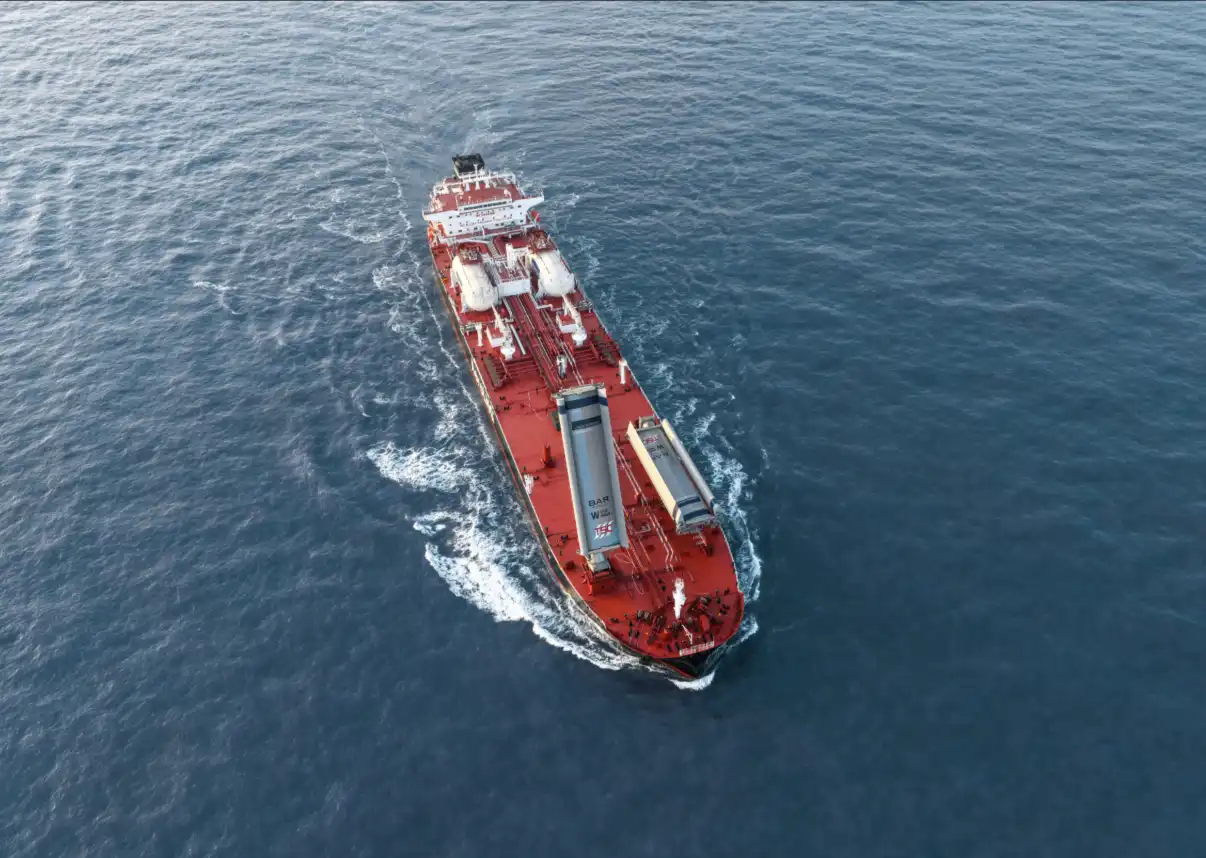
Like aeroplane wings, stiff wing sails move forward by regulating airflow over rigid surfaces. WindWings®' three-element design includes slope and angle-of-attack adjustability for optimal aerodynamic performance in various wind conditions. Crews must manually adjust traditional cloth sails. However, these technologies automatically adjust the wings' form depending on real-time weather data and ship direction. The device converts wind energy into calculated propulsion, balancing fuel needs without the crew knowing how to sail. Wolfson Unit and Lloyd's Register fluid dynamics testing supports these performance claims. This enables procurement teams to have third-party-checked facts instead of manufacturer projections.
Rotor Sail Technology Overview
Rotor sails exploit the Magnus effect, which occurs when spinning spheres in moving air exert perpendicular push pressures. These vertical cylinders spin constantly due to electric motors, creating pressure differences that propel boats. Rotor systems require continual electrical power to turn, while being easier than stiff wings. Before thrust is created, fuel energy must be converted to mechanical spinning. Operators have additional alternatives during port visits since the cylinders cease rotating. Their consistent vertical profile hinders port clearances and commodities flow.
Operational Considerations Across Vessel Types
Newcastlemax bulk ships, LR2 tankers, and chemical tankers have varied build and performance requirements. Technology choice depends on deck space, commodities handling equipment disturbance, and ship stability. CM Energy's rigid wing systems fold flat against the deck, eliminating air drafts during bridge transits and allowing cargo cranes to operate. Ships that call at height-restricted ports or require complete deck access for loading benefit from this capacity to lie down. Coastal vessel owners and ferry operators may profit from automated technologies that need little crew training. More newbuild shipyards are requiring integrated wind propulsion at basic design to improve structural fit and save fuel from the start.
Comparative Performance Analysis: WindWings® vs Rotor Sails
Decisions about what to buy are based on measurable success data, not on guesses or theories. Validation in the real world tells the difference between trustworthy solutions and speculative technologies. This is why detailed case studies are so important for making smart business choices.
Fuel Savings and Emissions Reduction
WindWings® technology has been shown to save bulk ships 1.6 tonnes of fuel per day, per wing, when they travel on global trade lines. At today's oil prices, a ship with multiple wings can save more than a few hundred thousand dollars a year on fuel costs, and each wing installation can save more than five tons of CO2 every day. These numbers come from real ship operations, not controlled training settings. They give fleet operators a good idea of what to expect. DNV verification supports these efficiency metrics by checking how much fuel was used on board before and after installation. The three-element rigid wing design produces much higher lift coefficients than single-element options. This means that wind energy can be turned into power more efficiently in a range of sea conditions and wind angles.
Rotor sail systems may save a little or a lot of fuel, depending on the journey and usage. Net efficiency benefits are reduced by the demand for energy to spin the cylinders, which negates gross fuel savings. Because the power required to keep the spin running is near to the thrust value, performance reduces dramatically without wind. Fuel savings are more variable for ships sailing windy routes than rigid wing systems.
Installation Complexity and Retrofit Feasibility
Installing wind propulsion technologies in fleets is a large market prospect; thus, installation complexity is vital when purchasing. In order to manage thrust and moment forces, WindWings® installations require structural deck support. Its flexibility makes it simpler to integrate into ship systems. Full compatibility research, factory acceptance testing, and onboard installation assistance from CM Energy's TSC brand reduce project risk and vessel downtime. Dock personnel are conversant with maritime industry standards for electrical and hydraulic system integration, which speeds installation. The technology has worked on many ships without issues. This indicates mature engineering and proven installation processes.
Ship owners worry about hatch cover operation; however, installing between bulk carrier cargo holds makes it simpler. Because the wings may move individually, they can be configured asymmetrically to match deck equipment. Newbuild integration increases optimisation possibilities when structural reinforcement is incorporated during construction.
Maintenance Requirements and Lifecycle Costs
Besides the initial capital cost, long-term operational expenses include periodic maintenance, unforeseen repairs, and part replacement. WindWings®, made of ship-grade steel and industrial materials, endure 25 years without significant component maintenance. Marine-grade hydraulics and control systems based on proven deck crane technology allow maintenance teams to utilise their existing methods without learning new ones. Maintenance is like deck equipment cleaning, and CM Energy's global support network provides long-term programs. The computerised control system monitors each component, giving maintenance warnings before they fail and allowing scheduled repairs during port visits.
Because components spin constantly, stable mechanical motion systems wear out faster. Composite wing surfaces don't rust in hostile maritime environments, preserving aerodynamic performance. Moving wings between ships saves money and allows fleet owners to shift systems when selling ships or reorganising.
Noise and Vibration Impact
Crew comfort and protecting marine ecosystems are becoming more and more important factors in deciding what technologies to use. WindWings® rigid wing systems are quiet when they're working properly because the wings don't rotate mechanically—they just stay still while making lift. When the angle is adjusted infrequently, like when a deck crane is working, the automatic control system makes very little noise. This quiet operation keeps the crew from complaining and makes sure that new rules about underwater noise pollution that affects marine mammals are followed.
Motors and bearings in spinning rotor systems make noise all the time while they are running. This steady background noise isn't too loud, but it is a fact of operation no matter the sea conditions as long as the machine is on.
Market Positioning and Brand Trust: Choosing WindWings® Technology
When choosing a technology, it's not just about how well it works; the long-term success of a relationship depends on the company's image, approval standards, and support infrastructure.
Global Certification Standards and Regulatory Compliance
Type approval from many classification bodies simplifies ship registration in several flag states and trading sectors. Ships with certified wind propulsion systems don't need port inspections and may maintain their insurance. The technique assists with CII compliance by reducing CO2 emissions per unit of container capacity, boosting ship ratings, and preventing IMO fines. Emission reductions support firms' environmental pledges with verifiable data for ESG reporting. Less fuel consumption lowers EU ETS prices, giving consumers additional economic reasons to conserve money rather than gasoline.
Comprehensive Service Network and Support Infrastructure
CM Energy's dealer and service network spans most oceans. This ensures competent assistance regardless of ship trade. Installation services include a comprehensive compatibility study that identifies connection issues before the project is committed to, reducing implementation risk. To ensure functionality, the system is factory acceptance tested before shipping. Onboard installers verify compatibility with ship systems. Crew training programs educate workers on how to conduct their tasks and handle routine repairs after installation. IoT tracking characteristics enable online diagnostics, so technical teams on shore may test the system and repair issues without sending experts to the ship. Warranty programs and maintenance packages forecast lifecycle expenses, aiding purchase planning and financial modelling.
Decision-Making Framework: Selecting the Right Technology
For strategic procurement to work, rival technologies must be carefully weighed against specific practical needs and budgetary limits.
Performance Metrics That Matter
Verified saved data should be the major selection criteria since fuel reduction affects company profitability. Cost savings depend on route characteristics. Ships with stable trade winds save more than those with changing breezes. Weather planning software for wind-assisted boats optimises routes to balance wind benefit and distance. Thrust generation versus system weight affects net gain. Better lift-to-weight ratios improve performance. Automatic optimisation systems that adjust wing form without crew input maximise energy collection in all scenarios. Maintaining speed across wind angles creates push on crosswind and close-hauled courses as well as downwind.
Vessel-Specific Considerations
Bulk ships benefit from wind propulsion because they can carry a lot of cargo, travel slowly, and follow trade routes. Newcastlemax and Kamsarmax ships have ample deck space between hatch covers, making them ideal bases. Chemical truck components and supplies must not explode or ignite in hazardous places. Correctly developing and validating the system meets these requirements. Long-haul LR2 oil trucks save fuel, speeding up return on investment. Ferry/coastal vessel owners value fast payback times under five years. Optimising routes and following schedules helps accomplish this. Because Ro-Ro boats must be properly fitted to avoid blocking truck loading, they must be foldable.
Financial Analysis and ROI Projections
Wind propulsion system installation costs vary by craft size, construction difficulty, and power capacity. Bunker fuel costs affect ROI. Sensitivity analysis examines pricing ranges to adjust for this. As regulatory costs climb, carbon pricing regimes like the EU ETS and hypothetical gasoline taxes benefit the economy. Less main engine time reduces operating expenses in several ways. It saves money on gasoline and lasts longer, reducing engine repairs and maintenance. Environmentally friendly boats sell for more on alternate markets, which affects the overall cost of ownership. Green shipping finance and sustainable loans may reduce upfront costs and boost the project's economics. Environmentally conscientious cargo owners may raise charter rates, adding to cost savings.
Regulatory Environment and Future-Proofing
IMO rules are getting stricter over time. By 2030, the Energy Efficiency Existing Ship Index (EEXI) and CII standards will be even stricter. As rules change, ships that don't have tools that reduce pollution will have trouble operating and making money. Wind power systems help with compliance right away and can also be expanded to meet future needs without the need for more repairs. Flag state acceptance and port state control identification make sure that ships with approved systems don't run into problems with the law when they trade internationally. Classification society rules for wind power sites are still getting better, and new standards are making approval times shorter and engineering decisions less unclear. Investing in tested and approved technologies guards against the risk of failure compared to solutions that are just ideas and haven't been used before.
Practical Procurement Guide: Acquiring WindWings® Systems
Understanding acquisition channels, customisation choices, and application processes is needed to turn academic review into real procurement.
Authorised Acquisition Channels
CM Energy is the main supplier for WindWings® technology. They have direct purchasing relationships with manufacturers, so they don't have to pay markups for going through middlemen. This means that the goods they sell are real and come with full warranties. Regional wholesalers help customers in important marine markets by providing regional support and making it easier to communicate across time zones and language barriers. Shipyard relationships make it possible for designers of new ships, yard engineers, and system makers to work together on integrated sourcing during new build projects. Retrofit experts look at how the current vessels are set up, make custom installation plans, and oversee the whole job, from engineering to finishing. To make sure that systems are compliant no matter the purchase route, procurement specs should list specific classification society approvals and performance verification standards. When you buy something, you can arrange a long-term service agreement that will protect you from unexpected costs and give you priority technical help for as long as the product is in use.
Customisation and Integration Services
Custom solutions are required since ship deck design, stability, and operation patterns vary. An engineering study determines where the wings should be positioned to maximise propulsion while moving commodities and stabilising the ship. Structural reinforcements equally distribute loads to fulfil classification society strength criteria. Electrical system integration specifications include electricity, control system connections, and monitoring. Hydraulic system designs consider local temperatures and maintenance ease. Weather routing software displays trade patterns and port rotation schedules. Training packages adapt to crew experience and operations. The all-around technique ensures easy integration rather than forcing vessels to suit precise product forms.
Implementation Timeline and Process
Implementation requires structured measures to reduce risk and ensure success. Initial compatibility studies take weeks for technical examination and classification society clearance. Equipment is sent after factory acceptance testing. It ensures quality and functionality. Delivery logistics collaborate with ship plans to save idle time, and installations are typically scheduled during drydocks. It normally takes a few weeks to properly integrate and activate the system on a vessel, depending on its complexity. Final installation training prepares the staff for departure. Performance monitoring after installation proves the technology works and saves gasoline, proving ROI.
From request to commissioning, procurement takes many months. It must be planned beforehand to match the boats' trade schedules and budget cycles. Project management at CM Energy organises all phases and assigns one person to oversee execution.
Conclusion
Wind-assisted movement is a tried-and-true, business-friendly way to reduce carbon emissions in the marine sector, and rigid wing technology works better than other methods. WindWings® use advanced aerodynamics, strong naval engineering, and a full support system to save fuel and cut down on pollution in a safe, long-term way. The technology meets important needs in the industry for CII compliance, lowering fuel costs, and meeting green goals, and it also gives companies good financial returns. There is trust in procurement choices when there are a lot of classification society certifications, independent performance verifications, and operating track records for a wide range of vessel types. As rules get stricter and the price of fuel stays unstable, early adopters gain a competitive edge by lowering their running costs and improving their environmental credentials.
FAQ
1. How do rigid wing systems handle extreme weather conditions?
Sensor grids that are very advanced constantly check the wind speed and the weather. When parameters go beyond what is allowed, the automatic control system quickly feathers the wings to make them flow with the wind, which cancels out the drag forces. In the event that things get even worse, the hydraulic lay-down system can quickly fold the wings flat against the deck to protect the structure and keep the ship stable. This automated safety reaction doesn't need any help from the team, but there is a way to override it manually in case of an emergency. The system has worked reliably on routes in the North Atlantic and North Pacific that are often affected by bad weather, showing that it is strong beyond trade paths with calm weather.
2. What ROI can vessel operators realistically expect from wind propulsion investments?
Depending on fuel prices, trading routes, and operating profiles, return on investment can be anywhere from three to five years. However, for sites that are properly matched, this time frame is more common. Bulk carriers and tankers that travel long distances with good wind conditions see faster returns. Vessels that travel shorter distances or have changeable wind patterns, on the other hand, see longer payback periods. Rising fuel prices and methods for pricing methods speed up ROI by making fuel savings more valuable. When looking to buy something, a full financial analysis gives estimates for each vessel, taking into account the features of the route and the current market conditions.
3. Can wind propulsion systems be retrofitted to older vessels or only installed on new builds?
Retrofitting existing ships is one of the main uses for wind power technology. This way, running fleets can benefit from lower emissions without having to buy new ships. Structural studies check the strength of the deck and figure out what additions are needed to support the system's weight. Older ships that are having trouble staying in line with regulations can gain a lot from retrofit improvements that raise their CII ratings and make them more useful for longer. When a ship's owner changes, the technology moves to the new ship. This protects the value of the investment throughout the fleet's lifecycle management. While newbuild integration can help with efficiency, retrofit practicality makes sure that a lot of people can get into the market.
Partner with CM Energy for Advanced Wind Propulsion Solutions
CM Energy is ready to help you with your plan to reduce carbon emissions from your fleet by using proven WindWings® technology and offering a wide range of technical services and support around the world. Our team brings decades of experience in the maritime business to every project as a well-known maker and provider with a long history of making marine equipment. We offer full lifetime support, from installation to ongoing upkeep, as well as thorough compatibility tests and custom integration designs. Our IoT tracking systems give us a constant view of performance, and our technical support teams make sure that everything runs smoothly in all trade areas. Ships with TSC-branded systems profit from the dependability and new ideas that have made CM Energy a valued partner in the maritime business around the world. Get in touch with our team at info.cn@cm-energy.com to talk about how wind-assisted power can change the economics of your vessel, make sure it follows the rules, and show that you care about the environment. We'll come up with a solution that fits your exact business needs and financial goals, based on clear analysis and tried-and-true technology.
References
1. International Maritime Organisation. (2023). "Carbon Intensity Indicator (CII) Operational Requirements and Compliance Frameworks for International Shipping."
2. Bergeson, Lars & Nielsen, Henrik. (2023). "Wind-Assisted Ship Propulsion: Technical Performance Analysis and Economic Viability Assessment." Journal of Marine Engineering and Technology, Vol. 47, Issue 3.
3. DNV Classification Society. (2024). "Type Approval Standards for Wind Propulsion Systems: Certification Requirements and Safety Protocols."
4. Maritime Research Institute Netherlands. (2023). "Comparative Analysis of Wind-Assisted Propulsion Technologies: Aerodynamic Performance and Fuel Efficiency Metrics."
5. Wolfson Unit, University of Southampton. (2023). "Experimental Validation of Rigid Wing Sail Systems Through Computational Fluid Dynamics and Scale Model Testing."
6. Lloyd's Register Marine & Operations Division. (2024). "Wind Propulsion Retrofit Guidelines: Structural Integration and Classification Requirements for Commercial Vessels."