Fixed Boom Cranes Guide for Offshore and Marine Lifting
Although offshore and sea lifting operations can be tricky, Fixed Boom Cranes are the most effective way to move materials. These heavy-duty lifting devices are placed on pedestals and have rigid, non-extendable boom arms that are made to withstand the harsh conditions of marine habitats. Fixed Boom Cranes are different from telescopic cranes because they focus on structural stability and operational efficiency through simpler mechanical design. This makes them essential for installing wind turbines offshore, operating FPSOs, and moving big cargo on VLCC tankers. Professionals in the marine industry choose these reliable lifting solutions for mission-critical tasks because they have a history of success in a wide range of marine uses.
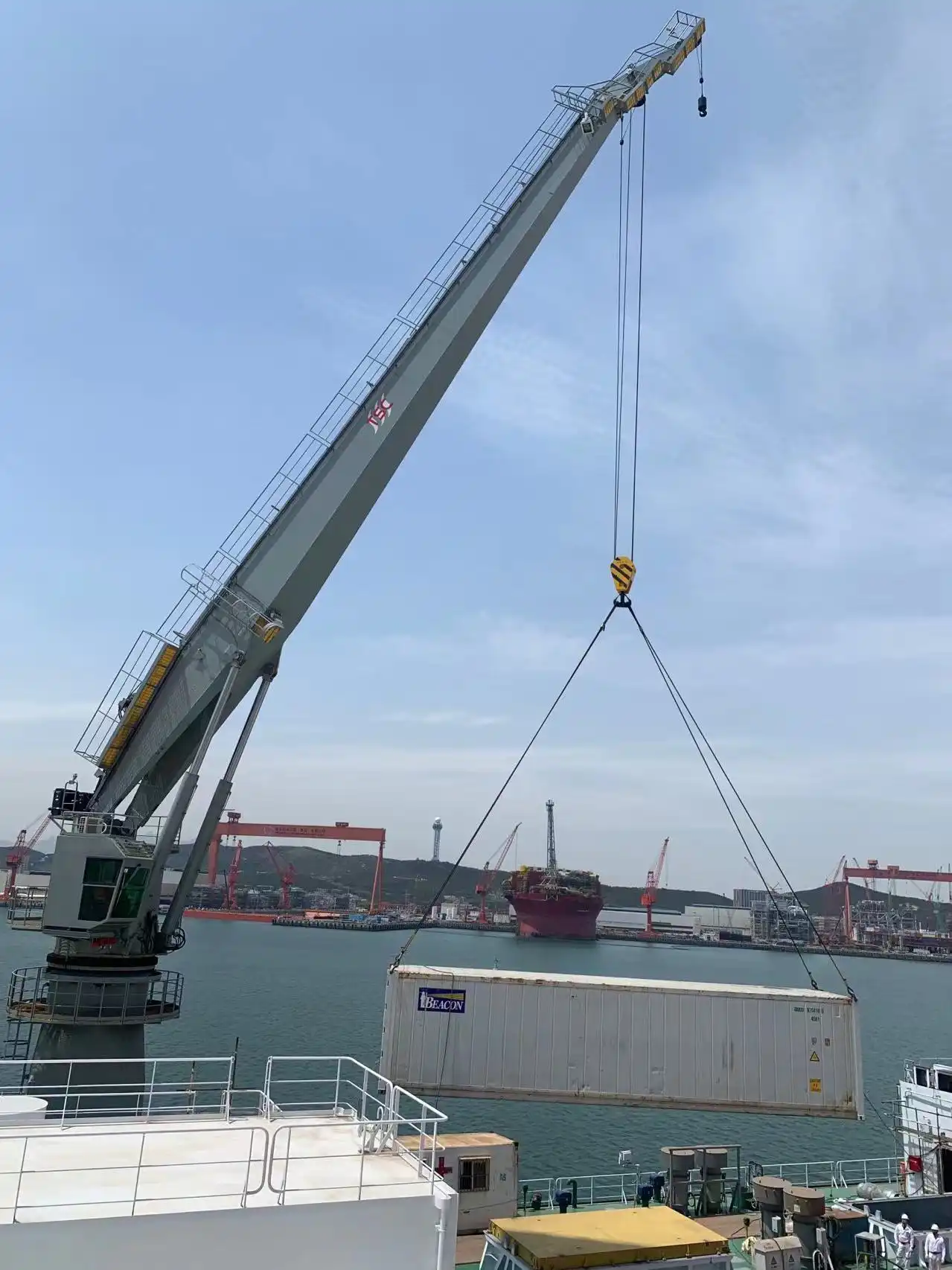
Understanding Fixed Boom Cranes in Offshore and Marine Applications
A lot of the water business depends on specialized lifting tools that can work well in harsh environments. Fixed Boom Cranes are a high-tech engineering answer made just for the harsh conditions of offshore settings.
Structural Design and Core Components
The rigid boom construction of these maritime lifting devices is made of high-yield tensile steel, which is very resistant to the corrosive effects of saltwater. The pedestal-mounted design evenly distributes the weight across the decks of the ship, and the non-extendable boom design gets rid of common weak spots in telescoping systems.
The basic design includes a strong slewing device that allows the machine to keep turning, which lets workers precisely place loads across large deck areas. Modern units have high-tech hydraulic systems that make controlling the hoisting and luffing processes smooth and stepless.
Load Capacity and Performance Metrics
In modern times, naval boom cranes can handle a wide range of loads, from light goods to heavy-duty part installation. TSC's engineering skills have led to the creation of systems that can handle large loads while keeping the high levels of steadiness needed for safe offshore operations.
Modern Fixed Boom Cranes are made to last up to 25 years, which shows that they meet the high engineering standards needed for ongoing marine work. These long-lasting qualities are especially useful for offshore bases and specialized boats, where replacing equipment can be hard to get to.
Integration with Marine Operations
These lifting systems work with a lot of different tasks that need to be done abroad. They can help with everything from regular supply transfers to difficult installation tasks. Their ability to work with different types of ships, like bulk carriers, offshore support vessels, and mobile production units, shows how useful they are in a wide range of marine situations.
Advantages of Fixed Boom Cranes in Marine and Offshore Environments
Fixed Boom Cranes are the best choice for marine uses because they have a number of strong operating benefits that directly address the challenges of working offshore.
Superior Stability and Reliability
The rigid design of the boom makes it very resistant to the kinds of dynamic loading that are typical in coastal settings. Unlike telescopic options, these systems don't have any hydraulic cylinders inside the boom structure. This means that there are a lot fewer places where things could go wrong and a lot less upkeep that needs to be done.
This simple structure means that it will be more reliable during important lifting activities, where broken equipment could have serious safety and financial effects. The fixed shape makes sure that the load-carrying features stay the same no matter the sea conditions or the length of the operation.
Reduced Maintenance Demands
Being in saltwater and moving all the time in the ocean are two things that make marine settings very hard on mechanical equipment. Here are the main benefits these methods offer in terms of maintenance:
1. Simplified Hydraulic Systems: The lack of internal boom extension mechanisms makes the hydraulic systems simpler. This lowers the risk of seal wear and fluid contamination that comes with more complicated lifting equipment.
2. Resistance to corrosion: Modern surface treatment methods, such as marine-grade coating systems, protect against tough saltwater conditions better than tools with many moving parts.
3. Component Accessibility: Streamlined design makes it easy for maintenance staff to get to important parts for checking and fixing them, which cuts down on downtime during planned maintenance times.
All of these benefits lower running costs and make equipment more available, which are very important for offshore operations where repair windows are small and expensive.
Operational Efficiency in Marine Conditions
Due to their strong construction, Fixed Boom Cranes can keep working even when the weather is bad. Their ability to keep lifting operations going even when the sea isn't very rough gives them operating freedom that has a direct effect on how quickly and cheaply projects can be finished.
Continuous slewing lets workers serve more than one deck area without having to move the crane base, which increases efficiency while moving cargo. This efficiency is especially useful on busy offshore sites where tools can't move around easily because of a lack of room.
How to Choose the Right Fixed Boom Crane for Jobs at Sea and Offshore
When choosing the right lifting tools for marine use, you need to think carefully about a lot of things that affect both the short-term needs of the project and its success in the long run.
Critical Selection Criteria
The first step in the specification process is to carefully look at the practical needs, such as the highest load capacity, working radius, and environmental conditions. It is important to know the exact needs of your naval business so that you can choose the best equipment that matches performance with cost.
When choosing tools, the environment is very important, especially for sites that are out at sea and are subject to harsh weather. Wind loads, wave action, and changes in temperature all affect how well a crane works and must be taken into account when choosing one.
Needs for Supplier Evaluation and Certification
Choosing tools from companies with a history of working in the water business has a big effect on how well operations go. TSC's large collection shows that they have a deep knowledge of marine lifting needs, as their systems are used in a wide range of offshore uses around the world.
Approvals from classification societies are an important way to make sure that safety and performance standards are met by tools. Leading makers keep certificates from several classification societies, such as DNV, ABS, BV, and CCS, to make sure they meet international marine standards.
Thoughts on Customization and Integration
Marine uses often need special changes to work with different types of vessels or meet specific operating needs. Experienced makers are different from generic equipment sellers because they can offer custom solutions.
When planning an integration, things like power source compatibility, control system interface needs, and how to setup the system should all be taken into account. Suppliers with a lot of experience offer full help during the whole process of specifying, producing, and installing.
Maintenance, Operating Procedures, and Safety Best Practices
To get the most use out of marine lifting equipment for as long as possible, strict repair procedures that are designed for offshore settings must be followed.
Strategies for Preventive Maintenance
The harsh naval climate calls for proactive repair methods that stop corrosion, track component wear, and improve system performance. Wire ropes, hydraulic systems, and electrical links are some of the most important parts that should be inspected regularly.
When used in naval settings, where saltwater can quickly break down normal lubricants, lubrication plans need extra care. Using marine-grade oils and replacing parts on a regular basis can help keep parts working at their best.
Safety Protocol Implementation
When using Fixed Boom Cranes in the ocean, you need to follow special safety rules that take into account the unique dangers of working offshore. When teaching operators, schools should stress the limits of the sea, how to control load swing, and how to handle emergencies that are unique to marine operations.
Overload security systems are very important for lifting because they stop loads that are too heavy for the job automatically. Modern systems have many safety features, like moment limiters and load block tracking, to make sure they are completely safe.
Training and Following the Rules
Lifting operations at sea are closely watched by regulators who make sure they follow international safety standards. Regularly certifying workers and equipment helps keep things in line and makes sure that everything is used safely throughout its life.
Maintenance records, inspection reports, and operating logs are some of the paperwork that must be kept for naval lifting equipment. Keeping detailed records helps businesses follow the rules and gives them useful information for making repair plans and operational methods work better.
Procurement Options and Industry-Leading Fixed Boom Crane Brands
When it comes to buying marine lifting tools, there are a number of different options available to meet practical needs and budgetary concerns.
New Equipment vs. Other Ways to Get Things
When you buy new tools, you get the latest technology built in, a full guarantee, and the ability to customize how it works. This method works especially well for long-term installs where improving reliability and performance is worth the original cost.
Rental choices may work for short-term projects or specific uses where the economics of buying don't fit with the length of the project. Marine uses, on the other hand, often need custom designs that make rentals less available.
Leading Manufacturers and Market Presence
With more than 350 deck cranes and equipment serving more than 180 self-elevating platforms around the world, CM Energy, which does business under the TSC name, has a strong position in the market. This large operation shows that TSC's marine lifting solutions are reliable and that customers trust them.
The company is dedicated to new ideas, as shown by its 159 approved patents, which include cutting edge technologies that make marine uses safer and more efficient. This collection of intellectual property helps keep making new products that meet the changing needs of the business.
Thoughts on Service and Support
For marine equipment that is used in rural areas where expert help may be hard to come by, full after-sales support is essential. Manufacturers with global service networks offer quick help that keeps operations running as smoothly as possible.
Modern Fixed Boom Cranes have remote repair features that make it easy to quickly figure out what's wrong with the machine and fix it, often without having to send a technician to the spot. This feature is especially useful for sites that are far from shore, where getting repair staff there takes a long time and costs a lot of money.
Conclusion
Fixed Boom Cranes are the best way to lift heavy things offshore or in the water because they combine structural stability with the operating effectiveness that is necessary in maritime settings. Their simplified mechanical design makes them easier to maintain and gives them consistent performance in a wide range of operating situations. These systems have been used successfully in offshore wind farms, FPSO operations, and moving heavy goods. This shows how useful they are in important naval situations. These systems are the best choice for offshore workers who want to prioritize operational excellence and long-term value when choosing marine lifting tools. They are built to last, require little maintenance, and have been shown to be reliable over time.
FAQ
1. What determines the longest reach that a naval boom crane can reach?
The reach is based on the length of the boom and the structural design factors that were set during production. Unlike telescopic systems, the highest reach stays the same throughout the crane's useful life. This makes it possible to use consistent load charts and predict performance, which is very important for naval operations.
2. How do maintenance requirements compare between different crane types in marine environments?
Because their hydraulic systems are simpler and they have fewer moving parts, Fixed Boom Cranes require much less upkeep than telescopic or knuckle boom options. Since there are no internal extension systems, there are no places where the seal could break, and the hydraulics are simpler.
3. Can these systems operate in hazardous marine environments?
To meet ATEX or IECEx standards for oil and gas uses at sea, modern marine boom cranes can be fitted with electrical parts that won't explode and mechanical systems that won't spark. Approvals from classification societies make sure that international safety standards are met when working in dangerous areas.
Partner with CM Energy for Superior Marine Lifting Solutions
The TSC brand from CM Energy makes high-tech Fixed Boom Cranes that are designed to work in harsh ocean and sea environments. Over 350 of our deck cranes have been used in operations around the world, and we have 159 approved patents that back this. These patents drive ongoing innovation in marine lifting technology. As a reputable Fixed Boom Cranes maker with full global service capabilities, we offer unique solutions from the initial specification stage all the way through lifecycle support. Our expert engineering team is ready to look at your unique needs and suggest the best lifting solutions that will keep your operations running smoothly and safely. Get in touch with our experts at info.cn@cm-energy.com to talk about your marine lifting needs and find out how our advanced crane systems can improve your offshore operations with reliable, low-cost performance.
References
1. Maritime Crane Engineering Standards for Offshore Applications, International Association of Classification Societies, 2023.
2. Offshore Lifting Operations: Safety and Performance Guidelines, American Petroleum Institute, 2022.
3. Marine Equipment Design Principles for Harsh Environmental Conditions, Society of Naval Architects and Marine Engineers, 2023.
4. Fixed Boom Crane Technology in Modern Offshore Operations, Journal of Marine Engineering Technology, 2022.
5. Cost-Benefit Analysis of Marine Lifting Equipment Selection, Offshore Technology Conference Proceedings, 2023.
6. Maintenance Optimization Strategies for Marine Crane Systems, International Journal of Maritime Engineering, 2022.