Top Methanol Fuel Conveyance System Supplier Guide
Picking a dependable Methanol Fuel Conveyance System provider can make a big difference in how you do business at sea. Modern systems designed for naval boats that move on methanol fuel meet the needs of both reducing carbon emissions and making sure the systems work reliably. This guide walks you through important things to think about, like technical compliance and choosing a seller. It's meant to help buying managers at bulk carriers, chemical ships, VLECs, and offshore support fleets make decisions with confidence. As methanol becomes a more practical low-flashpoint fuel option, it is very important to understand how the system works, who the suppliers are, and what the safety rules are.
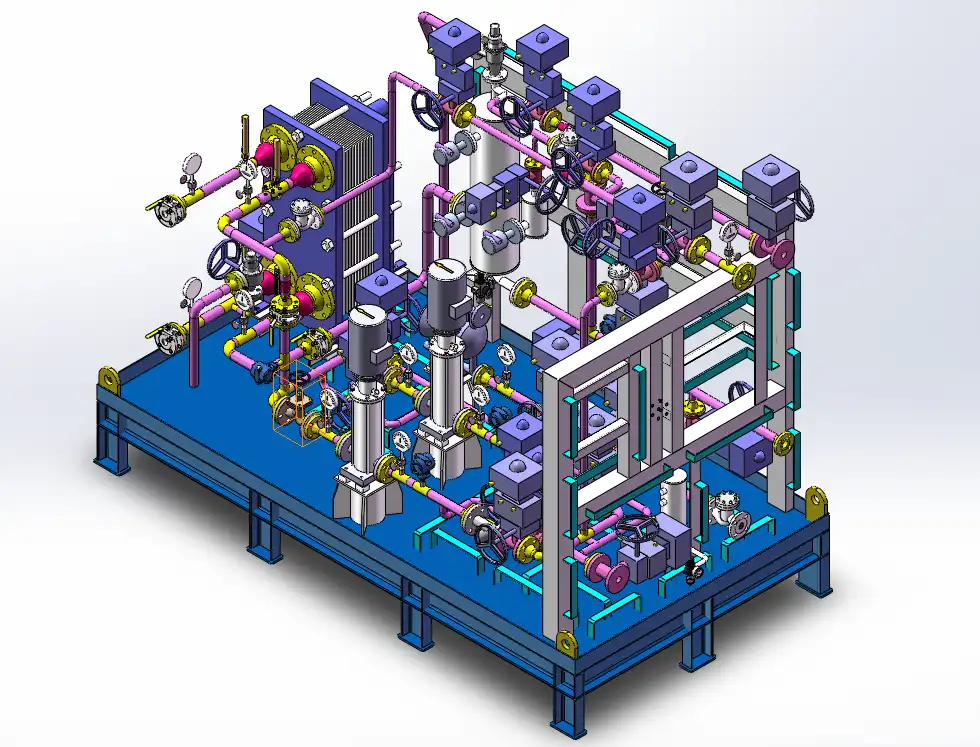
Understanding Methanol Fuel Conveyance Systems
Defining Methanol Fuel Management Infrastructure
A Methanol Fuel Conveyance System is made up of special tools designed to move, store, and transfer methanol safely from the bunker to the engine. In contrast to diesel systems, methanol infrastructure needs to take into account how chemicals respond, how low the temperature is, and how certain materials are damaged by the fuel. This specific design has control systems, supply units, filling and transfer parts, and auxiliary systems built right in. At CM Energy, we were the first to develop Methanol Fuel Supply Systems (MFSS) that keep the exact pressure, temperature, and flow levels that engine makers require while also working correctly during start-up, load change, and stop.
Core Components and Material Considerations
It is the methanol supply unit that holds everything together. This module ensures a steady fuel supply even when engine loads change. This is a very important feature for bulk ships whose speeds change or for VLECs that have to navigate different sea conditions. Some important sections are:
- Safe bunkering, storage, and movement are controlled by filling and delivery systems that are made to meet the strict SOLAS-IBC Code requirements. Choosing the right materials is very important here. Construction from stainless steel 304/316L stops rust, and sealing materials like PTFE and EPDM can handle the harsh chemical qualities of methanol. The modular design philosophy makes installation possible on a wide range of vessels, from Pure Car/Truck Carriers to FPSOs that run on methanol.
- Control and safety systems include containment with two walls, tracking between the walls, the ability to purge nitrogen, and block-and-bleed valve setups. These features reduce the risks of methanol being poisonous and flammable while also making sure they meet the IGF Code standards for low-flashpoint fuels. TSC's system design puts a lot of emphasis on redundancy, which is very important for offshore support boats and green hydrogen production ships that work in harsh conditions.
Environmental and Operational Advantages
Methanol fuel transportation methods have big environmental benefits. When combined with e-methanol, these systems support carbon neutrality from well to wake, which is a very appealing idea for shipowners who have to deal with changing emissions rules. Methanol is easier to pump than heavy fuel oil because it has a lower viscosity. However, it needs special lubricity adjustment. Better fuel management lets you measure the flow of fuel more accurately, which is needed for stoichiometric combustion control and is especially important in naval engines that use both gasoline and diesel. Inland river ships that use the Yangtze or Pearl Rivers release fewer pollutants into the air, and port service ships like tugs can operate in quieter, cleaner places near crowded harbors.
Comparing Methanol Fuel Conveyance Systems With Alternatives
Performance Parameters Across Fuel Types
A number of technical differences become clear when comparing Methanol Fuel Conveyance Systems to diesel or LNG infrastructure. Because methanol has a lower energy density, it needs higher mass flow rates. This affects the size of the pump and the width of the pipes. This feature, on the other hand, makes storage tank designs simpler than with cryogenic LNG systems. This makes fitting easier on chemical trucks and LPG carriers.
The ability to prevent corrosion is a key difference. When methanol gets into traditional fuel systems with metal lines or galvanized coatings, they fail horribly. Specialized methanol infrastructure uses fluoropolymer plates or improved elastomers that stay strong over long periods of time. This material standard has a direct effect on lifetime costs, which is something that VLCC and ULCC owners who are in charge of large-scale conversions should think about.
Application-Specific Suitability
Marine usage provide interface challenges. Modular Methanol Fuel Conveyance Systems are useful for crude oil ships converting from heavy fuel oil since they have limited mechanical space. Modern supply units, such TSCs measuring 3.2m by 1.45m by 2.1m, have tiny footprints that make installation easy without substantial construction adjustments.Chemical ships designed to carry hazardous commodities have methanol fuel handling restrictions. Certification is easy when chemical vessel and fuel supply regulations match. On the other hand, offshore support vessels can store methanol liquid at normal temperature without the complex pressure vessels required for LNG or ammonia.Environmental influence studies support methanol routes more. Methanol burning produces less sulfur oxides and nitrogen oxides than gasoline or LNG burning. For organizations seeking IMO 2050 decarbonization, Methanol Fuel Conveyance Systems are good investments since they operate better.
How to Choose the Right Methanol Fuel Conveyance System Supplier
Essential Qualification Criteria
Picking a company that makes Methanol Fuel Conveyance Systems needs careful consideration in many areas. Compliance with certifications is the first step. Look for DNV AIP certificates and DNV Product Certificates that prove the quality of the design and building. These checks by a third party make sure that international safety rules for low-flashpoint fuel systems are followed.
Customization options set qualified sellers apart from component distributors. The rules that apply to asphalt trucks and ammonia vehicles are very different. A good provider will offer custom connection solutions that take into account each operation's needs, space limits, and the engine manufacturer's requirements. CM Energy's method includes thorough design reviews that check vessel models and system link needs before the fabrication process starts.
Track Record and Industry Experience
Proven success history tells you a lot about how reliable a seller is. Look at CM Energy's finished project files. We've successfully installed Methanol Fuel Conveyance Systems on a variety of vessel types, such as RoRo vessels and asphalt ships. Our team has a lot of experience building dual-fuel vessels, liquefied gas carriers, and chemical tanker systems, which means they have a deep knowledge of the rules for marine safety.
OEM agreements show that a technology is reliable. When suppliers work directly with engine makers like MAN Energy Solutions or Wärtsilä, it shows that they understand the latest needs for combustion technology. This connection makes sure that Methanol Fuel Supply Systems provide exact fuel conditions, such as maintaining fuel pressure, controlling fuel temperature, and meeting cleanliness standards, that are in line with engine operating ranges.
Lifecycle Support and Service Infrastructure
The total cost of ownership is much higher than the price of the tools itself. Full help after the sale is what sets strategic supplier relationships apart from one-time purchases of tools. Look for providers that can help you with every step of the project's lifecycle, from the initial design advice to manufacturing, installation supervision, commissioning support, and ongoing upkeep.
When debugging, how quickly technical help responds is very important. Downtime risks are kept to a minimum by global service networks that can send trained techs to international ports. Not only should the warranty cover replacing parts, but it should also cover performance promises, making sure that Methanol Fuel Supply Units keep the flow rates and pressures that were agreed upon during the recommended repair intervals.
Optimizing Methanol Fuel Conveyance Systems for Performance and Safety
Material Selection and Chemical Compatibility
Rigid material specifications are the first step to getting the best system performance. The polar molecular structure of methanol damages elastomers that aren't made to handle alcohol, which can lead to seal swelling or extraction degradation. Advanced Methanol Fuel Conveyance Systems use Kalrez (FFKM) or special EPDM mixtures that don't change in volume or stiffness. According to ASTM D471 standards, oligomer extraction testing proves that methanol contact won't release plasticizers that could clog precision fuel injectors.
The inner layers of the pipes must be conductive so that the static electricity that is created during high-speed methanol transfer can be released. Surface resistance requirements below 10^6 Ohm/sq stop electrical discharge risks. This is especially important when moving large amounts of material at high flow rates, like when bunkering.
Temperature and Pressure Management
Because methanol's flashpoint isn't very high, it needs careful temperature control. The design of the system should keep the fuel temperature within the ranges given by the maker. This usually stops the system from heating up too much, which speeds up the formation of air. On the other hand, ships that go on repair runs through the Arctic need heating systems to keep the fuel lines from freezing when they are working in cold weather.
Because methanol has a low viscosity, it is harder to control the pressure. Heavy fuel oil systems can handle wide changes in pressure, but Methanol Fuel Supply Units need to keep pressure bands tight to make sure the engine always gets fuel. Because methanol is naturally not very lubricious, magnetic drive centrifugal pumps or positive displacement gear pumps with diamond-like carbon surfaces protect against wear without the need for external lubrication.
Safety Protocols and Regulatory Compliance
A complete safety design takes into account the dangers of methanol's toxins and flammability. Continuous interstitial space tracking and double-walled containment find leaks before dangerous amounts form. During repair work, nitrogen purging devices make inert atmospheres that lower the risk of fire. Using block-and-bleed valves lets you safely separate parts of a system while you're fixing.
Regulatory harmony includes a lot of different systems. Maritime Methanol Fuel Conveyance Systems must meet both the IGF Code's low-flashpoint fuel requirements and the SOLAS-IBC Code's chemical handling standards. This double compliance makes sure that operations are safe during the bunkering, storage, and burning stages. Maintaining operating safety margins throughout a vessel's service life is done through regular inspections that check the integrity of the seals, the effectiveness of the leak detection system, and the response of the emergency stop mechanism.
Procurement Guide for Methanol Fuel Conveyance Systems
Navigating the B2B Sourcing Landscape
Getting Methanol Fuel Conveyance Systems requires more than just buying tools. It also requires strategic contact with suppliers. Start by doing a full needs assessment. The type of vessel, engine specs, operating profiles, and regulatory countries can all affect the system configuration requirements. Detailed technical specs make it easier to understand things like flow rates (measured in cubic meters per hour) and working pressure ranges (measured in bar gauge).
Comparative review is possible by asking several qualified Methanol Fuel Conveyance System providers for offers. Not only should you compare unit prices, but also the full solution scope, which includes engineering support, fabrication timelines, factory acceptance testing methods, installation control, and help with commissioning. At CM Energy, we have both stand-alone Methanol Fuel Supply Units and fully combined systems that can be customized to meet the needs of each project.
Custom Engineering and Installation Considerations
The level of difficulty of vessel integration changes a lot between types of ships. To make changes to old crude oil ships, shipyard plans and government checks need to be carefully coordinated. Transporting whole modules to docks, placing them with lifting equipment in designated machinery spaces, and connecting the pipes and electricity according to approved vessel plans speed up the installation process.
Long-term system dependability is directly affected by how well the system was installed. Professional installation services check the levelness of the base fixing, the integrity of the sealing system for the pipes, and the consistency of the control cables. Before checking the whole system, staged commissioning processes check the performance of each unit. This methodical approach makes sure that bunkering works, that the Methanol Fuel Supply Unit responds quickly, and that the safety system works in realistic operating situations.
Emerging Technology Trends
New ideas keep changing the form of Methanol Fuel Conveyance Systems. New materials, like ultra-low permeation multi-layer tubing, lower evaporation pollution so that they meet stricter environmental rules. Using IoT sensors in smart tracking systems lets you plan ahead for repair, finding problems like worn seals or pumps before they break down completely.
Sustainability concerns now play a role in choosing suppliers. Companies that care about the earth by using less energy in their production methods or choosing materials that can be recycled are in line with their ESG goals. As the marine industry moves faster to meet its decarbonization goals, working with forward-thinking companies that make Methanol Fuel Supply Systems will help vessel owners prepare for changes in the rules that may come up in the future.
Conclusion
It's important to find a balance between technical requirements, provider skills, and lifetime cost factors when buying a Methanol Fuel Conveyance System. For implementation to go well, partners must be carefully chosen and have a track record of being knowledgeable about naval fuel systems, chemical handling infrastructure, and maritime safety laws. As methanol becomes a practical way to remove carbon dioxide from the air, it opens up possibilities for ship owners who are willing to invest in specialized transportation systems. Focusing on certification compliance, customization options, and full support services will ensure long-term operating success for bulk carriers, tankers, specialty vessels, and offshore fleets that want to build a sustainable marine future.
FAQ
1. What safety certifications should methanol fuel conveyance systems possess?
Trustworthy Methanol Fuel Conveyance Systems have DNV certificates, such as Approval in Principle and Product Certificates that prove they meet the IGF Code for low-flashpoint fuels. More agreement on the SOLAS-IBC Code proves the right way to handle chemicals. These approvals show that double-walled containment, methods for finding leaks, and emergency shut-offs meet the safety standards for foreign maritime travel.
2. How do methanol fuel supply systems compare cost-wise to diesel infrastructure?
Methanol Fuel Supply Systems cost more initially due to their specific materials and safety features. It's cheaper to operate since fuel storage is simpler than with cold choices, and carbon credits may be earned. The total cost of ownership should include methanol prices, maintenance costs, and compliance expenses during the vessel's estimated decades-long operational life.
3. Can existing vessels retrofit methanol fuel conveyance systems?
The ability to retrofit relies on the amount of room available for machinery, the structure, and the rules and regulations in the area. Modular Methanol Fuel Conveyance System designs make it easier to integrate on chemical trucks and bulk carriers with plans that work with each other. Professional engineering reviews look at the limitations of the vessel, suggest the best configurations, and organize approvals from the classification society to make sure that the changes are legal and meet all marine standards.
Partner with CM Energy for Advanced Methanol Fuel Supply Solutions
With the best Methanol Fuel Conveyance Systems on the market, CM Energy is ready to help you make the switch to more environmentally friendly marine activities. As the first company to offer a Methanol Fuel Conveyance System, we blend decades of experience in naval engineering with the newest clean fuel technologies. Our complete Methanol Fuel Supply Systems have been used to power successful setups on a wide range of vessel types. They are backed by DNV certifications and have been tested and proven to work in harsh offshore settings.
Our TSC brand offers customized solutions that meet your specific business needs, whether you run bulk carriers that travel on global trade routes, chemical tankers that need dual-compliance systems, or offshore support boats that help with green energy projects. We offer full lifecycle support, from the initial design advice to manufacturing, installation supervision, and ongoing expert help. Get in touch with our engineering team at info.cn@cm-energy.com to talk about your specific methanol fuel supply needs and find out how our unified approach to fuel management systems can improve vessel performance while helping you reach your decarbonization goals.
References
1. International Maritime Organization. (2023). IGF Code: International Code of Safety for Ships Using Gases or Other Low-flashpoint Fuels. IMO Publishing.
2. Maritime Safety Committee. (2022). SOLAS Consolidated Edition: International Convention for the Safety of Life at Sea. International Maritime Organization.
3. Chen, L. & Yilmaz, N. (2024). "Material Compatibility and Corrosion Resistance in Methanol Marine Fuel Systems." Journal of Maritime Engineering & Technology, 48(3), 215-234.
4. DNV GL. (2023). Alternative Fuels Insight: Methanol as Marine Fuel - Technology and Safety Platform. Det Norske Veritas Group.
5. Hansson, J., Brynolf, S., Fridell, E., & Lehtveer, M. (2020). "The Potential Role of Ammonia as Marine Fuel—Based on Energy Systems Modeling and Multi-criteria Decision Analysis." Sustainability, 12(8), 3265.
6. Verhelst, S., Turner, J. W., Sileghem, L., & Vancoillie, J. (2019). "Methanol as a Fuel for Internal Combustion Engines." Progress in Energy and Combustion Science, 70, 43-88.