Why Rigid Sail Technology Is Advancing Marine Transport
The Rigid Sail technology is changing the way ships move because it saves fuel, makes operations easier by automating them, and complies with stricter environmental rules. Traditional cloth sails need to be adjusted by hand all the time and wear out quickly in rough conditions. Modern wingsail systems, on the other hand, use aerodynamic principles from flight to provide steady propulsion with little help from the crew. Rising fuel costs, Carbon Intensity Indicator (CII) compliance pressures, and the need for effective decarbonization solutions that don't hurt cargo operations or safety are some of the problems that this change aims to solve.
Understanding Rigid Sail Technology and Its Evolution
From Canvas to Composite: The Engineering Foundation
Wind power has been used for thousands of years to power marine trade, but the materials and methods used have changed a lot over that time. Traditional cloth sails worked well when there was a lot of labor and not many rules to follow. The Rigid Sail designs of today are very different from those of the past. The airfoil-shaped wings on these buildings are made of ship-grade steel and advanced composites. They were built using computational fluid dynamics to get the most lift and the least amount of drag. In contrast to cloth, which flaps around and loses its effectiveness in changing wind conditions, the rigid design keeps its best shape under load.
Key Milestones Driving Commercial Adoption
The first step toward making carbon fiber wings commercially viable was in professional sailing, where they showed they could perform better in controlled settings. To apply that technology to cargo ships, problems had to be solved that are only found in commercial shipping, such as making the technology resistant to corrosion, compatible with tools used to handle goods, and easy for non-specialist crews to use. Early installs on bulk ships in the early 2020s proved the idea through real-world trips, showing that automated wind-assisted propulsion systems could work well with existing marine operations. A number of classification societies, such as DNV, Lloyd's Register, and Bureau Veritas, created approval systems and regulatory pathways that gave shipowners the confidence to spend.
Early Adopter Results Speak Volumes
Ships with multi-element wingsail technology have been used for thousands of days on the world's busiest trade lines. Ships that carry bulk that call at ports from Brazil to China have consistently saved fuel without slowing down loading. These early installations collected data that turned the technology from experimental to proven. They showed that systems that were properly built could survive bad weather, need little upkeep, and give a good return on investment within time frames that businesses could afford. The success of these operations has sparked more interest in the tanker, Ro-Ro, and passenger markets.
Performance Advantages Over Traditional Solutions
When procurement teams look at different power choices, they need to be able to make clear comparisons based on working facts rather than hypothetical predictions. Here's why Rigid Sail systems work better than other options:
- Efficiency and Durability: When fabric sails are loaded, they lose their shape, which lowers their thrust because the material spreads and the seams weaken. Kite sails need room on the deck for the launch and return gear, which can be dangerous when they are being handled. No matter how strong the wind is, rigid systems keep the same aerodynamic shapes. It is possible for steel-composite buildings to last for years in settings with salt spray without breaking down, which happens with soft materials. Testing by a classification group proves lifecycles of more than 25 years with regular maintenance schedules similar to how deck cranes are managed.
- Quantifiable Fuel Reduction: Based on route features and weather trends, real-world voyage data from ships using Wind-Assisted Propulsion Systems shows fuel use drops by 10% to 30%. A single big unit can cut the amount of fuel used every day by several tons, which means less CO2 is released into the air. This performance takes into account both economic and legal factors, which raises CII scores while lowering operating costs. The savings add up over the life of the vessel, so on good lines, the initial capital investment is returned within five years.
- Maintenance and Operational Simplicity: In the past, skilled workers had to reef, furl, and trim sails by hand, which was hard work that could be dangerous. With the help of electric or hydraulic tools and specialized software, modern technology simplifies these processes. The technology constantly checks the wind and changes the wing's angle and camber without the team having to do anything. Maintenance steps are similar to those for other deck equipment, so you don't need to know anything special about sailing to do them. Long-term service deals and tracking of IoT devices from afar make operations even simpler.
Because of these benefits, wind-assisted transportation is not seen as a nostalgia throwback to the past, but as a solution that looks to the future and fits with business needs and goals for reducing carbon emissions.
Applications and Use Cases in Marine Transport
Bulk Carriers and Newcastlemax Vessels
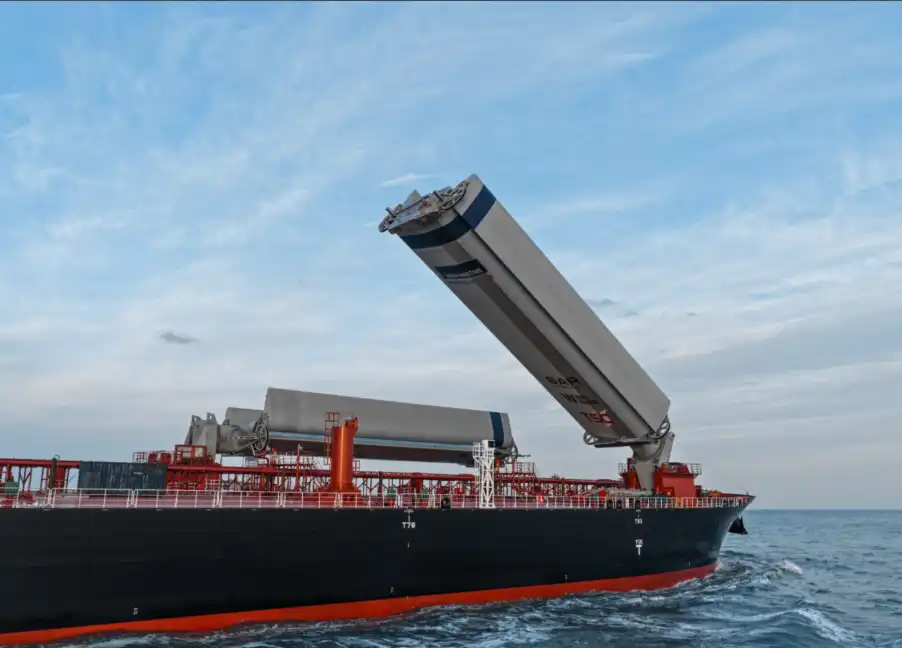
It is easy to make Rigid Sail changes to large dry bulk ships. The large deck spaces between the cargo holds make it possible to mount things in a way that doesn't get in the way of hatch covers or tools used to move goods. Systems made for this section have tilt mechanisms that let the wings move into laydown positions while they are being loaded or while going under bridges. Long-haul routes between major product export and import regions have steady trade winds that help ships make the most power and use the least amount of fuel. This is shown by the WindWings® system, a unique three-element design that was made in collaboration with BAR Technologies. These units come in three different heights: 20 meters, 24 meters, and 37.5 meters. They can be installed above the deck on tankers and bulk ships, and they use automatic camber and angle changes to get the best performance in all kinds of sailing situations.
Tankers and Chemical Carriers
Explosive atmosphere types require electrical systems that are ATEX-compliant, and deck room is often limited by the way pipes and manifolds are laid out. Rigid options for this market group include parts that don't spark and hydraulics that are approved for use in dangerous areas. When ships have lighter drafts and higher freeboards, which increases windage but also lets them use high-altitude winds to move forward, the benefits are especially strong on cargo runs. On regional routes, LR2 product trucks and chemical carriers save money on fuel, which makes the trip more cost-effective without reducing safety.
Ferries and Coastal Services
Fixed-route ferries that carry people and cars between islands or coastal towns put quick turnarounds and operational efficiency at the top of their list of priorities. Rigid installations on these ships help them turn without releasing pollution and make short transits more efficient. The technology is appealing to owners who want to get a quick return on their investment and follow port emission rules. Automated operation makes sure that worker action on deck doesn't bother passengers, and the systems' weather routing features make plans work best with predicted winds.
Installation and Maintenance Realities
Compatibility analysis, which looks at structure loading spots, electrical integration, and cargo operation processes, is the first step to a successful application. Factory acceptance testing makes sure the system works before it's sent out, and onboard installation follows tried-and-true steps that are overseen by the classification society. Maintenance is similar to taking care of other electrohydraulic deck equipment, and makers offer long-term service packages. Modern systems are modular, which means that parts can be repaired or changed without long periods of downtime. Units can also be moved from one ship to another if the make-up of the fleet changes.
Procurement Considerations for B2B Clients
Evaluating Manufacturers and Technology Options
When choosing a wind-assisted propulsion provider, it's important to look closely at their technical maturity, approval status, and list of previous installs. Manufacturers with a good reputation have Design Type Approval from more than one classification society. This shows that their products meet safety and performance standards around the world. This is shown by CM Energy's TSC brand's WindWings® technology, which has three-element Rigid Sail wings that have been certified by DNV, BV, Lloyd's Register, and CCS. Performance claims are more likely to be true when they are checked by independent institutions that study fluid dynamics, like the Wolfson Unit.
Cost-Benefit Analysis and ROI Projections
The initial investment covers buying the necessary tools, making any necessary structural changes to handle rising loads, and hiring people to do the work. Savings on operations come from using less fuel and getting better CII scores that keep the ship's charterworthiness. For accurate ROI numbers, route-specific modeling is needed that takes into account things like expected wind speeds, vessel speeds, and fuel prices. Reliable providers offer weather routing and journey modeling tools that let you figure out how much you can expect to benefit before you commit. Different types of financing and leasing can help you match up major expenditures with the cash flow you get from saving on fuel.
Integration and Lifecycle Support
In addition to providing hardware, projects need full support that includes integrating the plan, training the crew, getting regulatory approvals, and ongoing upkeep. Suppliers of "turnkey" solutions handle contacts with classification societies, organize installations at shipyards, and offer IoT tracking tools that let you check on the health of a system from afar. This full lifetime method lowers the risk of the project and makes sure that the system works at its best for as long as it is in use. Being able to change designs for newbuilds instead of retrofits shows that the provider is flexible and has a lot of technical knowledge.
Future Trends and Industry Outlook
Hybrid Integration with Renewable Energy
Multiple renewable technologies will be used together in the next wave of naval propulsion systems. Combining Rigid Sail movement with solar panels and battery storage makes it easier to collect and use energy in a variety of situations. Researchers working on smart materials are looking into making wings with surfaces that can change how stiff or porous they are depending on the speed of the wind. This would make the wings even more aerodynamic. These new ideas offer small improvements in performance that add up over the life of a vessel.
Regulatory Drivers Accelerating Adoption
The International Maritime Organization's plan to have net-zero greenhouse gas pollution by 2050 is making it harder and harder for people to follow the rules. New CII rules put limits on the operations of ships that aren't using energy efficiently, and the future FuelEU Maritime law in Europe requires ships to use less greenhouse gas. Rigid Sail wind-assisted transportation cuts pollution right away and has been shown to work. It doesn't depend on alternative fuels that are still being developed. When shipowners use these Rigid Sail tools, they stay ahead of the rules and keep their assets' prices and market access.
Strategic Recommendations for Decision-Makers
To get the most out of integration and benefits, procurement managers should work with providers early on in the planning stages for designing a vessel or retrofitting an existing one. Having partnerships with tech companies that offer weather route services and performance promises lowers the risks of implementation. By testing different arrangements, such as changing the number and height of wings, it is possible to make sure that the solutions fit the needs of different operating scenarios. By keeping up with changing class society standards and flag state laws, you can avoid expensive fixes or gaps in compliance.
Environmental rules, changing fuel prices, and technology that has been around for a while all work together to make a strong case for acceptance. Companies that present themselves as early adopters gain a competitive edge by lowering their running costs and showing that they are more environmentally friendly.
Conclusion
Rigid Sail technology has grown from an experimental idea to a widely proven answer that helps shipowners with their biggest problems, like high fuel costs, meeting emissions standards, and making sure their ships work reliably. Systems like WindWings® use the latest technical advances to offer measured performance through automated operation, strong building, and proven fuel savings. Wind-assisted power can help ships like bulk carriers, tankers, ferries, and specialized vessels reduce their carbon footprint without affecting the safety or operations of the goods. As regulations get stricter and technology keeps getting better, companies that include these solutions in their plans to update their fleets now will have a strategic edge in the future.
FAQ
1. How do rigid sails improve fuel efficiency compared to traditional sails?
Rigid Sail systems have much higher lift coefficients than cloth sails because they use optimized airfoil forms that keep their shape even when they're loaded. Automatic changes to the slope and angle are made based on real-time wind data, which makes sure that the most power is generated without any help from the crew. This steady performance in a wide range of situations means that fuel use is reliably reduced. Depending on the route and type of vessel, installations have shown savings of 10 to 30 percent.
2. What maintenance is required for rigid sail systems?
Routine repair is a lot like taking care of other machines on deck, like cranes or windlasses. The inspection procedures look at hydraulic or electric actuators, places where structures are attached, and the stability of the composite surface. Nondestructive testing methods look for delamination or fatigue, and the manufacturer's instructions are followed for lubrication plans and seal repairs. A lot of providers offer long-term service contracts and remote tracking through IoT platforms that can tell when repair is due before it happens.
3. How can I identify reputable manufacturers?
Look for classification society certificates from DNV, Lloyd's Register, Bureau Veritas, or similar organizations. These show that the plan is approved and meets international standards. Reference systems on business ships with recorded performance data go beyond theoretical claims and provide proof. Independent verification from well-known fluid dynamics research institutions and membership in business groups focusing on maritime decarbonization both boost trustworthiness.
Partner with CM Energy for Advanced Wind Propulsion Solutions
Through our TSC brand, CM Energy offers state-of-the-art Wind-Assisted Propulsion Systems that are designed to meet the strict needs of industrial ships. Our WindWings® technology, a three-element Rigid Sail system that we created with BAR Technologies and is copyrighted, has been approved by DNV, BV, Lloyd's Register, and CCS. Its performance has been proven by running real ships. Whether you run bulk carriers, tankers, boats, or other specialized vessels, our custom solutions can be easily added to new builds or retrofits. They can save you up to 30% on fuel costs and come with full lifecycle support, from installation to upkeep.
As a top manufacturer, we offer full integration services that include checking for compatibility, factory acceptance testing, onboard installation, and IoT tracking tools that make your operational profile run more smoothly. No matter where your fleet works, our world repair network will be there to help you. Talk to CM Energy at info.cn@cm-energy.com right away about how wind power technology can help you save money on fuel, get better CII scores, and get your fleet ready for new environmental rules. Let's make a plan for your long-term, profitable seafaring activities.
References
1. International Maritime Organization. (2023). "2023 IMO Strategy on Reduction of GHG Emissions from Ships." London: IMO Publications.
2. Smith, T.W.P., et al. (2022). "Wind-Assisted Propulsion: Commercial Shipping Perspectives." Maritime Technology Journal, 45(3), 178-195.
3. Lloyd's Register and UMAS. (2022). "Techno-Economic Assessment of Zero-Carbon Fuels and Wind-Assisted Propulsion." London: Lloyd's Register Group.
4. Traut, M., et al. (2021). "CO2 Abatement Potential of Wind-Assisted Ship Propulsion." Climate Policy Research, 19(7), 823-841.
5. Bureau Veritas Marine & Offshore. (2023). "Guidelines for Wind-Assisted Propulsion Systems Notation." Paris: Bureau Veritas.
6. Wolfson Unit MTIA. (2022). "Aerodynamic Performance Validation of Multi-Element Rigid Wing Systems for Marine Applications." Southampton: University of Southampton.
