Why Choose ALK Hydrogen Generation for Your Business?
Picking the right tool for making hydrogen can completely change how your business works. CM Energy's TSC ALK Hydrogen Generator stands out because it uses alkaline water electrolysis to make green hydrogen that is stable and cheap. Direct current is used in this tried-and-true method to break down water and potassium hydroxide into pure hydrogen and oxygen. With the highest economy in the business and performance that meets U.S. Our alkaline electrolysis systems meet Department of Energy standards and have over 50MW of equipment already in use around the world. They give your business the solid base it needs for long-term growth in areas like metals, chemical synthesis, and processing.
Understanding the Importance of Hydrogen Generation in Modern Industry
Hydrogen is now an important part of getting industries to use less carbon. As pressure mounts on makers around the world to cut down on carbon emissions while keeping operations running smoothly, choosing the best method for making hydrogen turns into a business choice rather than just a technical one.
The Role of Electrolysis in Green Hydrogen Production
Electrolysis technology turns water into hydrogen using electricity. When powered by renewable sources, this is called green hydrogen, eliminating carbon footprint from steam methane reforming. Large-scale water electrolysis now serves chemical plants making ammonia and methanol, oil refineries needing hydrogenation, semiconductor plants requiring ultra-pure gases, and steel makers using hydrogen-based direct reduction. Alkaline electrolysis has become the stable, scalable choice for industrial hydrogen supply.
Common Challenges in Hydrogen Procurement
Procurement professionals face several challenges when evaluating hydrogen generation equipment. Energy efficiency directly affects long-term operating costs, but specifications vary significantly between suppliers. High-pressure gas handling, electrolyte management, and system integration require careful safety consideration. Market complexity with different technologies and performance claims confuses buyers. Established technologies with proven track records are preferable to newer options lacking real-world validation data for critical applications.
Why ALK Hydrogen Generation Stands Out in the Market?
The TSC ALK Hydrogen Generator from CM Energy solves the main problems that business buyers have by combining mature technology, proven performance, and a wide range of industry uses.
Advanced Technology Designed for Industrial Scale
Our alkaline electrolysis systems use patented electrodes and membranes. The 1000 Nm³/h electrolytic cell consumes only 3.75 kWh per normal cubic meter of hydrogen at rated operation, verified by third-party validation as 15-20 percent below industry average. This meets or exceeds US Department of Energy 2026 targets. System design integrates power supply, electrolyzer core, and Balance of Plant for smooth operation from 20 to 150 percent load, enabling renewable energy integration.
Certifications and Quality Standards
When putting in place mission-critical systems, quality assurance is important. Our hydrogen production devices have been approved by CNAS, CE, ISO22734, and ASME. These approvals show that they meet international standards for safety and efficiency. Getting these certifications gives procurement teams the proof they need for government approval, insurance coverage, and company risk management systems.
Competitive Advantages Compared to Alternatives
CM Energy's alkaline electrolysis operates without precious metal catalysts, avoiding raw material price volatility affecting membrane-based alternatives. Operational lifespan exceeds 20 to 25 years with minimal performance degradation, ensuring predictable total ownership cost. Maintenance remains straightforward with regular checks and electrolyte monitoring instead of complex stack replacements. Fast startup from standby plus wide power range enables both baseload and intermittent renewable integration. Simplicity directly affects uptime and profitability.
Proven Performance Across Industries
CM Energy has shipped more than 50MW of hydrogen production capacity operating across diverse industrial applications worldwide. Installations include chemical synthesis plants producing green ammonia and methanol, oil refineries for desulfurization, semiconductor fabs needing ultra-high purity gases, photovoltaic panel factories, and hydrogen metallurgy operations. Customer feedback consistently reports system stability, responsive technical support, and measurable energy savings compared to previous hydrogen supply arrangements.
The ALK Hydrogen Generator Advantage: Comprehensive Solutions for B2B Clients
Getting the right equipment is only one part of a good hydrogen generation project. CM Energy offers help from start to finish, ensuring smooth integration and ongoing operational excellence.
Installation and Integration Support
Our expert team helps with every step of the installation process. The first step is a site compatibility study to make sure that the environment, utilities, and equipment are all up to par with what the system needs. Once the equipment has been delivered, our experts will help you put it together on-site, working with your engineering and support teams to make sure everything goes smoothly. This way of working together shares information and sets up rules for how things should be done that are specific to your location.
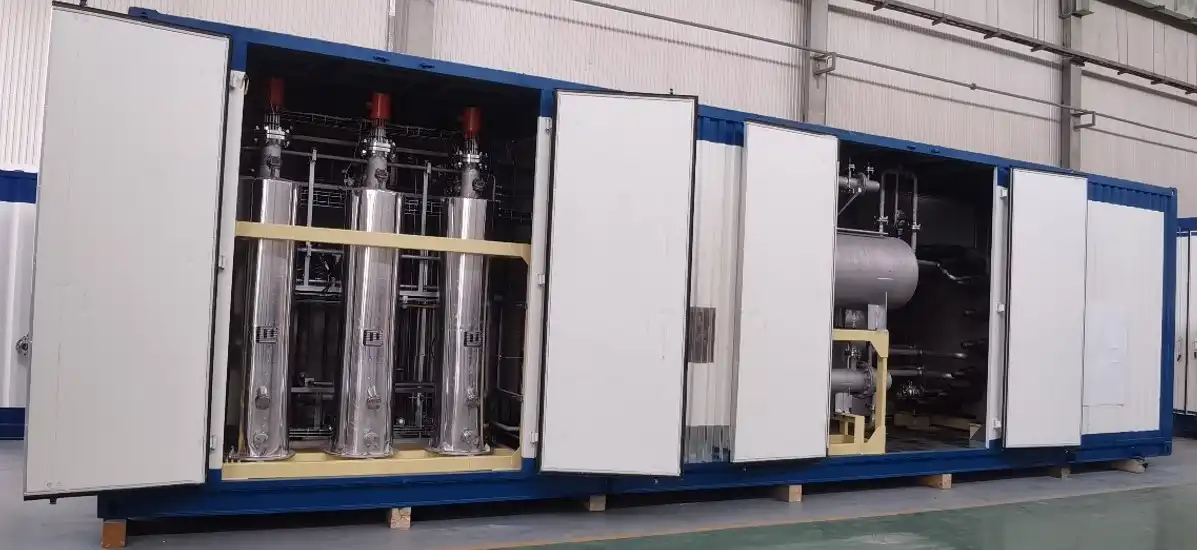
Our systems can be installed indoors or outdoors in a variety of temperature ranges thanks to their containerized and small designs. This means they can be used in a wide range of site conditions without requiring major building changes.
Maintenance and Long-Term Service
Effective repair plans extend the life of tools and cut down on unexpected downtime. Our service framework includes regular inspection plans, methods for checking electrolyte concentration, and repair guides that are made to get problems fixed quickly. The optimized design philosophy puts accessibility for upkeep tasks at the top of the list and uses strong parts that can handle the tough conditions of constant industrial operation.
Local support networks for Hydrogen Generator make sure that extra parts and expert help are always easy to find. This speeds up the time it takes to provide service when it's needed.
Flexible Procurement Models
Getting things needs to be done in a way that fits the needs of the job. We work with procurement teams to make sure that deals are in line with business goals, whether it makes sense to buy something directly for long-term installations or if other arrangements work better for project timelines and limited capital. Pricing that is clear, guarantees that cover everything, and helpful service after the sale all build trust throughout the lifecycle of the tools.
Safety and Environmental Compliance
Regulatory compliance keeps your business safe from lawsuits and shows that you are a responsible business. Our hydrogen production systems follow strict safety rules for electricity systems, high-pressure equipment, and areas that are considered dangerous. Environmental compliance goes beyond following rules about emissions; alkaline electrolysis only creates hydrogen, oxygen, and heat as results, with no harmful emissions or garbage streams that need to be thrown away.
This legal conformity makes the permit process easier and helps companies meet their green reporting standards.
How ALK Hydrogen Solutions Drive Business Value and Efficiency?
Hydrogen generation equipment must do more than meet technical requirements; it must also offer real business benefits. Our alkaline electrolysis systems add value in a number of ways that have a direct effect on our financial success and strategic positioning.
Operational Efficiency and Cost Management
The cost of making hydrogen is mostly determined by how much energy is used. Our electrolysis cells are proven to be more efficient than average, using a lot less electricity per unit of hydrogen created compared to the norm. This means that the equipment will have lower running costs over its many-decade lifespan. When these efficiency gains are added up over megawatt-scale systems that run all the time, they add up to big annual savings compared to less efficient options.
Durable construction and tried-and-true parts cut down on upkeep costs and get rid of the need for expensive stack repairs that some rival technologies require. The large power range lets the system adapt to the amount of renewable energy that is available. This makes the best use of cheap wind and solar power that would otherwise be lost.
Supporting Corporate Sustainability Objectives
When companies around the world make promises to reduce their carbon emissions, they need to be able to put those promises into action. Green hydrogen made by electrolysis driven by green energy sources helps hard-to-reduce industrial areas cut their emissions. Using green hydrogen as a fuel, chemical companies can make ammonia and methanol. Refineries can cut down on scope 1 and 2 emissions from hydrogenation processes, and steel companies can get rid of coal from direct reduction operations.
These apps make sure that businesses are in line with global efforts to cut down on carbon emissions, meet the needs of stakeholders, and put businesses in a good position as carbon pricing systems and border adjustment policies grow.
Scalability and Future-Proof Design
The desire for hydrogen in industry rarely stays the same. If your output capacity grows, you add new product lines, or the rules about emissions get stricter, you may need more hydrogen. Our modular system design lets us increase the system's capacity by adding more electrolyzer units without having to replace the equipment that is already in place. This modularity saves the original investment and makes it easy to add on as the business grows.
Customization options make sure that the system setup fits the needs of a particular industry, including pressure standards, purity levels, and the ability to work with current utilities and control systems.
Making an Informed Purchase Decision with ALK
When choosing Hydrogen Generator equipment, you need to look at more than just the starting cost of the equipment. A structured method to review is helpful for people who work in procurement.
Key Performance Metrics to Evaluate
When comparing different ways to make hydrogen, there are a few success markers that should be looked at closely. Production must be able to keep up with current demand, with enough room for organizational freedom and growth in the future. Energy efficiency decides how much it costs to run an asset over its lifetime. This means that verified data on energy use is much more useful than manufacturer promises.
The operational lifespan estimates show how much it will cost to own and when it needs to be replaced. The need for maintenance affects both the direct prices of service and the availability of production. To avoid problems with the quality of the final product or extra costs for cleaning, the purity levels of the gas must meet the requirements of the process that uses it.
How well the equipment can work with changeable renewable power sources or adapt to changing production plans is based on its load flexibility. Cold start time affects how quickly operations can be changed and how well they can handle emergencies.
Understanding Total Cost of Ownership
The price of the tools at the start is only one part of its lifelong economics. Costs of energy use usually go over capital costs within a few years of operation for less efficient systems. This means that price increases for more efficient systems are worth a lot. Total ownership costs include the cost of repairs and new parts, the time and work needed by operators, and the number of times parts are expected to need to be replaced.
System dependability has a direct effect on the continuation of production; unplanned downtime costs a lot more than the savings in maintenance that come from using cheaper equipment. Risk exposure and operational planning are affected by things like warranty coverage, service turnaround promises, and the availability of parts.
Leveraging Expert Consultation
The expert team at CM Energy can help you find equipment that fits the needs of your industry through advice services. This way of working together looks at things like production numbers, duty cycles, energy access, site limitations, the regulatory environment, and integration needs to figure out the best way to set up the system. Having access to application experience in metals, semiconductor production, chemical synthesis, and refining helps with finding real-world answers instead of just reading about them in theory.
When you combine competitive price with proven performance, you get a strong value offer for businesses that want to run in a way that is good for the environment. Our full help, which includes choosing the right equipment, installing it, making sure it works, and ongoing maintenance, lowers the risk of adoption and speeds up the time it takes to start making hydrogen.
Conclusion
CM Energy's TSC ALK Hydrogen Generator is reliable, efficient, and scalable, which are all important for industrial hydrogen uses. Verified success meeting with the U.S. Benchmarks from the Department of Energy, approvals from well-known standards groups, and more than 50MW of successful deployments around the world show that the technology works. The alkaline electrolysis technology is more cost-effective because it doesn't use valuable metal catalysts, it lasts longer than two decades, and it uses less energy, which cuts costs by 15-20% compared to other options. Whether your business needs hydrogen for metallurgical processes, oil processing, chemical synthesis, or making semiconductors, our complete solutions give you the technical performance and business value you need when making a purchase choice.
FAQ
1. How does alkaline electrolysis compare to other hydrogen production methods?
For large-scale production of green hydrogen, alkaline water electrolysis is the most stable and cost-effective method. Electrolysis, which is driven by renewable energy, makes hydrogen with no carbon pollution, while steam methane reforming does. When compared to PEM electrolysis, alkaline systems don't need expensive valuable metal catalysts. This means that capital costs are lower and there is no chance of commodity prices going up or down. The proven working lifespan is longer than alternatives; many systems work effectively for decades instead of needing to be replaced every few years.
2. What maintenance does the system require?
Monitoring the quantity of electrolytes, checking connections, and doing regular checks on the electrical system are all part of routine maintenance. The potassium hydroxide solution needs to be checked on a regular basis to make sure that the right concentration and amounts of carbonate stay within the guidelines. In contrast to technologies that need to change stacks often, alkaline systems use nickel-based electrodes that are very sturdy and last the whole life of the equipment. Accessibility for maintenance is a top priority in our optimal design, which makes service easy and cuts down on downtime.
3. Can the equipment integrate with renewable energy sources?
The wide power range lets the system work at 20% to 150% of its stated capacity, which accounts for the fact that wind and solar power aren't always reliable. While steady baseload running is good for the system, modern control systems allow for effective load-following to get the most out of the renewable power that is available. This adaptability helps get back intermittent green energy at a low cost, while demand-side control helps keep the grid stable.
Partner with a Trusted Hydrogen Generator Supplier
CM Energy brings decades of experience with high-tech industry to the hydrogen economy. Our TSC ALK Hydrogen Generator systems for sale use advanced electrode and membrane technology along with a combined Balance of Plant design to provide complete turnkey solutions for tough industrial uses. With more than 25% of global marine equipment coverage and 159 approved patents that show we're always coming up with new ideas, we have the technical depth that big projects need. Please email our team at info.cn@cm-energy.com to talk about how our alkaline electrolysis technology can help you make green hydrogen while also saving you money on energy costs and helping you reach your sustainability goals.
References
1. International Energy Agency (2023). Global Hydrogen Review: Electrolysis Technology Assessment and Market Deployment Analysis. Paris: IEA Publications.
2. U.S. Department of Energy, Hydrogen and Fuel Cell Technologies Office (2022). Technical Targets for Hydrogen Production from Electrolysis: Performance Benchmarks and 2026 Goals. Washington, DC: DOE.
3. Bertuccioli, L., Chan, A., Hart, D., Lehner, F., Madden, B., and Standen, E. (2021). Development of Water Electrolysis in the European Union: Alkaline and PEM Technologies Compared. Fuel Cells and Hydrogen Joint Undertaking.
4. Schmidt, O., Gambhir, A., Staffell, I., Hawkes, A., Nelson, J., and Few, S. (2022). Future Cost and Performance of Water Electrolysis: An Expert Elicitation Study. International Journal of Hydrogen Energy, Volume 42, Issue 30.
5. National Renewable Energy Laboratory (2023). Hydrogen Production Cost Analysis: Electrolysis Technology Pathways and Industrial Applications. Golden, Colorado: NREL Technical Reports.
6. Buttler, A. and Spliethoff, H. (2021). Current Status of Water Electrolysis for Energy Storage, Grid Balancing and Sector Coupling via Power-to-Gas: A Review on Alkaline and PEM Electrolysis Technologies. Renewable and Sustainable Energy Reviews, Volume 82, Part 3.