5 Benefits of Implementing a Cargo Handling System
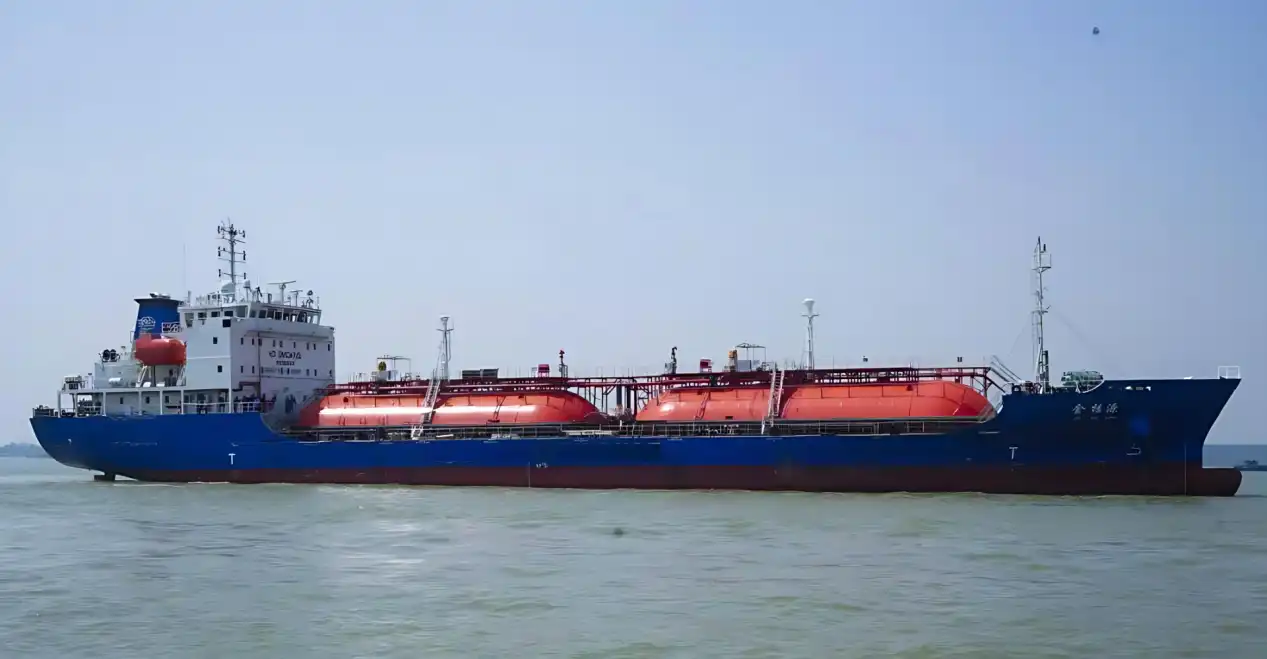
Having the right cargo handling system is very important when you're running VLGCs, ammonia carriers, heavy oil ships, or offshore support vessels. These designed solutions change the way that chemicals, energy, and liquefied gases move between tanks, ports, and places where they are unloaded. Modern systems solve the main problems that maritime operators face by combining submerged pumps, monitoring technologies, and emergency shutdown protocols. These problems include reducing port turnaround times, stopping cross-contamination, and staying in line with IMO MARPOL standards while increasing commercial throughput across all vessel types.
Enhanced Operational Efficiency
Streamlining Cargo Transfer Operations
How fast and reliably cargo moves during loading and unloading cycles determines VLGC and chemical ship speed. By automating manual processes like valve and pump setup, modern shipping techniques save turnaround time. These systems operate many pumps at once, so personnel may easily handle complex, multi-grade chemical packages or huge LPG movements.
TSC created three fully-filled LPG packages to help LPG, LEG, and LNG transporters. We've developed completely pressurised, semi-cold, and totally cold settings with our Norwegian design partner WTC. Each system integrates loading, re-liquefaction, and cargo tracking. This simplifies team coordination without manual work
Reducing Manual Labour and Human Error
Automation in goods-handling infrastructure replaces labour-intensive manual procedures that required staff attention during critical shifts. Submerged deepwell pumps eliminate pump rooms, freeing up space for items and simplifying staff work. Automatic valve sequencing by centralised systems eliminates the risk of mixing commodities or pressure imbalances due to incorrect valve designs.
Chemical package trucks with up to 50 product kinds benefit from these automation capabilities. The system handles several pumps and pipe networks for each tank. This keeps non-mixing substances like methanol and palm oil clean. Separation would be difficult with human labour, particularly during complex combined discharge procedures at ports with several berths.
Integration with Monitoring and Control Technologies
Maritime operations must now monitor cargo movement in real time. Modern cargo transport uses a central control system with temperature, pressure, and tank level sensors. This offers workers a complete view. This combination allows you to make judgements ahead of time rather than repair issues when working parameters deviate from optimum.
TSC's cargo handling systems contain several tracking functions to ensure pressure and temperature safety throughout the voyage and at port. The built-in Emergency Shutdown (ESD) devices immediately stop pumps and close valves to prevent problems from worsening. Technical superintendents use data streams to schedule repairs and optimise performance with this degree of integration.
Improved Safety and Risk Reduction
Built-in Safety Features and Automation
Every stage of carrying liquid gas and chemical commodities is safe since equipment failure might cost money and harm the environment. Modern freight infrastructure has several safety elements that protect persons, property, and maritime environments. Automated gas detection, pressure relief, and fail-safe valve setup increase safety without human intervention.
TSC systems are intended for LPG and ammonia's flammability with sophisticated safety measures. Our solutions retain cargo within particular pressure and temperature limits and rapidly adjust the system to accommodate environmental or operational changes. Full monitoring constantly monitors all essential elements, triggering automated responses before danger.
Minimising Human Exposure to Hazardous Environments
Historically, cargo ship crews were exposed to hazardous vapours, cryogenic temperatures, and tremendous pressures. New goods handling designs automate procedures that used to need workers in unsafe regions and relocate control functions to safer places. Submerged pumps may be repaired in a controlled atmosphere instead of cargo tanks or tiny pump rooms.
Chemical trucks that deliver ammonia and caustic or dangerous compounds need this decreased risk. By controlling valves and pumps, systems reduce personnel exposure to harmful atmospheres. Emergency response procedures operate better when personnel can start or halt processes remotely and safely instead of going into machinery rooms.
Compliance with International Maritime Standards
As global awareness of environmental concerns grows, marine cargo laws tighten. Cargo handling systems must comply with IMO, MARPOL, and classification society requirements. These guidelines include material specifications and usage. Built-in compliance means older technology doesn't need to be upgraded to meet current requirements.
Our technical staff is well-versed in dual-fuel, liquid gas carrier, and chemical tanker laws. With this information, we can ensure that any cargo handling system we provide fulfils current requirements and includes design gaps for potential regulatory revisions. The infrastructure protects your operating licence and market access when in operation.
Cost Savings and Operational ROI
Reducing Labour Expenses and Operational Downtime
The benefits of sophisticated freight handling infrastructure extend beyond the initial expenditure. The operational economics of the infrastructure over its lifespan are included. Automated solutions simplify crewwork, which may assist operators in discovering the ideal staffing levels and improve operational stability. More significantly, technology reduces errors that cause costly shipping claims, environmental issues, and unplanned repairs.
Downtime is costly in maritime activity. Daily VLGC and VLCC charter fees may reach tens of thousands of dollars. Any cargo handling systems technology that cuts port turnaround time by a few hours each trip makes a ship a lot of money over its lifetime. Stable cargo handling systems with minimal unforeseen maintenance occurrences preserve revenue lines and maintain well-planned journey schedules.
Energy Efficiency and Resource Optimisation
Pump speed affects fuel usage while transporting items. This matters more when ships spend more time at anchor loading and unloading. Modern goods-moving designs incorporate energy-efficient hydraulic or electric driving systems. They also include variable speed options to adjust pump output to operating demands rather than running at full capacity.
TSC's system design emphasises efficiency since running expenses rise during a vessel's lifetime. By offering completely pressurised and totally cold configurations, we let customers pick the optimum one for their trading patterns and cargo characteristics. This customisation ensures that the firm uses energy according to its demands, not too much capacity.
Transparent Lifecycle Cost Management
Marine firms consider more than pricing while buying. Also included is total cost of ownership. Smart purchasers recognise that professional assistance, replacement parts, and maintenance frequency impact total cost over time. Hidden expenses that erode operating margins are reduced by cargo handling systems with standard components and clear instructions.
Our comprehensive lifecycle support and after-sales service include planning, installation, and operation. With WTC, we apply Norway's stringent technical standards to solutions, and by producing several units, we learn how to solve real-world operating challenges. Our freight handling solutions provide quantifiable outcomes for as long as they are employed with this combination.
Scalability and Flexibility for Growing Businesses
Adapting to Diverse Vessel Types and Cargo Grades
There is a huge range of ships in the maritime energy transportation field, from 5,000 CBM LPG carriers to 84,000 CBM VLGCs, chemical parcel trucks to ammonia-fueled containerships. For cargo handling infrastructure to work well, it needs to be able to handle all of these different types of cargo, with setups that can be changed to fit the size of the vessel and the specific needs of each cargo. This kind of flexibility is made possible by modular design methods, which let managers choose systems that are perfectly suited to their needs.
TSC is able to change because it has a lot of experience with different types of ships, such as chemical tankers, dual-fuel ships, and liquid gas carriers. Our cargo handling options range from fully pressurised systems for smaller port traders to semi-cold setups for mid-sized vessels and finally to fully cold systems for the toughest long-haul jobs. Each configuration gets vessel-specific engineering that takes into account how the tanks are set up, how the pipes are laid out, and any other operating needs that are special to that ship.
Supporting Fleet Modernisation and Expansion
Shipping companies don't usually keep their trucks in one place. Through newbuilding projects, conversions, and retrofits, the fleet is always changing to keep up with business growth, changes in regulations, and new market possibilities. Cargo handling systems that support this evolution through standardised interfaces and scalable designs help them adapt to these changes, so the value of an investment is kept even if the fleet changes. When information and spare parts can be easily shared between multiple ships, instead of needing expertise that is special to each ship, it's better for operators.
Our wide range of products meets this need by providing unified services for LPG container handling infrastructure, Methanol Fuel Supply Systems (MFSS), LNG Fuel Supply Systems (FGSS), Ammonia Fuel Supply Systems (AFSS), and FGSS. Because of this, operators can keep technical standards the same across a wide range of vessel types. This makes training and operating processes easier while also building strong organisational expertise with tried-and-true solutions.
Future-Proofing Through Advanced Technologies
The marine industry is at a turning point because of the need to reduce carbon emissions, which is speeding up the use of renewable fuels and new vessel designs. As ammonia, methanol, and hydrogen become more common marine fuels over the next few decades, cargo handling systems that are already in place must still work. Designs that look to the future include the automation and tracking features that will work well with the digital ship environments of the future.
Our growth plan is centred on this problem, combining our experience in making standard marine tools with technologies that reduce carbon emissions on ships and in the ocean. We're doing a lot of study on marine hydrogen production technology, hydrogen storage systems, and large-scale fuel cells that will shape the way ships move in the future. This study guides our current designs for handling cargo, making sure that the systems we offer today have the technology foundations to change with the times as the industry does.
Enhanced Supply Chain Visibility and Control
Real-Time Monitoring and Data Analytics
Today, decisions about everything from individual ships to whole fleet networks and supply chain partners are made with more and more help from data. When cargo handling systems are connected to large networks of sensors, they send out constant amounts of data that include information about pump performance, flow rates, pressure trends, and temperature profiles. This data is sent to operations centres on land, which check on the state of the fleet in real time and can step in before problems affect operations.
TSC freight handling systems' tracking capabilities provide this insight across all essential aspects. Cargo and tank level monitoring devices work together to track supplies 24/7. Sensors monitor pressure and temperature to ensure safety. It aids short-term operational decisions and long-term fleet performance, maintenance optimisation, and business planning strategy.
Strengthening Communication Across Stakeholders
Multiple individuals must coordinate their efforts for sophisticated maritime operations to transfer products smoothly. Terminal staff must be informed of ship arrival and cargo. Classifying organisations requiring repair and system change records. Charterers need verification of goods condition and transfer amount. Systems for transporting freight that retain precise records of activities make these communication demands simpler to satisfy, reducing management burden and improving accuracy.
This coordination is evident throughout our installation procedure. Technical clarification conversations verify vessel design plans and system interface requirements. We ship ready-to-assemble system pieces with instructions on how to connect pipes, route control wires, and start the system. This information speeds up installation and ensures everyone knows the system's capabilities and usage.
Building Long-Term Technical Partnerships
Purchases of marine gear are more than simply purchases. Ship systems span decades and need technical support, spare parts, and engineering assistance for upgrades or issues. Seller interactions become relationships when both parties understand one another. This helps fix issues fast and improve performance.
CM Energy collaborates with clients. We are a tech-driven firm that seeks to lead future energy sector improvements. Long-term client confidence is built on reliability, which we've shown with over 350 deck cranes and 25% offshore drilling equipment coverage. Our 159 approved patents, including 10 innovation patents, demonstrate our ability to innovate and outperform the competition. Due to our track record and innovative concepts, we can assist your fleet for as long as it runs.
Conclusion
For the maritime energy transfer field, using a modern cargo handling system changes how things can be done. The five benefits we've talked about here—increased efficiency, better safety, cost savings, scalability, and supply chain visibility—give owners of VLGCs, chemical ships, LNG carriers, and offshore support vessels real competitive advantages. These systems are long-term investments that protect operating stability and set up fleets for success as market conditions and legal requirements change. When you combine tracking technologies, automation tools, and safety features into an advanced cargo handling system, you get infrastructure that works reliably for decades of heavy use while also being able to adapt to changing operating needs.
FAQ
1. What types of cargo handling systems does CM Energy offer?
We can provide full options for fully pressurised, semi-cold semi-pressurised, and fully cold setups. TSC has developed and shipped three fully pressurised LPG packages, and they are still adding to their range of services for LNG, ammonia, and chemical cargo. Each system gets engineering that is specific to the craft and fits its working needs.
2. How do cargo handling systems improve operational safety?
These systems have fail-safe designs that protect people and property, as well as automated tracking and emergency stop features. By keeping people out of dangerous areas and cutting down on manual tasks, they greatly lower the chance of accidents and make sure that all operating phases meet international marine safety standards.
3. Can existing vessels be retrofitted with modern cargo handling infrastructure?
It is possible to retrofit, but the ship structure, pipelines, and control system integration need to be carefully studied by engineers. We do thorough viability studies that look at things like technology needs and return on investment. Our flexible designs and many years of experience with retrofitting allow us to make improvements that make vessels last longer and perform better.
4. What maintenance support does CM Energy provide?
We provide full lifetime support, which includes installation, testing, and ongoing operation. As part of our after-sales service, we offer expert support, extra parts, and engineering help for making changes or fixing problems. This all-around method makes sure that systems keep working at their best for as long as they are in use.
Ready to Optimise Your Vessel's Cargo Operations?
CM Energy is ready to use our top-notch knowledge to help you solve your unique operating problems. As a reliable provider of cargo handling systems, we've created and sent tried-and-true options to chemical ships, liquefied gas carriers, and offshore boats that work all over the world. Through our relationship with WTC, we bring the best Norwegian design to every project, and our full lifecycle support makes sure that your systems keep running at their best for as long as they are in use. The TSC name stands for quality, innovation, and dependability. Our large collection of patents and track record with more than 180 self-elevating platforms around the world back this up. Get in touch with us at info.cn@cm-energy.com to talk about how our unique cargo handling solutions can make your fleet safer, more efficient, and more profitable.
References
1. Maritime Safety Committee, "International Code for the Construction and Equipment of Ships Carrying Liquefied Gases in Bulk (IGC Code)," International Maritime Organisation, 2016.
2. Chen, W., "Advanced Cargo Handling Systems for Chemical Tankers: Design Principles and Operational Considerations," Journal of Marine Engineering & Technology, vol. 18, no. 3, 2019.
3. American Bureau of Shipping, "Guide for Cargo Handling Systems for Liquefied Gas Carriers," ABS Technical Publications, 2021.
4. Peterson, R. and Langvik, M., "Automation and Safety in Modern LPG Carrier Operations," Scandinavian Shipping Gazette, vol. 45, 2020.
5. Lloyd's Register, "LNG and LPG Carriers: Design, Construction and Operational Requirements," Lloyd's Register Technical Library, 2022.
6. International Gas Carriers Association, "Best Practices for Cargo Handling Operations on Gas Carriers," IGCA Industry Guidelines, 2023.