What You Need To Know About WAPS
When marine operators talk about cutting-edge ways to reduce carbon emissions, WAPS come up as a proven technology that is changing how fuel-efficient ships around the world are. WAPS uses advanced stiff sail systems to collect natural wind energy, which cuts down on fuel use and greenhouse gas emissions in a measured way. Shipowners, operators, and newbuild designers can make decisions that balance legal compliance with operational revenue when they know how WAPS fits into modern ships and what procurement factors mean the most.
Understanding WAPS Technology
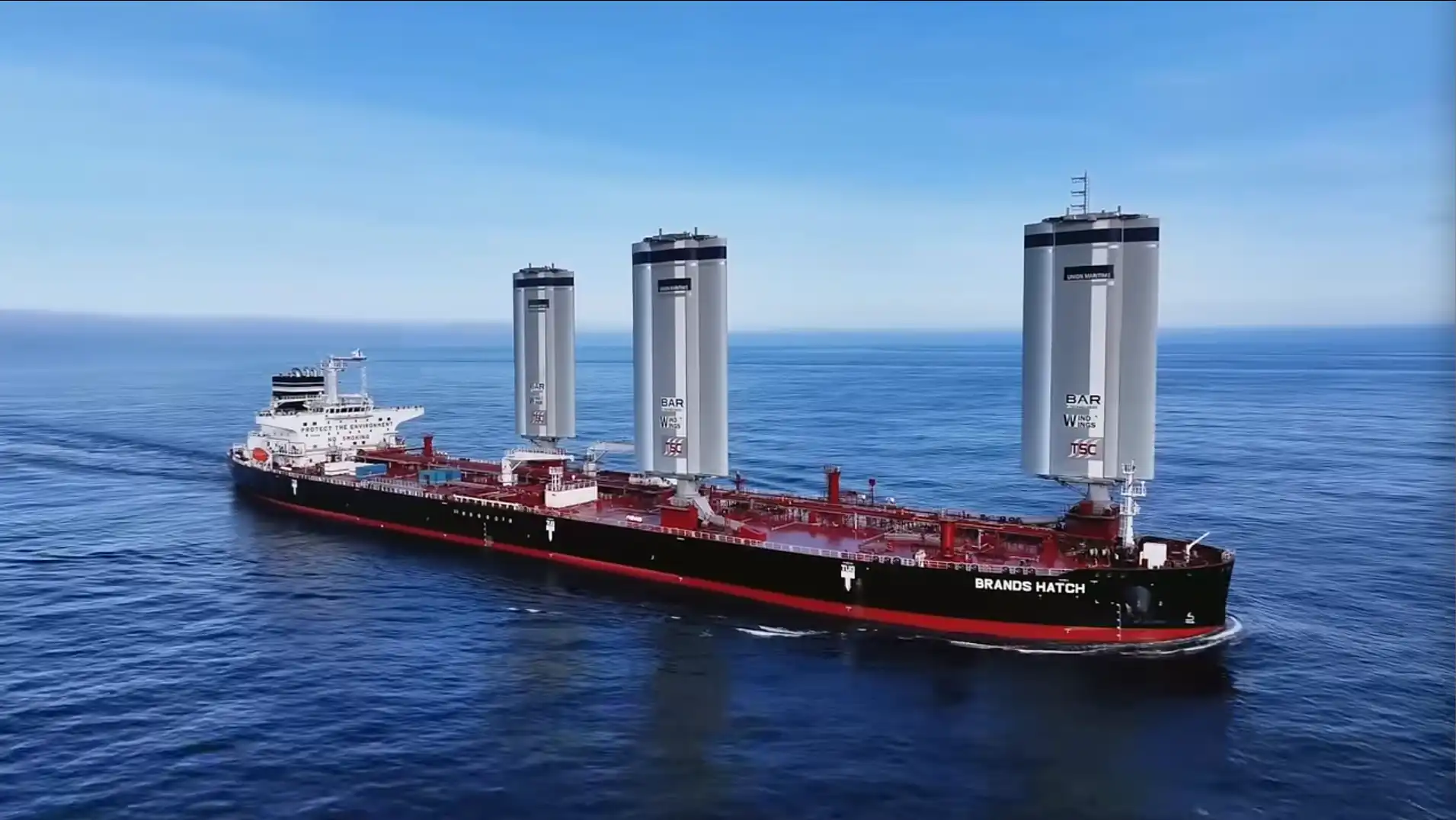
WAPS technology completely changes the way business ships use wind power. In the past, canvas sails needed a lot of help from the crew. Today, Wind-Assisted Propulsion Systems use rigid wing structures that are automatic and constantly change to get the best wind power. These systems work as extra power, working with regular engines instead of removing them. This cuts down on fuel use while keeping plans on time.
The Core Principles Behind WAPS
WAPS relies on aerodynamic ideas refined over many years of marine and aeronautical engineering research. Changing wing surface pressure provides forward thrust, similar to aeroplane lift but horizontal. Advanced control systems continually monitor wind speed, direction, vessel heading, and load conditions to optimise ship movement by changing wing camber and angle of attack. Automation simplifies operations so personnel may concentrate on navigation and transporting items while the system does everything.
Stiff sail systems are weatherproof. Marine-grade steel frames composed of industrial composite materials can withstand seawater corrosion, UV exposure, and harsh weather. During port operations or adverse weather, hydraulic control systems instantly rotate the wings into secure laydown positions. This secures the framework and makes handling things easy.
Integration Within Vessel Operations
When WAPS is deployed, wing units are put across ship decks without interfering with cargo handling equipment or hatches. This design benefits bulk carriers and tankers since the wings lie between the cargo compartments, making loading and unloading straightforward. While berthing, the system may swivel to be flush with the deck. This ensures compatibility with port cranes and equipment.
The vessel's backup engines provide the minimal quantity of power required without load capacity pressures. Control connections seamlessly integrate with bridge navigation systems, providing crew members with real-time data on thrust input, fuel savings, and optimal routes. This transparency increases operational trust and allows performance monitoring.
Benefits Driving Adoption
WAPS is mostly used to save on gasoline. Fuel savings of 15% to 30% on excellent lines reduce operating expenses, according to independent validation tests. Even after accounting for capital cost and maintenance, these savings add up to a high return on investment throughout the vessel's lifetime.
Regulation compliance is another advantage. Through 2030 and beyond, the International Maritime Organisation's Carbon Intensity Indicator standards establish harsher emission reduction objectives. WAPS allows ships to comply with CII guidelines, which boosts their ratings and maintains them desirable to charterers in an environmentally conscious market. Wind assist technology reduces ship emissions, earning Environmental Social Governance badges that promote a company's image and satisfy stakeholders.
Operational independence distinguishes WAPS from other carbon-reduction technologies. Wind assist systems may be added to ships with simple modifications, unlike battery systems or hydrogen solutions, which need a lot of infrastructure. It is versatile, so operators may cut emissions throughout their fleets without waiting to construct new ones.
Key Types and Features of WAPS
There are different ways to build wind-assisted propulsion systems, and each one works best for a certain type of vessel and its intended use. Knowing about these differences helps buying teams match the technology that can be used with the needs of the fleet.
Design Categories and Applications
Today's most modern wind assist propulsion technology is rigid wing devices like WindWings. Three-element wings have better thrust coefficients than single-element wings; hence, they burn less fuel in more wind conditions. The variable camber function optimises performance upwind, downwind, and on beam reaches, saving you the most fuel each year.
Wing size varies on craft size and purpose. Smaller sites are excellent for coastal vessels and short-sea transport, which can plan itineraries and use ports regularly. Longer transoceanic tankers and bulk ships may catch stronger high-altitude winds on extended cruises, saving the most fuel.
Chemical tankers, LR2 product carriers, and Newcastlemax bulk carriers are good WAPS retrofits. These ships follow trade routes and have ample deck space for wings without decreasing cargo capacity. Regardless of wind patterns, good length-to-beam ratios and typical operating speeds save fuel year-round with wind assist performance.
Safety and Operational Features
WAPS runs safely on automated control systems. Continuous structural health monitoring detects unusual vibrations, hydraulic pressure fluctuations, and control system issues. This triggers defence before minor issues worsen. If anything goes wrong, crew members may drop the wings immediately using manual override.
Weather routes enhance WAPS beyond wind capture. Special software analyses meteorological predictions along planned itineraries to discover the optimal wind-assisted routes while satisfying timelines and sea state constraints. Routing teams on land use web-based technologies to adjust travel plans as weather changes. Combining human and computer expertise maximises wind resource value.
Strong construction standards imply essential elements won't require replacing for 25 years. Ship-grade steel core frames can survive millions of adjustment cycles, while composite wing surfaces retain their aerodynamic characteristics after exposure to the environment. Marine-grade hydraulics and shielded electrical parts can withstand seawater spray and extreme temperatures, reducing maintenance and downtime.
Compatibility and Integration Strategies
A structural, operational, and legal compatibility assessment is needed for WAPS deployment to occur well. Naval engineers determine how much weight may be carried on the deck and ensure that the frames can withstand additional weight and dynamic stresses from the wings. Visibility tests reveal that the wings maintain maritime law-required sailing sight lines.
Category group approvals demonstrate the plan's safety and soundness. Leading maritime authorities, including DNV, Bureau Veritas, and Lloyd's Register, update wind assist system approval frameworks, making certification simpler. These choices simplify loan and insurance applications, lowering company application hurdles.
Retrofits and fresh builds have varied integration timelines. When added to new structures during development, WAPS operate best with the existing structure and cost the least. Retrofit deck alterations and foundation installation need drydock access. Normal maintenance periods are used to do these activities to avoid disrupting operations.
Comparison and Decision-Making for WAPS Solutions
WAPS works well with battery systems; wind assistance lowers the load on the main engine during ocean journeys, and batteries take care of zero-emission port activities. This combination covers a wider range of operating situations than either tool by itself. If you want to compare wind-assisted propulsion to other ways of reducing carbon emissions, you need to know the pros, cons, and practical issues of each technology.
Comparative Technology Analysis
In ports and short excursions, battery hybrid propulsion minimises pollution, but its low energy density makes it unsuitable for long sea travel. WAPS works well with battery systems since wind assistance reduces main engine load during ocean voyages and batteries handle zero-emission port operations. This combo covers more operational circumstances than each tool alone.
Liquefied natural gas naval fuel reduces carbon dioxide emissions, but fuel systems and tank space are expensive. While fuel infrastructure modifications lower emissions, WAPS does so faster. When LNG and WAPS are implemented combined, ships reduce emissions even further, beating future regulations.
New hydrogen and ammonia fuel technologies provide zero-carbon mobility, but safety and an immature supply chain need regulatory action. WAPS reduces emissions immediately using proven technology, providing solutions while other technologies evolve. Future ships may use wind power and renewable fuels to eliminate carbon emissions.
Vendor Selection Criteria
When choosing a supplier, technical maturity and business track record matter. Systems that have been utilised for over a year on many ship types and trade routes are trusted for stability and performance. Independent fluid dynamics research organisations and a classification society support the maker's claims concerning fuel savings and structural strength.
Premium providers give lifetime support, unlike equipment dealers. Full service packages that include installation control, crew training, performance tracking, and scheduled maintenance ensure system performance throughout vessel operation. Reduced downtime is achieved via remote diagnostics and worldwide service networks.
Customisation freedom considers craft and operational necessities. Custom engineering is needed for decks with unusual layouts, unique equipment for transporting products, or extreme weather conditions. Standardised WAPS configurations operate for ships with regular blueprints. Integration works best when shipowners, personnel, and technology suppliers plan together.
Setting Up and Managing WAPS in Your Business
Putting Wind-Assisted Propulsion Systems into action needs careful planning on the scientific, tactical, and financial levels.
Installation Planning and Execution
Compatibility studies examine structural capacity, practical procedures, and regulatory compliance approaches before deployment. Naval engineers determine whether the deck requires strengthening to sustain the wings' foundations and weights. Wing location preserves crane access and hatch operations, eliminating operational compromises in WAPS cargo simulations.
Factory acceptance testing ensures system functionality before tank installation. Manufacturers test control systems, hydraulic actuators, and structural elements against design specifications and classification society standards and record their findings. This testing step uncovers manufacturing or measurement errors. Simple and affordable fixes are then made.
Onboard installation normally occurs during specified drydock periods, minimising operational impact. During maintenance windows, specialised installation crews weld the foundation, wings, and control system, and commission. Sea trials are used to develop control algorithms and verify performance estimations by showing how the system functions in real life.
Operational Management and Maintenance
Practical skills and trust are gained throughout crew training. Training resources include WAPS operation, control interface usage, frequent inspections, and emergency response. Team members learn the system via hands-on exercises during sea testing. This aids early issue detection in actual operations.
Operations are always visible with IoT performance monitoring. Cloud dashboards provide system status, fuel savings, and thrust input in real time. Board personnel and land management teams may examine these measurements. This openness enables you to plan your vacation using data and supports your business case with real-world examples.
Maker-recommended maintenance periods are generally the same as vessel checkups and regulatory evaluations. Inspections include structural integrity, hydraulic fluid analysis, control system calibration, and composite surface condition assessments. Preventive maintenance reduces system failure and lifespan costs from reactive repair.
Addressing Common Implementation Challenges
Some airports' wing height constraints generate port compatibility concerns. While docked, tilt mechanisms lower the wings' profile. This allows shore cranes and loading machines to cooperate with the ship. Planning ahead allows you to know about route-specific issues so you can deal with port authorities before the journey.
Because wind resources are naturally distributed, trade lines affect performance. Detailed route analysis during viability studies helps consumers establish realistic savings objectives to avoid disappointment. Even on low-wind routes, the system produces money, and on favourable routes, it should be deployed throughout the fleet.
Conservative maritime enterprises may adapt to innovative methods using organisational change management. Early learner programs demonstrate how technology may benefit internal stakeholders, increasing institutional knowledge and enthusiasm. First-site successes shift uncertainty into support for implementing the technology across a broader fleet.
Future Outlook and Industry Trends in WAPS
Regulatory forces, new technologies, and more practical experience are all pushing wind-assisted propulsion systems to change quickly.
Emerging Technological Developments
Speed optimisation may increase with AI. Instead of rules-based control strategies, machine learning systems that analyse voyage data, weather patterns, and vessel responses will improve them. Predictive analytics may optimise wing setup minutes before circumstances change, increasing efficiency.
New wing design concepts use superior materials and improve efficiency. While lighter, composite constructions retain strength and reduce installation weight. Small form modifications improve thrust output over time, according to computational fluid dynamics modelling. Fuel is saved over thousands of running hours annually.
In the future, autonomous operating abilities may enable hands-free WAPS control. Future technologies may be able to take off and land without crew supervision or human interaction. Automation would simplify processes, enabling fewer people with less expertise to deploy wind assist equipment.
Market Evolution and Strategic Positioning
WAPS development is accelerated by regulations. Ships without emission-reducing gear may struggle to operate and make money as Carbon Intensity Indicators get tougher. Wind assist systems installed early keep fleets ahead of compliance curves, retaining operational flexibility and charterer appeal.
More finance techniques consider wind power as a proven carbon-reduction tool. Green finance methods provide attractive rates for eco-friendly initiatives, making the business case more viable. Carbon credit markets may be able to convert pollution reductions into money in the future, offering more opportunities to earn money than save fuel.
Shipyard partnerships simplify ship integration. Designs that include wind assist technology into vessel specifications from the start increase structural integration and operational performance. Together, technology businesses, maritime engineers, and shipyards can give ship owners entire solutions that simplify purchase.
Preparing for Next-Generation Solutions
Ships will have wind assistance devices from the outset as designs alter. Future ships may feature improved deck layouts, stronger frames, and WAPS-compatible power control systems. This design principle improvement enhances performance most while lowering complexity and maintenance expenses.
Hybrid power architectures with several decarbonisation methods are most probable. WAPS is part of a bigger pollution-reduction scheme that includes alternative fuels, battery systems, and energy savings. Integrated system optimisation balances technology roles under diverse operating conditions, reducing emissions more than any single strategy could.
Standardising operational data allows business-wide success comparisons. As more WAPS systems are placed in teams worldwide, anonymous performance data will enhance savings models, uncover the best solutions, and accelerate technical innovation. This shared learning benefits everyone and reduces maritime sector carbon emissions faster than independent development initiatives.
Conclusion
WAPS have been shown to reduce emissions in business marine operations in a way that can be made profitable. WAPS technology blends advanced aerodynamic engineering with useful operating integration. It saves a lot of fuel and makes it easier to follow the rules. The systems can be used on a wide range of ships, from chemical tankers to Newcastlemax bulk carriers. This makes them flexible for both retrofitting and newbuilding. Implementation risks are lower when there is full lifecycle support, established classification approvals, and a growing practical track record. As demands to reduce carbon emissions in the marine sector grow, wind assist propulsion puts forward-thinking operators at the forefront of sustainable shipping. This helps the environment and makes businesses more profitable by lowering fuel costs and making ships more competitive.
FAQ
1. Which vessel types benefit most from WAPS installation?
The best results for WAPS are seen on bulk carriers, tankers, and big cargo ships that travel across oceans on paths where wind patterns can be predicted. This is especially true for chemical tankers, LR2 product carriers, and Newcastlemax bulk carriers because of their size, operating patterns, and deck layouts. Coastal boats and Ro-Ro ships use shorter-span methods that are better for running in regions with lots of port calls.
2. How does WAPS compare with alternative emission reduction technologies?
WAPS can be put into use right away and has been shown to save fuel using current vessel infrastructure. Unlike battery systems that have limited range or different fuels that need to be developed in order to be used, wind aid technology works right now. WAPS works better with other options than against them. It lowers emissions even more when used with batteries, LNG conversion, or steps to make operations more efficient.
3. What operational changes does WAPS require from vessel crews?
Modern WAPS works mostly on its own, needing little help from the crew during normal activities. Automated control systems make constant changes to the wings, and pilots can see how the plane is doing on screens built into the bridge. Training programs teach people how to use the system and what to do in an emergency, but day-to-day tasks are more like keeping an eye on the ship's gear than actively managing the sails.
Partner With CM Energy for Advanced Wind Propulsion Solutions
Our three-element rigid wing systems save up to 30% on fuel on favourable routes, as confirmed by third parties. They are backed by DNV approval and real-world operating proof across twenty major global ports. We help vessel owners with the whole implementation process, from the initial compatibility check to overseeing the installation and ongoing performance tracking through IoT connectivity. Our global service network makes sure that your fleet always has access to quick and reliable repair help, and our thorough crew training programs give them the confidence they need to do their jobs right from the start.
Whether you're looking into WAPS retrofit options for current tankers and bulk carriers or building next-generation newbuilds with built-in wind propulsion, CM Energy can help you find solutions that fit your needs and help you reach your business goals. Get in touch with our expert team at info.cn@cm-energy.com to talk about how our WindWings systems can help you save money on fuel, show that you care about the environment, and improve your CII compliance. We are a well-known WAPS manufacturer with a track record in marine technology. We can help your fleet take advantage of the business and environmental benefits of modern wind assist power.
References
1. International Maritime Organisation (2023). "Guidelines on the Method of Calculation of the Attained Energy Efficiency Design Index for New Ships." Marine Environment Protection Committee, Resolution MEPC.308(73).
2. Nelissen, D., Traut, M., Köhler, J., Mao, W., Faber, J. und Ahdour, S. (2016). "Study on the Analysis of Market Potentials and Market Barriers for Wind Propulsion Technologies for Ships." CE Delft Report commissioned by the European Maritime Safety Agency.
3. Lloyd's Register and UMAS (2019). "Zero-Emission Vessels: Transition Pathways." Maritime Decarbonisation Research Report, London.
4. Traut, M., Gilbert, P., Walsh, C., Bows, A., Filippone, A., Stansby, P., and Wood, R. (2014). "Propulsive Power Contribution of a Kite and a Flettner Rotor on Selected Shipping Routes." Applied Energy, Volume 113, Pages 362-372.
5. Bergeson, L. and Greenwald, M. (2022). "Wind-Assisted Ship Propulsion: Commercial Viability and Technical Integration Challenges." Journal of Marine Engineering and Technology, Volume 21, Issue 4.
6. DNV (2021). "Alternative Fuels and Technologies for Greener Shipping." Maritime Forecast to 2050, Energy Transition Outlook Special Report, Høvik, Norway.