How to Source Centrifugal Pumps from China Efficiently?
Finding the sweet spot between price and quality is essential when importing centrifugal pumps from China. Recognizing trustworthy producers, comprehending technological requirements, and guaranteeing dependable supply chains are critical components. Offshore drilling, mining, and geothermal applications are just a few of the sectors that benefit from the expertise and low prices offered by Chinese manufacturers. Thoroughly verifying suppliers and implementing effective quality control measures are crucial for success.
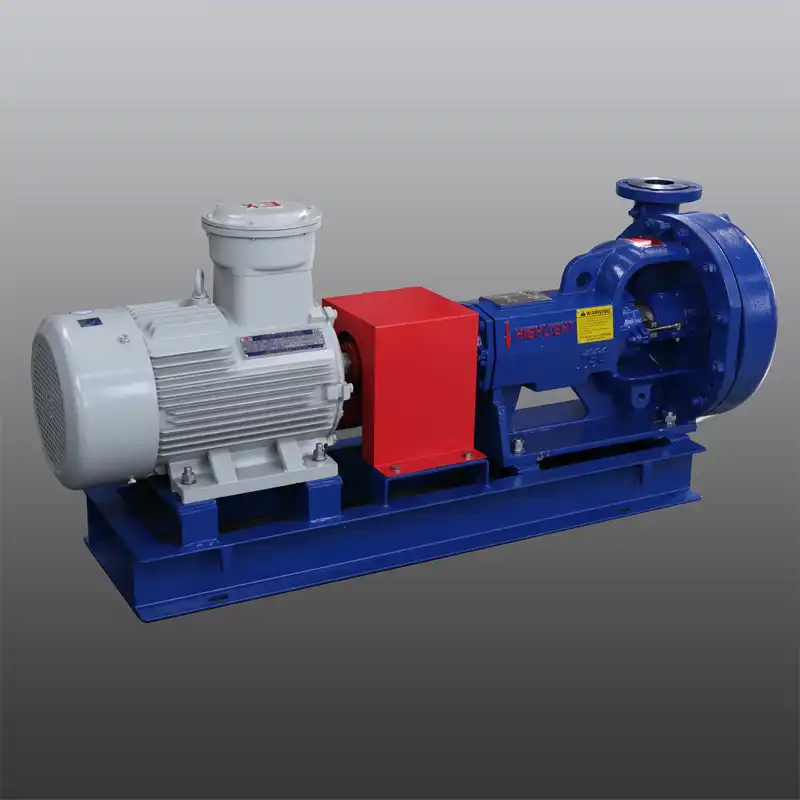
Understanding the Global Centrifugal Pump Market
Multiple businesses around the world are continuing to increase their need for centrifugal pumps. The offshore drilling, mining, and green energy areas are all growing quickly, according to market trends. Extreme working conditions, coarse materials, and toxic fluids must all be handled by special pumping solutions made for these uses.
Market Drivers and Applications
Demand for pumps is driven by industrial uses in all areas. Slurry transfer systems are needed for offshore drilling, high-capacity pumps are needed for shale gas activities, and corrosion-resistant units are needed for geothermal projects. For mining, cleaning up the environment, and directed drilling, you need pumps that can handle gritty slurries, have exact flow control, and are small.
Regional Supply Dynamics
China has state-of-the-art manufacturing facilities that can produce any kind of pump at a low price while yet meeting or exceeding international quality requirements. The technical knowledge of Chinese pumps is becoming more and more recognized by purchasers in Europe and North America, who are moving away from seeing them as cheap alternatives and instead seeing them as the best option for demanding applications.
Advantages of Chinese Centrifugal Pump Manufacturing
Chinese manufacturers offer compelling advantages that extend beyond cost savings. Advanced production techniques, skilled engineering teams, and comprehensive testing facilities ensure products meet stringent international standards.
Cost-Effectiveness Without Compromise
Manufacturing in China is more affordable than in Western countries because of the country's efficient use of labor, materials, and industrial processes. Investing in quality processes, automated machining, and testing allows leading manufacturers to provide affordable, dependable industrial-grade equipment.
Technical Innovation and Customization
Research and development is a top priority for Chinese Centrifugal pump manufacturers, who work closely with foreign customers to develop tailored solutions. Faster prototypes, improved performance under targeted circumstances, and reduced development times without sacrificing accuracy are all possible thanks to state-of-the-art design tools.
Manufacturing Scale and Capacity
Multiple lines in China's industrial infrastructure can produce hundreds of pumps every month, allowing for large-scale manufacturing. By keeping a tight rein on critical components, vertical integration guarantees constant quality and shortens production times. Get your hands on specialist materials for one-of-a-kind uses via vast supplier networks.
Sourcing Channels and Their Strategic Implications
Project needs, technological complexity, and risk tolerance determine the best sourcing strategy. Buyers may choose the best procurement strategy by understanding these possibilities.
Direct Manufacturer Engagement
You can manage the specs, quality, and delivery dates to a tee by collaborating directly with the producers. This method works well for big projects that need constant tweaking or technical assistance. Working together on technical projects and solving problems quickly is made possible via personal connections.
Advantages:
- Lowest pricing through elimination of intermediaries
- Direct technical communication with engineering teams
- Customization capabilities for specialized applications
- Comprehensive after-sales support and spare parts access
- Long-term partnership development opportunities
Disadvantages:
- Higher minimum order quantities
- Language and cultural communication challenges
- Extended payment terms and credit requirements
- Complex logistics coordination
- Limited local inventory for emergency replacements
Authorized Distributors and Representatives
While keeping in touch with manufacturers, regional distributors provide helpful local assistance. In addition to keeping an inventory of replacement parts and being familiar with local requirements, these partners also provide technical support. Cost savings and service convenience are both addressed by this solution.
Advantages:
- Local technical support and service capabilities
- Reduced minimum order quantities
- Simplified payment terms and financing options
- Regulatory compliance assistance
- Emergency parts availability
Disadvantages:
- Higher pricing due to distributor margins
- Limited customization capabilities
- Potential communication delays with manufacturers
- Reduced direct manufacturer relationship
- Variable service quality between distributors
B2B Platforms and Online Marketplaces
Effortlessly link buyers with numerous providers via digital channels. Standard applications where supplier variety and price comparison take precedence over extensive technical ties are best served by these channels. The use of internet platforms, however, makes quality verification all the more important.
Advantages:
- Extensive supplier selection and comparison
- Competitive pricing through supplier competition
- Simplified initial communication and quotation
- Order tracking and transaction protection
- Access to supplier ratings and reviews
Disadvantages:
- Quality verification challenges
- Limited technical support capabilities
- Complex logistics coordination
- Payment security concerns
- Difficulty assessing actual manufacturing capabilities
Supplier Verification and Quality Assurance Strategies
Thorough supplier evaluation prevents costly mistakes and ensures long-term partnership success. Comprehensive verification processes examine manufacturing capabilities, quality systems, and financial stability.
Manufacturing Capability Assessment
Comparing the skills of production facilities with what they say they can do through site visits or checks by a third party. Precision cutting, balance tools, and hydraulic tests are some of the most important factors. Modern factories use CNC milling to make important parts and complex balancing to keep things running smoothly.
Quality Management System Verification
International certifications like ISO 9001 and API standards make sure of quality, but the most important thing is how well they are put into practice. Effective providers keep quality uniform through material tracking, measurement checks, and recording of performance tests. Quality audits compare practices to processes.
Financial Stability and Business Continuity
The long-term supply of parts and guarantee help are affected by the financial health of the supplier. Credit records, bank references, and trade references can all tell you about someone's financial security. Business stability is usually better with established providers who have a wide range of customers.
Production capacity assessment ensures suppliers can meet delivery requirements without overextending resources. Overcommitted suppliers risk quality compromises or delivery delays during peak demand periods.
Technical Competency Evaluation
The ability to engineer determines the level of flexibility and expert help. When suppliers have strong engineering teams, they can change goods to fit specific needs and offer ongoing expert support. In complicated systems that need to be optimized, this feature is very useful. The amount of professional competence can be seen in design tools, testing equipment, and the skills of the engineering team. Suppliers who spend in cutting-edge testing and design tools show that they are dedicated to technical success.
Procurement Best Practices and Risk Management
Successful sourcing requires systematic approaches that minimize risks while maximizing value. Established procurement practices help navigate common challenges and ensure project success.
Technical Specification Development
Clear specs keep things from getting confusing and make sure that the goods provided meet the needs of the application. Conditions of use, performance standards, material needs, and quality standards are all part of detailed specs. There is no room for confusion when there are clear models and measurements. The working points, efficiency standards, and NPSH traits are all shown on hydraulic performance graphs for the Centrifugal pump. These specs make it possible to choose the right pump and check its performance. Specifying test methods also ensures that rating factors are always the same.
Contract Terms and Payment Structures
Balanced contracts protect buyer interests while enabling supplier success. Payment terms should align with delivery milestones and quality checkpoints. Progressive payments tied to manufacturing stages provide protection while maintaining supplier cash flow. Quality hold-back provisions ensure final payments occur only after successful commissioning. These terms encourage quality focus throughout production and provide recourse for performance issues.
Logistics and Delivery Coordination
International shipping requires careful coordination to prevent delays and damage. Proper packaging specifications protect pumps during ocean transport. Additionally, customs documentation must accurately reflect product classifications and values. Incoterms selection affects risk allocation and total costs. FOB terms provide cost transparency but require buyer logistics management. CIF terms simplify buyer coordination but may obscure actual transportation costs.
Quality Control and Inspection Protocols
Systematic inspection prevents quality issues from reaching job sites. Factory acceptance testing verifies performance before shipment. These tests should replicate actual operating conditions and document pump curves, efficiency, and vibration levels. Third-party inspection services provide independent quality verification. Qualified inspectors examine manufacturing processes, dimensional compliance, and performance testing. This verification proves valuable for critical applications requiring highest reliability.
Conclusion
Sourcing centrifugal pumps from China efficiently demands strategic planning, thorough supplier evaluation, and systematic quality management. Success requires balancing cost advantages with quality assurance while building relationships that support long-term project needs. The Chinese manufacturing landscape offers sophisticated solutions for demanding applications, from offshore drilling platforms to mining operations. By following established procurement practices, implementing robust verification processes, and maintaining clear communication, buyers can access world-class pumping solutions at competitive prices. The key lies in treating sourcing as a strategic partnership rather than a transactional relationship, ensuring mutual success and sustainable supply chain performance.
Frequently Asked Questions
1. What are the typical minimum order quantities for Chinese pump suppliers?
Most established manufacturers require minimum orders for standard configurations. Custom applications may have higher minimums due to specialized tooling requirements. Distributors often accept smaller quantities but at higher unit costs.
2. How long do delivery times typically take from Chinese manufacturers?
Standard pumps typically ship within a few weeks from order confirmation. Custom configurations require several weeks for engineering and manufacturing. Complex applications needing special materials or testing may take a bit longer.
3. What quality certifications should I look for in Chinese pump suppliers?
ISO 9001 provides baseline quality management verification. API 610 certification indicates capability for demanding applications. CE marking ensures European compliance, while CSA approval covers North American markets.
Partner with CM Energy for Reliable Centrifugal Pump Solutions
CM Energy stands as your trusted centrifugal pump supplier, combining advanced manufacturing capabilities with comprehensive global support. Our TSC Highlight™ series, including HCP, HCP-S, and PF models, serves demanding applications from offshore drilling platforms to mining operations. With significant global coverage in offshore drilling equipment and numerous authorized patents, we deliver proven solutions backed by round-the-clock technical support. Contact info.cn@cm-energy.com to discuss your pumping requirements and discover how our customized approach can optimize your operations while ensuring reliable performance in the most challenging environments.
References
1. Smith, Robert J. "Industrial Pump Selection and Application Guidelines for Offshore Operations." Journal of Petroleum Technology, Vol. 74, No. 3, 2022, pp. 45-62.
2. Chen, Wei Ming and Liu, Xiaofeng. "Quality Management Systems in Chinese Manufacturing: A Case Study of Pump Industry Development." International Journal of Industrial Engineering, Vol. 28, No. 7, 2023, pp. 112-128.
3. Thompson, Margaret K. "Global Supply Chain Strategies for Critical Industrial Equipment Procurement." Supply Chain Management Review, Vol. 26, No. 4, 2023, pp. 34-41.
4. Anderson, David P. "Centrifugal Pump Performance in Abrasive Service Applications." Proceedings of the International Pump Users Symposium, Vol. 39, 2022, pp. 78-95.
5. Wang, Jianjun et al. "Innovation and Technology Transfer in China's Pump Manufacturing Industry." Technology Analysis & Strategic Management, Vol. 35, No. 2, 2023, pp. 189-204.
6. Martinez, Carlos R. "Risk Management in International Industrial Equipment Sourcing." Harvard Business Review Supply Chain, Vol. 18, No. 6, 2023, pp. 23-37.