Marine LNG Fuel Gas Supply System Future Outlook
The maritime business is at a turning point where operational success and environmental responsibility meet. As companies around the world switch to cleaner propulsion technologies, the LNG Fuel Gas Supply System has become a key option for ship owners who want to meet strict pollution rules while still getting good fuel prices. In the future, fuel gas delivery systems will change because of better automation, mixing them with green energy sources, and making them more modular so they can fit a wide range of vessel types, from very big crude ships to barges that run on inland waterways. We expect the market to grow strongly, thanks to regulatory momentum and better bunkering infrastructure around the world.
Understanding Marine LNG Fuel Gas Supply Systems
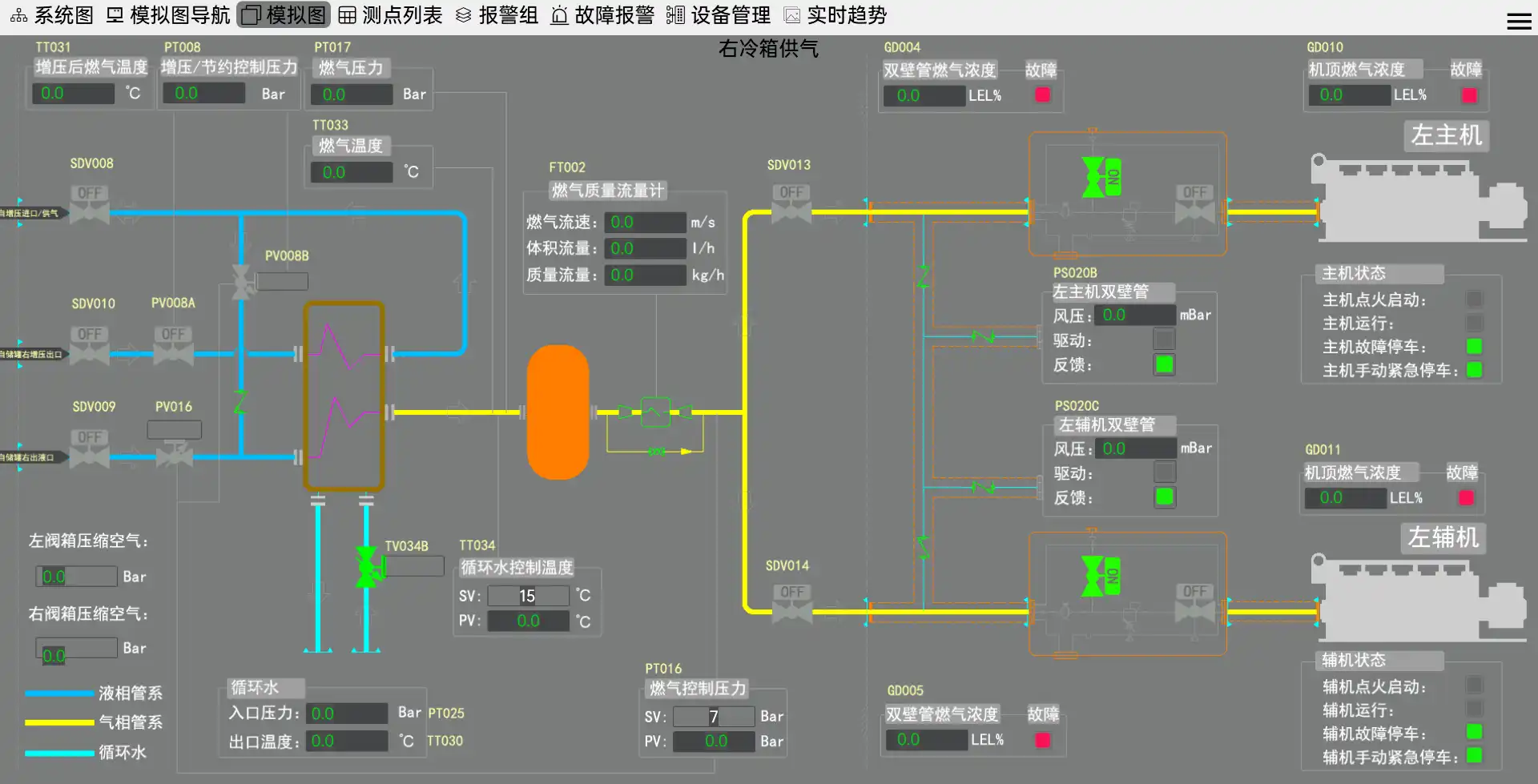
Marine LNG Fuel Gas Supply Systems represent sophisticated engineering solutions designed to bridge cryogenic storage conditions with the precise inlet requirements of dual-fuel engines and auxiliary power generators. These systems control the whole thermal trip of liquefied natural gas, which starts in a stored state at about -162°C and goes through controlled vaporization, pressure conditioning, and filtering before it is sent to combustion units.
Core Components and Operational Architecture
The cryogenic storage tank, made of austenitic stainless steel alloys, is the most important LNG Fuel Gas Supply System component. The architecture includes high-integrity cryogenic pumps, vaporizers with glycol-water heating loops, and complex control panels with programmable logic controllers. Low-pressure versions for Otto-cycle engines keep output below 16 bar. High-pressure versions for compression-ignition engines use Pressure Build-Up Units to achieve over 300 bar. Filtering removes particles before fuel reaches engine inlet manifolds.
Safety Standards and Compliance Framework
The IGF Code from IMO is the main safety rule set, requiring double-barrier protection, gas monitoring systems, and emergency stop options. Classification societies including DNV, Lloyd's Register, and ABS add their own technical requirements. Compliance requires proper material selection, correct welding procedures, and thorough hazard studies. Designers must demonstrate single-failure operation through component redundancy and clear separation between dangerous and safe areas. Documentation spans from design approval to ongoing maintenance records.
Key Trends Shaping the Future of Marine LNG Fuel Gas Supply Systems
LNG Fuel Gas Supply Systems are moving in the same direction as the marine industry as a whole: toward digitalization, decarbonization, and operational efficiency. These movements in parallel produce benefits that improve the performance of the system and meet the needs of new markets.
Automation and Digital Integration
More and more, modern LNG Fuel Gas Supply Systems use robotic technologies that make operations more reliable and lower the work that crews have to do. Technical teams on land can check on the performance of the system in real time using remote tracking tools. This lets them find problems before they become major problems that stop operations. Digital twin technology, which creates virtual copies of physical systems, lets operators simulate different working scenarios. This lets them find the best ways to use fuel and predict with a level of accuracy that has never been seen before what repair needs to be done. Artificial intelligence programs look at past performance data to find small trends that show that a component is starting to break down. Instead of standard service intervals based on time, predictive maintenance strategies use condition-based methods that make equipment available more often while reducing the number of times it needs to be fixed. These technological improvements directly lead to lower operational costs and better fleet effectiveness for ship owners who manage a variety of trade routes.
Environmental Benefits and Regulatory Drivers
When liquefied natural gas burns, sulfur oxide drops by about 99%, nitrogen oxide by up to 85%, and particulate matter nearly disappears. These benefits align with IMO rules including the global sulfur cap and greenhouse gas reduction goals through 2050. Emission control areas in sensitive coastal regions encourage gas-powered vessels. Shipowners whose routes go through European, North American, and increasingly Asian waters find LNG systems enable easy compliance while avoiding scrubber problems or higher ultra-low sulfur fuel oil costs.
Industry Value Chain Transformation
Gas-powered ship growth changes every part of the marine environment. Shipyards train workers in cryogenic installation skills. Bunkering infrastructure expands with new LNG bunker ships and land sites at major ports. Equipment makers like CM Energy invest heavily in R&D. CM Energy's TSC brand offers low-pressure and high-pressure products, showing manufacturer adaptability. Strategic partnership with MAN Energy Solutions on high-pressure systems combines engine maker knowledge with system integration capability, speeding technology development and ensuring supply chain compatibility.
Comparing LNG Fuel Gas Supply Systems: What Marine Procurement Managers Should Know?
Making choices about purchases affects how a ship works in the long term, so it's important to carefully look at technical specs, cost factors, and the supplier's abilities. Knowing the differences between LNG Fuel Gas Supply Systems helps procurement managers match the tools they choose with the mission needs of the vessel and their fleet management strategies.
Low-Pressure versus High-Pressure Architectures
Delivery pressure needed for fuel combustion is the main difference between system types. Low-pressure systems for Otto-cycle engines using spark plugs supply between 5 and 16 bar, working well for medium-speed engines on ferries, offshore support vessels, and smaller passenger ships. Compression-ignition engines need high-pressure devices. MAN ME-GI engines require over 300 bar using special pump units. The high-pressure method uses less fuel and releases much less methane slip, about one-tenth that of comparable Otto-cycle types.
Performance Metrics and Selection Criteria
Efficiency ratings show thermodynamic loss when converting stored liquid to conditioned gas. Better designs use less energy during pressing and vaporizing. Durability tests examine component life under temperature stress, vibration, and corrosive environments. Modern cryogenic pumps operate 4,000 to 8,000 hours between inspections. Automation ranges from simple pressure-temperature control loops to full platforms connecting to vessel management systems. Reliability includes system-level redundancy where critical path elements have backups. Emergency shutdown systems must work without fail.
Procurement Guide: Securing the Optimal Marine LNG Fuel Gas Supply System
To get through the buying process, you need to carefully consider the needs of the vessel, the skills of the suppliers, and the overall costs over the LNG Fuel Gas Supply System lifetime. A structured method helps people who work in procurement find the best solutions while keeping technology risks and price limits in mind.
Matching System Specifications to Vessel Requirements
Interface standards are set by engine manufacturers. Technical paperwork lists delivery pressure ranges, temperature tolerances, gas quality standards, and flow rate capabilities as non-negotiable factors. Verifying compatibility with planned propulsion equipment prevents costly problems during commissioning. Ship owners must balance tank space against cargo capacity, since fuel tanks occupy space that could otherwise generate revenue. Routes with limited LNG bunkering infrastructure require larger storage than routes with established supply networks.
Component Selection and System Configuration
Storage tank selection involves Type C pressure vessels, membrane systems, and vacuum-insulated designs. Type C cylinder or bi-lobe tanks are most common due to construction ease and installation flexibility. TSC packages equipment inside tank cooling systems, saving space where machinery areas compete with cargo or passenger accommodations. Vaporizer technology includes steam, glycol-water, or air types. Control systems range from simple panels to integrated platforms managing multiple fuel sources including diesel backup.
Installation Considerations and Maintenance Planning
Equipment providers, shipyards, and vessel managers must coordinate. Detailed interface paperwork sets clear responsibility lines for piping, electrical connections, and structural supports. Prefabricated modular designs shorten installation time and improve consistency. Designers must leave adequate space for inspections and part replacement. Manufacturer paperwork lists service times for pumps, control valves, and instrumentation. Specifications should include spare parts availability, technical support response, and training options enabling crews to perform routine maintenance.
Case Studies & Future Outlook: What's Next for Marine LNG Fuel Gas Supply Systems?
Implementations in the real world teach us a lot about how well LNG Fuel Gas Supply Systems work and show us new patterns of use that point the way for future market growth.
Proven Performance in Diverse Marine Applications
CM Energy's low-pressure LNG Fuel Gas Supply System has operated commercially for over a year, showing stable performance across varied conditions. This operating history validates design methods and generates data guiding continuous improvement. Pure Car/Truck Carrier designs with dual-fuel engines producing nearly 14,000 kilowatts demonstrate technology scalability on large commercial vessels. Type C tanks provide bunkering flexibility supporting global trading patterns. Retrofit systems use modular designs grouping equipment into small spaces, enabling installation on older vessels with limited room.
Hybrid Energy Systems and Alternative Fuel Integration
Beyond liquefied natural gas, the marine industry is moving toward carbon-neutral and carbon-negative fuel sources as a way to reduce its carbon footprint. LNG Fuel Gas Supply Systems are becoming more and more like bases that can hold different types of fuel, like bio-methane, synthetic methane made through power-to-gas pathways, and blends of hydrogen and natural gas. This method that is flexible with fuels shields ship owners against future changes in the rules and allows for slow changes as alternative fuels become more widely available. Hybrid propulsion systems combine gas-fueled engines with battery energy storage or fuel cell systems. These are new designs where fuel gas supply systems work with power sources that work well together. These complicated arrangements make the best use of energy across all operating modes. For example, batteries are used for moving, fuel cells are used to power hotels while ships are in port, and gas engines are used to move the ship through the water. To solve the problems that come up with integrating systems, you need complex control methods that can combine different energy sources without any problems and keep safety at all times. Offshore uses have special needs because systems support not only moving things, but also process equipment on floating production storage offloading units and specialty boats that work underwater. The sites show that the technology can be used for more than just standard cargo and passenger travel. This opens up new market groups with specific needs and high value propositions.
Regulatory Evolution and Market Forecasts
Upcoming governmental events will keep pushing people to use LNG Fuel Gas Supply Systems. The International Maritime Organization's greenhouse gas policy sets goals for reducing carbon intensity that will last until the middle of the century. This will keep the need for transportation systems with lower emissions high. Regional efforts, such as the European Union's carbon pricing systems and possible future carbon taxes put in place by national governments, add economic benefits that make people more likely to follow the rules. Market experts think that orders for gas-fueled vessels will grow a lot across a number of different areas. Shipyard order books that list dual-fuel engines are full of container ships, tankers, bulk carriers, and cruise ships. This buying activity directly affects the demand for fuel gas in the supply system, which opens up possibilities for both new and established producers. Geographically, market growth is strongest in Asian industrial hubs, where most of the construction capacity is concentrated, and in European markets, where early adoption is driven by concern for the environment. Technology roadmaps from big equipment manufacturers show that new technologies will continue to be developed. Improvements in technology that cut down on crew training, better materials that make service times longer, and modular standardization that lowers the cost of acquisition are all common themes in development. Digitalization opens up new ways of doing business. For example, equipment providers can switch from selling products to performance-based service contracts. This aligns the interests of both the supplier and the user in terms of reliability and efficiency.
Conclusion
Pressure from regulators, concerns about the environment, and better economic viability compared to traditional fuels will likely lead to steady growth in the marine LNG Fuel Gas Supply System market. Gas-fueled propulsion is becoming more and more popular among commercial vessel owners because it provides both compliance certainty and practical benefits, such as lower upkeep costs due to cleaner combustion and operational freedom across a range of regulatory regimes. Procurement professionals who know a lot about system designs, performance characteristics, and provider skills can easily go through the equipment selection process and match the needs of the vessel with the best technical solutions. As shipping moves toward using less carbon, fuel gas supply systems will be used as a bridge technology between today's reliance on fossil fuels and tomorrow's future of green energy.
FAQ
1. What are the primary safety considerations when implementing fuel gas supply systems aboard vessels?
Safety management is based on keeping double-barrier protection in place so that two separate failures must happen before dangerous gases can be released, preventing gas buildup in enclosed spaces with full gas detection networks, and putting in place automatic shutdown systems that cut off fuel pathways when abnormal conditions appear. Gas-powered ships have operating safety cultures that are set up through proper air design, crew training programs, and regular system testing.
2. How long does typical installation require for new construction versus retrofit scenarios?
During the hull fabrication and outfitting steps of new building sites, fuel gas supply systems are usually put in place. This process can take anywhere from three to six months, based on how complicated the system is and how busy the shipyard is. Retrofit installations take longer, six to twelve months, because of limited room that requires creative route planning, problems with coordinating with ongoing vessel operations, and the approval processes for changes to existing vessels by the classification society.
3. What cost factors should procurement budgets account for beyond initial equipment purchase prices?
A full study of the lifecycle costs includes labor for installation, changes to the structure to make room for the equipment, training for the crew, an inventory of spare parts, regular upkeep, and possible costs for a classification society survey. Hidden costs like extra time in the dock, project management resources, and design planning fees can make the total cost of the project much higher than the price of the equipment that was advertised.
Partner with CM Energy for Advanced Marine Fuel Solutions
CM Energy invites shipowners, shipyards, and marine procurement professionals to learn more about how our complete fuel gas supply system can improve the environmental performance and operating economy of your fleet. As a top maker of LNG Fuel Gas Supply Systems, our TSC brand offers tried-and-true low-pressure and high-pressure options that work with a wide range of vessels, from small boats along the coast to very big ocean-going carriers. Our tech team has a lot of experience with dual-fuel vessels and has helped many ships around the world put them into action successfully. We provide full lifecycle support, which includes initial design advice, custom system setup, production using certified methods, installation control, crew training, and quick technical support after the sale. Our smart relationships with top engine makers make sure that your propulsion equipment works well with ours. Contact our team at info.cn@cm-energy.com to talk about your unique needs and find out how our creative packaging methods, such as integrating equipment into tank cooling systems, can help you find reliable solutions that save room and fit your business's needs.
References
1. International Maritime Organization. (2023). "International Code of Safety for Ships using Gases or other Low-flashpoint Fuels (IGF Code): Implementation Guidelines and Technical Provisions." IMO Publishing.
2. Society of International Gas Tanker and Terminal Operators. (2024). "LNG Bunkering and Fuel Gas Supply Systems: Safety and Operational Best Practices for Marine Applications." SIGTTO Technical Report Series.
3. DNV Maritime. (2023). "Alternative Fuels Insight Platform: Technology Assessment and Market Outlook for Gas-Fueled Shipping." DNV Energy Transition Publications.
4. Marine Environment Protection Committee. (2024). "Greenhouse Gas Reduction Strategy Progress Report: Technology Pathways and Regulatory Framework Development." MEPC 81 Documentation.
5. American Bureau of Shipping. (2023). "Guide for Gas and Other Low-Flashpoint Fuel Ready Vessels: Design, Installation, and Operational Requirements." ABS Technical Standards.
6. International Gas Union. (2024). "Global LNG Marine Fuel Market Development: Infrastructure Investment Trends and Fleet Adoption Analysis." IGU World LNG Report.