Where to Buy Ammonia Fuel System for Ships
It is possible for maritime companies to get an ammonia fuel system for ships through a number of different routes. Direct sales are available from top marine decarbonization technology makers, and support and integration services are available at major shipping hubs in the United States, Europe, and Asia through well-known wholesalers. The market for Ammonia Fuel System has grown quickly, with sellers ranging from companies that have been making marine equipment for a long time and are now adding new products to their lines to companies that make clean fuel technology. It is still important to check the qualifications of suppliers, make sure they follow the rules, and look into their support networks after the installation is done in this new field.
Introduction
The marine commerce favors maintainability. Shipping contributes for 3% of nursery gas outflows; subsequently, the Worldwide Sea Organization set strict carbon contamination lessening objectives. Ships must cut carbon outflows 40% by 2030 from 2008. Net-zero emissions by 2050. These administrative confinements have pushed the search for overwhelming fuel oil and marine diesel substitutes. Alkali is a conceivable carbon-free dispatch fuel. Naturally cognizant armada proprietors ought to utilize alkali instep of fossil powers since it doesn't discharge CO2. But not at all like hydrogen, fuel may be kept fluid by cooling or by moving weight. Makes administration less demanding. Major motor producers accept that altered two-stroke and four-stroke marine motors can handle alkali. This appears to be the methodology that works for numerous vessels.
Choosing the right Ammonia Fuel System and supplier is a huge choice that will influence the execution of the transport, the security of the group, and the ship's ability to comply with the rules for a long time. It can be difficult for obtainment directors to keep track of unused innovations, changing security benchmarks, and suppliers' abilities. The right relationship makes beyond any doubt that everything works together easily, that operations are dependable, and that you can get master offer assistance as the innovation gets way better and the rules change.
Understanding Ammonia Fuel Systems for Ships
Core Components and Architecture
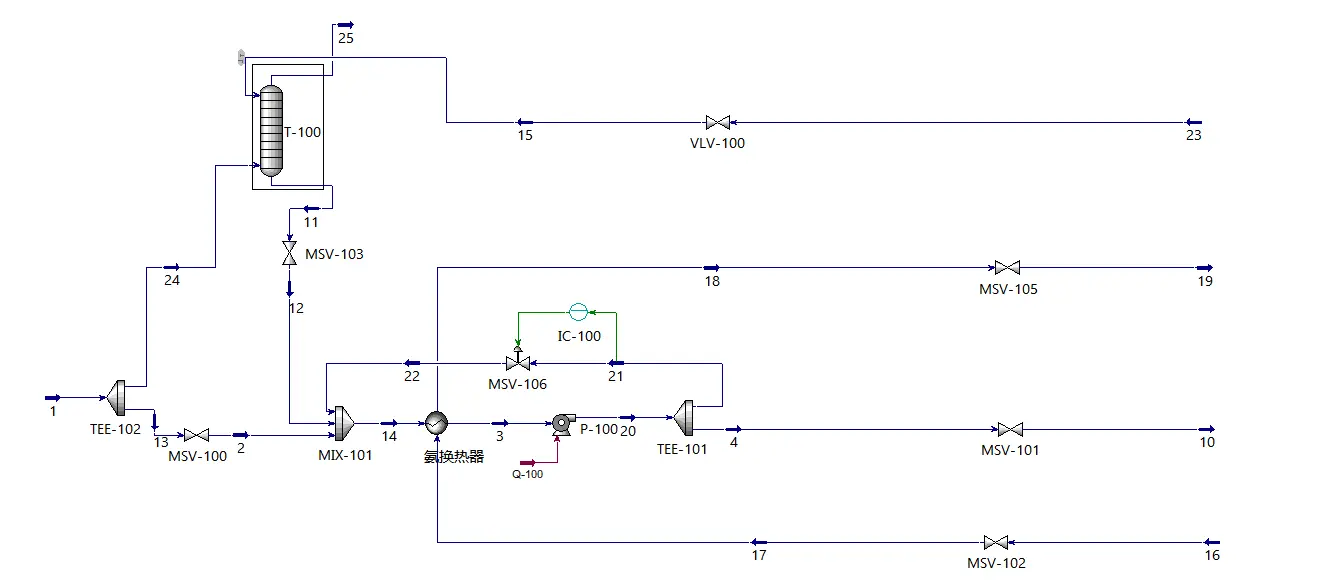
An Ammonia Fuel System is built from interconnected subsystems that securely store, handle, and convey alkali fuel to marine impetus hardware. Bunkering and capacity frameworks oversee fuel exchange into corrosion-resistant tanks, utilizing either pressurized or semi-refrigerated capacity depending on vessel sort and space limits. The Smelling salts Fuel Supply Framework plans fuel for motor utilize through pressurization, warm trade, and filtration. Fuel Valve Units direct stream with double-block and drain assurance. Ventilation, idle gas, and vapor dealing with frameworks anticipate perilous gas buildup, whereas robotized controls persistently screen working conditions and enact crisis shutdowns when required.
Operational Principles and Safety Integration
Ammonia-based marine fuel systems operate differently from conventional fuels because ammonia requires careful thermal management and corrosion-resistant materials. Temperature control keeps fuel stable for combustion, while stainless steel replaces copper alloys that rapidly degrade in ammonia service. Safety is deeply integrated into every Ammonia Fuel System through gas detection sensors, emergency shutdown systems, nitrogen purging arrangements, and advanced ventilation controls. Crew training standards are stricter than traditional fuel systems, focusing on emergency response and safe handling procedures. Multiple safety layers work together to maintain safe operating conditions and quickly respond to leaks or abnormal situations.
Buying Considerations: How to Choose the Right Ammonia Fuel System Supplier
Evaluation Criteria and Performance Metrics
Selecting an Ammonia Fuel System supplier requires assessing building skill, fabricating quality, and lifecycle back capabilities. Providers ought to demonstrate involvement with smelling salts dealing with, vessel integration, and successful marine fuel establishments. Certification from recognized classification societies affirms compliance with marine security requirements. Fabricating capability too things since solid quality control and manufacturing plant testing diminish commissioning dangers and conveyance delays. Dependable after-sales support, save parts accessibility, prescient upkeep apparatuses, and worldwide benefit scope offer assistance to minimize operational downtime. Comprehensive preparing programs guarantee teams and upkeep faculty can securely work and keep up the framework throughout the vessel benefit life.
Comparative Analysis with Alternative Fuels
Compared with LNG and methanol, ammonia offers unique benefits for long-distance shipping because it produces no carbon emissions during combustion and has higher volumetric energy density than hydrogen. LNG infrastructure is currently more mature, but ammonia provides stronger long-term decarbonization potential. Methanol is easier to handle but requires larger storage volume. Ammonia Fuel System installations are especially suitable for large ocean-going vessels where storage efficiency and reduced bunkering frequency are important. Total ownership cost includes retrofit complexity, fuel pricing, maintenance, safety equipment, and crew training. Long-term fuel price stability from renewable ammonia production strengthens ammonia’s future competitiveness.
Where to Buy Ammonia Fuel Systems for Ships
Leading Manufacturers and Market Landscape
The Ammonia Fuel System market includes both established marine equipment manufacturers and clean-energy technology specialists. TSC, developed by CM Energy, provides integrated ammonia fuel solutions based on extensive experience with ammonia carriers and LPG conversion projects. Their systems combine fuel conditioning, vapor management, valve control, inert gas protection, ventilation, and safety monitoring into a unified platform. European suppliers often focus on strict regulatory compliance, while Asian manufacturers emphasize cost-efficient production near shipbuilding centers. American suppliers contribute strong expertise in industrial ammonia safety systems. Buyers should compare supplier strengths against project-specific operational and technical requirements.
Procurement Channels and Supplier Vetting
Ammonia Fuel System procurement can be handled through direct manufacturers, marine equipment distributors, or integrated engineering partners. Direct purchasing offers faster technical communication and full lifecycle support, while distributors provide localized assistance and regulatory coordination. Supplier evaluation should include certification reviews from organizations such as DNV, Lloyd's Register, and American Bureau of Shipping. Customer references, factory visits, and technical compatibility studies help verify supplier reliability, manufacturing quality, and long-term support capability before contract commitments are finalized.
Flexible Sourcing Models
As the ammonia marine market expands, buyers can choose from turnkey systems, modular procurement strategies, or retrofit conversion kits. Turnkey solutions provide fully integrated systems that simplify project management and reduce technical risk. Modular sourcing allows owners to customize components for retrofit projects or vessels with limited installation space, although stronger technical coordination is required. Retrofit kits designed for specific engine and vessel types help reduce engineering costs and shorten installation timelines. Standardized conversion packages are especially effective for fleet-wide modernization projects involving multiple similar vessels.
Installation, Conversion, and Maintenance: What to Expect
Implementation Process and Timeline
Installing an Ammonia Fuel System requires coordinated engineering, regulatory approval, fabrication, installation, and commissioning activities. Design integration verifies compatibility with vessel structure, propulsion systems, and operational requirements while ensuring compliance with classification rules. Prefabricated modules undergo factory acceptance testing before shipment to reduce installation risks and minimize vessel downtime. Shipboard installation involves structural mounting, pipe routing, electrical integration, and staged verification testing. Commissioning validates full system operation under normal and emergency conditions. Crew training covers bunkering, operational procedures, monitoring, and emergency response before the vessel receives commercial operating approval.
Maintenance Requirements and Long-Term Support
Ammonia Fuel System maintenance focuses on preserving safety, reliability, and regulatory compliance throughout vessel operation. Routine inspections check for corrosion, valve wear, leakage, and sensor accuracy. Preventive maintenance schedules are aligned with vessel drydock periods and operational cycles to reduce disruption. Remote monitoring systems increasingly support predictive maintenance by analyzing system health indicators and identifying developing faults before failures occur. Spare parts support strongly affects operational reliability, making supplier logistics capability critical. Long-term relationships with suppliers that maintain regional inventories and global delivery networks help operators minimize downtime and maintain stable lifecycle costs.
Environmental Impact and Future Outlook of Ammonia Fuel Systems in Shipping
Sustainability Benefits and Regulatory Alignment
Ammonia Fuel System technology offers major environmental advantages by eliminating carbon dioxide emissions during combustion. Ammonia also avoids sulfur oxide and particulate emissions, helping ports and coastal regions improve air quality. Nitrogen oxide emissions still require careful engine optimization and exhaust treatment, but overall environmental performance significantly exceeds conventional marine fuels. International regulators and classification societies are increasingly supporting ammonia adoption through new safety frameworks, bunkering guidelines, and approval procedures. Growing regulatory alignment reduces uncertainty for shipowners investing in ammonia propulsion systems and supports broader marine decarbonization goals.
Technology Evolution and Market Growth Projections
Continuous innovation is improving the efficiency, reliability, and safety of Ammonia Fuel System technology. Enhanced leak detection, better emergency response systems, and optimized combustion methods are solving early operational challenges. Research into ammonia fuel cells and renewable green ammonia production may further improve sustainability and energy efficiency. Infrastructure investment across the hydrogen economy also supports ammonia adoption because ammonia serves as an effective hydrogen carrier. Industry forecasts expect hundreds of ammonia-powered vessels to enter service by 2030, ranging from ferries to large container ships and bulk carriers, driving economies of scale and lowering long-term operating costs.
Conclusion
Buying Ammonia Fuel System is a smart investment in the long-term sustainability and practical success of the maritime industry. The technology has grown up enough to be used in businesses, and trusted vendors offer complete solutions backed by technical knowledge and support throughout the product's lifetime. The project will be completed successfully if the suppliers are carefully evaluated based on their technical skills, certifications, and service infrastructure. To make decisions that are in line with fleet modernization goals, it's helpful to know the total cost of ownership, which includes installation, upkeep, and running costs. As regulations get stricter and bunkering infrastructure grows, ship owners who switch to Ammonia Fuel System early will be better prepared for the decarbonization shift in the marine industry.
FAQ
1. What vessel types are compatible with ammonia fuel systems?
A wide range of vessel types can have Ammonia Fuel System added to them, such as very large ammonia carriers, chemical ships, bulk carriers with a DWT of 40,000 to 400,000, crude oil tankers in the LR1 and VLCC configurations, offshore support vessels, and onshore river operations. The technology can be used for both new building projects and making changes to material that is already in use. Specific compatibility relies on how much room is available for fuel storage, how the power system is set up, and how the ship is used.
2. What safety measures are essential during ammonia fuel system operation?
Comprehensive safety measures protect against the dangers of ammonia in many ways. Continuous gas detection checks areas around machines and where fuel is handled, setting off alarms and automating actions at even the tiniest amounts of gas. Ventilation systems keep the atmosphere safe, and emergency shutdown systems quickly cut off the fuel supply. Personal safety equipment and crew training programs get people ready for both normal activities and emergencies. The systems have extra safety measures that meet the needs of the classification group.
3. How do lifecycle costs compare between ammonia and conventional marine fuels?
Because they need special parts and safety gear, Ammonia Fuel System cost more to set up at first than other fuel setups. The price of fuel has a big impact on operating costs, and the price of maritime-grade ammonia fuel is still open to change as the market grows. Once enough of these systems have been used, their maintenance costs should be about the same as those for other dual-fuel systems. The economic gap is getting smaller because it costs more to follow the rules for traditional fuels. The total cost estimate must take into account how long the vessel will be used and how the rules are likely to change over time.
Partner with CM Energy for Your Ammonia Fuel System Needs
Through its TSC name, CM Energy has the most experience in the business when it comes to buying and setting up Ammonia Fuel System. Our engineering teams have provided complete fuel supply options for a wide range of vessel types, showing that they can be counted on to do a good job. The self-designed Ammonia Fuel System is a mix of real-world marine knowledge and the newest safety technologies. We offer a full range of services, from initial design consultations to making, installation supervision, and ongoing upkeep.
As a company that has been providing Ammonia Fuel System for a long time, we know how hard it is for marine owners when new technologies come out. Our buying specialists work closely with clients to make sure that system specs match practical needs, that costs are kept as low as possible, and that the regulatory approval processes are followed correctly. Competitive pricing and adaptable buying models make it possible to work on projects ranging from converting a single vessel to updating an entire fleet. Get in touch with us at info.cn@cm-energy.com to talk about your Ammonia Fuel System needs and find out how our proven skills can help you reach your sustainability goals.
References
1. International Maritime Organization. (2023). "IMO Strategy on Reduction of GHG Emissions from Ships." Marine Environment Protection Committee, London.
2. Smith, T.W.P., et al. (2021). "Assessment of Ammonia as a Marine Fuel: Technical, Economic and Environmental Perspectives." Maritime Technology Journal, Vol. 18, pp. 245-267.
3. Lloyd's Register and University Maritime Advisory Services. (2022). "Zero-Emission Vessels: Transition Pathways." Maritime Decarbonization Research Consortium.
4. American Bureau of Shipping. (2023). "Guide for Ammonia Fuel Ready Vessels and Retrofits." ABS Technical Publications, Houston.
5. Hansson, J., Brynolf, S., Fridell, E., and Lehtveer, M. (2020). "The Potential Role of Ammonia as Marine Fuel." Renewable and Sustainable Energy Reviews, Vol. 134, Article 110334.
6. Maritime Research Institute Netherlands. (2022). "Safety Assessment of Ammonia as Marine Fuel: Risk Analysis and Mitigation Strategies." MARIN Report Series, Wageningen.