WindWings® Rigid Sail Technology Explained for Shipowners
Rising fuel costs and tightening carbon regulations have pushed shipowners worldwide to seek practical decarbonization solutions that deliver measurable returns. WindWings® rigid sail technology addresses this urgent need by harnessing wind power to reduce main engine reliance, cutting fuel consumption by up to 30% on optimized routes. Developed through collaboration with BAR Technologies in the UK, this patented three-element rigid sail system represents a commercially proven approach to wind-assisted propulsion. For fleet technical directors and newbuild project managers evaluating energy-efficiency investments, understanding how this technology works, its operational impact, and procurement pathways is essential to making confident capital allocation decisions aligned with IMO EEXI/CII and EU ETS compliance targets.
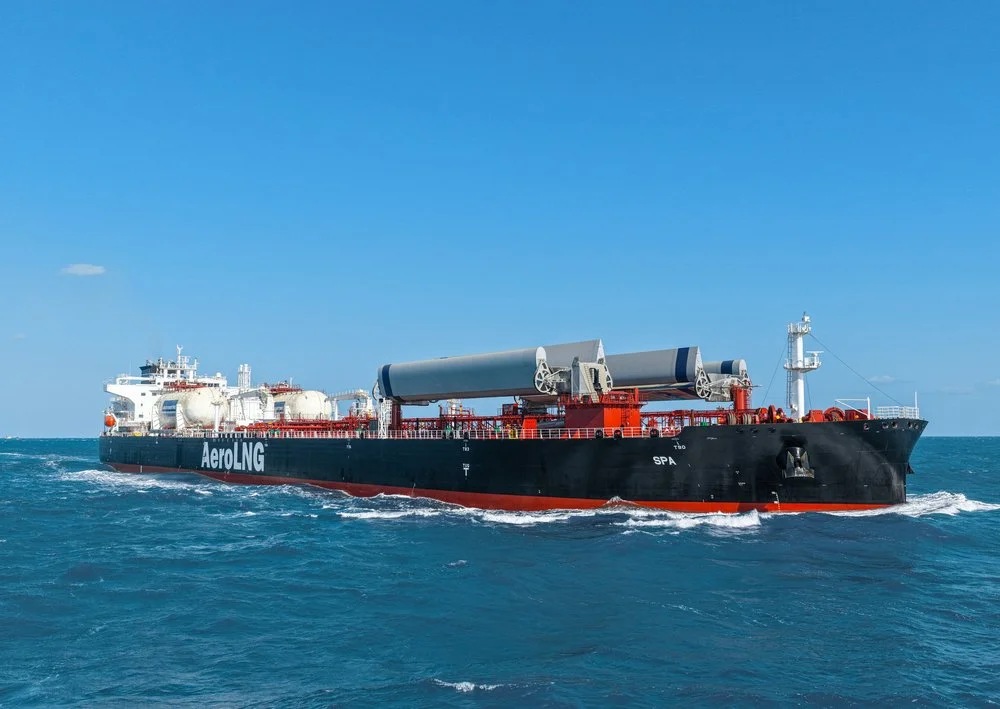
Understanding Rigid Sail Wind Propulsion Technology
Wind-assisted ship power has changed a lot over the years, from simple canvas sails to current business ships with engineered aerodynamic systems. Rigid sail technology uses ideas that are similar to airplane wings to make forward power thru perfect lift and drag ratios that soft sails can't match.
How Three-Element Wing Design Maximizes Thrust
The three-element airfoil configuration is what makes it new. It has several adjustable surfaces that work together to change the flow of air. This arrangement lets the system make more than 2.5 times as much lift as regular rigid wings, which is not possible with single-element designs. The slope and angle of attack change instantly based on the real-time wind conditions. This makes sure that the aerodynamic performance is at its best at all wind speeds and directions. The structure is made of ship-grade steel and industrial E-glass composites, which are strong enough to withstand saltwater corrosion while still having the right strength-to-weight ratio for marine environments. Independent checks by the Wolfson Unit and Lloyd's Register prove the performance of the fluid dynamics, and DNV certification confirms the safety and stability of the structure for Class Society approval.
Automated Control Systems and Weather Routing Integration
Modern rigid sail systems have advanced automation that takes away the crew's operational complexity duties. The wing control and safety system constantly checks the health of the structure, the wind loads, and the motion of the vessel. If conditions get too dangerous, it instantly changes the sail configuration or starts emergency feathering processes. Using the ship's speed, direction, and wind vectors, special software figures out the best wing position and camber shape and sends real-time reports on thrust performance to the bridge teams. Weather routing modules made just for wind-assisted ships let teams on land and on board plan trips that make the most of the wind's benefits. This turns an unpredictable factor into a measurable asset that saves fuel. With this amount of automation, running the ship is more like operating a deck crane than sailing a boat, and top officers and engineers don't need much training to do their jobs.
Compatibility with Bulk Carriers and Tankers
Installation compatibility is a very important thing for shipowners to think about when they are thinking about retrofits or newbuild integration. Rigid sail systems are placed between the cargo holds of bulk carriers so that hatch cover operations and tools for moving goods don't get in the way of each other. The tilt system lets the wings turn into a "laydown" position, which keeps them away from port cranes, grabs, and other machinery that might be used for loading. Ships with these systems have made calls at more than 20 major ports around the world without any problems, showing that they can work in a variety of terminal environments. There are options for both above-deck and below-deck mounts, as well as fixed or tilting choices to fit different vessel plans and work styles.
Measurable Benefits Driving Adoption Among Forward-Thinking Shipowners
The operational and financial benefits go beyond just saving money on fuel. They also include meeting regulations, positioning in the charter market, and maintaining the value of assets over time.
Fuel Cost Reduction and Carbon Intensity Compliance
Each wing can save about 1.6 tons of fuel every day. This adds up to huge annual savings that have a big effect on operating costs, especially on trade routes with good wind conditions like the transatlantic or transpacific trades. This lower fuel use immediately drops carbon intensity ratings, which helps ships meet IMO Carbon Intensity Indicator goals and stay out of trouble with the EU Emissions Trading System. As global carbon price systems grow, reducing emissions will become more valuable, which will shorten the time it takes to get a return on investment beyond the original cost of fuel. Shipowners who are worried about losing their CII rating can use rigid sail technology as part of larger energy efficiency upgrades. These upgrades could raise ratings by more than one band, based on the ship's initial performance and its route profile.
Enhanced Charter Market Competitiveness and ESG Positioning
Charterers are putting more and more details about a ship's emissions performance in the bid standards, and ships with better environmental records can get higher rates. When bidding against other ships, ships with proven WindWings® wind propulsion technology get the job done faster and better. This is especially true for cargo owners who have to report Scope 3 emissions. Poseidon Principles-aligned loans and sustainability-linked bonds are two types of green financing that are much easier to get when fleet decarbonization roadmaps include actual technology deployments instead of just promises. The ESG narrative value goes beyond corporate reporting and communications with stakeholders. It makes shipowners look like leaders in the industry when it comes to taking practical steps to protect the climate, not just regulatory followers.
Extended Service Life and Cross-Vessel Transferability
These systems were made to last for 25 years, which is the same amount of time that most ships are used without needing major component replacements. Being able to move equipment from one ship to another gives fleet managers more strategy options and lets owners re-use capital investments as the make-up of the fleet changes. With long-term service packages and maintenance support, the system will keep working well for as long as it's supposed to. It will also have stable running costs that make it easy to figure out the total cost of ownership. Marine-grade hydraulics and control parts are reliable enough to meet the standards that shipowners expect from important deck equipment. This keeps unplanned downtime and repair gaps to a minimum.
Comparing Rigid Sail Technology with Alternative Wind Propulsion Systems
Understanding how competitors are positioned helps procurement teams figure out which technology fits their needs and budget the best.
Performance Advantages Over Rotor Sails and Suction Wings
Compared to Flettner rotors, rigid wing designs have better thrust coefficients, especially when there is mild wind, which is when blade angle optimization works best. Even tho rotor sails are easy to use, they need extra power to turn and produce less thrust per unit of deck area. For suction wing technologies to work, the blower has to run all the time. This adds extra power loads that lower the net fuel savings. The three-element airfoil shape increases lift without using extra power above what the control system needs. This gives the plane more net movement across a wider range of wind speeds.
Operational Flexibility Compared to Soft Sail Systems
Handling soft sails and kite systems is harder than it needs to be with stiff wings because they can be controlled automatically. Soft materials need special skills from the deck crew to work with, get worn down from constant bending, and are hard to store when not in use. Kite systems make it harder for planes to coordinate their area and limit their ability to operate in crowded seas. Rigid sails work on their own, fold up in a predictable way, and don't require any special seamanship skills beyond how to use normal deck tools. This makes operations easier, which means that the crew will accept it and use it consistently, instead of choosing when to deploy it, which can hurt business case projections.
Vessel Type Suitability and Scalability Options
Large bulk carriers and tankers are the main types of vessels where the amount of displacement and fuel used makes capital investment worthwhile. The technology can be scaled up or down depending on the size of the vessel and its operating needs. It comes in 20-, 24-, and 37.5-meter aerodynamic width configurations. Smaller coastal ships may have trouble with the economy, but ULCVs and VLCCs can fit more than one system, which saves even more fuel. Professionals in procurement should look at hull-specific performance modeling to find out what kind of returns they can expect on the trade routes and types of vessels they use.
Procurement Pathways and Implementation Considerations
To successfully adopt a technology, you need to know not only its technical benefits, but also how to get it, what certifications are needed, and how to get help throughout its lifecycle.
Classification Society Approval and Regulatory Compliance
Type approvals and design clearances from DNV, Lloyd's Register, Bureau Veritas, and the China Classification Society show that the ships meet the structural safety standards and seaworthiness requirements needed for insurance coverage and port state control checks. These certifications make it easier for regulators to give approvals across flag states, and they lower the technical risk for shipowners who use new technology. Real-life ship operations that are checked by DNV provide performance validation that goes beyond theoretical models. This gives procurement committees the evidence-based confidence they need to approve capital expenditures.
Installation Options for Newbuilds and Retrofit Projects
By adding foundation reinforcements and electrical systems during construction instead of making changes later, newbuild integration makes it possible for the best coordination of structural design. For retrofit installs, a compatibility study is needed to check the deck's structural strength, the electricity that's available, and any equipment that might interfere with the new equipment. Factory acceptance testing, product delivery, and onboard assembly are all parts of the installation process for WindWings®. They are usually done during scheduled drydock periods to keep operations running as smoothly as possible. Shipowners who are worried about losing income days should plan the timing of installations to coincide with special studies or retrofits to the ballast water treatment system to reduce the amount of downtime.
Lifecycle Support and Performance Monitoring
Full support packages include overseeing the installation, setup, training for the crew, and ongoing upkeep programs that make sure the system keeps working well for as long as it's in use. Remote diagnostics and performance tracking are provided by IoT monitoring systems. This lets expert teams on land find ways to improve performance and predict when repair is needed before problems happen. This proactive support model matches the level of service that shipowners expect from machinery used for propulsion and equipment used to move cargo. This makes sure that rigid sail systems work well with existing systems for planned maintenance.
Building Confidence Through Proven Track Records and Industry Leadership
Choosing to adopt a new technology comes with a risk, which is why the trustworthiness of the manufacturer and their track record of success are important evaluation factors.
Real-World Operational Validation and Performance Data
Ships with rigid sail technology have been used on many routes and in many types of weather, so they have real-world performance data that goes beyond what computational fluid dynamics can predict. Operational suitability claims are backed up by successful port calls at major global hubs without any problems with cargo handling. The fact that there have been no accidents or structure failures shows that the engineering works well in real-life sea conditions, which calms people's natural doubts about new naval technology. Verified fuel consumption data from DNV takes the guesswork out of business case projections, so financial teams can confidently model returns.
CM Energy's Marine Technology Expertise and Global Service Network
CM Energy has decades of experience with maritime equipment and can supply and support rigid sail systems. They are a technology-driven company that is committed to sustainable marine energy solutions. Our TSC name is known in the shipping business around the world, and marine equipment installations serve hundreds of ships around the world. The manufacturing processes meet the high standards needed for safety-critical marine systems, and they are backed up by supply chains that are ISO-certified and oversight from the classification society. Our successful history with deck machinery and propulsion systems gives us the technical base and service infrastructure to support new wind propulsion technology for as long as it is in use. We know what shipowners have to deal with when they want to use new technology because our engineering teams have worked in tough marine settings before and our global service networks can help ships along all the major trade routes. As an experienced WindWings® supplier, we offer full lifecycle support, from the initial assessment of feasibility to installation, commissioning, and ongoing performance optimization.
Industry Recognition and Certification Portfolio
Authorizations from more than one classification society show that the product is technically sound and is accepted around the world, not just in one market. Third-party verification of performance by well-known fluid dynamics institutions adds to the credibility of what the manufacturer says. The partnership with BAR Technologies, which is known for its innovations in the America's Cup race, brings cutting-edge aerodynamic knowledge to business marine uses. This unique mix of race technology history and marine engineering realism makes it a great deal for shipowners who want tried-and-true innovations instead of new ideas that haven't been tried before.
Conclusion
Rigid sail wind propulsion technology has grown from a theoretical idea to a commercially proven solution. It gives shipowners a way to cut down on fuel costs and meet regulatory requirements. Automatic optimization of the three-element wing design gives WindWings® better aerodynamic performance while needing little crew input and producing a lot of power in a wide range of wind conditions. Real-world operating experience backs up both the predictions of fuel savings and the ability to work with business vessels. Certifications from classification societies and independent performance checks give investors the technical peace of mind they need to put money into a business. As carbon rules get stricter and fuel prices keep going up and down, wind-assisted propulsion goes from being a nice-to-have extra to a competitive requirement for fleet owners who want to stay ahead of the competition.
FAQ
1.What happens during extreme weather or port operations?
Advanced sensor arrays constantly check the wind and the movement of the vessel. When wind speeds get too high, the system automatically feathers to balance out loads or folds all the way down to deck level, keeping the ship stable and its structure strong. During port operations, the wings fold flat to make room for overhead cranes and other equipment used to move goods. This lets normal loading and unloading activities happen without any problems. This operational flexibility addresses one of the main concerns shipowners have about propulsion assistance systems that are mounted on the deck.
2.How long does typical installation take and what vessel downtime is required?
When the installation happens depends on whether the integration is part of a new build or a repair change. The systems are built into new construction projects during the construction phase, which has little effect on delivery times. Depending on the changes that need to be made to the vessel for structural strengthening and electrical integration, retrofit setups usually take two to four weeks in drydock. By timing the installation with planned drydocking for classification surveys or other upgrades, the number of incremental days off-hire is kept to a minimum. This means that the operational impact can be handled within normal maintenance cycles.
3.What return on investment can shipowners realistically expect?
ROI changes depending on the price of fuel, the features of the trip, and how the vessels are used. With daily fuel savings of about 1.6 tons per wing, return times are usually between three and six years based on how much fuel costs now. As more ways are found to price carbon and bunker costs go up, economic returns speed up. When it comes to performance, transatlantic or transpacific trades with steady trade winds are better than coastal or short-sea activities. Detailed route-specific planning helps set reasonable goals for specific vessel operations.
Partner with CM Energy for Advanced Marine Propulsion Solutions
CM Energy is ready to help shipowners figure out how rigid sail technology fits into their overall plans to reduce carbon emissions from their fleet. Our TSC brand is the result of decades of excellence in marine engineering, and our equipment is used by ships on trade routes around the world. As an experienced WindWings® supplier, we offer full lifecycle support, from the initial assessment of feasibility to installation, commissioning, and ongoing performance optimization. Our expert teams know how bulk carrier and tanker owners actually run their businesses, so they make sure that solutions meet real-world needs instead of just theoretical ones. Email our marine technology experts at info.cn@cm-energy.com to talk about performance predictions for your specific vessel, certification paperwork, and purchasing options that fit your fleet modernization plan. Visit cm-energy.com to learn more about our full range of marine energy options and how new wind propulsion technology can be used with tried-and-true deck gear and propulsion systems.
References
1. International Maritime Organization. (2023). "2023 IMO Strategy on Reduction of GHG Emissions from Ships." IMO Marine Environment Protection Committee Publication.
2. Smith, T.W.P., et al. (2021). "Wind-Assisted Ship Propulsion: Matching Technology to Application." Journal of Marine Engineering and Technology, Volume 20, Issue 4.
3. DNV Classification Society. (2023). "Alternative Fuels and Technologies for Greener Shipping." DNV Maritime Technology Report.
4. Maritime Research Institute Netherlands. (2022). "Performance Assessment of Wind-Assisted Propulsion Systems for Commercial Shipping." MARIN Technical Paper Series.
5. Lloyd's Register and UMAS. (2023). "Techno-Economic Assessment of Zero-Carbon Fuels and Wind-Assisted Propulsion." Lloyd's Register Marine Decarbonization Hub.
6. European Maritime Safety Agency. (2024). "EU MRV and FuelEU Maritime: Compliance Pathways for Shipowners." EMSA Regulatory Guidance Document.
