LNG Fuel Supply System Safety: Standards and Best Practices
Safety in marine fuel systems remains non-negotiable when transitioning to cleaner energy sources. An LNG Fuel Supply System, also called FGSS (Fuel Gas Supply System), stores and delivers liquefied natural gas from cryogenic tanks to dual-fuel propulsion engines and auxiliary generators. This technology directly addresses IMO Tier III emission compliance and manages the complex phase transition of natural gas from -162°C liquid to precisely controlled gaseous states. Proper safety protocols minimize methane slip, handle boil-off gas effectively, and protect crews and assets in demanding marine environments where regulatory scrutiny and operational stakes run high.
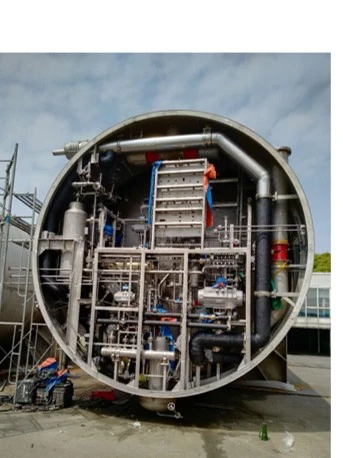
Understanding LNG Fuel Supply System Safety Standards
Regulatory guidelines for natural gas fuel systems set minimum standards across maritime countries. The International Maritime Organization's (IMO) IGF Code sets the rules for how ships that use low-flashpoint fuels should be built. This code spells out the rules for double-walled pipes, how to find gas, how to shut down in an emergency, and how to ventilate spaces that are closed off.
IMO IGF Code Requirements
The IGF Code bases safety on figuring out the risks and reducing the dangers that exist. The people who build ships have to show that the ways they store, distribute, and burn fuel meet strict failure-mode analysis standards. Every part, from the cryogenic tanks to the engine interfaces, is carefully checked to make sure that no uncontrolled releases happen. As part of the code, there must also be proof that systems can handle the worst-case situations, such as fire and collision harm.
ISO and Classification Society Standards
Beside the IGF Code, ISO guidelines such as ISO 20519 give detailed instructions for bunkering and connecting systems. These standards are turned into acceptance criteria by classification groups like DNV, ABS, CCS, Lloyd's Register, and Bureau Veritas. During the three- to six-month approval cycle that procurement managers go thru when choosing equipment packages, their surveyors look over the design submissions. Meeting the needs of these groups has a direct effect on project timelines and yard acceptance.
Regional Safety Regulations
In Europe, installations must follow the ATEX directives, which govern explosive atmospheres. In the US, installations must follow OSHA rules and Coast Guard rules. These area overlays change the choice of equipment, especially for ships that trade between states. To avoid expensive repairs or trade restrictions, procurement teams must make sure that suppliers have certifications that are good in all of the operating theaters that are planned.
Best Practices for Safe Operation of LNG Fuel Supply Systems
To keep safety margins, both excellent design and strict operating control work together. How forgiving systems stay under stress depends on engineering choices made during the specification phase, while crew skill decides whether safety features work as intended during critical times.
Redundant System Architecture
A steady supply of fuel gas depends on having backups at key points. Single-point breakdowns don't affect the safety of the vessel because it has two sets of pressure control trains, backup gas detection sensors, and duplicate shutdown valves. CM Energy's method combines C-type tanks with equipment piping that is kept in the Tank Cooling System. This makes compact setups that cut down on leak paths while keeping space efficiency. This packaged solution makes inspections easier and installation on newbuilds less complicated.
Automated Monitoring and Control
Today's systems use constant tracking to find problems early on before they get worse. At very low concentrations, hydrocarbon sensors inside double-wall pipe annular spaces sound an alarm. Pressure and temperature monitors send information to programmable logic controllers, which shut down the LNG Fuel Supply System in an emergency within 30 seconds of identifying dangerous circumstances. These automated responses take away the need for humans to react in critical safety chains. This is especially helpful during operations involving unmanned machinery or bad weather.
Crew Training and Emergency Drills
Technical systems need workers who know what they're doing. Engineering crews stay ready by getting regular training on things like bunkering procedures, system startup sequences, and emergency response protocols. Simulation-based drills that cover situations like sudden gas leaks or system failures help teams remember what to do in real emergencies. Training records that are written down also meet the needs of the classification society and show that the ship is ready to go during port state inspections.
Maintenance Strategies to Ensure LNG Fuel Supply System Safety
Preventive maintenance keeps investments safe and keeps safety performance high for many years. Structured inspection programs find wear and tear before they happen, and complete records help with regulatory checks and guarantee claims.
Scheduled Inspection Protocols
Regular care is needed for important parts. To keep them from leaking, cryogenic pumps need to have their seals checked every 4,000 to 8,000 hours of use. Once a year, functional tests must be done on pressure relief valves to make sure they are set correctly. Vacuum-insulated pipes need to be checked for soundness on a regular basis to make sure the insulation stays effective below 50 microns of vacuum pressure. These checkpoints are in line with the times that classification societies require machinery surveys, which makes repair windows during drydocking reasonable.
Condition Monitoring Technology
Diagnostic tools give you a better look at how healthy a system is. Vibration analysis on cold pumps shows how the bearings are wearing down, and thermography shows how the insulation is breaking down and where thermal bridges are present. When pipes are heated and cooled many times, ultrasonic thickness gaging measures how much material is being lost. Monitoring conditions early on lets planned maintenance happen instead of emergency fixes, which cuts down on downtime and keeps costs low.
OEM Support and Spare Parts Management
Close relationships with original equipment makers make it easy to get technical help when problems arise. CM Energy offers full lifecycle support, from planning to execution and ongoing service. They also offer a wide range of help after the sale. This continuation is helpful when dealing with problems that didn't come up as planned or when upgrading the system. Keeping important spare parts on hand for long-lead items like specialized valves and instruments stops long downtimes that could threaten charter agreements.
Comparative Analysis: LNG Fuel Supply System Safety vs. Alternative Fuel Systems
Compared to traditional and alternative naval fuels, natural gas fuel systems have different safety ratings. When looking at propulsion options for newbuild programs, procurement professionals can make better risk assessments when they know about these differences.
Safety Advantages of LNG Systems
Natural gas is naturally safer for use in naval uses. Because it is lighter than air, gas that leaks doesn't pool in the bilges like diesel vapors do. Instead, it spreads upward. The very low temperature of cryogenic storage makes it very hard to start a fire. LNG has to warm up, evaporate, and hit the right air-fuel ratios before it can burn. Single-wall diesel systems don't have the extra containment that double-walled piping with constant tracking does. The technology used to find methane has come a long way, and now it can reliably give early warnings at levels well below the lower explosive limits.
Operational Complexity Considerations
Handling cryogenic fuel adds complications that aren't present in other methods. To handle boil-off gas, understand how to build pressure, and follow safe bunkering practices, employes need special training for LNG Fuel Supply System. To keep tank cooling systems from making too much BOG when it's warm outside or when they're not being used, they need to be carefully managed. CM Energy solves these problems with Gas Combustion Units and gas boilers that work together to make good use of extra BOG, turning operating complexity into energy economy.
Environmental and Regulatory Drivers
Emissions rules are favoring natural gas solutions more and more. The IMO's Carbon Intensity Indicator rates give higher scores to ships that use cleaner fuels. This makes LNG-powered tonnage more profitable in lease markets. Methane slip is still a problem, especially with low-pressure Otto-cycle engines. However, high-pressure systems made for MAN GI engines cut methane emissions to about one-tenth of what they are with regular gas engines. Working together with MAN on high-pressure FGSS technology gives these emission benefits while keeping operations safe with tried-and-true parts and tested control methods.
Selecting a Trusted LNG Fuel Supply System Supplier: Safety-Focused Criteria
Decisions about which suppliers to choose are heard for decades of ship running. Picking partners with proven safety records, strong quality systems, and a wide range of support services is important for both the instant success of the project and the long-term stability of operations.
Certification and Track Record Verification
Purchasing managers should give more weight to sellers who have the right class society approvals for the types of vessels and engines they want to buy. TSC's low-pressure systems have been used successfully at sea for more than a year, showing that they are reliable in real-world situations. This operational track record is more important than lab certifications alone because it shows that designs work as planned in all kinds of weather and operational changes.
Technical Compatibility with Prime Movers
In terms of pressure ranges, flow rates, and control interfaces, fuel supply systems must perfectly fit what the engine needs. Low-pressure systems for Otto-cycle engines work with pressures below 16 bar, while high-pressure systems for MAN GI installations go over 300 bar with the help of a Pressure Vaporizer Unit. When the supply system's capabilities don't match up with what the engine needs, safety risks arise and performance is harmed. When suppliers work directly with engine makers, like TSC does with MAN, integration risks are lower and the approval process with classification societies is sped up.
After-Sales Support Infrastructure
Support for commissioning and quick expert help are what set capable providers apart from equipment vendors. During the startup phase of complex systems, factory-trained technicians are needed to check their performance and train the ship's staff. Having ongoing access to engineering support makes it easier to fix operational problems from afar before they become dangerous. CM Energy's full service plan includes design, production, installation, and upkeep after the sale. This makes sure that technical knowledge flows easily from land to sea.
Quality Assurance and Testing Protocols
Strict quality control makes sure that the equipment that is built meets the requirements set by the designers. Look for providers that test all of their high-pressure welds with x-rays, check the integrity of insulated pipes under vacuum, and make sure that the control logic works, including testing of emergency stop routines. The CCS-certified stainless steel double-layer tanks from CM Energy are a good example of the quality paperwork that helps get approval for classification and builds customer trust. Factory Acceptance Testing should mimic working conditions and failure modes to show that the system is strong enough to be shipped.
Conclusion
For naval gas fuel systems to be safe, regulations must be followed, operations must be controlled, and suppliers must be able to do their job. Understanding IGF Code standards thru classification society rules is the first step in choosing equipment. Best practices for system design, crew training, and preventative maintenance keep safety performance high over the life of the LNG Fuel Supply System. Natural gas systems are better for the environment and the law, but they need to be handled by people who know how to do it right, which is something that skilled suppliers can help develop. A careful review of suppliers, focusing on practical track records, technical compatibility, and after-sales support, safeguards project investments and crew safety over decades of use. As rules on emissions get stricter and more LNG bunkering infrastructure is built, ships with fuel gas systems that are properly planned and kept will be able to make more money in charter markets that care more about environmental performance.
FAQ
1.How do fuel gas systems manage boil-off during idle periods?
Instead of releasing to the atmosphere, integrated BOG management sends extra gas to backup engines, boilers, or gas combustion units. This method keeps the tank from getting too full of pressure and collects energy value from fuel that evaporates. Some installations have re-liquefaction equipment for long periods of inactivity, but this isn't done as often on merchant ships because it's more complicated and uses more power.
2.What determines whether vessels need high-pressure or low-pressure systems?
This choice is based on the engine. WinGD X-DF and other Otto-cycle engines like it need a low-pressure source of about 16 bar, which means they cost less to buy. MAN ME-GI engines need high-pressure systems that are higher than 300 bar, but they produce more heat efficiently and much less methane. Which propulsion technology and fuel system pressure range is best for a project depends on the vessel's job cycles, charter standards, and emission compliance strategies.
3.How quickly can systems switch between gas and diesel operation?
Modern dual-fuel installations let you change fuels without stopping the power. This is made possible by controls that are built into both the engine and the fuel system. This skill is very important when approaching a port, moving thru restricted waters, or responding to problems with the fuel supply. It gets rid of vulnerable times and keeps propulsion available in all working situations with instant switchover.
Partner With CM Energy for Proven LNG Fuel Supply System Solutions
CM Energy has 20 years of experience working with marine tools and can help ships around the world with natural gas fuel system projects. Our TSC brand offers both low-pressure and high-pressure FGSS setups that are specifically made for different engine platforms. These configurations have been in sea service for over a year, which proves that the design is strong. We package C-type tank installations with equipment that is already built into Tank Cooling Systems. This saves space, makes installation easier in the yard, and improves safety by cutting down on leak paths. Strategic partnerships with MAN and the Norwegian design firm WTC make sure that our high-pressure systems meet the exact needs of engine interfaces while still being approved by all major classification societies. Our engineering team works on projects from the first idea to the finished product, including choosing the right equipment for container ships, PCTCs, and tanker newbuilds. Get in touch with our expert team at info.cn@cm-energy.com to talk about how CM Energy can help your dual-fuel newbuild program by providing reliable LNG Fuel Supply System options from a well-known manufacturer.
References
1. International Maritime Organization. (2016). International Code of Safety for Ships Using Gases or Other Low-flashpoint Fuels (IGF Code). IMO Publishing.
2. DNV GL. (2019). Rules for Classification of Ships: Gas Fuelled Ship Installations. Det Norske Veritas.
3. American Bureau of Shipping. (2021). Guide for Propulsion and Auxiliary Systems for Gas Fueled Ships. ABS Technical Publications.
4. Bengtsson, S., Andersson, K., & Fridell, E. (2018). A Comparative Life Cycle Assessment of Marine Fuels: Liquefied Natural Gas and Three Other Fossil Fuels. Proceedings of the Institution of Mechanical Engineers, Part M: Journal of Engineering for the Maritime Environment.
5. Lloyd's Register. (2020). LNG Bunkering: Technical and Operational Advisory. Lloyd's Register Marine.
6. China Classification Society. (2018). Guidelines for Ships Using Gases or Other Low-flashpoint Fuels. CCS Technical Standards.