How Does Methanol Fuel Supply System Efficiency Compare to Traditional Fuels?
When comparing energy efficiency between methanol and conventional marine fuels, the Methanol Fuel Supply System demonstrates unique performance characteristics that challenge traditional assumptions. While methanol possesses approximately half the volumetric energy density of marine diesel oil, modern supply systems compensate through optimized flow management and precise thermal conditioning. The efficiency equation extends beyond simple calorific values—encompassing combustion quality, emission reduction benefits, and operational flexibility. Advanced methanol supply architectures maintain consistent fuel delivery across variable engine loads, enabling shipowners to achieve comparable propulsion performance while meeting stringent decarbonization targets established by the International Maritime Organization.
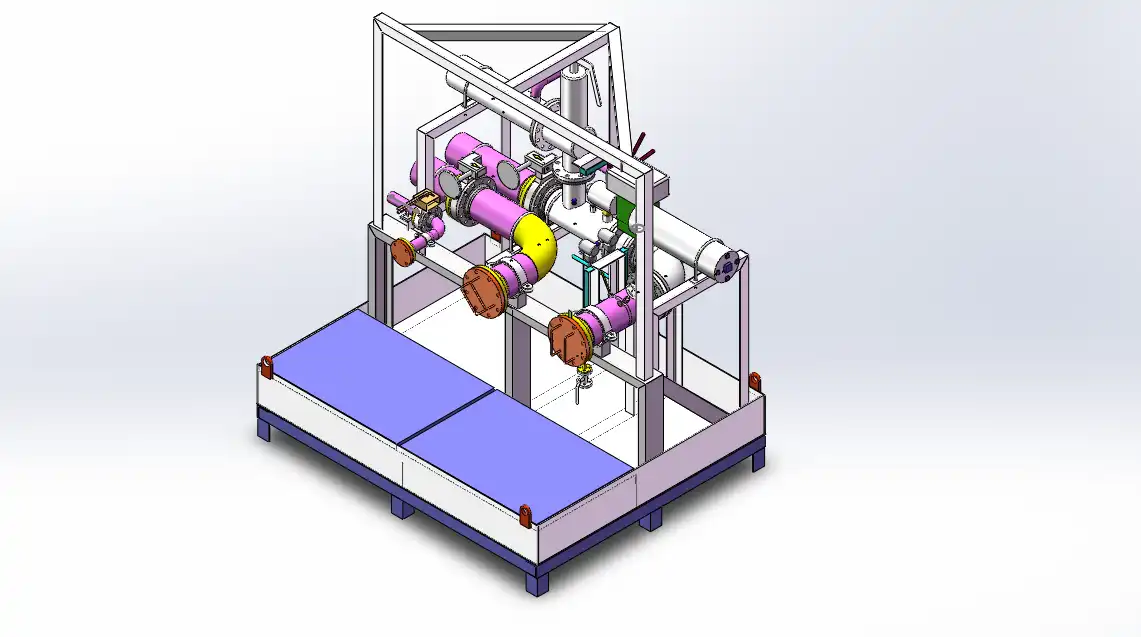
Understanding Methanol Fuel Supply Systems and Their Efficiency
With the move toward alternative marine fuels, methanol has become a practical option for ship owners who want to cut down on pollution without sacrificing operational dependability. A Methanol Fuel Supply System is made up of special engineering parts that are made to deal with the unique chemical and physical qualities of methanol as it moves through the fuel supply chain.
Core Components and Architecture
Modern methods for supplying methanol are made up of four important parts that work together. The filling and transfer system handles bunkering activities in line with the SOLAS-IBC Code, taking into account the low temperature and toxicity of methanol. The methanol supply unit is the most important part of the system because it makes sure that the exact pressure, temperature, flow rate, and cleanliness requirements set by engine manufacturers are always met. Extra systems help with temperature control and filtering, and safety and control systems keep an eye on working factors all the time to make sure dangerous situations don't happen.
Efficiency Influencers in System Design
The technical task is to keep the pressure and flow delivery stable while motors change the load they are carrying. The Methanol Fuel Supply System has to quickly set up the best fuel conditions during startup sequences. Both shutting down and switching fuels need precise control to avoid vapor lock or changes in pressure that could hurt the engine's performance. Material choice is very important. Components are made of stainless steel metals and special elastomers that are not affected by methanol's acidic properties. This makes sure that the system stays intact over time without breaking down, which would lower its efficiency.
Energy Delivery Optimization
Traditional fuel systems are made to work with marine gasoline that has a higher viscosity. But methanol supply designs work with fluids that have a lower viscosity at room temperature. This gets rid of the need for fuel heating systems that big fuel oil activities need, which cuts down on wasted energy. The system's modular design lets it be set up as separate supply units or as fully integrated packages. This lets shipowners choose the best way to place it based on the needs of their vessel and the room they have available.
Comparing Methanol Fuel Supply Systems with Traditional Fuels
Evaluating the efficiency of a fuel system means looking at it from a number of different performance angles that have a direct effect on operational costs and environmental compliance. When you compare methanol to other marine fuels, you can see that they have different pros and cons that affect how they are bought for both new builds and repairs.
Volumetric Energy Density and Consumption Rates
Marine diesel has 42.6 MJ/kg, while methanol has about 15.6 MJ/kg. This means that more methanol is needed to make the same amount of power. To meet the flow volume of diesel fuel, a Methanol Fuel Supply System must give about 2.2 times that amount. Thanks to advances in modern pump technology and pipe design, these higher flow rates can be handled without using more extra power. Advanced engine calibration made just for burning methanol gets the most thermal efficiency from the fuel's properties, which helps make up for its lower energy density.
Emission Performance Advantages
Methanol combustion produces almost no sulfur oxides, eliminating the need for exhaust gas cleaning systems used with high-sulfur fuels. It can reduce nitrogen oxide emissions by about 60–80% and particulate matter nearly to zero. Using green methanol further supports regulatory compliance and may provide carbon-credit benefits.
Maintenance and Operational Considerations
In traditional fuel systems, problems like fuel decay, bacterial growth, and sediment buildup happen, but methanol systems don't have to deal with these problems. Instead of treating and purifying the fuel, the Methanol Fuel Supply System needs different upkeep procedures that focus on making sure the seals are strong and the materials work well together. Because methanol is hygroscopic, it needs to be kept away from water, but because it is naturally stable, you don't have to worry about the long-term degradation that happens with petroleum products. Operational freedom is a key factor in efficiency. Vessels with dual-fuel configurations can choose the best fuel based on price and supply at different bunkering places.
Cost Efficiency Analysis
Fuel price changes strongly affect comparative efficiency. Methanol fuel systems typically have higher initial costs due to specialized materials and safety requirements, but eliminating sulfur scrubbers and potentially reducing future carbon taxes can improve lifecycle economics. Shipowners should also consider fuel availability, as methanol bunkering infrastructure remains less widespread than conventional fuels.
Advantages and Challenges of Methanol Fuel Supply Systems
Adopting methanol as a naval fuel has strong benefits, but it also has some execution issues that expert decision-makers need to carefully think through. Understanding both aspects allows for well-thought-out purchasing plans that are in line with business needs and the company's environmental goals.
Environmental and Safety Benefits
Methanol has many benefits for the environment that make the economic value argument stronger. Using trapped carbon dioxide and green hydrogen to make the fuel in a natural way could lead to carbon-neutral or carbon-negative vessel operations. Biodegradability protects the environment in the rare event of a marine spill. For example, methanol breaks down quickly without leaving behind oil slicks that last for a long time. Because methanol is more toxic than liquefied natural gas, it has a higher flashpoint, which lowers some of the risks of explosion. The Methanol Fuel Supply System uses double-walled pipes and constant monitoring to deal with these safety issues through engineering controls instead of just following operational procedures.
Material Compatibility Challenges
The chemical properties of methanol make it hard for materials to combine, which needs special technical solutions. When exposed to methanol, especially when there is moisture present, standard carbon steel pipes and some rubber plugs break down. The Methanol Fuel Supply System solves these problems by using austenitic stainless steel and fluoropolymer binding materials that stay strong for the whole time the system is supposed to work. When looking at retrofit installations, older ships may need more material replacements than new builds that are designed from the start to be compatible with methanol. These important factors affect both planning the initial investment and long-term maintenance.
Cold Weather Performance
Because methanol freezes at -97°C, it can be used even when it's cold outside, unlike marine diesel fuel, which can gel or wax over time. The fuel stays fluid and can be pumped in all marine working conditions because it doesn't need to be stored or moved in heated systems. This feature makes it easier for ships to operate on paths through high latitudes, where regular fuels need to be managed thermally to stay flexible. Getting rid of fuel heating systems lowers the amount of extra energy used and the complexity of the system.
Supply Infrastructure Development
The marine methanol supply chain is still developing, but more bunkering space is opening up at big ports that serve routes for container ships, tankers, and bulk carriers. When planning their purchases, shipowners need to compare the availability of bunkering with the service patterns they want to use. The infrastructure is still pretty new, so there are both problems and opportunities. Early adopters may sometimes run into supply problems, but they can also benefit from building relationships with fuel suppliers who are building up their methanol production and distribution capabilities. The Methanol Fuel Supply System can use methanol from different sources, such as bio-methanol, green e-methanol, and traditional production. This gives supply variety benefits as the market grows.
Procurement Considerations for Methanol Fuel Supply Systems
For technical leaders and project managers to properly evaluate methanol fuel systems, they need thorough evaluation frameworks that look at system performance, supplier skills, and help throughout the system's lifecycle. For procurement choices that affect newbuild timelines that span years, it's important to do a lot of research on the qualifications and technical maturity of the provider.
Supplier Technical Maturity and Track Record
Supplier maturity is especially important for methanol fuel systems. Experience with dual-fuel vessels, chemical tankers, and liquefied gas carriers demonstrates knowledge of low-flashpoint fuels and material compatibility. A proven delivery record also shows organizational capability to meet classification and regulatory requirements, reducing technical risks during commissioning and sea trials.
Integrated Solution Capabilities
Shipowners are becoming more and more interested in providers who can offer full fuel system packages that include a variety of alternative fuels. A company that can offer fuel supply systems for LNG, methanol, and ammonia shows that they can adapt to changing legal environments and fuel access situations. This range lets engineers use the same methods across a fleet that might use different fuel schemes. When compared to managing relationships with several specialized vendors, integrated suppliers can offer unified service networks and spare parts support. This makes operational logistics easier. Being able to buy either single supply units or full turnkey systems gives setup options that can be tailored to the needs of each project and the shipyard's preferred interface.
Classification Society Approval and Documentation
Classification society approval can significantly affect newbuild and retrofit schedules. Suppliers with AIP certifications, product certificates, and pre-approved design documentation can shorten approval timelines, while new designs may require three to six months. Experienced suppliers also maintain strong communication with classification societies, helping resolve technical questions and approval conditions efficiently.
Commissioning and Lifecycle Support
During the commissioning phase, the Methanol Fuel Supply System is tested to see how well it works with the main engines, auxiliary consumers, and control systems for the vessel. During this important validation period, technical risk is lower when suppliers offer factory acceptance testing, shipyard integration support, and sea trial participation. Aside from the original warranty period, other things that need to be thought about for lifecycle support are the availability of spare parts, expert service networks, and the ability to update the system as engine makers improve methanol combustion technologies. Global service reach is important, especially for ships that travel on international lines and need technical help from time to time in places other than their main working regions. Training programs for the ship's engineering staff make sure that they can operate and fix problems properly, so the ship doesn't need as much help from technicians on land.
Future Outlook and Innovation in Methanol Fuel Efficiency
The marine industry's dedication to reducing carbon emissions keeps pushing new developments in alternate fuel systems, setting methanol technology on a clear path to progress. Understanding new developments helps procurement professionals make investments that will be useful for a long time, even if the ship lasts longer.
Engine Technology Advancements
Major engine makers are constantly improving the way methanol is burned to get the most heat efficiency out of the fuel. High-pressure injection methods taken from the growth of diesel engines make atomization and burning better. Optimizing the compression ratio for methanol's octane properties raises the power density. These changes on the engine side directly improve the efficiency of the Methanol Fuel Supply System by making fuel measuring more accurate and lowering return flows. When engine makers and fuel system suppliers work together on development, the integration improvements that make the whole power system work better happen faster.
Renewable Methanol Production Scaling
When you think about how fuel is made, the efficiency factor for methanol fuel systems takes on more depth. If you take into account the use of CO2, renewable methanol made from collected carbon dioxide and green hydrogen could be carbon neutral or even negative. The world's ability to make e-methanol keeps growing, helped by falling costs for renewable electricity and better electrolyzer economics. Bio-methanol production from waste from farming and logging adds to the variety of supplies available. As production of green energy sources increases, the well-to-wake carbon intensity of methanol fuel systems gets a lot better compared to fossil-based options. This makes the environmental efficiency case stronger.
Regulatory Tailwinds
International Maritime Organization rules that set more and more strict carbon intensity requirements keep the demand for fuels with low emissions high. The economic value of reducing emissions through the use of methanol goes up thanks to the European Union's FuelEU Maritime regulation and possible carbon price systems. Classification groups are still working to improve the rules for alternative fuel systems. This lowers the legal uncertainty that has previously slowed uptake. This set of rules gives people faith that investments in methanol infrastructure and vessel equipment will pay off in the long run.
Digital Integration and Predictive Optimization
Advanced control systems with machine learning methods make the Methanol Fuel Supply System work best in a variety of situations. Predictive maintenance features keep an eye on how well parts are working over time, planning repairs before they break down and reducing unplanned downtime. Digital twin technologies let engineering teams on land identify working problems and improve system parameters from afar. Integration with larger vessel energy management systems allows for overall efficiency improvement, balancing loads for propulsion and other functions, as well as meeting emission standards. With these digital features, fuel supply systems go from being passive ways to send fuel to being actively controlled ways to improve efficiency.
Conclusion
Putting methanol and traditional marine fuel systems side by side to see how efficient they are shows a lot more than just energy density calculations. Due to its lower calorific value, methanol needs higher volumetric flow rates. However, current supply systems consistently meet these needs while also reducing emissions in a big way. The decarbonization path of the marine industry makes methanol a useful short-term option that can be used right now, bridging the gap to possible future zero-carbon fuels. When making a purchase, companies should think about the technical maturity, the supplier's abilities, and the lifecycle costs of the product in the context of their operational profiles and the company's sustainability goals. The overall efficiency case for Methanol Fuel Supply Systems keeps getting stronger as green output grows and engine technology improves.
FAQ
1.How does methanol system efficiency impact total operating costs?
The energy density of methanol is about 50% lower than that of gasoline, which means that twice as much fuel is needed for the same amount of power. The effects on operating costs depend on the price of fuel in the area, which changes based on supply contract terms and region. Getting rid of sulfur scrubbers and lowering the amount of upkeep needed helped balance out the higher fuel levels. Carbon price systems are favoring low-emission fuels more and more, which could be good for methanol's finances even though it uses more of it. When figuring out the total cost of ownership, you should include the full 20–30-year working life of the vessel, taking into account expected changes in regulations and fuel prices.
2.Can existing engine configurations operate efficiently with methanol?
Dual-fuel engines that are purpose-built to burn methanol are the most efficient and produce the fewest pollutants. There are retrofit options for some engine models, but the level of difficulty depends on the type of engine and how old it is. Main engine makers offer approved conversion packages for models that can use them. To make sure the engine works reliably no matter what the load is, the Methanol Fuel Supply System has to meet exact fuel preparation requirements. Talking to engine makers during the planning phase of a project makes it clear what will work and how well it will work with certain types of vessels.
3.What safety protocols are necessary for methanol handling?
Because methanol is poisonous and has a low flashpoint, it needs to be handled in a way that is different from how fuel is normally used. Double-walled piping systems that can find leaks keep workers from being exposed in machinery rooms. During bunkering activities, handling safety is taken care of by dedicated air systems and personal protective equipment. There are automated monitoring and emergency shutdown sequences built into the Methanol Fuel Supply System. Minimum safety standards are set by classification society rules and flag state laws. Comprehensive crew training programs make sure that workers know how to handle emergencies and the dangers that come with working with methanol. With the right engineering controls and training, safety requirements can be turned into manageable operational protocols.
Partner with CM Energy for Advanced Methanol Fuel Solutions
Under the trusted TSC name, CM Energy offers tried-and-true Methanol Fuel Supply System options that combine top-notch technical support with full lifecycle assistance. Our engineering team has a lot of experience with dual-fuel ships, chemical tankers, and liquefied gas carriers, which directly translates to designing and integrating a reliable methanol system. We have successfully delivered methanol supply units to foreign shipowners and are currently working on projects involving a variety of vessel classes. This means we know exactly what technical requirements and regulatory issues need to be taken into account for these projects to go smoothly. Because we can work with fuel systems that use LNG, methanol, and ammonia all together, we can be your strategic partner as the alternative fuel environment changes.
As a company that makes Methanol Fuel Supply Systems and is dedicated to quality and new ideas, CM Energy keeps up with DNV product certifications and approval in principle paperwork that speeds up the time it takes to finish your projects. We give you a lot of different ways to buy things, from single supply units to fully integrated systems that are set up exactly the way your ship is built and how it works. Our world service network makes sure that we can provide quick expert help during commissioning, sea trials, and the long-term use of the ship. Shipowners who want to gain a competitive edge by using alternative fuels early on should only work with suppliers who have a track record of success and strong technical skills. Contact us at info.cn@cm-energy.com or go to cm-energy.com to talk about how TSC methanol fuel solutions can help you reach your decarbonization goals while keeping your operations running smoothly and following the rules.
References
1. International Maritime Organization (2023). "Resolution MEPC.377(80): 2023 IMO Strategy on Reduction of GHG Emissions from Ships." Marine Environment Protection Committee, 80th Session.
2. MAN Energy Solutions (2022). "ME-LGIM: Methanol Dual-Fuel Engines for Green Shipping." Technical Paper Series, Marine Engine Division.
3. DNV (2023). "Alternative Fuels Insight: Methanol as Marine Fuel." DNV Maritime Position Paper, Alternative Fuels Advisory.
4. Verhelst, S., Turner, J.W., Sileghem, L., & Vancoillie, J. (2019). "Methanol as a Fuel for Internal Combustion Engines." Progress in Energy and Combustion Science, Vol. 70, pp. 43-88.
5. Methanol Institute (2023). "Maritime Methanol: Bunkering Infrastructure Development and Safety Guidelines." Industry White Paper, Marine Fuel Working Group.
6. Lloyd's Register and UMAS (2022). "Techno-Economic Assessment of Zero-Carbon Fuels: Comparative Analysis of Methanol, Ammonia, and Hydrogen for Deep-Sea Shipping." Joint Research Report on Maritime Decarbonization Pathways.