WindWings® for Tankers and Bulk Carriers Explained
When shipping companies face mounting pressure to cut emissions and fuel costs, wind-assisted propulsion emerges as a practical solution. WindWings® represents an innovative three-element rigid sail system developed with patented technology from BAR Technologies in the UK. This advanced system features fully adjustable camber and angle of attack, ensuring optimal aerodynamic performance across diverse maritime conditions. Independently verified by the Wolfson Unit and Lloyd's Register, and certified by DNV, this technology delivers measurable fuel savings and emissions reductions for tankers and bulk carriers navigating global trade routes.
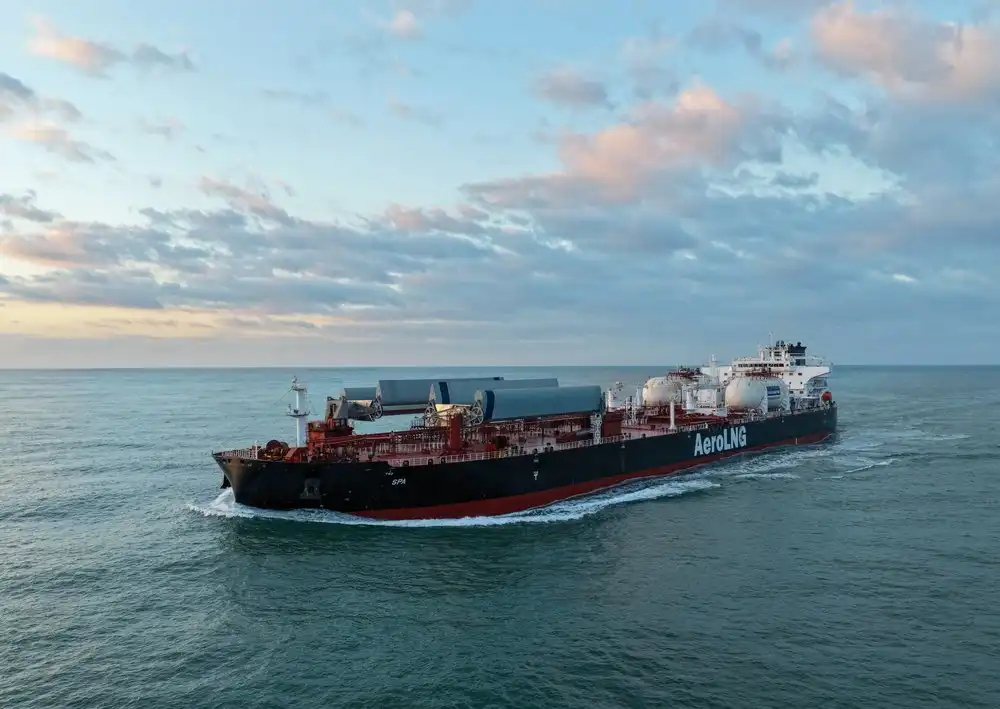
Understanding WindWings® Technology and Its Benefits for Tankers and Bulk Carriers
The marine business is at a turning point. The cost of bunker fuel is going up, and the International Maritime Organization has strict rules like EEXI and CII that force fleet owners to look for environmentally friendly options. Wind-assisted ship propulsion directly addresses these issues and provides a way to reduce carbon emissions that can be used by businesses.
The Core Engineering Behind Wind-Assisted Propulsion
Wind-assisted transportation methods use the power of the wind to help the main engine do its job. In contrast to traditional soft sails, rigid wing technology uses aerodynamic principles like airplane wings. The three-element design increases lift while reducing drag, which creates thrust that directly cuts down on fuel use. This way of building uses ship-grade steel and industrial E-glass composites to make structures that can last for decades in harsh marine settings.
The method works by making changes automatically based on the wind factors at any given time. Specialized software constantly figures out the best way to align the wings and shape the camber, so the crew doesn't have to keep adjusting things. This automation makes sure that ships always do a good job, whether they are sailing across the North Atlantic or thru the equatorial trade winds.
Quantifiable Operational Advantages
Fleet operators give more weight to solutions that are backed up by real data. DNV has confirmed that real-world vessel operations show real benefits. When wind thrust balances out the main engine load, fuel use drops by a lot. This is especially true on routes with steady trade winds, like the shipping lanes between Brazil and China. Each unit saves a lot of fuel every day, which adds up to big cost savings every year for groups of multiple vessels.
This technology does more than just save fuel; it also improves ESG profiles. When shipowners get green financing or try to get premium charter contracts, they gain a competitive edge by showing that their carbon intensity has gone down. The method helps ships meet the standards of EU ETS and puts fleets in a good situation for future rules like FuelEU Maritime.
Integration with Existing Vessel Systems
Decarbonization efforts are often held up by worries about retrofitting. These concerns are addressed by this technology's well-thought-out design. Wings are strategically placed between the cargo holds of bulk carriers so that they don't get in the way of the hatch cover or the equipment used to move the cargo. The mechanism for folding the wings down lets them move into laydown positions, which ensures safe travel thru ports and under bridges.
Electrical power needs are easily met by the ship's existing electrical systems. The operation is similar to operating deck cranes, which is something that experienced crews are used to. This familiarity lowers the need for training and makes operations simpler, which addresses a common worry in buying about building up crew capabilities.
Comparing WindWings® with Traditional and Competitive Wind-Assist Solutions
To evaluate transportation systems, you have to compare them very carefully. Both old-fashioned soft sail systems and newer alternatives work in different ways, but rigid wing technology has clear benefits for large commercial ships.
Performance Metrics That Matter to Fleet Operators
The three-element rigid wing design makes more than 2.5 times as much lift as a normal single-wing sail. This difference in speed comes from advanced mechanical engineering. The changeable camber and angle of attack make it possible to optimize in a variety of wind conditions, so ships can keep working efficiently in light waves or strong winds.
Other wind-assist systems are Flettner rotors and suction wings, but they require different operating factors. In contrast to rotor systems, which need a steady supply of electricity to turn, rigid wings don't need power to produce thrust. This passive thrust generation makes the system more energy efficient overall while lowering the need for extra power.
Total Cost of Ownership Analysis
Decisions about procurement go beyond the initial capital expenditure. Lifecycle costs include the cost of installation, upkeep, effects on operations, and durability of WindWings®. The 25-year design life of the system without having to replace any important parts makes it a great deal. Wings can be moved from one ship to another, which protects the value of an investment even as the fleet changes.
Compared to complicated mechanical systems, they still don't need much maintenance. Operations are more like operating a crane than managing sails, which cuts down on training costs and practical complexity. Long-term service packages from companies like CM Energy guaranty consistent performance throughout the system's working life. This eases worries about the need for ongoing support.
Certification and Risk Mitigation
Classification society approval is a key element of trust for cautious marine buying. Systems are guarantyd to meet strict safety and performance standards with AIP certification and design type approval from DNV, Bureau Veritas, Lloyd's Register, and CCS. This wide range of certifications makes it easier for insurers to cover people and speeds up the approval process for regulations in many flag states.
Ships with this technology have made calls at more than 20 major ports around the world without any problems. Some people are skeptical about how well new technologies will work in the real world, but this operational track record shows that they can be used beyond what was predicted in theory.
How to Procure and Install WindWings® on Tankers and Bulk Carriers
To move from evaluating to implementing, you need to have a good understanding of how to buy things and set them up. Making use of its knowledge in marine energy solutions and global lifetime services, CM Energy offers full help from the first question to the start of operations.
Streamlined Procurement for Fleet Operators
In the marine sector, business-to-business buying follows well-known trends. Authorized sellers and direct ties with manufacturers give fleet owners a choice of where to get parts. CM Energy is a technology-driven company with a track record of success in marine equipment. This means that customers can get real systems that come with full warranty and support systems.
For retrofits that involve more than one vessel, buying in bulk can save you money. Standardized installation processes and consolidated training programs help with operations across the whole fleet. This way cuts down on costs per unit while making sure that all operations are the same on all vessels, which is important for technical directors who are in charge of large ships.
Installation Process and Timeline
Analysis of compatibility is the first step in a successful installation. Engineering teams look at the structure of the ship, the amount of deck space that is available, and the points where new systems can be connected to existing ones. This initial phase usually lasts a few weeks and makes sure that setups go quickly and without any problems that come up out of the blue.
Factory acceptance testing makes sure the system works well before it is shipped. This step of quality control makes sure that every unit meets the working and standard requirements. After the onboard installation, structure reinforcement, electrical integration, and hydraulic system links are made by expert teams. From placing an order to putting it into operation, the whole process usually takes a few months, but exact times depend on when the vessels are available and when they dock.
Maintenance Protocols and Safety Guidelines
It is only natural for operators to focus on the needs of current operations. Health and safety parameters are constantly checked by automated control systems, which notify crews of any problems. Crews can bypass manual operation interfaces, which makes sure safe operation in all situations.
Maintenance is a lot like taking care of other deck equipment. Regular checks are needed for hydraulic systems, and composite surfaces need to be cleaned like any other marine equipment. IoT tracking lets technical teams on land find possible problems before they affect operations by doing diagnostics from afar. This proactive method cuts down on downtime and makes tools last longer.
Extreme weather is handled instantly by the advanced sensor systems. When the wind speed is too high, the wings either feather to stop the drag or fold all the way down to deck level. This automatic safety reaction keeps the ship stable without the crew having to step in during emergencies.
Real-World Applications and Case Studies Demonstrating WindWings® for Bulk Vessels
Better ideas don't matter as much as performance that has been shown to work. When procurement professionals look at capital investments, they need proof that the vessels have actually been put to use with WindWings®.
Documented Fuel Efficiency Gains
Ships with this technology have been used on a wide range of trade routes for long periods of time. Performance monitoring shows consistent fuel savings that are in line with what was expected before the installation. When wind conditions are good and efficient routes are used, savings are close to their highest possible levels. When conditions are even worse, savings are much smaller.
The changes in carbon output directly lead to better CII ratings. Ships with higher carbon intensity scores can get better lease rates and don't have to follow as many rules, which adds value beyond just saving money on fuel. As environmental laws get stricter around the world, this regulatory advantage becomes more valuable.
Operational Performance Across Conditions
Maritime operations cover a wide range of situations. This technology works well in a variety of situations, including navigation, docking, and bad weather. The wings can be folded down so they don't get in the way of port operations or goods handling, which is a worry that comes up a lot when people talk about buying things.
Equipment has to work hard on tracks that go thru high latitudes. Voyages in the North Atlantic and North Pacific test how well things work and how durable they are in rough weather. The active control system's dynamic response to sudden changes in wind speed keeps the ship stable, showing that it can do more than just travel in fair-weather trade lanes. People aren't sure if wind-assist technologies can be used on all global trade lines, but this resilience makes them more likely to be used.
Lessons Learned for Fleet-Wide Deployment
Early adopters give useful information for later deployments. Crews quickly get used to the controls because they are easy to use. Integration with weather routing systems makes the most of the wind advantage, and web-based tools let both land teams and crew members on board use them. This connectivity makes proactive route optimization possible, which saves even more fuel thru smart trip planning.
Coordination in the shipyard is a key factor in success. Aligning installation schedules with planned docking times keeps operations as smooth as possible. Phased rollouts are good for fleet owners because they start with pilot setups to make sure the performance assumptions are correct before committing to implementation across the whole fleet. This method to risk management fits with cautious maritime procurement practices and boosts trust in the technology within the company.
Conclusion
Maritime decarbonization goes from being an idea to a fact with wind-assisted power technology. The combination of proven fuel savings, full certification, and low operational complexity addresses the main concerns of fleet operators who have to deal with stricter environmental rules. Real-world performance data from ships operating on global trade routes proves that WindWings® technology can be used in business. The durable construction and long lifespan also protect the long-term value of an investment. As the price of bunker fuel goes up and pressure to meet carbon compliance standards grows, rigid wing systems give shipowners measurable returns that improve both their financial success and their environmental situation.
FAQ
1.Can this technology retrofit onto existing vessels?
Retrofitting is one of the main uses. Installation needs to strengthen the deck's structure and connect it to electrical and hydraulic systems, but it can still be done on current ships. Compatibility analysis during the buying phase finds any issues that are unique to the vessel, which makes sure that the deployment goes smoothly.
2.How do wings affect cargo operations and port clearance?
The wings fold flat onto the deck, which lets the ship go under bridges and keeps them from getting in the way of port cranes or other equipment used to move cargo. This ability to fold down was designed to solve operational problems and allow normal cargo operations to go on without any problems.
3.What return on investment should fleet operators expect?
Depending on fuel prices and trade lines, ROI usually shows up in three to five years. With big fuel savings every day per wing, payback speeds up as fuel costs go up or carbon taxes grow. The business case gets even stronger as the costs of following environmental rules go up.
4.How much crew training does operation require?
Due to a lot of technology, daily operations only need minimal training. The device automatically adjusts itself based on the wind. Crews get special training on how to do maintenance, emergency switches, and hydraulic checks, but normal operation doesn't require much more than knowing how to use the deck tools they already have.
Partner with CM Energy as Your WindWings® Supplier
We at CM Energy are ready to help your fleet get rid of carbon emissions. As a well-known company that has been making marine energy solutions for a long time, we offer full support, from the initial consultation to installation and ongoing maintenance of WindWings®. With our knowledge of high-tech marine equipment, full IoT monitoring, and global lifecycle services, you can be sure that your investment will give you the returns you expect for as long as it works.
A simple conversation is the first step in reaching out. Email our expert team at info.cn@cm-energy.com to talk about your fleet's needs, route plans, and time constraints. We'll give you a custom study that shows how wind-assisted power fits with your business and your budget. Our engineering team does thorough compatibility assessments to make sure that the new systems will work well with the ones that are already on your ship. This way, there will be as little downtime as possible during the installation process.
The shipping industry needs to take action right away to meet its decarbonization deadline. CM Energy's TSC products combine tried-and-true technology with full support, meeting both short-term compliance needs and long-term green goals. You can find full technical specifications, case studies, and other information that can help you make smart purchasing choices at cm-energy.com. Changing your shipping processes to be more environmentally friendly starts with a talk. Get in touch with us today.
References
1. International Maritime Organization. "Fourth IMO GHG Study 2020: Reduction of GHG Emissions from Ships." IMO Publishing, 2021.
2. Smith, T.W.P. et al. "Wind-Assisted Ship Propulsion: Matching Technology to Operations." Maritime Policy & Management Journal, 2023.
3. DNV Classification Society. "Alternative Fuels and Technologies for Greener Shipping." DNV Technical Report Series, 2022.
4. Lloyd's Register. "Wind-Assisted Propulsion Systems: Performance Validation Methodologies." Marine Technology Directorate, 2023.
5. European Maritime Safety Agency. "EU MRV and IMO DCS: Comparative Analysis of Carbon Intensity Regulations." EMSA Regulatory Guidance, 2022.
6. BAR Technologies. "Aerodynamic Optimization of Rigid Wing Sail Systems for Commercial Shipping Applications." Marine Engineering Research Publication, 2021.