Wind Assisted Propulsion Systems: Enhancing Performance at Sea
By fusing cutting-edge technology with conventional sailing principles, Wind Assisted Propulsion Systems offer a unique method to maritime transportation that offers previously unheard-of fuel efficiency and environmental advantages. By using natural wind energy to augment traditional propulsion, these cutting-edge solutions provide commercial shipping operators with significant cost savings and carbon emissions reductions. The seamless integration of contemporary Wind Assisted Propulsion System systems with current vessel designs offers a workable route toward sustainable shipping operations.
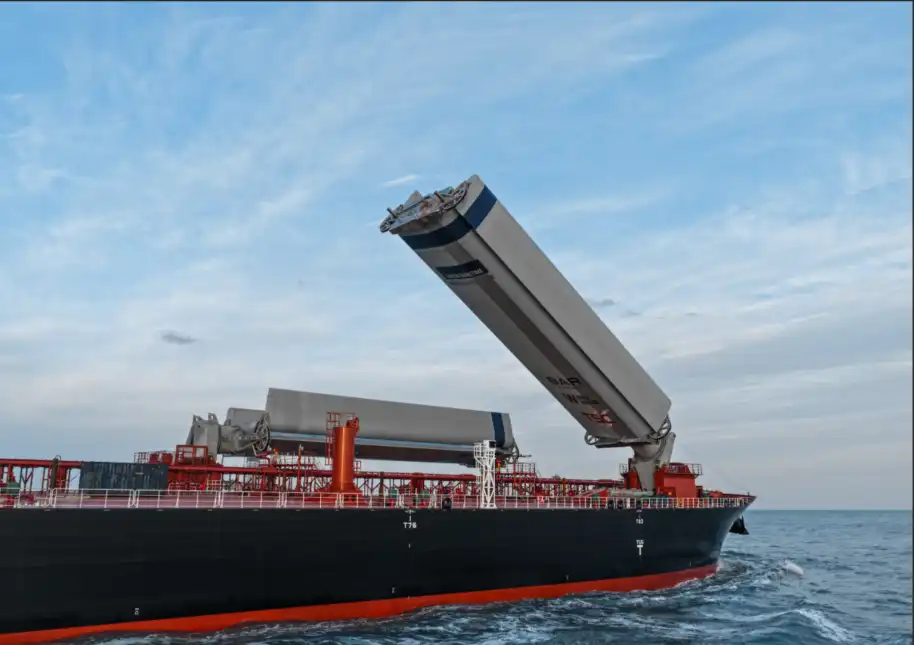
Understanding Wind Assisted Propulsion Technology
Wind Energy Optimization for Maritime Uses
In order to gather and maximize wind energy for maritime applications, Wind Assisted Propulsion Systems employ advanced technical techniques. By using sophisticated aerodynamics to produce significant thrust, these systems lessen their dependency on conventional fuel sources. The technique allows ships to achieve notable increases in energy efficiency, which is a major achievement in sustainable shipping. Operators can improve their operational performance and help create a more sustainable future by utilizing wind power.
Smart Control Systems for Improved Efficiency
Automated control mechanisms that continuously adapt to wind conditions are a feature of modern Wind Assisted Propulsion System designs. In order to ensure maximum performance in a variety of sailing circumstances, smart sensors track environmental data in real-time. This clever strategy maximizes fuel savings while preserving operational dependability, enabling ships to dynamically adjust to shifting marine conditions. As a result, shipping companies may navigate a variety of routes while increasing productivity and cutting expenses.
Reducing Operational Costs and Complying with Emission Regulations
Shipping businesses can now significantly lower their operating expenses thanks to the incorporation of renewable energy principles into marine technology. Wind-assisted propulsion systems provide a workable way to retain competitive operational efficiency while adhering to ever-tougher emission rules. Shipping businesses may improve their environmental performance, adhere to regulations, and establish themselves as leaders in the shift to greener maritime practices by investing in these cutting-edge technology.
Key Performance Indicators and Benefits
Measurable Increases in Operational Effectiveness
Wind-assisted propulsion systems provide quantifiable gains in a variety of operational parameters. Depending on the vessel's specs and the conditions of the trip, fuel consumption reductions can amount to substantial percentages. For transportation companies, these reductions immediately result in lower operating expenses and more profitability. Businesses can use resources more wisely and increase overall operational efficiency by optimizing fuel usage.
Advantages for the Environment and Adherence to Emission Regulations
Reducing carbon emissions is another important advantage of using Wind Assisted Propulsion Systems. Vessels can significantly reduce their environmental impact by utilizing natural wind energy. This ability is crucial for fulfilling sustainability obligations and international emission control requirements, putting operators in a position to adhere to ever-tougher rules while exhibiting a dedication to environmental care.
Improved Efficiency for Various Vessel Types
The system performs exceptionally well in a variety of vessel types, such as bulk carriers, chemical tankers, and other commercial shipping applications. Adoption of green technologies promotes long-term operational sustainability, while advances in energy efficiency boost competitiveness in international maritime markets. Modern Wind Assisted Propulsion Systems are equipped with continuous monitoring and modification capabilities that optimize performance, and real-time performance tracking is made possible by IoT integration. This guarantees optimal benefit realization throughout vessel operations, giving operators a competitive advantage in a sector that is changing quickly.
Core Advantages of Modern Wind Technology
Benefits of Hybrid Propulsion Capabilities
Compared to conventional propulsion techniques alone, wind-assisted propulsion systems have strong advantages. Operational flexibility is made possible by hybrid propulsion capabilities, which enable vessels to maximize performance in response to changing conditions. This flexibility is essential for optimizing fuel savings on a variety of maritime routes, which eventually results in more effective operations and less of an impact on the environment.
Adaptability to Autonomous Vessel Technologies
Another important benefit of Wind Assisted Propulsion Systems is their compatibility with autonomous vessels. Modern automation technology and advanced designs work together smoothly to enable the transition to smart shipping operations. In addition to improving operational effectiveness, this alignment with new trends helps mitigate the effects of climate change and puts operators in a favorable position for future sustainability-focused regulations.
Strong Flexibility in Construction and Installation
Modern Wind Assisted Propulsion Systems' sturdy design guarantees dependable long-term performance. Advances in marine technology have resulted in long-lasting solutions that can survive challenging maritime conditions without sacrificing operational efficacy. Favorable return on investment calculations are influenced by longer lifespans. Furthermore, installation flexibility allows for both ship retrofit applications and newbuild projects, allowing fleet operators to embrace sustainable shipping practices without having to replace their entire fleet. It is a sensible option for maritime businesses wishing to improve their sustainability efforts because of its adaptability, which facilitates incremental fleet modernization initiatives while providing immediate operational benefits.
CM Energy's WindWings® Technology vs. Conventional Solutions
WindWings® Technology's Innovative Design
The unique three-element stiff sail design of CM Energy's TSC trademark WindWings® technology makes it stand out. When compared to conventional single-wing layouts, this innovative method offers better aerodynamic performance. Significantly greater lift is produced by the improved design, which results in improved fuel economy and operational savings. Vessels can greatly lessen their dependency on traditional fuel sources while increasing overall operating effectiveness by utilizing this state-of-the-art technology.
Automated Performance Enhancement
The Wind Assisted Propulsion System from CM Energy stands out from traditional options thanks to its automated alignment and camber changing capabilities. Wing orientation and shape are continuously optimized by specialized algorithms, guaranteeing optimal performance under various circumstances. Operators may make well-informed decisions and make proactive adjustments during journeys thanks to real-time thrust performance information, which gives them comprehensive efficiency data. The efficiency and dependability of wind-assisted propulsion are improved by this clever optimization technique.
Thorough Weather Routing and Industry Verification
Comprehensive weather routing features created especially for wind-assisted vessels are integrated into TSC's WindWings® technology. The web-based interface facilitates the best possible route planning for maximal wind advantage, supporting both shore staff and onboard people. By maximizing the advantages of using Wind Assisted Propulsion Systems, this integrated strategy guarantees that operators may take advantage of favorable weather conditions. Furthermore, the better performance and safety of CM Energy's technology are validated by classification society certificates from reputable organizations, giving maritime operators thinking about adopting Wind Assisted Propulsion Systems confidence. The technology's track record of successful, incident-free operations at major international ports further demonstrates its dependability in the maritime sector.
Maximizing Benefits Through Strategic Implementation
A Look at the Best Ways to Use Wind-Assisted Propulsion Systems
Vessel specifications and operational requirements must be carefully taken into account for the best use of Wind Assisted Propulsion Systems. Operators can evaluate the feasibility of wind energy integration by using route analysis to identify possible fuel savings and performance gains. It is essential for operators to comprehend ocean wind patterns in order to optimize the advantages of efficiently utilizing wind energy.
Planning for Installation and Assistance with Maintenance
A smooth integration with current vessel systems is ensured by careful installation planning. A customized approach to installation is made possible by compatibility analysis, which finds the best configurations for certain vessel types and operational profiles. To ensure proper system deployment and commissioning, which lays the groundwork for efficient operation, professional installation services are crucial. System dependability and performance durability are further enhanced by ongoing maintenance support. Maintaining optimal operational efficiency while avoiding performance degradation requires regular servicing schedules. In addition to safeguarding the investment in Wind Assisted Propulsion System technology, comprehensive maintenance procedures guarantee long-term dependability.
Crew Effectiveness and Safety Training
To ensure efficient system operation and maintenance capabilities, crew training is essential. Operators can maximize the performance benefits of the Wind Assisted Propulsion System by having a thorough awareness of the system's capabilities. To ensure that crew members are ready for any circumstance, training programs should cover both routine operations and emergency measures. This thorough training strategy encourages the safe and efficient use of the equipment, which eventually helps wind-assisted maritime operations succeed as a whole.
Future of Sustainable Maritime Transportation
Wind-Assisted Propulsion Systems' Function in Zero Emission Shipping
A key element of the maritime industry's shift to zero-emission shipping is wind-assisted propulsion systems. These innovations promote long-term environmental objectives while offering instant advantages. Wind assistance will probably become a typical feature of electric propulsion and hybrid systems as the industry develops, increasing overall vessel efficiency and lowering dependency on fossil fuels.
Developments in Marine Technology and Their Combination with New Technologies
The possibilities of Wind Assisted Propulsion Systems are continually being improved by advancements in marine technology. Modern materials and control systems enhance performance while lowering maintenance needs, making them more appealing for a variety of vessel types and operational profiles. Moreover, improved performance possibilities are promised by integrating Wind Assisted Propulsion Systems with new technology. Predictive maintenance and performance improvement are made possible by smart sensors and IoT integration, opening the door to completely autonomous sustainable shipping operations.
Regulations Encouraging the Use of Emission Control Technologies
Adoption of Wind Assisted Propulsion Systems is strongly encouraged by regulatory trends that favor emission control solutions. In a sector where environmental rules are becoming more stringent, early adopters stand to gain from both regulatory compliance and competitive advantages. Operators can improve their operational efficiency and guarantee compliance with future environmental standards and sustainability criteria by adopting these cutting-edge technology.
Conclusion
For maritime operators looking for economical and environmentally friendly transportation options, wind-assisted propulsion systems provide a revolutionary possibility. The system supports adherence to changing environmental standards while providing significant fuel savings, pollution reductions, and operational advantages. WindWings® technology from CM Energy offers demonstrated performance supported by extensive certification and support services. Wind Assisted Propulsion Systems provide a workable solution to achieve operational excellence while fulfilling environmental obligations as the maritime sector continues to change toward sustainability.
Frequently Asked Questions
Q1: How does a Wind Assisted Propulsion System integrate with existing vessel operations?
A: Automated control interfaces allow Wind Assisted Propulsion Systems to smoothly combine with traditional propulsion systems. With little modification to current operating processes, the technology functions independently while enhancing conventional engines. Compatibility with cargo handling machinery and vessel systems is guaranteed by professional installation.
Q2: What maintenance requirements exist for Wind Assisted Propulsion Systems?
A: Like deck crane operations, modern wind-assisted propulsion systems need regular maintenance. Optimal performance and safety requirements are maintained through routine inspections and service schedules. Planning and carrying out repair is made easier by comprehensive service packages and remote monitoring features.
Q3: Can Wind Assisted Propulsion Systems be retrofitted to existing vessels?
A: Through specialized integration solutions, Wind Assisted Propulsion System retrofit capabilities support the majority of commercial vessel types. The best configurations for particular boats and operating needs are found through compatibility study. Expert installation services guarantee a successful retrofit implementation with the least amount of disruption to operations.
Partner with CM Energy for Advanced Wind Assisted Propulsion System Solutions
CM Energy stands as a leading Wind Assisted Propulsion System manufacturer, delivering innovative marine technology solutions through our TSC brand. Our WindWings® technology ensures optimum operational benefits by combining proven performance with extensive lifecycle support. To learn more about how our certified Wind Assisted Propulsion System solutions may improve the sustainability and efficiency of your fleet, get in touch with our team at info.cn@cm-energy.com.
References
1. International Maritime Organization. "Guidelines for the Development and Management of Wind-Assisted Ship Propulsion Systems." IMO Maritime Safety Committee, 2023.
2. Lloyd's Register. "Wind Assisted Propulsion: Performance Validation and Classification Requirements." Marine Technology Review, Vol. 45, 2023.
3. Det Norske Veritas. "Certification Standards for Rigid Sail Wind Assisted Propulsion Systems." DNV Technical Report Series, 2023.
4. Maritime Research Institute Netherlands. "Aerodynamic Performance Analysis of Multi-Element Rigid Sails." Journal of Marine Engineering Technology, 2024.
5. Bureau Veritas. "Integration Guidelines for Wind Assisted Propulsion in Commercial Shipping." BV Marine Technical Standards, 2023.
6. Wolfson Unit. "Fluid Dynamics Validation of Three-Element Rigid Wing Systems." University of Southampton Maritime Research, 2024.