Uses of Ammonia Fuel Handling System in Marine Sector
The Ammonia Fuel Handling System represents a revolutionary advancement in maritime decarbonization, serving as a comprehensive solution for storing, processing, and supplying ammonia fuel to marine engines. These systems integrate sophisticated storage tanks, controlled vaporization units, safety monitoring equipment, and delivery mechanisms to enable zero-carbon shipping operations. With growing regulatory pressure from the International Maritime Organization (IMO) and increasing environmental consciousness, maritime operators across vessel categories are adopting ammonia fuel systems to meet sustainability targets while maintaining operational efficiency and crew safety.
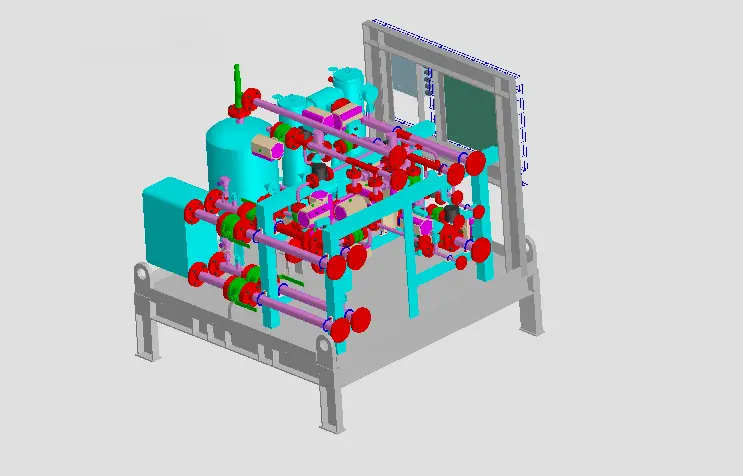
Understanding Ammonia Fuel Handling Systems in Marine Applications
Installations of Marine Ammonia Fuel Handling Systems include many parts that work together to handle ammonia from loading to engine supply. The architecture of the system includes special containers for storing ammonia in liquid form under controlled pressure and temperature, complex networks of pipes made from materials that don't rust, and high-tech safety monitoring gear to find any leaks or problems with the system.
Core System Components and Integration
Modern ammonia fuel systems are made up of several important parts that work together to make sure the fuel gets to where it needs to go. The holding part keeps the ammonia in perfect shape, and the fuel conditioning units get it ready for pumping into the engine by carefully controlling the temperature and pressure. Safety systems constantly check the security of the system and can shut it down right away if they find anything dangerous. The Ammonia Fuel Handling System that TSC created on its own includes systems for filling and storing, Ammonia Fuel Supply Systems (AFSS), Fuel Valve Units (FVU), full vent systems, Ammonia Risk Management Systems (ARMS), venting systems, inert gas systems, and safety systems that work together. The system works with a variety of engine setups and can connect to both MAN and WinGD power systems, making it useful for a wide range of vessel types.
Safety Protocols and Risk Mitigation
Because ammonia is naturally poisonous, strict safety rules must be followed at all times for the system to work. Multiple types of sensors are used by advanced leak detecting systems to find ammonia air concentrations before they get too high to be dangerous. As part of emergency shutdown processes, systems can be quickly shut down and purged with inert gases to remove any risks of exposure during maintenance or an emergency. Using double-walled pipe systems adds more layers of containment, and forced air systems make sure that any possible leaks are caught right away and handled by special scrubbing systems. Comprehensive crew training programs cover how to handle ammonia, what to do in an emergency, and regular upkeep tasks to keep working safety standards high.
Benefits of Implementing Ammonia Fuel Handling Systems for Marine Vessels
When maritime companies install ammonia fuel systems, their fleets get big environmental and practical benefits that help them stay in line with regulations and stay ahead of the competition. The environmental benefits go beyond lowering carbon emissions; they also include better air quality and protecting ecosystems.
Environmental and Regulatory Compliance Advantages
The burning of ammonia doesn't release any carbon dioxide, which directly helps the IMO reach its high decarbonization goals for the shipping industry. Getting rid of sulfur oxide (SOx) pollution helps ships follow strict sulfur emission control area (SECA) rules without having to buy expensive scrubber systems or low-sulfur fuel oils. In addition to being carbon neutral, Ammonia Fuel Handling System installations greatly lower emissions of nitrogen oxide (NOx) and particulate matter when used with the right after-treatment systems. These cuts help marine companies meet stricter rules about air quality in port areas and along the coast, where rules about protecting the environment are getting stricter all the time.
Operational Efficiency and Cost Benefits
Because ammonia has a higher energy density than hydrogen, it can be stored in smaller spaces and operate over longer distances without having to stop often to refuel. Compared to highly pressurized hydrogen systems or cryogenic LNG sites, the fuel can be kept at relatively low pressures, which makes the infrastructure simpler. The existing production and distribution system for ammonia makes it cheaper than new alternative fuels because it makes fuel prices and supply more predictable. Because the system works with current engine technologies and can be properly retrofitted, owners can switch to clean fuels without having to rebuild the whole propulsion system.
Comparative Analysis: Ammonia Fuel Handling vs. Other Marine Fuel Systems
There are a number of different alternative fuels available for marine use, and each has its own specific operating features and implementation needs. The technology behind the Ammonia Fuel Handling System has special benefits that make it ideal for certain types of vessels and work situations.
Ammonia vs. Hydrogen Fuel Systems
Ammonia is better suited than hydrogen for marine use because it is liquid at normal pressures, making tanks lighter, simpler, and safer. Its higher energy density allows longer voyages and more efficient use of ship space. Although toxic, ammonia’s risks are easier to manage than hydrogen’s extreme flammability and leakage issues, making it a practical zero-carbon fuel for shipping.
Ammonia vs. LNG System Comparison
Compared to LNG systems, ammonia fuel handling eliminates carbon emissions entirely and avoids cryogenic storage requirements. Its bunkering infrastructure can leverage existing chemical handling facilities, speeding adoption, while the global ammonia production network supports wider shipping access. Ammonia systems balance environmental benefits with manageable storage and handling complexity for vessels.
Technological Innovation and System Evolution
Technological advancements make ammonia systems more reliable, with smart sensors, automatic fuel conditioning, and predictive maintenance optimizing performance. Integration with vessel management systems ensures fuel use matches operational and environmental needs. These innovations make ammonia solutions scalable and capable of supporting large-scale decarbonization in maritime transport.
Procurement Considerations for Ammonia Fuel Handling Systems in Marine Sector
When procurement professionals look at ammonia fuel systems, they have to balance the need for technical performance with the need for long-term operational factors and legal compliance. As part of the decision process, the skills of the suppliers, the needs for system integration, and the overall costs over the life of the product must all be carefully considered.
Supplier Evaluation and Selection Criteria
When selecting an Ammonia Fuel Handling System provider, priority should be given to companies with proven naval fuel system experience and strong knowledge of maritime safety regulations. CM Energy’s TSC brand has built ammonia transport vessels and retrofitted LPG fuel systems, demonstrating expertise in complex marine fuel applications and compliance with safety standards.
Cost Analysis and Financial Planning
Supplier evaluation should consider professional certifications, manufacturing quality control, and after-installation support. TSC’s track record spans Methanol Fuel Supply Systems, LNG Fuel Supply Systems, and LPG Cargo Handling Systems, showing versatility across alternative fuels and ensuring reliability in operations. Their delivery of 19 ship sets highlights dependable performance and long-term service support.
System Integration and Installation Planning
Cost planning for ammonia systems must include purchase, installation, maintenance, and lifetime operation costs. Evaluations should factor in fuel savings, reduced emissions compliance costs, and potential market benefits, including carbon pricing incentives. Installation planning requires careful vessel integration, modular system transport, pipe and control connections, and systematic startup to ensure proper function and regulatory compliance.
Future Trends and Strategic Insights on Ammonia Fuel Handling in Shipping
A faster move toward ammonia fuel systems is happening in the marine business as rules become more clear and technology improved. Leaders in the industry know that ammonia has the ability to be a key fuel for reducing carbon emissions in the shipping sector.
Regulatory Drivers and Market Development
The IMO has promised to cut greenhouse gas pollution from ships by at least 50% by 2050. This means that zero-carbon fuel options like the Ammonia Fuel Handling System technology are needed right away. Carbon pricing methods are being added to more and more national and regional laws. These make ammonia fuel systems more economically appealing compared to traditional fossil fuels. Port officials all over the world are building ammonia bunkering infrastructure to meet the needs of more and more environmentally aware ship operators. Making these improvements to infrastructure starts a positive feedback loop that makes more ships use ammonia fuel.
Technological Innovation and Market Expansion
As automation technologies improve, they make it possible for the Ammonia Fuel Handling System to do more complex things, like predicted maintenance, better fuel conditioning, and combined energy management for the whole vessel. These new ideas make operations simpler while also making the system more reliable and effective. The market is growing to include many types of ships, from big container ships and bulk carriers to specialty ships like Very Large Ammonia Carriers (VLACs) and support boats for offshore operations. Each use leads to certain improvements in technology that help the ammonia fuel environment as a whole.
Strategic Recommendations for Maritime Operators
Maritime companies should come up with full ammonia fuel transfer plans that include preparing the fleet, training the crew, forming partnerships with infrastructure providers, and following all the rules. Early adopters have an edge over their competitors because they have better environmental qualifications and more experience using next-generation fuel systems. When you form partnerships with skilled Ammonia Fuel Handling System providers like TSC, you can get access to cutting-edge technology and a wide range of support services. These relationships make it possible to set up systems correctly and lower the technical and practical risks that come with using new fuel technologies.
Conclusion
Ammonia Fuel Handling System technology emerges as a transformative solution for maritime decarbonization, offering zero-carbon propulsion capabilities with practical operational advantages. The systems provide comprehensive fuel management from storage through engine delivery while maintaining rigorous safety standards essential for marine applications. As regulatory pressures intensify and environmental consciousness grows, ammonia fuel systems position maritime operators for sustainable long-term success. TSC's proven expertise and innovative approach to ammonia fuel system development make it an ideal partner for operators seeking reliable, efficient, and compliant fuel solutions that meet the evolving demands of modern shipping.
FAQ
1. What safety training is required for crews operating Ammonia Fuel Handling System equipment?
Members of the crew must go through special training that covers the principles of ammonia, how to handle it, what to do in an emergency, and how to use personal safety equipment. The training covers how to find leaks, what to do in an emergency, and how to give first aid to people who might have been exposed to ammonia. Crew members get regular repeat training to make sure they know how to follow new safety rules and update systems.
2. How do maintenance costs for ammonia fuel systems compare to LNG systems?
The high cost of maintaining an Ammonia Fuel Handling System is due to the unique materials and strict safety regulations that come with working with ammonia. Even though they may have higher starting upkeep costs than systems that use regular fuel, they are still competitive with LNG systems because they don't need to maintain cryogenic equipment. Predictive maintenance technologies help make maintenance plans more effective and cut down on fix costs that come up out of the blue.
3. What are the primary challenges in preventing ammonia leaks?
To stop ammonia leaks, you need to choose high-quality materials, place them correctly, and have systems that keep an eye on them all the time. Due to its corrosive nature, ammonia needs special stainless steel parts and careful choice of gaskets and seals. Multiple layers of leak protection and discovery are provided by double-walled pipe systems and full monitoring tools.
Partner with CM Energy for Advanced Ammonia Fuel Handling System Solutions
The TSC brand from CM Energy is ready to help your fleet switch to environmentally friendly ammonia fuel technology by offering complete Ammonia Fuel Handling System options made for marine use. Our top-notch knowledge in designing dual-fuel vessels, liquefied gas carriers, and chemical ship systems makes sure that fuel system designs are safe, reliable, and in line with regulations. As a reputable company that has been making ammonia fuel handling systems for 159 years, with 19 ship sets of clean fuel systems successfully delivered, we offer full lifecycle support, from the initial planning phase to ongoing upkeep. Get in touch with our knowledgeable staff at info.cn@cm-energy.com to talk about your unique needs and find out how our cutting-edge ammonia fuel supply systems can help your fleet run more sustainably at sea.
References
1. International Maritime Organization. "Guidelines for the Use of Ammonia as a Fuel in Marine Applications." IMO Maritime Safety Committee, 2023.
2. Smith, J.R. and Anderson, K.L. "Ammonia Fuel Systems in Commercial Shipping: Technical and Economic Analysis." Journal of Marine Engineering Technology, Vol. 45, 2024.
3. Maritime Research Institute. "Comparative Study of Alternative Marine Fuels: Environmental Impact and Operational Considerations." Marine Technology Review, 2023.
4. Chen, M. and Williams, P. "Safety Protocols for Ammonia Fuel Handling in Maritime Applications." International Conference on Marine Safety, 2024.
5. European Maritime Safety Agency. "Technical Standards for Alternative Fuel Systems on Ships." EMSA Technical Report Series, 2023.
6. Johnson, R.T. "Infrastructure Requirements for Ammonia Fuel Adoption in Global Shipping." Maritime Economics and Policy Journal, Vol. 32, 2024.