Top Uses of Knuckle Boom Crane in Marine Operations
Knuckle Boom Crane systems are a completely new way to do lifting operations at sea, and they are very useful for a wide range of seafaring tasks. These flexible lifting devices are great for installing wind turbines offshore, running an FPSO, moving bulk carriers, and helping people in emergencies. Because they are small and easy to move around, they are important for modern naval operations that need creative solutions that traditional lifting equipment can't provide because of limited space and high precise standards.
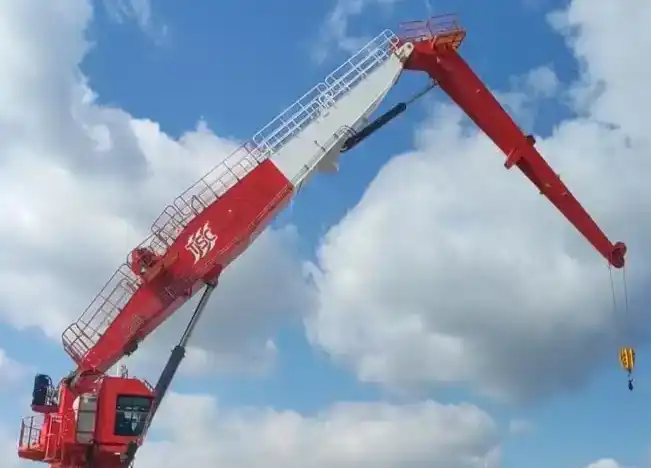
Understanding Knuckle Boom Cranes in Marine Settings
Marine areas have their own problems that need special lifting solutions. For picky workers, flexible boom systems have become the best choice. When compared to traditional straight-boom options, these high-tech gadgets' joined arms give you a lot more freedom. The articulated design lets workers move around barriers while keeping heavy loads under tight control.
Core Design Principles
The main technical idea behind these systems is hydraulic joint points, which let them move smoothly and safely in different directions. Traditional marine cranes can only rotate in one direction, but articulated systems can place in more than one plane. This improved movement is very helpful when working in tight areas like those on ship decks and offshore platforms.
Safety Features for Maritime Conditions
Marine-grade flexible cranes are made of strong materials that don't rust and have advanced control systems that are made to work in saltwater. Overload security systems, wave compensation technology, and backup hydraulic circuits are some of the safety features that make sure the boat works well even when the sea is rough. TSC's engineering teams have created special finishes and closing systems that make equipment last longer while keeping it reliable in use.
Compliance Standards
International rules for seafaring safety guide how marine lifting equipment is made and how it is used. Classification groups like DNV, ABS, and Bureau Veritas have strict rules that articulated boom systems must follow in order to get certified. These standards make sure that equipment works effectively in the harsh conditions that come up in offshore activities, keeping people and important cargo safe.
Top 5 Uses of Knuckle Boom Crane in Marine Operations
Because they are so flexible, articulated lifting devices are essential for many naval uses. Their ability to work quickly and efficiently in small areas while carrying heavy loads has changed the way maritime workers deal with difficult lifting problems.
Offshore Wind Turbine Installation
Offshore green energy projects need precise lifting tools for heavy parts in rough seas. Knuckle Boom Cranes excel here, handling loads efficiently while taking up less space. Their flexible design allows turbine components to be positioned with millimeter accuracy, reducing installation time and weather-related delays, while foldable booms improve deck space efficiency during transport.
Cargo Handling on Bulk Carriers
Bulk carriers benefit from articulated booms for smooth loading and unloading in ports with limited infrastructure. Accurate positioning reduces material spills and optimizes hold space, improving operational efficiency and minimizing environmental impact. These systems let ships work in constrained areas without specialized land-based equipment.
FPSO and Offshore Platform Support
FPSOs and offshore platforms require versatile handling for diverse supply loads. Knuckle Boom Cranes reach over platform frames and around equipment, allowing safe deliveries from support vessels. TSC’s marine designs enhance corrosion resistance and remote monitoring, ensuring reliable operation in challenging offshore environments.
Emergency Rescue and Salvage Operations
Emergency and salvage operations demand rapid deployment in confined or rough conditions. Articulated boom systems provide flexibility for tight spaces and precise control, enabling safe placement of relief tools and careful handling of casualties, even during deep-sea rescue missions under adverse weather conditions.
Shipyard Heavy Component Assembly
Shipyard assembly benefits from articulated booms for placing heavy parts in tight spaces. Multi-axis control allows precise positioning around other structures and equipment, reducing rework and speeding overall construction. Foldable designs ensure these cranes can operate where standard cranes cannot, optimizing limited space for complex shipbuilding tasks.
Why Choose Knuckle Boom Crane Over Traditional Marine Cranes?
The marine industry is becoming more aware of how flexible boom technology can improve operations compared to traditional lifting methods. These benefits go beyond just comparing load capacities; they also include making operations more efficient, improving safety, and caring for the environment.
Space Efficiency and Compact Design
For operation and storage, traditional telescopic cranes need a lot of deck room, which means they can't be used on ships with limited space. When not in use, articulated systems can be folded up into small spaces that save important deck space while still lifting as much or more. This smart use of space is especially useful on support boats that work at sea and specialized work boats, where every square meter is important. The small, bent shape also lowers wind resistance while the ship is moving, which saves fuel and makes the ship more stable. When compared to standard systems, operators say that delays caused by bad weather are much less common when flexible systems are used.
Enhanced Load Control and Precision
Articulated boom systems are better at controlling loads because each joint movement is controlled by its own separate hydraulic circuit. This design lets workers keep loads precisely where they belong even when the sea is moving. The ability to handle more than one axis makes it possible for loads to move smoothly, which reduces the amount of dynamic loading on both the tools and the structure of the vessel. Traditional boom truck designs can't compete with the movement freedom that flexible systems offer. This better control means safer operations and a lower chance that goods will get damaged while it's being handled.
Environmental Considerations
When compared to older systems, modern flexible systems use less energy because they use more advanced hydraulic technologies. Electric versions don't release any pollution when they're working, and they do the same things that hydraulic systems do. These benefits for the environment are in line with the water industry's growing focus on being environmentally friendly and lowering pollution. Because parts are easier to get to and the systems are built in modules, maintenance for flexible systems is often easier than for standard systems. TSC tech teams have come up with repair plans that make service intervals longer while still making sure that equipment works at its best for the whole time it's being used.
How to Select the Best Knuckle Boom Crane for Your Marine Operation?
When choosing the right articulated lifting tools, it's important to think about the practical needs, the characteristics of the vessel, and the expected long-term performance. A lot of things affect both the original investment and the prices over the life of the product or service.
Operational Requirements Assessment
When choosing tools, load capacity requirements are the most important thing to think about. But when it comes to marine uses, you also need to think about things like reach requirements, duty cycle standards, and environmental conditions. Articulated systems excel in applications where load placing freedom is more important than maximum capacity, Knuckle Boom Crane is the best choice. Duty cycle analysis helps figure out the right specs for a hydraulic system and the right size for each part. Systems made for continuous operation work best for tasks that involve lifting things a lot of times, while systems made for occasional use may value compact design over maximum speed.
Vessel Integration Considerations
To successfully integrate tools, the structure of the vessel, the ability of the electrical system, and the way it is used must all be carefully looked at. Because they spread load and don't need as much space to mount, articulated systems usually don't need as many changes to the structure as standard alternatives. Power needs are very different between hydraulic and electric versions, and each has its own benefits based on how the vessel is set up. For demanding tasks, hydraulic systems offer the highest power density, while electric options provide exact control and require less upkeep.
Manufacturer Selection Criteria
How reliable equipment is depends a lot on how knowledgeable and helpful the maker is. Well-known companies like CM Energy offer full support networks that keep technology running smoothly throughout its entire lifecycle. Global service networks are especially useful for ships that go to different parts of the world. Total cost of ownership is affected by warranty coverage and the availability of extra parts in a big way. When manufacturers offer full support packages, they lower business risk and make sure that equipment works at its best throughout its entire lifecycle.
Case Studies: Successful Integration of Articulated Lifting Systems in Marine Projects
Concrete examples from real life show how articulated boom technology can help with a wide range of naval activities. When you choose the right tools and put it together correctly, these case studies show how it can improve working efficiency and safety.
Offshore Platform Installation Project
For a major North Sea offshore project, production equipment weighing up to 150 tons had to be installed in harsh weather. The team selected Knuckle Boom Crane systems because their flexible booms provide superior load control and take up less deck space, allowing precise placement even under challenging environmental conditions while improving operational efficiency and safety. Even though there was bad weather that would have slowed down normal crane operations, the installation work went ahead of schedule. The flexible systems kept the loads under control even when the sea conditions were worse than what was expected at the start of the planning process. This shows that current equipment designs are very reliable.
Port Expansion Cargo Handling Upgrade
A big port on the Gulf Coast improved their ability to handle goods by adding articulated boom systems to older ships. The upgrade project aimed to increase output while lowering the costs of running the shore-based crane. Performance data collected after the placement showed that moving cargo was 35% more efficient than when standard equipment was used. The better positioning abilities cut down on cargo damage events and raised overall operating safety standards.
Emergency Response Fleet Enhancement
A marine emergency response group improved their rescue fleet with specialized articulated systems designed for rapid deployment in challenging conditions. The equipment selection prioritized reliability and ease of operation under stress conditions typical of emergency scenarios. Field operations demonstrated the value of enhanced positioning capabilities during actual rescue scenarios. Emergency teams reported improved operational flexibility and reduced response times compared to traditional equipment configurations.
Conclusion
Knuckle Boom Crane technology is the way of the future for lifting things at sea because it is so flexible and can be used in so many different ways. These articulated systems offer better performance than standard tools, making them ideal for everything from offshore wind farms to emergency rescue missions. Because they are small, easy to handle the load, and have better safety features, they are necessary for modern naval operations that want to be as safe as possible while also being as efficient as possible.
FAQ
1. What operational advantages do articulated boom systems provide over traditional marine cranes?
When it comes to maneuverability and load placing, articulated boom systems are better than standard options. The jointed design lets users get around barriers while still having full control, which is especially useful in marine settings with limited room. Through modern hydraulic control systems, these systems also make loads more stable when the sea is moving.
2. How frequently do articulated marine cranes require maintenance in saltwater environments?
Maintenance times rely on how often the system is used and how it is exposed to the environment, but marine-grade systems that were built correctly usually need major service every 1,000 hours of use. TSC systems incorporate corrosion-resistant materials and protective coats that make them last longer between service visits while still ensuring reliable performance. As part of regular preventive maintenance, the health of the hydraulic system and the stability of the structure are checked.
3. Are electric-powered articulated boom systems available for marine applications?
Variants that run on electricity are available and offer big benefits for ships that can generate enough electricity. These systems offer exact control while getting rid of environmental worries about hydraulic fluid. Electric systems are especially appealing to business owners who want to be more environmentally friendly and lower their pollution.
Partner with CM Energy for Advanced Marine Lifting Solutions
CM Energy stands as a trusted knuckle boom crane manufacturer, delivering cutting-edge articulated lifting solutions that are designed to work in harsh sea environments. Our TSC name is the result of more than ten years of creativity in the design of offshore equipment. More than 350 deck cranes are in use around the world, and more than 25% of all offshore drilling equipment is made by TSC. Marine workers who want to improve safety and working efficiency can look through our wide range of Knuckle Boom Crane systems, which are made to handle a wide range of maritime problems. Get in touch with our knowledgeable staff at info.cn@cm-energy.com to talk about custom solutions that meet your unique needs and find out how our cutting-edge lifting technology can change the way you do business at sea.
References
1. International Maritime Organization. "Guidelines for Marine Lifting Operations Safety Standards." Maritime Safety Publications, 2023.
2. Offshore Engineering Society. "Articulated Crane Technology in Marine Applications: Performance Analysis and Best Practices." Journal of Offshore Technology, 2024.
3. American Bureau of Shipping. "Classification Requirements for Marine Lifting Equipment." ABS Technical Standards, 2023.
4. European Maritime Safety Agency. "Cargo Handling Equipment Certification Standards for Commercial Vessels." EMSA Technical Guidelines, 2024.
5. Society of Naval Architects and Marine Engineers. "Advanced Lifting Systems for Offshore Operations: Design Principles and Applications." SNAME Maritime Technology, 2023.
6. International Association of Classification Societies. "Structural Design Requirements for Articulated Marine Cranes." IACS Technical Specifications, 2024.