Find dependable centrifugal pump suppliers for 2026 by assessing their production and industry skills. A leader in this area, China offers competitive pricing and advanced technology. Leading manufacturers like CM Energy (TSC) offer sturdy centrifugal pumps and pumping solutions for numerous sectors using decades of offshore drilling knowledge. Infrastructure and energy initiatives will boost industrial pumping equipment demand worldwide. However, procurement specialists struggle to find reliable, high-performing vendors. Successful collaborations must match supplier skills with project needs to provide marine enterprises with reliable equipment support throughout the lifecycle.
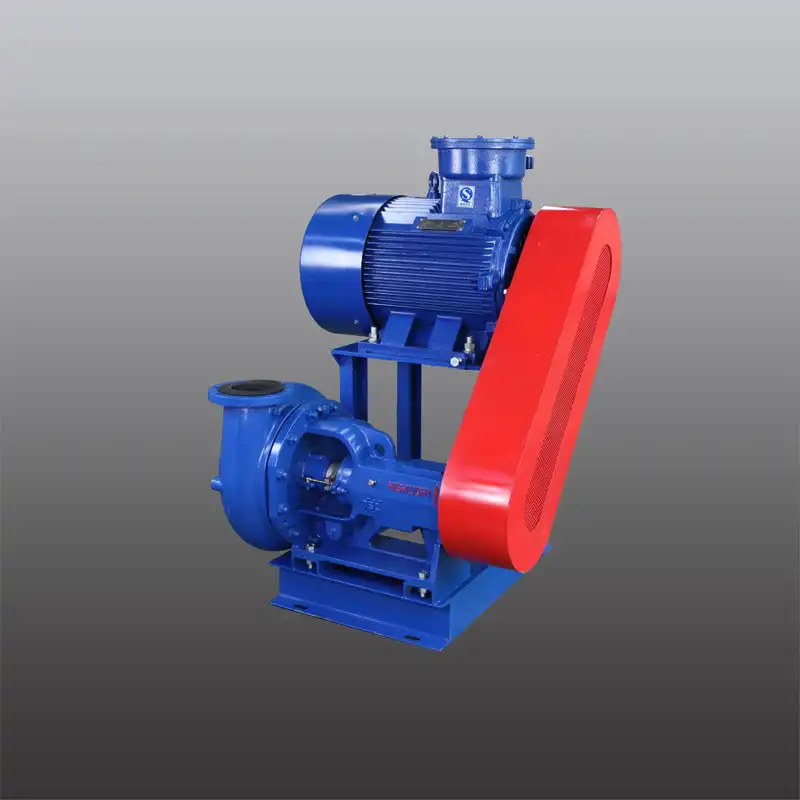
Manufacturing Excellence: China's Centrifugal Pump Industry Leadership
Advanced Production Capabilities
China's centrifugal pump manufacturing business has grown from basic manufacture to advanced engineering and design in the past decade. Chinese pump factories use cutting-edge machining centers, automated welding systems, and precise casting to fulfill international quality standards. Top manufacturers invest extensively in R&D to solve difficult offshore drilling and industrial processing problems. Digital manufacturing has transformed production and quality control. Computer-aided design systems optimize impeller designs and casing configurations, while automated testing equipment maintains product line consistency. Chinese manufacturers can compete with Western suppliers at lower costs thanks to these technological developments.
Specialized Expertise in Industrial Applications
Chinese centrifugal pump manufacturers specialize in heavy-duty applications that require sturdy design and reliable performance. CM Energy (TSC) specialises in offshore drilling, mining, and environmental remediation, understanding application-specific requirements and operating conditions. Beyond manufacturing, this specialization includes system design and integration. Expert vendors offer pump selection, installation, and technical support. Their experience is vital for large projects with different pump setups or difficult operational conditions.
Supply Chain Integration and Efficiency
Integrated supply chains and component sourcing networks make China's industrial ecosystem unique. Major pump manufacturers work with specialized foundries, bearing suppliers, and seal manufacturers to ensure quality and delivery. This interface speeds up special requests and minimizes conventional product wait times. By concentrating similar industries in certain regions, end customers benefit from lower costs and faster development cycles. Suppliers may immediately access specialty components, engineering services, and testing facilities, improving project execution and pricing.
Strategic Supplier Selection: Essential Evaluation Criteria
Technical Capability Assessment
Assessing centrifugal pump vendors' technical and engineering resources is the first step. Check their production, quality control, and design and testing facilities. Find signs of continual improvement and technology investment. Research and development teams show suppliers' dedication to innovation and product improvement. Check the supplier's experience with similar applications. Companies serving offshore drilling platforms value corrosion-resistant materials and sturdy construction, whereas mining companies value abrasion resistance and heavy-duty operation. This application-specific knowledge affects product and operational reliability.
Quality Management Systems
Reliable suppliers have quality management systems for design, manufacturing, and testing. Certifications from recognized standards bodies and thorough quality control are expected. Suppliers should document their quality procedures and discuss continuous improvement. Best manufacturers go beyond performance assurance with extensive testing. Full-load operation testing, material verification, and dimensional inspection ensure product quality before export. Request manufacturing testing and quality control details.
Service and Support Infrastructure
Centrifugal pump equipment relies on service and support infrastructure to succeed. Assess vendors' global service network, technical support, and spare parts availability. Companies with service centers and qualified personnel give crucial applications peace of mind. Consider the supplier's preventative maintenance and troubleshooting strategy. Leading manufacturers provide extensive training, maintenance, and remote diagnostics. Offshore sites and remote regions with limited service personnel access need this support infrastructure.
Financial Stability and Business Continuity
Review company history, market position, and growth trajectories to determine potential suppliers' financial stability and long-term viability. Smaller specialized suppliers are less stable than established enterprises with diversified customer bases and many product lines. Size doesn't ensure trustworthiness; check their track record and reputation in related areas. Consider the supplier's commitment to your market sector and their technology investment strategy. Companies with your application area as their major business strategy are more likely to give continuing support and product development to meet changing needs.
Critical Certifications and Compliance Standards
International Quality Standards
Modern industry requires centrifugal pumps that fulfill international quality standards. ISO 9001 certifies quality management processes, whereas API 610 provides further assurance for demanding applications. Check that possible vendors have current certificates and can prove compliance. Environmental compliance is becoming more critical as global standards tighten. Look for ISO 14001-certified vendors who practice sustainable production. These certificates frequently indicate operational excellence and forward-thinking management.
Regional Regulatory Compliance
Different markets require industrial equipment certifications and permits. Most European markets require CE marking, while North American applications may need CSA or UL. Make sure potential providers understand your target markets' regulations and can provide paperwork and certificates. Some applications need ATEX or maritime classification society authorization for explosive atmospheres or offshore installations. Make sure providers have experience with these specific requirements and have the necessary certifications for your applications.
Material and Manufacturing Standards
Centrifugal pump components must meet strict material specifications for reliable operation in harsh conditions. Make sure suppliers utilize certified, traceable materials. For corrosive fluid, high temperature, or essential safety applications, this is crucial. Product quality is enhanced by welding and heat treatment certifications. Request details regarding the supplier's manufacturing and quality control processes, especially for casings and impellers.
Effective Sourcing Strategies and Platform Utilization
Digital Procurement Platforms
Modern B2B procurement platforms transformed supplier search and evaluation. Alibaba, Made-in-China, and Global Sources offer thousands of suppliers with company profiles, product catalogs, and customer reviews. These platforms efficiently screen and compare multiple sources. Direct relationships with preferred suppliers are needed for successful procurement beyond platform-based interactions. Digital platforms for discovery and screening, then direct communication for technological requirements, quality standards, and financial terms.
Industry Trade Shows and Exhibitions
International trade events are still good for meeting vendors and testing their products. Leading manufacturers meet at OTC (Offshore Technology Conference), ACHEMA, and regional pump industry meetings to discuss specific requirements. Trade events let you see product quality, company presentation, and technological competence. Attend these events to meet suppliers, view product samples, and learn technical details. Trade displays often yield more valuable relationships than business talks.
Professional Industry Networks
Use professional networks and industry associations to find reliable suppliers and get feedback. Colleagues on similar projects might advise on supplier capabilities, service quality, and problems. Technical conferences and industry forums offer more opportunity to discover new vendors and technology. These professional networks keep you informed of market changes and supplier capabilities.
Successful OEM and ODM Partnership Development
Technical Collaboration Frameworks
Technical collaboration frameworks must define roles, duties, and communication protocols for OEM relationships to succeed. To assure project success, schedule review sessions, technical milestones, and documentation requirements. Successful relationships incorporate suppliers as development partners, not just component providers. Consider the supplier's engineering and unique solution investment. Major OEM agreements receive specialized engineering teams and access to design tools and testing facilities from leading manufacturers. Collaboration typically produces novel solutions and better product performance.
Intellectual Property Protection
Work with OEM suppliers to establish clear IP ownership and protection agreements. Design revisions, proprietary technology, and private information should be assigned. Check vendors' internal controls to protect sensitive technical and customer data. Consider the supplier's IP protection and customer data management practices. Reliable vendors have good internal procedures and can provide client references on intellectual property protection.
Long-term Strategic Alignment
Supplier capabilities must match customer strategic goals for OEM collaborations to succeed. Discuss long-term product roadmaps, technology development, and market expansion to maintain compatibility. Suppliers who support customer strategic goals are often good development partners. Assess potential suppliers' commitment to innovation and ongoing development. Companies investing in innovative technology and manufacturing indicate long-term collaboration success and competitive positioning.
Smart Procurement: MOQ and Pricing Optimization
Understanding Minimum Order Quantities
Suppliers' minimum order quantities reflect production efficiency and cost. Higher minimum orders but better pricing and assistance are typical of larger manufacturers. Smaller providers may accept lower quantities but charge more and offer fewer services. Your volume predictions and inventory management capabilities should guide MOQ negotiations for centrifugal pumps. Established clients can use blanket orders with scheduled releases or consignment inventory programs from several vendors.
Strategic Price Negotiation
Effective pricing discussions incorporate overall cost of ownership, not just purchase price. Consider installation, spare parts, warranty, and service support while assessing supplier proposals. The lowest starting price frequently has higher lifecycle expenses. Create long-term volume predictions to support price discussions and show partnership commitment. Customers who sign multi-year contracts or minimum annual quantities receive considerable price discounts from suppliers.
Value-Added Services
Even if their equipment costs more, leading suppliers offer value-added services that lower project costs. Complex installations benefit from installation support, commissioning help, operator training, and preventative maintenance. Assess providers' ability to deliver auxiliary equipment, control systems, and integration services. Single-source accountability simplifies projects and boosts system performance.
Quality Assurance: Factory Audits and Control Systems
Comprehensive Audit Protocols
Systematic factory audits reveal supplier capability and quality control. Standardize audit checklists for manufacturing, quality control, testing, and documentation. Focus on process control, not product inspection. Auditors should monitor typical operations and labor habits during manufacturing. Audit quality control, testing, and corrective action systems. Focus on measuring equipment calibration and quality control documentation.
Supply Chain Transparency
Examine suppliers' supply chain and component sourcing strategies. Reliable manufacturers have certified supplier lists, inbound inspections, and material traceability. Knowing their supply chain management helps analyze risks and quality control. Find out how important component suppliers control quality. Top manufacturers audit their suppliers and document supply chain quality management.
Continuous Improvement Culture
Examine suppliers' quality management systems, personnel training, and technology investments to determine their continuous improvement commitment. Successful continuous improvement companies offer greater long-term collaborations and product development support. Systematic problem-solving, staff suggestion programs, and quality metrics review should be shown. Management commitment to operational excellence and customer happiness is shown by these metrics.
Industry-Leading Supplier Characteristics
Technological Innovation Leadership
Innovative technology and product development set top centrifugal pump providers apart. They invest much in R&D, have modern testing facilities, and routinely release upgraded products with the latest engineering improvements. These corporations regularly patent novel designs and manufacturing processes. Leading suppliers work with clients to optimize pump performance for specific operating situations. Their engineering teams collaborate with customers during design, sharing application and technical expertise.
Comprehensive Service Networks
Superior suppliers build global service networks to maintain their products throughout their lifespans. These networks have strategically placed service facilities, qualified technicians, and ample replacement parts. They respond quickly to service calls and preventive maintenance. Service excellence includes application engineering, performance optimization, and upgrade recommendations in addition to repair and maintenance. Leading suppliers keep extensive equipment histories and notify clients of maintenance schedules and enhancements.
Market Leadership and Recognition
Major clients, industry groups, and technical organizations recognize top suppliers. Industry standards development, technical publications, and professional conferences are their activities. Technical expertise and industry advancement are shown by this involvement. Market leadership frequently brings financial stability and longevity for centrifugal pumps. Major market players and varied customer bases usually guarantee equipment support and availability throughout its lifecycle.
Conclusion
Technical capabilities, quality systems, and long-term viability must be considered when choosing 2026 centrifugal pump suppliers. Chinese manufacturers have led the sector by investing in technology, quality management, and global service networks. Success involves supplier capability assessment and strategic alignment with operational needs, not just price comparisons. The best relationships involve thorough supplier evaluation, explicit requirements communication, and continued engagement throughout project lifecycles. CM Energy (TSC) shows that Chinese manufacturers can produce high-quality goods with thorough assistance. Their dedication to offshore drilling and innovation make them reputable providers.
Frequently Asked Questions
1. What are the key advantages of sourcing centrifugal pumps from Chinese manufacturers?
Chinese centrifugal pump manufacturers offer reasonable prices, modern manufacturing, and wide product ranges. Leading companies invest considerably in new production equipment and quality control systems to compete with foreign suppliers while saving money.
2. How can I verify the quality standards of potential suppliers?
Analyze supplier certificates, production procedures, and quality control methods to ensure quality. Request ISO certification papers, evaluate testing procedures, and consider factory audits to watch operations. Existing customer references reveal performance and service quality.
3. What certifications should I require from centrifugal pump suppliers?
ISO 9001 for quality management systems and API 610 for industrial applications are essential certifications. CE marking, CSA approvals, and marine classification society certificates may be needed for your target markets.
Partner with CM Energy for Superior Centrifugal Pump Solutions
Our reliable TSC HighlightTM centrifugal pump series from CM Energy can handle your toughest pumping requirements. Our global experience supporting offshore drilling platforms, mining operations, and industrial facilities allows us to understand your needs and provide reliable solutions. As a leading centrifugal pumps manufacturer, we combine advanced engineering capabilities with comprehensive global service support to ensure optimal performance throughout your equipment's operational life. Contact our technical staff at info.cn@cm-energy.com to discuss your pumping needs and how CM Energy can improve your operational efficiency.
References
1. American Petroleum Institute. "API Standard 610: Centrifugal Pumps for Petroleum, Petrochemical and Natural Gas Industries." Eleventh Edition, 2019.
2. International Organization for Standardization. "ISO 5199:2002 Technical Specifications for Centrifugal Pumps - Class II." Geneva: ISO Press, 2002.
3. Hydraulic Institute. "Pump Life Cycle Costs: A Guide to LCC Analysis for Pumping Systems." Third Edition, Parsippany: HI Publications, 2020.
4. McNally, Patrick. "Industrial Pump Selection and Application Guidelines." McGraw-Hill Professional Engineering, 2021.
5. Society of Petroleum Engineers. "Offshore Drilling Equipment and Operations Manual." Richardson: SPE Press, 2020.
6. Zhang, Wei and Liu, Ming. "Modern Manufacturing Techniques in Chinese Industrial Pump Production." Journal of Manufacturing Excellence, Vol. 45, No. 3, 2023.