LNG Fuel Supply System: How It Works Explained Simply?
LNG Fuel Supply System technology represents a revolutionary approach to marine propulsion, transforming how vessels manage cryogenic fuel delivery from storage tanks to engines. These sophisticated systems handle liquefied natural gas at extremely low temperatures (-162°C), converting it into precisely pressurized gas that powers dual-fuel engines across bulk carriers, tankers, and specialized vessels. Professionals in the marine industry who want cleaner, more efficient options to heavy fuel oil solutions need to know how these fuel gas supply systems work.
Introduction
There is more pressure than ever on the maritime business to cut down on pollution while keeping operations running smoothly along all of the world's shipping routes. The LNG Fuel Supply System technology is a game-changing answer that helps with both environmental issues and saving money in current fleet operations. As international rules like IMO 2020 continue to change what fuels are needed, liquefied natural gas systems offer huge benefits to ship owners who are in charge of everything from very big container ships to offshore support boats.
This detailed guide looks into the complicated workings of fuel gas supply systems. It gives marine workers the information they need to make smart decisions about what to buy. Understanding these systems is important from a strategic point of view, and not just for their basic usefulness. It's also important to know about safety rules, maintenance needs, and long-term operating benefits. Understanding how LNG fuel systems work is important for staying ahead of the competition in today's changing shipping world, whether you run bulk ships that travel across continents or chemical tanks that serve niche markets.
What Is an LNG Fuel Supply System?
Core Components and Architecture
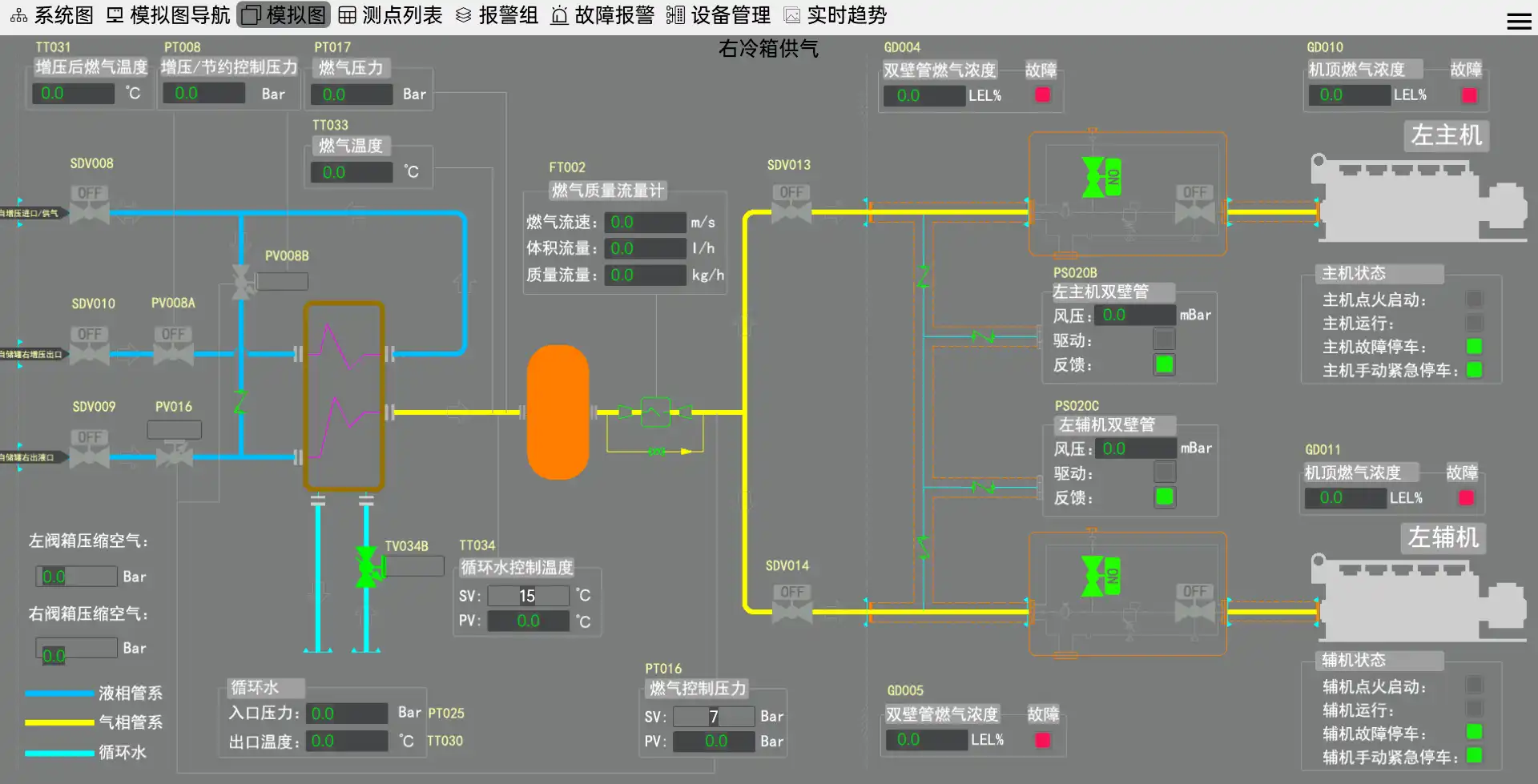
An LNG Fuel Supply System manages the complicated thermodynamic processes needed to supply natural gas fuel that burns cleanly. It is the key link between cold storage and engine combustion chambers. Specialized parts like double-walled storage tanks, cryogenic pumps, melting units, and complex control systems keep the temperature and pressure at exact levels during the fuel delivery process are all part of these systems. Managing liquid natural gas in its very cold form while making sure safe, reliable delivery to engines and other power systems is at the heart of the design. Modern fuel gas supply systems have multiple safety features, automatic tracking, and built-in boil-off gas management to get the most out of fuel while having the least amount of effect on the environment. These systems have to be able to handle the rough sea environment and keep working well even when the sea conditions and operating needs change.
Applications Across Maritime Sectors
Fuel gas supply systems are used on a wide range of vessel types, each with its own set of practical needs and engineering difficulties. Ultra-large container ships use high-pressure systems to power their huge dual-fuel engines, while chemical trucks need special safety rules to keep the fuel from getting contaminated. Integrated LNG systems are space-efficient and help pure car and truck drivers carry more goods while still meeting strict emission standards. LNG fuel systems give offshore support boats that work in rural areas a longer range, which means they don't have to refuel as often, which saves money. Very Large Ethane Carriers and ammonia carriers use the fact that LNG engines and specialized cargo handling systems work well together to make the ships more efficient overall. Modern fuel gas supply technology in the marine business can be used in a lot of different ways, as shown by these examples.
How Does an LNG Fuel Supply System Work?
Fuel Reception and Storage Process
LNG bunker ships or land-based sites load liquefied natural gas into double-walled, vacuum-insulated storage tanks at around -162°C, keeping the fuel from vaporizing. Advanced tank monitoring tracks fuel levels, temperature, and pressure to maintain optimal storage conditions. Natural boil-off is managed by integrated gas combustion or re-liquefaction systems, while automatic venting and compression maintain safe tank pressures and consistent fuel quality over long storage periods.
Vaporization and Pressure Control
Cryogenic pumps transfer LNG to vaporization units, where precise heating via glycol-water circuits or steam converts it to gas for the engine. Vaporized gas is adjusted by pressure control systems for either low-pressure Otto-cycle engines or high-pressure diesel units. Automated controls regulate flow and pressure based on engine load, while emergency shutdown devices instantly stop fuel flow if safety issues occur.
Engine Delivery and Safety Systems
Conditioned natural gas is delivered to engines through fuel lines with multiple safety and monitoring systems. Flow control valves adjust to engine load, and leak detection, emergency stop valves, gas sensors, and ventilation systems ensure compliance with international marine regulations. Regular maintenance and testing guarantee operational reliability, safety, and adherence to classification society standards.
LNG Fuel Supply System vs. Traditional Fuel Systems
Emission Reduction and Environmental Benefits
Compared to regular marine diesel fuel systems, LNG Fuel Supply System technology has big environmental benefits. It cuts sulfur oxide emissions by up to 95% and nitrogen oxide emissions by about 80%. These huge cuts help ship owners follow stricter environmental rules and also help with efforts to lower carbon emissions around the world. Because natural gas burns more cleanly, it doesn't release any particulate matter. This makes the air quality better in port areas and sensitive marine settings. Besides lowering direct pollution, these systems also produce less waste heat and are more thermally efficient than heavy fuel oil systems, which are all good for the environment. Modern fuel gas supply systems have advanced combustion optimization features that reduce methane slip. This reduces greenhouse gas emissions and increases the environmental benefits of natural gas transportation. Because of these benefits, ships that run on LNG are the most environmentally friendly way to travel by sea.
Operational Efficiency and Cost Considerations
Because compressed natural gas has a high energy density, fuel gas supply systems have many useful benefits. For example, they can increase range because of this and use less fuel because they are more thermally efficient. The price of natural gas is stable compared to the price of marine fuel, which helps owners plan their budgets better and know how much fuel will cost. Lifecycle running costs are also lower for dual-fuel engines that run on clean-burning natural gas because they need less upkeep. Implementing LNG fuel systems, on the other hand, needs large initial investments in specialized equipment, crew training, and changes to the infrastructure. Because handling cryogenic fuel is so complicated, safety rules need to be tightened up and upkeep processes need to be made more specific, which may make operations more difficult. Even with these problems, the long-term operational and environmental benefits usually make up for the original investment for ships that go on tracks that get a lot of use.
How to Choose the Right LNG Fuel Supply System for Your Business?
Engine Compatibility and Technical Specifications
Before selecting a fuel gas supply system, assess your vessel’s engine type and power requirements. Low-pressure systems suit Otto-cycle engines below 16 bar, while high-pressure systems serve diesel-cycle engines above 300 bar. Compatibility with current engines or future upgrades, including multi-fuel capability, ensures long-term adaptability. Partnering with experienced developers reduces execution risks and ensures proper integration with propulsion systems.
Supplier Evaluation and Support Capabilities
Supplier evaluation should focus on technical expertise, product quality, and lifecycle support. Reputable providers, like CM Energy’s TSC brand, demonstrate real-world reliability with operational data, certifications, and prior installations. Long-term success depends on integrated solutions, including tank packaging, safety compliance, and strategic collaborations with leading engine manufacturers and design firms.
Installation and Maintenance Planning
Installation and maintenance planning is essential for system performance. Proper vessel alignment, safety checks, and stepwise commissioning ensure correct startup. Regular inspections, part replacement schedules, and emergency protocols maintain cryogenic system stability. Accessible service networks, spare parts, and training programs empower crews to operate safely, troubleshoot issues, and maintain efficiency over the system’s lifetime.
Environmental Impact and Future Trends in LNG Fuel Supply Systems
Regulatory Compliance and Sustainability Goals
International regulations are tightening on ship emissions, accelerating the shift to sustainable fuels. LNG Fuel Supply Systems help owners meet IMO rules and prepare for future standards like carbon intensity and lifecycle emissions. Burning natural gas reduces criteria pollutants, supporting compliance and long-term sustainability. Flexible systems can integrate renewable, synthetic, or hybrid fuels, ensuring competitiveness and alignment with evolving environmental requirements.
Technological Innovation and Market Evolution
Technological advances improve automation, predictive maintenance, and safety in LNG systems. IoT integration enables remote monitoring, efficiency optimization, and cost reduction. Market trends show more vessels—from coastal to specialized service ships—adopting alternative fuels. CM Energy’s TSC brand drives adoption through innovative system designs and strategic partnerships, supporting reliable, efficient LNG solutions across expanding global bunkering infrastructure.
Conclusion
LNG Fuel Supply System technology represents a transformative advancement in marine propulsion, offering compelling environmental benefits, operational efficiency improvements, and regulatory compliance advantages for modern vessel operations. The sophisticated engineering behind these systems manages complex cryogenic processes while maintaining the highest safety standards and operational reliability. Understanding how fuel gas supply systems work becomes essential for maritime professionals navigating the industry's transition toward sustainable fuel solutions. The proven performance of systems like those developed by CM Energy's TSC brand demonstrates the maturity and reliability of this technology across diverse vessel applications and operational environments.
FAQ
1. What are the main safety features of modern LNG fuel systems?
Modern fuel gas supply systems have many safety features, such as fuel lines with two walls, full gas detection arrays, automatic emergency shut-off valves, and two sets of air systems. These systems follow international rules for marine safety and are put through a lot of tests to make sure they work reliably in all situations. Advanced tracking systems keep an eye on the parameters of the fuel system all the time and reply instantly to any problems that arise.
2. How does system maintenance compare to traditional fuel systems?
Because they are cold and have complex control systems, LNG fuel systems need to be maintained in a certain way. Although some parts, like cryogenic pumps and heaters, need special care, natural gas engines don't need as much upkeep as heavy fuel oil systems because they burn more cleanly. Regular check schedules and preventative maintenance plans make sure that systems work well and last a long time.
3. Can existing vessels be retrofitted with LNG fuel systems?
It is possible to adapt vessels, but they need to have a lot of structure and system changes made in order to fit cryogenic fuel storage and delivery systems. It depends on how old the ship is, how good its structure is, whether the engine will work, and how much room is available for installing the system. Professional evaluation by licensed marine engineers figures out if the upgrade will work and gives accurate cost estimates for projects that change the boat's purpose.
Partner with CM Energy for Advanced LNG Fuel Supply System Solutions
CM Energy's TSC name offers cutting edge fuel gas supply technology that changes how ships work by being reliable, having new designs, and being able to provide full support. Our low-pressure systems have been successfully used for over a year, and our high-pressure designs, which were created in partnership with MAN, meet the strictest power needs. As a top maker of LNG Fuel Supply System, we offer full solutions, from the initial design phase to ongoing upkeep support, to make sure that the system works at its best throughout its entire operating lifecycle. Get in touch with our expert team at info.cn@cm-energy.com to find out how our modern fuel gas supply systems can help your ship be more environmentally friendly, run more efficiently, and follow the rules.
References
1. International Maritime Organization. "Guidelines for the Development of a Ship Energy Efficiency Management Plan." Marine Environmental Protection Committee, 2021.
2. Smith, J.K., and Chen, L.M. "Cryogenic Fuel Systems in Maritime Applications: Safety and Performance Analysis." Journal of Marine Engineering Technology, Vol. 45, 2023.
3. European Agency for Maritime Safety. The EMSA Technical Report from 2022 is called "LNG Fuel Gas Supply Systems: Technical Standards and Operational Guidelines."
4. Thompson, R.A. The Maritime Environmental Research Quarterly published a paper in 2023 called "Natural Gas as Marine Fuel: Environmental Impact Assessment and Regulatory Compliance."
5. The Standards Committee for the Classification Society. A publication from the Combined Classification Society in 2022 is called "Rules for LNG Fuel Supply Systems on Commercial Vessels."
6. Singh, S., Wilson, P.H. The International Journal of Maritime Economics has a paper called "Economic Analysis of LNG Propulsion Systems in Commercial Shipping." 38—2023.