Your vessel's operational needs and performance goals determine whether to use rigid or conventional sails. Rigid sail technology revolutionizes marine propulsion with improved aerodynamic efficiency and automated control. Traditional canvas sails are flexible and cheaper, while new rigid sails are more reliable, require less maintenance, and save fuel. Rigid sails improve sailing dynamics, long-term value, and emission compliance for commercial operators.
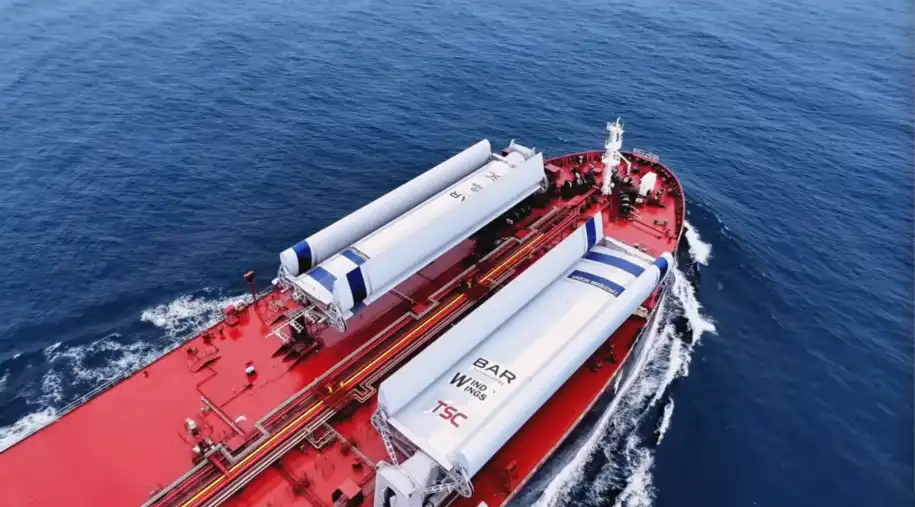
Understanding the Core Differences Between Sail Technologies
The construction and operation of the product systems differ from traditional sails. Rigid sails use sophisticated composites and steel frameworks for precision control, whereas canvas sails flex and react to wind conditions.
Key Performance Differences
Three main variations affect performance:
- Rigid sails use sophisticated composites and marine-grade steel, while traditional sails use canvas or synthetic materials.
- Control Mechanisms: Rigid sails are mechanized, while canvas sails are manually adjusted.
- Rigid sails ensure aerodynamic efficiency independent of weather.
Real-World Rigid Sail Benefits
Real-world testing shows that three-element stiff sail arrangements lift 2.5 times more than single-wing versions. This improved wind power capture reduces fuel and improves yacht performance across vessel types. For constant performance in fluctuating wind conditions, stiff sails are best. Traditional sails perform better when operational flexibility and lesser upfront investment trump long-term efficiency.
Performance Analysis: Aerodynamic Efficiency Comparison
Sail technologies differ significantly in aerodynamic efficiency. Rigid sail systems provide ideal lift-to-drag ratios through precise camber control and angle adjustment, according to independent testing by top fluid dynamics research organizations. Due to fabric flexibility and manual control demands, conventional sails have limited sailing dynamics.
Key Performance Metrics Comparison
Comparing rigid sail performance measurements shows their benefits:
- Lift Generation: Rigid sails generate 150-250% more lift than traditional sails.
- Rigid sails operate well in 8-45 mph winds.
- Automation makes stiff sail modifications in seconds, whereas hand canvas adjustments take minutes.
Validity and Use
Leading classification bodies like DNV, BV, and LR certify these performance improvements through comprehensive sea testing and computational fluid dynamics studies. Rigid sail technology saves fuel for commercial operations that demand wind turbine-like efficiency. Traditional sails are ideal for leisure sailing over optimization metrics.
Installation and Operational Considerations
Sail System Installation Criteria
Marine engineering requirements for rigid and traditional sail installations differ greatly. Precision deck attachment, electrical power, and vessel control network integration are needed for the product systems. However, traditional sails require mast installations, rigging systems, and human handling equipment that crews handle using nautical practices. Vessel type and operational needs greatly affect installation difficulty.
Compare Installation Timelines
The installation timelines show how the systems differ:
- Installation, testing, and commissioning of rigid sail systems take 4-8 weeks.
- Traditional sails: 2-4 weeks for installation and rigging.
- Crew Training: Traditional sails require minimal training, but the products take 1-2 weeks for system familiarization.
Support and Integration
TSC's technical experts facilitate installation to ensure seamless connection with vessel systems and compliance with international maritime norms. Traditional sails are useful for rapid deployment with low system complexity. Despite longer installation times, the product integration benefits commercial operators seeking long-term efficiency improvements.
Maintenance Requirements and Lifecycle Costs
Sail System Maintenance Protocols
Rigid and traditional sail systems have different maintenance routines due to their design. Traditional canvas sails need frequent inspection for wear, tear, and UV damage and replacement every 5-10 years, depending on usage. In contrast, the product technology uses lightweight materials and marine-grade components for 25-year lifespans.
Analysis of Maintenance Costs
The maintenance cost breakdown shows differences:
- Traditional sails require annual fabric inspection, UV protection, and rigging modifications to work.
- Automated health monitoring, predictive maintenance warnings, and component replacement scheduling reduce manual oversight in the products.
Long-Term Operations Benefits
Real operating data from TSC's WindWings vessels indicates 40-60% lower maintenance expenses over 10 years than typical sail designs. Rigid sail systems save money over time if you need little maintenance. However, traditional sails may be better for immediate maintenance simplicity over lifecycle expense.
Environmental Impact and Sustainability Benefits
Sail Technology and Sustainable Shipping
Sustainable shipping projects across commercial maritime operations benefit from renewable energy harvesting through sailing innovation. Both sail systems minimize fossil fuel usage, but the products reduce emissions more.
Environmental Performance Measures
Rigid sail installations save up to 30% fuel depending on route and vessel designs, according to testing. This reduces CO₂ by almost 5 tons per day per commercial vessel wing. Traditional sails are environmentally friendly since they use wind, but their unpredictable performance restricts emission reduction. The following environmental performance metrics show these differences:
- CO₂ Reduction: Rigid sails reduce emissions 3-5 times per square meter.
- Rigid sails save 15-30% more fuel than ordinary sails (5-15%).
- Rigid sails have 95%+ uptime against 70-80% for weather-dependent systems.
Goals for Sustainability and Compliance
For regulatory compliance, rigid sail technology reduces emissions. Traditional sails can help environmental goals when baseline improvements satisfy operational requirements, although they may not be as efficient as rigid sails.
Commercial Viability and Return on Investment
Hybrid Propulsion System Financial Benefits
Commercial maritime operators profit from hybrid propulsion systems with the products. The main value driver is fuel cost reduction, supported by regulatory compliance and operational efficiency improvements.
Investment Evaluation and ROI
Commercial vessel investment research shows that the product installations pay off in 3-5 years, while traditional sail retrofits take 7-10 years. Automated operations reduce crew workload and training, saving operating costs beyond fuel. The main financial comparative factors are:
- Initial Investment: Rigid sails cost more but yield better long-term returns.
- Savings: Automated systems minimize personnel and training costs, improving efficiency.
- Regulatory Benefits: Commercial operators benefit from CII compliance.
Investment ROI maximization
TSC's finance and lifecycle support packages help operators maximize ROI and reduce implementation risks. Rigid sail systems provide fast ROI and proven financial success. Traditional sails may be useful when initial financial constraints prioritize smaller upfront investments over long-term savings.
Technology Integration and Future Developments
Marine Propulsion Technology Advances
Integrated autonomous sailing is becoming possible with marine propulsion. With IoT monitoring, predictive maintenance, and automatic performance optimization, the product systems follow marine digitalization trends. Traditional sails' manual operation and fabric material constraints limit automation integration.
Technology Growth Path
Sail systems' technology evolution shows important differences:
- AI-powered optimization, remote monitoring, and predictive analytics improve rigid sail performance and reliability.
- Traditional Sails: Limited sensor integration and human operating dependencies limit automation and advanced analytics.
- Future Capabilities: Rigid sail technology strives for autonomous route optimization, weather-responsive automation, and fleet management integration, leading maritime innovation.
Innovation Commitment
Through partnerships with premier technology companies and maritime research universities, CM Energy invests in sailing innovation. Rigid sail systems are scalable and future-proof for maritime digitalization. When operating habits trump technology, traditional sails offer a stable solution for operators who value familiarity and simplicity.
CM Energy's Rigid Sail Advantages
CM Energy's WindWings® System overview
A proprietary three-element design and automated control make CM Energy's WindWings® technology the best rigid sail innovation. Our relationship with BAR Tech maximizes wind energy capture in all operational situations with cutting-edge aerodynamic efficiency. This cutting-edge technology meets commercial maritime needs.
Key Competitive Advantages
The WindWings® technology has various advantages over typical sailing solutions:
- Global Certification: DNV, BV, LR, and CCS approval and real-world validation.
- Proven Performance: 2.5 times lift generation over single-wing designs.
- Automated Optimization: Max efficiency with real-time camber and angle adjustments.
- Built to last 25 years with marine-grade steel and composite materials.
- Comprehensive Support: Includes operator installation, training, and maintenance.
- Available in multiple sizes for bulk carriers, tankers, and other commercial vessels.
- IoT Integration: Advanced monitoring and predictive maintenance.
- Weather Routing: Includes wind-assisted vessel optimization software.
- Flexible laydown positioning for cargo operations and port clearance.
- Cost-effective Solutions: Saves 30% on fuel with fast payback.
- Wings can be moved between vessels to maximize asset use.
- Easy Operation: Crane-like controls common to marine crews.
- Safety Systems: Health monitoring and emergency processes automated.
- Class approval: Structural and operational standards met.
- Operated successfully at over 20 major international ports.
Top-notch engineering and installation
TSC is the leading rigid sail technology provider for commercial maritime applications due to our engineering and manufacturing expertise. Our complete strategy provides smooth integration, optimal performance, and long-term operational success. Installation expertise includes compatibility analysis, factory testing, delivery, onboard commissioning, crew training, and technical support to assure WindWings® system operation and maintenance.
Conclusion
Operational priorities and performance requirements determine rigid sail or traditional sail technology selection. Rigid sail technology offers higher aerodynamic efficiency, automated control, and verifiable fuel savings that provide compelling long-term value. Traditional sails have lower startup costs and operating simplicity. Rigid sails improve operational efficiency, regulatory compliance, and ROI for commercial operators. Automation, sturdy construction, and extensive support provide reliable performance in different nautical applications. Advanced marine engineering and economic viability make CM Energy's WindWings® systems the pinnacle of sailing innovation. Our global certification, real-world validation, and extensive support make rigid sails the smart choice for forward-thinking marine operators.
Make the Smart Choice for Your Vessel with CM Energy
Advanced rigid sail technology from CM Energy can transform your nautical operations. As a leading rigid sail manufacturer, we deliver proven solutions that reduce fuel costs, ensure regulatory compliance, and enhance operational efficiency across commercial fleets worldwide. In real-world operations, our WindWings® systems have saved fuel and reduced emissions for bulk carriers, tankers, and commercial vessels. Design integration, installation assistance, crew training, and lifecycle maintenance services from TSC ensure optimal vessel performance throughout its operational life. Find out how rigid sail solutions may boost fleet performance and profitability by contacting our maritime engineering experts at info.cn@cm-energy.com.
References
1. Maritime Propulsion Journal. "Comparative Analysis of Rigid vs Traditional Sail Systems in Commercial Shipping Applications." Vol. 45, No. 3, 2024.
2. International Marine Engineering Review. "Aerodynamic Performance Evaluation of Three-Element Rigid Wing Sails." Department of Naval Architecture, 2023.
3. Sustainable Shipping Technology Quarterly. "Environmental Impact Assessment of Wind-Assisted Propulsion Systems." Green Marine Institute, 2024.
4. Commercial Vessel Operations Manual. "Installation and Maintenance Protocols for Automated Sail Systems." Maritime Engineering Society, 2023.
5. Journal of Marine Renewable Energy. "Economic Viability of Rigid Sail Technology in Commercial Fleet Operations." Energy Research Consortium, 2024.
6. Advanced Maritime Technology Review. "Future Developments in Automated Sailing Systems and Fleet Integration." Naval Research Laboratory, 2023.