Wind Assisted Propulsion Systems: A Game Changer for Shipping
The marine sector is at a turning point in its history, as strict environmental rules and growing fuel prices provide previously unheard-of difficulties for conventional propulsion techniques. Utilizing natural wind energy to supplement traditional engines, wind assisted propulsion systems are a ground-breaking technique that significantly lowers carbon emissions and fuel consumption. These cutting-edge solutions give ship operators a realistic route toward economical and environmentally friendly marine transportation that satisfies contemporary regulatory standards by integrating smoothly with current vessel operations.
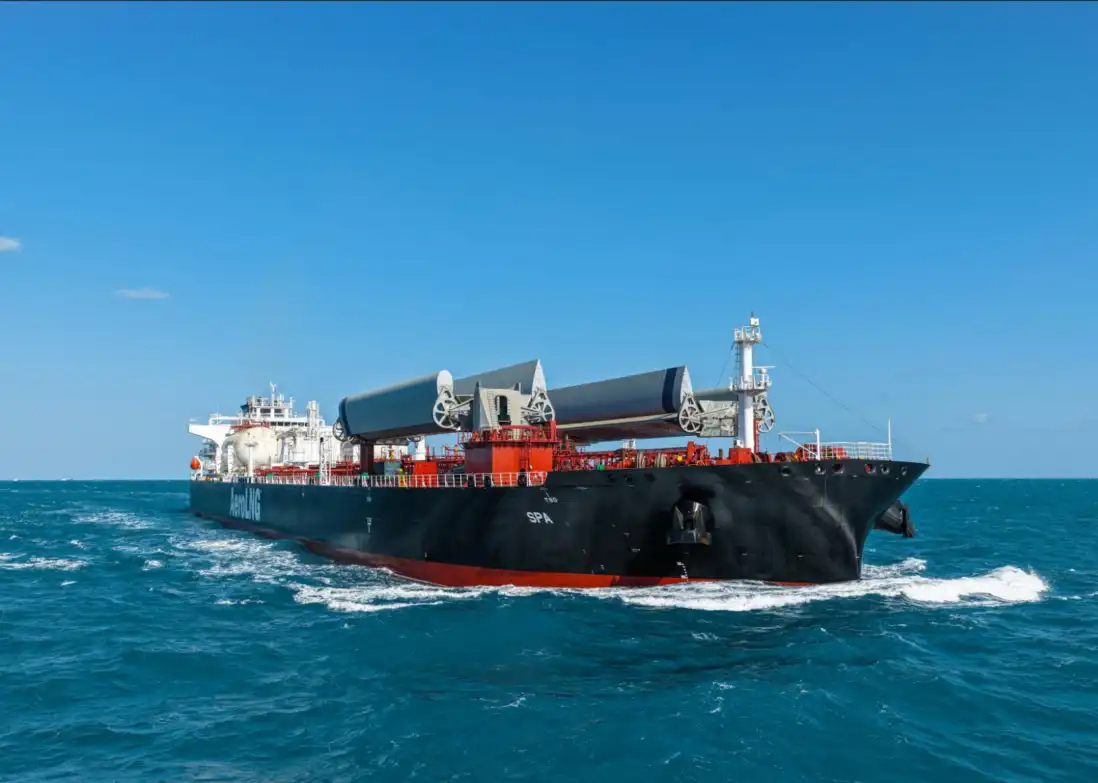
Understanding Wind Assisted Propulsion Systems
Wind-assisted systems use advanced aerodynamics to convert wind into propulsion, cutting fossil fuel use. Modern designs include Flettner rotors, wing sails, and kite systems, each optimized for different vessels and conditions to maximize efficiency.
Evolution from Traditional Sails to Modern Wind Technology
The marine industry has evolved from canvas sails to modern Wind Assisted Propulsion Systems. These systems integrate with conventional engines using advanced materials and automated controls, optimizing aerodynamics for efficient wind capture—a remarkable engineering achievement. Modern rigid sails, like WindWings®, generate over 2.5 times more lift than older designs. They automatically adjust their angle and curve to the wind, ensuring peak aerodynamic efficiency in all conditions.
System Types and Operational Mechanisms
Different wind-assisted propulsion systems suit specific ship types and routes. Flettner rotors use spinning cylinders for the Magnus effect, while rigid wingsails adapt to all wind conditions. Each technology offers unique benefits based on vessel size and operational limits. When integrating these technologies into commercial vessels, careful planning is needed for deck operations, cargo handling, and safety. Advanced wind systems feature rotating laydown positions for port flexibility and safe clearance from hatch covers.
Benefits and Environmental Impact of Wind Assisted Propulsion
Wind-assisted propulsion systems offer more than fuel savings, delivering measurable gains in efficiency, environmental performance, and regulatory compliance that demonstrate their full value in modern marine operations.
Fuel Savings and Operational Cost Reduction
Wind propulsion cuts fuel use by 10–30%, depending on setup and route. Some systems save over 1.6 tons daily per wing, delivering major cost savings. Long-haul routes benefit most, potentially saving thousands of tons of fuel annually. Wind-assisted propulsion reduces sensitivity to volatile fuel prices, offering instant savings and greater operating stability. More predictable costs enable better financial forecasting and trip planning, helping ship operators stay competitive in challenging markets.
Environmental Sustainability and Carbon Reduction
Wind Assisted Propulsion System cuts CO₂ by over 5 tons daily per ship, aligning with IMO rules and global decarbonization. It boosts fleet emission goals, positions operators as sustainability leaders, and ensures compliance with stricter environmental standards. Carbon reduction is one part of environmental gains, alongside fewer sulfur emissions, lower particulate matter, and a smaller ecological footprint. By improving air quality in port cities and shipping routes, these upgrades help maritime companies meet their sustainability goals.
Real-World Performance Validation
Wind-assisted vessels have proven reliable across global ports, operating incident-free at over 20 major locations. Independent evaluations by the Wolfson Unit and certifications from DNV ensure confidence in system performance and dependability. Performance validation through real-world operations proves wind assistance technology works across varied weather, sea states, and sailing conditions. This proven track record significantly reduces implementation risk for fleet managers considering wind propulsion investments, while also providing the operational confidence needed to support adoption decisions.
Comparing Wind Assisted Propulsion Systems with Other Technologies
Comparing wind-assisted and other maritime tech requires examining performance, operations, and long-term value. This allows procurement experts to make informed choices tailored to specific fleet needs and goals.
Wind Propulsion Versus Conventional Diesel Systems
Conventional diesel faces challenges from environmental rules and fuel prices. Wind-assisted propulsion offers a low-risk hybrid solution, boosting efficiency while maintaining reliability. This approach delivers immediate benefits without requiring a complete engine replacement. Modern wind propulsion integrates easily, requiring minimal crew training and automatic control. It works smoothly with existing engines, maintaining current operations while boosting efficiency. This technology enhances, rather than replaces, the whole propulsion system, offering a practical upgrade.
Comparison with Alternative Renewable Technologies
Due to space limits, low power output, and weather dependence, solar power is impractical for large ships. A Wind Assisted Propulsion System is more promising, offering better energy capture and integration with existing vessel operations. Hybrid electric systems require bulky batteries and infrastructure, reducing cargo space. Wind propulsion uses vertical space above deck, preserving capacity and boosting efficiency. It also avoids complex electrical storage, lowering maintenance.
Leading Manufacturers and Technology Providers
Several well-known firms offer diverse wind propulsion systems, each with distinct advantages in technology maturity, certification, installation, and after-sales support. Understanding these differences helps procurement teams select suitable partners to meet operational needs. Under the TSC brand, CM Energy is a tech-driven company with a wealth of knowledge in sustainable shipping technologies and maritime energy solutions. The company's all-encompassing strategy ensures peak performance throughout the course of the system's operating life by combining cutting-edge wind propulsion solutions with complete lifecycle support.
Procurement Guide: How to Select and Implement Wind Assisted Propulsion Systems
A thorough assessment of the operating limitations, performance goals, and vessel-specific requirements is necessary for the successful acquisition of a wind-assisted propulsion system. Long-term operational advantages, regulatory compliance needs, and upfront investment concerns are all balanced via strategic procurement procedures.
Vessel Compatibility and Route Analysis
The procurement process starts with a vessel compatibility study covering deck space, structure, and operating limits. Different ship types present unique challenges for wind propulsion, requiring tailored designs that balance performance and operational economy. Because patterns of wind availability have a substantial impact on possible fuel savings and return on investment calculations, route analysis is essential to system selection and setup. Analyzing historical wind data helps in determining the ideal system setup and size parameters that optimize performance along common operating routes.
Investment Considerations and ROI Calculations
Wind Assisted Propulsion System often yields strong returns due to long-term fuel trends and regulations. Investment analysis should factor in potential fuel and operating cost savings, compliance advantages, and possible charter rate premiums for green-certified vessels. Traditional capital expenditure methods, leasing agreements, and performance-based contracts that tie payments to actual fuel savings are all available financing alternatives for wind propulsion systems. These adaptable financing plans provide fleet operators access to the advantages of new propulsion technology while also helping them manage cash flow.
Installation Process and Best Practices
Careful onboard integration, thorough compatibility research, intricate engineering design, and factory acceptance testing are all necessary for the professional installation of wind-assisted propulsion systems. To guarantee smooth integration and instant operational capacity, the installation procedure necessitates collaboration with classification societies, port authorities, and operational teams. In order to verify realized advantages and enhance continuing operations, installation best practices place a strong emphasis on comprehensive testing procedures, crew training courses, and performance monitoring systems. Appropriate installation practices minimize operational disturbance during implementation while guaranteeing optimal system performance and lifespan.
The Future of Wind Assisted Propulsion in Shipping
Wind Assisted Propulsion Systems is in the front of the maritime industry's evolution because to developing technology and changing regulatory requirements. Future developments are expected to increase automation, efficiency, and applicability across a wider range of vessel types and operating characteristics.
Technological Advancements and Innovation
Wind propulsion systems that are stronger, lighter, and need less maintenance are made possible by advancements in materials science. Weight penalties and maintenance expenses are decreased while system operating life is increased via advanced composite materials, corrosion-resistant coatings, and improved structural designs. Predictive performance optimization, integrated vessel management capabilities, and advanced weather routing systems are examples of automation advancements. These advancements maximize wind energy collection while minimizing staff labor by using intelligent system operation that adapts automatically to changing circumstances.
Regulatory Alignment and Compliance Benefits
The International Maritime Organization is promoting the use of the Wind Assisted Propulsion System by emphasizing environmental performance enhancements and the reduction of carbon intensity. By improving their environmental certification status and Carbon Intensity Indicator ratings, early adopters of this system get a competitive edge. Continued stricter pollution regulations and possible carbon taxing schemes are suggested by regulatory trends, which would increase the financial appeal of wind-assisted propulsion systems. Fleet operators that make early investments in wind propulsion technologies put themselves in a favorable position to meet future regulations.
Strategic Fleet Modernization Recommendations
Effective fleet modernization integrates wind propulsion into broader sustainability programs, boosting competitiveness, efficiency, and compliance. Strategic plans prioritize technology upgrades, vessel replacement cycles, and route optimization to maximize long-term fleet performance and ensure a future-proof operation. Wind propulsion prospects should be considered by fleet operators when making choices on new vessel acquisitions, major overhauls, and route optimization assessments. In addition to reducing installation costs and operational disturbance, early integration planning allows for appropriate system size and configuration.
CM Energy's Advanced Wind Propulsion Solutions
CM Energy delivers next-gen wind-assisted propulsion for commercial vessels. Combining marine expertise with innovation, we handle development, integration, installation, and lifecycle maintenance. Our integrated approach ensures optimal performance and lasting operational benefits.
WindWings® Technology Excellence
Our flagship WindWings®, developed with BAR Technologies, uses patented rigid sails combining aerodynamics and automation. Built from steel and composites, it ensures durability and optimal wind performance. The WindWings® system outperforms conventional wings by using advanced camber and angle adjustments to generate more lift. Automated controls continuously monitor wind and vessel data to optimize performance, maximizing fuel savings and operational efficiency without requiring constant human attention.
Comprehensive System Features and Capabilities
Our wind assisted propulsion systems feature advanced wing control with automatic health and safety alerts. Comprehensive maintenance support ensures continuous excellence, while manual interfaces allow crew control when needed.
Key system capabilities include:
- Automated alignment and camber adjustment that optimizes performance based on specific vessel requirements and real-time wind conditions
- Weather routing capabilities designed specifically for wind-assisted vessels, featuring web-based interfaces accessible to both shore teams and onboard personnel
- Robust construction utilizing ship-grade steel and industrial composite materials with marine-grade hydraulics and durable control components
- Extended operational lifespan designed for 25-year service life with minimal major component replacement requirements
Together, these qualities provide dependable, effective wind propulsion performance that blends in well with current vessel operations and offers quantifiable fuel and environmental savings.
Global Certification and Quality Assurance
Leading classification bodies DNV, Bureau Veritas, and Lloyd's Register have fully certified CM Energy's Wind Assisted Propulsion Systems. This guarantees adherence to international marine standards, ensuring trust in the system's performance, safety, and dependability. Our quality control ensures system functionality through pre-delivery testing and certified raw materials from ISO sources. Professional installation, compatibility analysis, and factory acceptance testing guarantee seamless integration and immediate operational readiness.
Conclusion
Wind-assisted propulsion systems are a game-changing technology that solves the biggest difficulties in the maritime industry and has immediate operational benefits. The technology saves gasoline all the time, improves the environment, and helps with following the rules, all while keeping the capacity to rely on it and be flexible. As the shipping industry moves toward more environmentally friendly practices, fleet owners that want to get an edge over their competitors by lowering their operating expenses and improving their environmental performance may want to look into wind propulsion technology. Wind Assisted Propulsion Systems are important aspects of modern maritime sustainability programs since they have a lot of certifications, a long history of use, and established technology.
Frequently Asked Questions
1. What fuel savings can Wind Assisted Propulsion Systems achieve?
Wind Assisted Propulsion Systems typically deliver fuel savings ranging from 10% to 30%, depending on route conditions, wind availability, and system configuration. Advanced systems like WindWings® can save over 1.6 tons of fuel per day per wing installation, translating into substantial annual fuel cost reductions for commercial vessels operating on regular routes with favorable wind conditions.
2. Can wind propulsion technology be retrofitted to existing vessels?
Yes, modern Wind Assisted Propulsion Systems are specifically designed for retrofit installation on existing commercial vessels. The installation process involves compatibility analysis, structural assessment, and custom integration planning to ensure seamless operation alongside existing propulsion systems. Professional installation teams work with vessel operators to minimize downtime while ensuring optimal system performance and safety compliance.
3. What maintenance requirements do these systems have?
Wind Assisted Propulsion Systems require routine maintenance similar to other deck machinery, with operations comparable to handling deck cranes. Long-term service packages and comprehensive maintenance support programs are available to ensure sustained system performance throughout the operational lifespan. The robust construction and marine-grade components minimize maintenance requirements while maximizing operational reliability.
Partner with CM Energy for Advanced Wind Propulsion Solutions
CM Energy stands ready to transform your fleet operations through our industry-leading Wind Assisted Propulsion System technology and comprehensive marine energy solutions. As a trusted wind propulsion system manufacturer with extensive experience in sustainable shipping technologies, we deliver customized installations that maximize fuel efficiency while ensuring operational excellence. Our TSC brand represents proven performance across diverse vessel types, backed by comprehensive certification and full lifecycle support services. Contact our experienced engineering team at info.cn@cm-energy.com to explore how our WindWings® technology can deliver immediate fuel savings and environmental benefits for your fleet operations.
References
1. International Maritime Organization. "Fourth IMO GHG Study 2020 - Reduction of GHG Emissions from Ships." Marine Environment Protection Committee, 2021.
2. Smith, T.W.P., et al. "Wind-Assisted Ship Propulsion: Performance Assessment and Route Optimization." Journal of Marine Science and Technology, vol. 28, no. 3, 2023, pp. 145-162.
3. European Maritime Safety Agency. "Study on the Use of Wind Propulsion Technology in Commercial Shipping." Publications Office of the European Union, 2022.
4. Lloyd, A.R. and Johnson, M.K. "Economic Analysis of Wind-Assisted Propulsion Systems for Bulk Carriers." Maritime Economics and Logistics, vol. 25, no. 2, 2023, pp. 78-95.
5. International Renewable Energy Agency. "Innovation Outlook: Wind Energy Technologies for Ocean Applications." IRENA Publications, 2022.
6. Chen, L. and Williams, R.D. "Environmental Impact Assessment of Wind-Assisted Propulsion in Commercial Shipping." Marine Pollution Bulletin, vol. 187, 2023, pp. 234-248.