Marine LNG Fuel Gas Supply System Suppliers Guide
To find your way around the complicated world of marine fuel options, you need expert help and reliable advice. It has become clear that the LNG Fuel Gas Supply System is the most important technology for reducing carbon emissions in the marine sector while still keeping operations running smoothly. These complex systems take compressed natural gas from being stored in liquid nitrogen and turn it into perfectly prepared fuel for dual-fuel engines. They are an important step toward making ships more environmentally friendly. Marine operators around the world depend more and more on qualified providers who have a track record of providing fuel gas supply systems, full installation support, and long-term technical partnerships that ensure legal compliance and practical excellence.
Understanding Marine LNG Fuel Gas Supply Systems
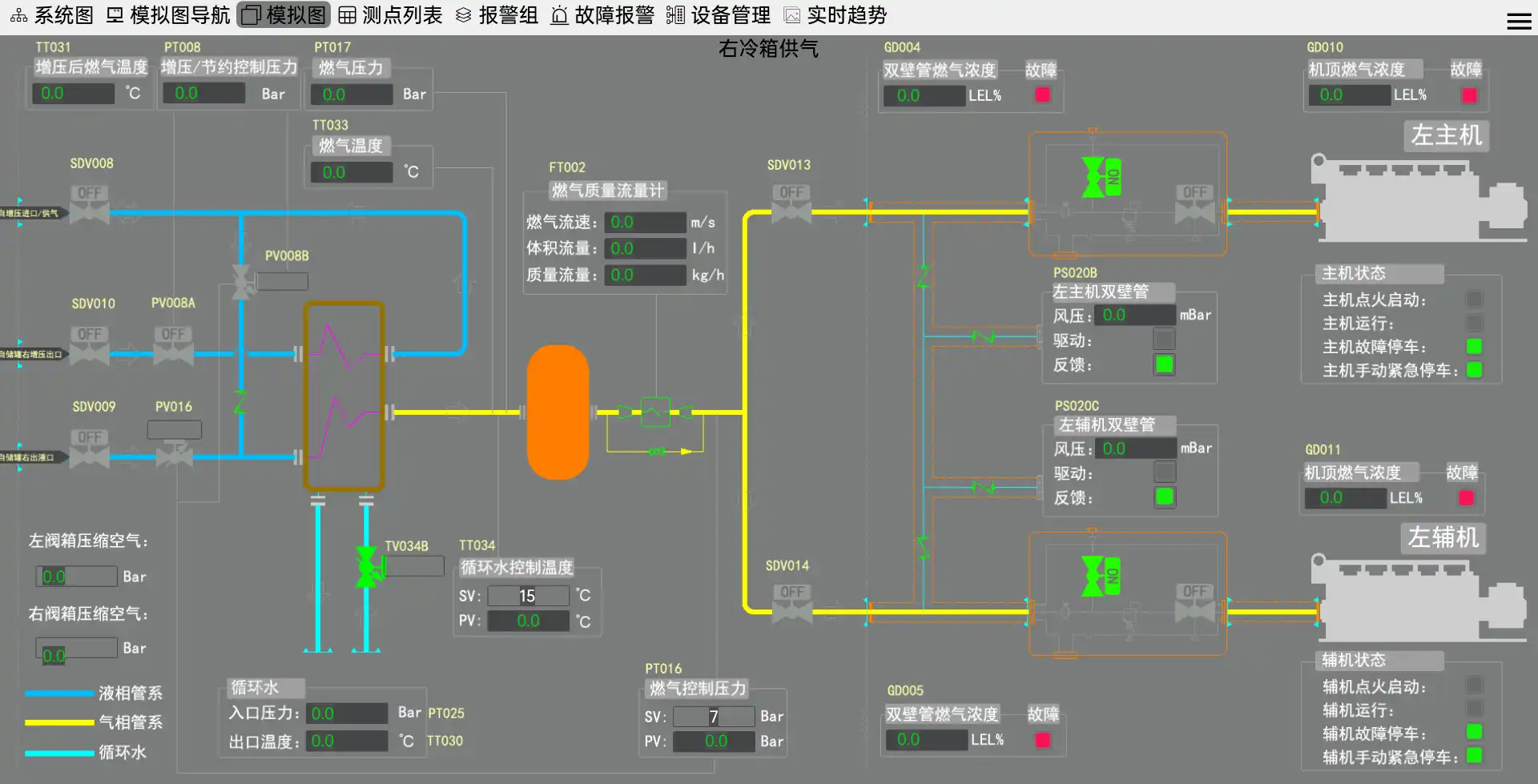
ship fuel gas supply systems are high-tech engineering solutions that are made to handle the complicated thermodynamic processes needed to turn liquid natural gas into ship fuel. These systems are very important for connecting cryogenic LNG storage with current dual-fuel propulsion technologies. They help solve some of the biggest problems in reducing carbon emissions in the marine sector.
Core Components and Operational Principles
The LNG Fuel Gas Supply System is made up of several sections that are all linked to each other and work together to make sure that fuel is delivered safely and quickly. Storage parts include Type-C pressure vessels that keep LNG at very low temperatures, and equipment that controls the change from liquid to gas handles the phase shift. Vaporizers use glycol-water as a burning medium to melt the fuel, which keeps the temperature stable throughout the process. Pressurization systems are different for low-pressure and high-pressure uses. For Otto-cycle engines, LP systems usually work below 16 bar, while HP systems go over 300 bar for modern compression-ignition engines. Safety systems have features like double-block-and-bleed isolation valves, emergency stop procedures, and nitrogen purging that keep them safe in dangerous situations.
Regulatory Compliance and Safety Standards
Fuel gas supply systems have to meet strict safety standards set by the International Maritime Organization. These rules require thorough risk assessments, gas detection systems, and air plans that keep dangerous vapors from building up. Classification societies make sure that setups meet both practical and safety requirements by checking system designs against well-known standards. Another important factor is environmental compliance. Modern systems are made to reduce gas slip and maximize fuel consumption. Advanced control systems keep an eye on how efficiently fuel is delivered and change the settings to keep performance at its best while lowering greenhouse gas emissions.
Boil-Off Gas Management Solutions
Professional-grade fuel gas supply systems are different from basic setups because they have better BOG control. Natural loss happens all the time in LNG holding systems, which builds up pressure that needs to be carefully managed. Today's systems use Gas Combustion Units and extra heaters to burn off extra BOG, turning what could be trash into energy that can be used on board.
Key Considerations When Choosing a Marine LNG Fuel Gas Supply System
To pick the right fuel gas supply technology, you need to carefully consider a lot of technical and practical factors that affect how well it works and how much it costs in the long run, especially when selecting an LNG Fuel Gas Supply System. Making good procurement choices means balancing the need for instant installation with operational concerns over the whole lifespan.
System Design and Marine-Specific Requirements
Shipboard LNG systems face unique marine challenges, including dynamic loads, vibrations, limited space, and engine compatibility. Fuel delivery must maintain stable pressure and temperature during both steady ocean travel and dynamic port maneuvers, requiring specially engineered systems for reliable operation under changing conditions.
Lifecycle Cost Analysis and Operational Efficiency
Lifecycle costs go beyond purchase price, factoring in installation, operation, maintenance, and repairs. Energy efficiency, heat recovery, parasitic power use, and modular designs impact long-term operational costs. Easy access to parts, planned maintenance intervals, and expert support reduce downtime and optimize total cost of ownership.
Certification and Quality Assurance
Certification and quality assurance ensure compliance with international standards through third-party verification, factory audits, and classification society approvals. Skilled suppliers provide technical support for commissioning, integration, and ongoing operation, delivering vessel-specific solutions that meet safety, efficiency, and reliability requirements.
Comparison of Marine LNG Fuel Gas Supply System Solutions
Knowing the differences between the different technologies used to give fuel gas lets you make smart choices based on your practical needs and long-term goals. Comparing systems includes looking at their technical ability, their cost, and their effect on the environment.
High-Pressure vs. Low-Pressure System Configurations
Advanced compression technology is used in high-pressure systems to supply fuel at pressures higher than 300 bar. This makes them compatible with compression-ignition dual-fuel engines that have better methane slip properties. These systems use less fuel and put out less pollution, but they need more complicated tools and cost more to install. Low-pressure designs are used for Otto-cycle gas engines that need fuel delivery pressures of less than 16 bar. These layouts make installation easier and cost less. TSC has created low-pressure methods that have been used successfully on business ships for more than a year, showing that they work well in real-life situations.
Integrated vs. Modular System Architectures
Integrated system designs put fuel conditioning equipment inside the tank cooling system (TCS). This makes setups that use less room and improve the shape of the vessel possible. TSC's new way of packing puts the LNG system's equipment and pipes inside the cold box of the tank. This makes solutions that are small, safe, and reliable while making the most of the deck space available. Modular architectures offer installation flexibility and maintenance advantages through standardized component packages that can be prefabricated and tested before delivery. These systems facilitate retrofitting applications and enable staged installation processes that minimize shipyard downtime.
Performance Evaluation and Supplier Assessment
Technical performance metrics include how efficiently fuel is used, how quickly the system responds, and signs of dependability that have an effect on how well it works. Suppliers should show measurable performance data from live setups, such as repair records and availability figures that prove the system is reliable.
Here are the essential criteria for evaluating fuel gas supply system suppliers:
- Engineering Expertise: Full design skills that include integrating vessels, analyzing safety, and following rules set by many classification societies and flag states.
- Manufacturing Quality: Certified factories with written quality management systems and tracking processes that make sure the quality and performance of each part are always the same.
- Installation Support: Technical help during the installation and testing steps, such as technical support on-site and services for making the system work better.
- Service Network: global service options with local expert help, spare parts availability, and emergency reaction options that keep operations running as smoothly as possible.
These evaluation criteria help procurement teams find suppliers who can give full solutions instead of just equipment packages. This makes sure that projects go well and that suppliers can help with operations for a long time.
Procurement Guide for Marine LNG Fuel Gas Supply Systems
Effective buying strategies include ways to evaluate suppliers, create technical specifications, and negotiate contracts that get the best value for the project while lowering its risks. To be successful, projects need to be carefully planned out and evaluated in an organized way.
Supplier Identification and Qualification
Qualified suppliers demonstrate experience with shipboard LNG Fuel Gas Supply Systems through past projects and verified technical certifications. CM Energy (TSC) leverages extensive experience designing dual-fuel vessels, liquefied gas carriers, and chemical tankers, backed by strong partnerships with reputable engineering firms. Their expertise spans LNG, methanol, ammonia, and LPG systems, offering integrated solutions for complex marine fuel applications.
Request for Proposal Development
Developing a clear Request for Proposal (RFP) is critical. Technical specifications should define required performance, interface expectations, and regulatory compliance. Procurement should consider not only equipment cost but also installation support, commissioning, training, and warranty coverage. Performance guarantees and acceptance tests provide documented assurance of system capabilities.
Installation and Commissioning Considerations
Professional installation and commissioning ensure operational reliability from day one. TSC’s services include vessel design review, module placement, pipeline assembly, and control system activation. Comprehensive testing verifies fuel supply control, bunkering operations, and safety system functionality before the vessel is delivered, meeting design and performance standards.
Future Trends and Technology Advances in Marine LNG Fuel Gas Systems
Marine fuel systems are getting better at being safe, efficient, and good for the environment thanks to new technologies. By understanding new trends, business owners can make smart decisions and plan their investments in ways that will help them succeed in the future.
Automation and Smart System Integration
Advanced LNG Fuel Gas Supply Systems integrate directly with vessel management systems, enabling proactive maintenance, performance optimization, and automated safety controls. Real-time data from smart sensors improves operational decision-making, while AI helps reduce fuel use, predict failures, automate compliance reporting, and support remote fleet management.
Enhanced Safety and Environmental Technologies
Next-generation safety and environmental technologies enhance containment, gas detection, and emergency responses, lowering operational risk. Integrated environmental monitoring ensures emissions control and sustainability compliance. Emerging carbon capture integration offers additional emission-reduction strategies for marine operations.
Regulatory Evolution and Market Dynamics
Stricter international safety and emissions regulations drive demand for advanced systems. The International Maritime Organization’s greenhouse gas reduction initiatives influence system design and operation. Rising LNG-fueled ship markets—container, cruise, and offshore sectors—present growth opportunities for experienced providers like TSC, leveraging proven technology and comprehensive services.
Conclusion
The marine LNG Fuel Gas Supply System market needs sellers who are very good at technology, offer a wide range of services, and have a lot of operating experience. For buying to go well, suppliers' qualifications, system setups, and long-term support skills must be carefully looked at to ensure long-term operating success. CM Energy's TSC brand is the leader in its field thanks to its cutting-edge system designs, strategic relationships, and wide-ranging real-world experience in a wide range of marine uses. As the maritime industry continues to switch to more environmentally friendly fuels, it becomes more important than ever to choose qualified providers in order to meet business goals and follow the rules.
FAQ
1. What maintenance intervals are required for marine fuel gas supply systems?
Maintenance plans change depending on how the system is set up and how much it is used, but they usually include checking safety systems every three months, certifying pressure release devices once a year, and doing a full repair every 8,000 to 12,000 hours of use. Cryogenic pump parts, heat exchanger cleaning, and control system calibration are some of the things that preventive maintenance programs work on to make sure the best performance and legal compliance.
2. How do fuel gas supply systems handle emergency situations?
Automatic emergency stop systems go into action when gas leaks, overpressure, or fires are detected. Through double-block-and-bleed valves, the LNG Fuel Gas Supply System stops the flow of fuel, starts nitrogen cleaning of the fuel lines, and changes the power to marine gas oil backup systems. As part of emergency reaction plans, crew training routines and systems for coordinating with vessel safety management systems are included.
3. What factors determine compatibility between fuel systems and engines?
The compatibility of an engine relies on the temperature limits, fuel pressure needs, and gas composition tolerances. Compression-ignition engines need fuel delivery above 300 bar, and Otto-cycle engines need fuel delivery below 16 bar. High-pressure systems are used for these engines. For best performance and guarantee compliance, the technical specs of the supplier must match the requirements of the engine maker.
Partner with CM Energy for Advanced LNG Fuel Gas Supply System Solutions
CM Energy is ready to help you with your marine fuel system needs with our TSC brand's tried-and-true equipment and wide range of service options. Our skilled engineers can make customized LNG Fuel Gas Supply System solutions that are exactly what your vessel needs. These solutions are backed by over 159 approved patents and successful installations in marine operations around the world. Get in touch with our technical experts at info.cn@cm-energy.com to talk about your project needs and find out how our creative designs and smart partnerships can help you run your marine fuel operations more efficiently. As a reliable manufacturer of LNG Fuel Gas Supply Systems, we offer full solutions, from the initial planning to long-term technical help, to make sure that your investment gets the most out of its use.
References
1. International Maritime Organization. "Guidelines for Ships Using Fuel Cell Power Installations." Maritime Safety Committee Guidelines, 2022.
2. Society of International Gas Tanker and Terminal Operators. "LNG as Ship Fuel: Safety and Operational Guidelines." SIGTTO Publication, 2021.
3. American Bureau of Shipping. "Guide for Gas Fueled Ships and Fuel Gas Supply Systems." ABS Technical Standards, 2023.
4. Lloyd's Register. "Marine LNG Fuel Supply Systems: Design and Installation Guidelines." Classification Society Standards, 2022.
5. DNV GL. "Alternative Fuels for Shipping: Technology and Safety Assessment." Maritime Technology Report, 2021.
6. International Gas Union. "World LNG Shipping Report: Technology and Market Analysis." Industry Analysis Publication, 2023.