Where to Buy Skid-Mounted Hydrogen Fueling Stations?
Businesses around the world need strategic guidance to find reliable skid-mounted hydrogen fueling station suppliers in the evolving hydrogen infrastructure market. These portable hydrogen refueling solutions are changing how industries refuel, offering flexible deployment options for diverse applications. Authorized dealers, direct factory partnerships, and specialized energy equipment distributors in major industrial markets can buy high-quality mobile hydrogen stations from leading manufacturers like CM Energy under the TSC brand. Demand for clean energy has made skid-mounted systems essential infrastructure for the hydrogen economy. Knowing where to get these essentials helps your company implement sustainable transportation and industrial solutions.
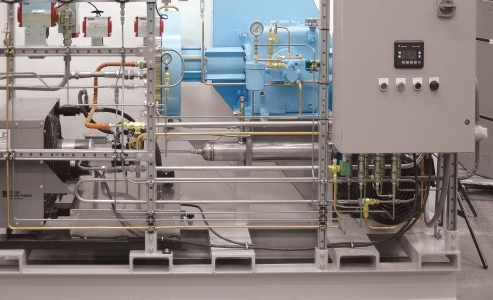
Understanding the Global Market for Portable Hydrogen Fueling Solutions
Market Dynamics Driving Demand
Fuel cell vehicles and industrial applications have driven flexible fueling solution demand in the global hydrogen infrastructure market. Organizations that need rapid deployment without permanent installation prefer skid-mounted hydrogen fueling stations. Port operations and mining facilities are using portable fueling units to transition to zero-emission operations. Modular design lets companies quickly add hydrogen refueling capabilities for AGVs in distribution warehouses and emergency response vehicles that need clean energy.
Regional Market Variations
Regional opportunities and challenges for mobile hydrogen station procurement vary. North America favors heavy-duty mining haul trucks and bus depots. Renewable energy and sustainable transportation are priorities for European wind farm service vehicle and industrial park fleet buyers. Key Asian shipping hubs invest in hydrogen infrastructure for crane operations and offshore support vessel bunkering, indicating strong demand for port equipment refueling systems. These regional preferences affect global supplier capabilities and product specifications.
Technology Integration Trends
Skid-mounted systems with advanced fueling automation can integrate with fleet management systems. The hydrogen supply chain benefits from these technological advances because operators can track fueling patterns, consumption, and hydrogen storage utilization across multiple deployment sites. Integrating on-site hydrogen generation with portable fueling units creates comprehensive solutions that reduce hydrogen delivery service dependence. Integration benefits research demonstration projects and temporary installations that need self-sufficiency.
Key Applications Driving Industrial Adoption
Port and Maritime Operations
Ports worldwide are installing skid-mounted hydrogen fueling stations for decarbonization. The installations refuel automated guided vehicles that transport containers and support crane operations that require clean energy. Flexible hydrogen infrastructure is in high demand as the maritime industry embraces alternative fuels. Portable fueling units enable offshore support vessels to serve vessels at multiple berths and terminals with reliable bunkering.
Fleet Operations and Transportation
Rapid bus depot refueling is a major growth area for mobile hydrogen stations. Transit authorities like the ability to install hydrogen refueling without major infrastructure investments, especially during pilot programs and fleet transitions. Slid-mounted systems scale well for captive vehicle fleets in industrial parks. Companies can optimize capital expenditure timing and operational efficiency by starting small and expanding capacity as their fuel cell vehicle fleets grow.
Industrial and Mining Applications
Mining poses unique hydrogen infrastructure deployment challenges. Skid-mounted hydrogen fueling stations can be moved across vast mining sites to serve haul trucks while meeting hazardous environment safety standards. Indoor distribution warehouses increasingly use hydrogen-powered forklifts, which have zero emissions and improve air quality. Warehouse operators can create dedicated fueling zones with portable fueling units without disrupting facility layouts.
Evaluating Global Supplier Networks and Distribution Channels
Direct Manufacturer Relationships
Forming partnerships with top manufacturers like CM Energy benefits large-scale procurement. Direct partnerships offer the latest technology, customization, and equipment lifecycle technical support. For bulk orders, manufacturers offer the best prices and can meet operational needs. TSC, for instance, offers customized industrial solutions to optimize performance in various operating environments.
Regional Distributor Networks
The skid-mounted hydrogen fueling station supply chain relies on local distributors for service and maintenance. For time-sensitive projects, these partnerships offer faster delivery and localized technical support. Established distributors stock hydrogen stations for fleet testing and emergency response purposes for rapid deployment. Their regional expertise aids local certification and regulatory processes.
Specialized B2B Platforms
Businesses can compare suppliers and get competitive pricing on business-to-business procurement platforms. These platforms combine offerings from manufacturers and distributors for comprehensive evaluation. By providing transparency, B2B platforms help organizations new to hydrogen infrastructure procurement make informed decisions. Detailed specifications, user reviews, and supplier certifications help buyers choose the best solutions.
| Procurement Channel | Advantages | Disadvantages | Best For |
|---|---|---|---|
| Direct Manufacturer | Competitive pricing, customization, technical support | Higher MOQs, longer lead times | Large-scale deployments |
| Regional Distributors | Local support, faster delivery, inventory availability | Limited customization, higher unit costs | Quick deployments, ongoing service needs |
| B2B Platforms | Price transparency, supplier comparison, streamlined procurement | Variable quality, limited technical support | Research phase, smaller quantities |
| Trading Companies | Competitive rates, procurement expertise | Quality control challenges, communication barriers | Cost-sensitive projects |
| Specialized Dealers | Industry expertise, application-specific knowledge | Limited supplier options, premium pricing | Specialized applications |
Supplier Verification and Quality Assurance Strategies
Technical Certification Requirements
Verifying supplier certifications ensures international safety and performance. Hydrogen applications require explosion-proof equipment, environmental protection ratings, and pressure vessel certifications from reputable manufacturers. Quality management system certifications show a supplier's manufacturing consistency. Organizations needing documented quality assurance for regulatory compliance or insurance need these certifications.
Reference Projects and Performance History
Supplier reference projects reveal real-world performance capabilities. The supplier's operational knowledge and solution delivery are shown by successful deployments in similar applications. Equipment reliability and supplier responsiveness during installation, commissioning, and support are performance history. This comprehensive assessment predicts ownership beyond purchase.
Financial Stability Assessment
Monitoring supplier financial stability prevents support and warranty disruptions. Established companies with strong finances can honor long-term commitments and continue product development. Suppliers' spare parts inventory and technical support throughout equipment's operational life depend on financial stability. Companies investing in hydrogen infrastructure must consider this.
Procurement Best Practices and Implementation Guidelines
Minimum Order Quantities and Flexible Purchasing
Understanding minimum order requirements aids procurement planning. Cost advantages can justify collaborative purchasing or phased deployment, even though direct manufacturer relationships require larger quantities. Framework agreements or staged delivery schedules allow for flexible implementation timelines and favorable pricing. These agreements help organizations with changing hydrogen infrastructure needs.
Payment Terms and Risk Management
Hydrogen equipment industry payment terms usually involve staged payments per project milestone. Initial deposits secure manufacturing slots, progress payments cover fabrication and testing, and final payment follows commissioning. Performance guarantees and letters of credit reduce international transaction risk. Financial instruments protect buyer interests and show supplier commitment, simplifying transactions.
Delivery Logistics and Site Preparation
Plan delivery logistics for skid-mounted hydrogen fueling stations to ensure site readiness upon equipment arrival. Fast commissioning requires utility connections, foundation work, and regulatory approvals before delivery. Equipment size and destination accessibility affect transportation much. For remote installations or sites with access restrictions, specialized transport may affect delivery costs and timing.
Regional Market Analysis and Sourcing Strategies
North American Market Characteristics
Significant hydrogen infrastructure investments support commercial transportation and industrial operations in North America, indicating strong demand for heavy-duty applications. Incentives for hydrogen adoption are coming from clean energy regulations. Government-funded project procurement is affected by local content and "Buy American" requirements. Understanding these requirements streamlines compliance and access to incentives and funding.
European Union Market Dynamics
European markets prioritize renewable energy and sustainability certifications, affecting product and supplier selection. Circular economy principles demand long-lasting, recyclable equipment. Demand for hydrogen production, storage, and dispensing solutions is driven by European green hydrogen initiatives. Supplier evaluation favors companies with full system capabilities due to this integrated approach.
Asia-Pacific Growth Opportunities
Asia-Pacific rapid industrialization and urbanization offer hydrogen infrastructure deployment opportunities. Growth sectors like port operations, manufacturing, and urban transportation require flexible fueling. Though regulations vary by country, hydrogen economy policies create favorable market conditions. Successful market entry and long-term operations require local knowledge.
Technology Selection and Customization Considerations
System Integration Capabilities
Modern skid-mounted hydrogen fueling stations must integrate with fleet and energy management systems. Compatibility with communication protocols and data management platforms affects supplier selection and operational efficiency. The ability to upgrade hydrogen technology protects investment as it evolves. Modular and upgrade suppliers give long-term infrastructure planning more flexibility.
Operational Environment Adaptations
Performance and safety require adaptations to different operational environments. Extreme temperature, corrosive atmospheres, and hazardous area classifications affect equipment and supplier capabilities. Customization is crucial for offshore and mining applications. Suppliers with strong engineering capabilities can customize standard designs for specific operations.
Maintenance and Service Considerations
Total cost of ownership and operational planning depend on planned maintenance. Predictive maintenance and remote monitoring from comprehensive service providers reduce downtime and optimize performance. Maintenance response times and operational costs depend on local service capabilities. Evaluation of supplier service networks ensures equipment support throughout its operational life, regardless of deployment location.
Conclusion
As industries adopt clean energy for transportation and industry, skid-mounted hydrogen fueling stations are growing worldwide. Understanding regional market dynamics, supplier capabilities, and quality assurance processes are essential for successful procurement. Organizations benefit from working with reputable manufacturers and regional distribution networks for support. The hydrogen infrastructure market has many suppliers, so it's important to match supplier capabilities with application needs and long-term operational goals.
FAQ
1. What industries commonly use skid-mounted hydrogen fueling stations?
Mobile hydrogen stations are mostly used in port operations, mining, bus depots, distribution warehouses, wind farms, emergency services, and research organizations. These industries appreciate portable fueling units' flexibility and speed.
2. How long does procurement and installation typically take?
Depending on customization and supplier availability, procurement takes weeks to months. Installation and commissioning take weeks, but skid-mounted systems deploy faster than permanent installations.
3. What certifications should buyers look for in suppliers?
Certified pressure vessels, explosion-proof ratings, environmental protection standards, and quality management system compliance are essential. Equipment meets global operational and safety standards with international certifications.
4. Can these systems operate in extreme weather conditions?
Skid-mounted hydrogen fueling stations today can handle a variety of temperatures and environments. Suppliers often offer arctic and high-temperature adaptations.
5. What ongoing maintenance requirements should be expected?
Safety systems, dispensing equipment, and storage components are inspected and calibrated regularly. For optimal performance, suppliers offer maintenance schedules and comprehensive service agreements.
6. How do buyers evaluate supplier financial stability?
Financial evaluation includes company history, market presence, customer references, and financial statements. Suppliers with long histories offer better support and warranty coverage.
Partner with CM Energy for Your Hydrogen Infrastructure Needs
Leading skid-mounted hydrogen fueling station manufacturer CM Energy powers the global transition to clean energy with innovative solutions. Modern technology and unmatched reliability define our TSC brand for diverse industrial applications. We assist organizations with hydrogen fueling strategies with our hydrogen infrastructure expertise and global support. Contact us at info.cn@cm-energy.com to discuss how our advanced portable fueling solutions can help you achieve your sustainable energy goals.
References
1. International Energy Agency. "Global Hydrogen Review 2024: Market Analysis and Industrial Applications." Energy Technology Policy Report, 2024.
2. Hydrogen Council. "Industrial Applications of Mobile Hydrogen Infrastructure: A Global Market Assessment." Clean Energy Infrastructure Series, 2024.
3. Maritime and Port Authority Research Institute. "Hydrogen Fueling Solutions for Port Operations and Maritime Applications." International Maritime Energy Review, 2023.
4. American Society of Mechanical Engineers. "Safety Standards and Best Practices for Skid-Mounted Hydrogen Systems." Pressure Vessel and Piping Standards, 2024.
5. European Hydrogen Association. "Regional Market Analysis: Portable Hydrogen Infrastructure Deployment Strategies." European Clean Energy Journal, 2024.
6. Asia-Pacific Energy Research Consortium. "Industrial Fleet Electrification and Alternative Fuel Adoption Patterns." Regional Energy Markets Quarterly, 2023.