LFSS LNG Fuel System: Key Components and Functions
The LFSS LNG Fuel System is a huge step forward in the technology used to feed liquefied natural gas with fuel. It was designed to work very well in a wide range of marine situations. This complete fuel supply system includes cryogenic storage, exact pressure management systems, and high-tech safety measures to make sure that modern ships can reliably get LNG. From bulk carriers to offshore support boats, the system makes better use of fuel, releases fewer pollutants, and makes operations safer than standard marine fuel systems.
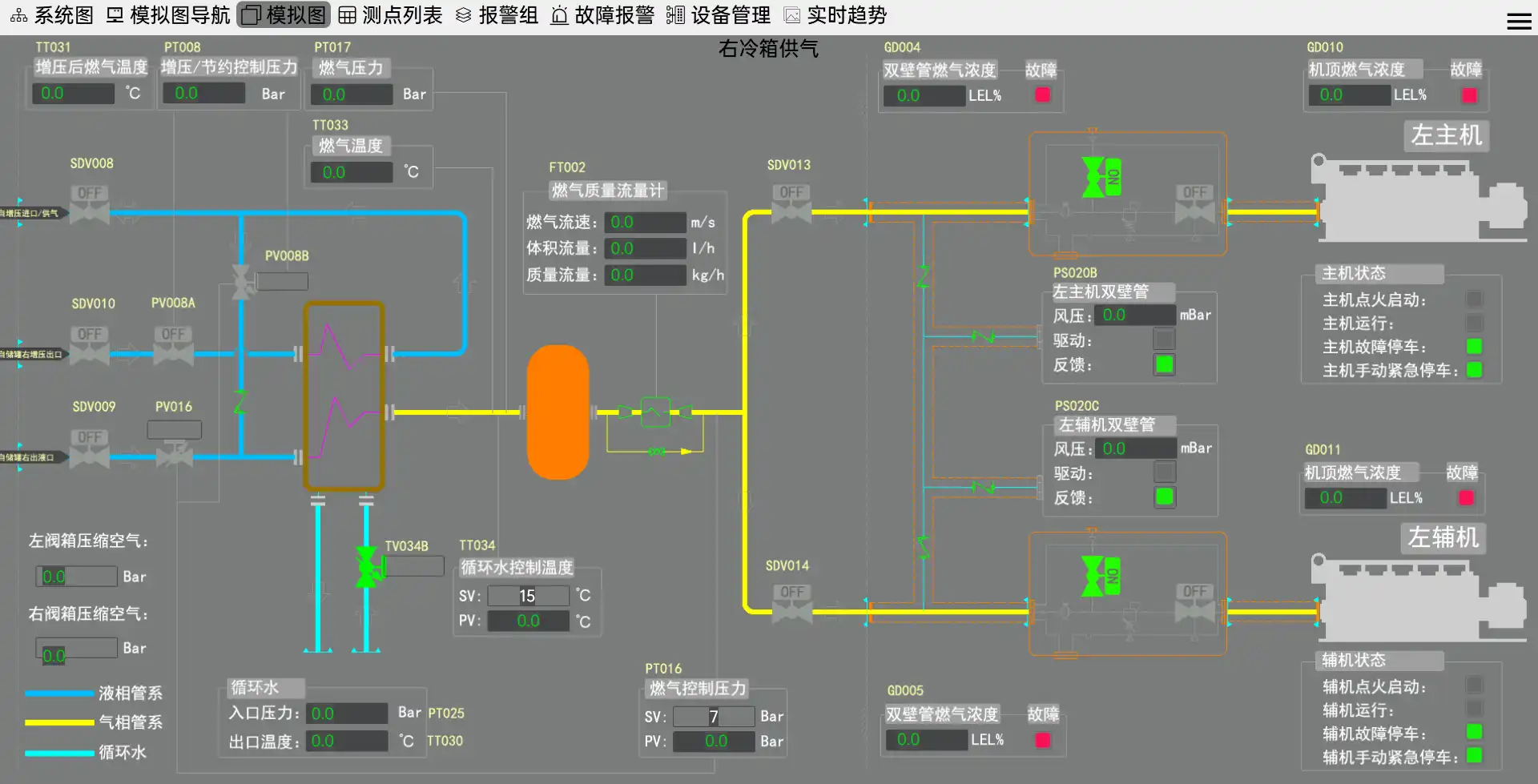
Understanding LFSS LNG Fuel System: An Industry Overview
Over the past ten years, fuel technology options have changed in ways that have never been seen before in the maritime business. Modern ship owners are under more and more pressure to cut down on pollution while keeping their operations running smoothly and saving money. The LFSS LNG Fuel System stands out as a cutting-edge answer that was made to handle these tricky problems.
This high-tech fuel supply system brings together the best in cold engineering with the needs of naval operations. Heavy fuel oil or marine diesel are usually used in marine fuel systems. This system, on the other hand, uses compressed natural gas, which burns cleanly and has big environmental benefits. Up to 85% of nitrogen oxide emissions are cut off by this technology, and almost all sulfur oxide emissions are eliminated. This makes it a great choice for ships that operate in places with pollution controls.
Proven Reliability Across Maritime Sectors
The method has worked very well on many different types of ships, such as bulk carriers with DWTs between 40,000 and 400,000, all types of crude oil tankers, chemical tankers, and specialized carriers. Offshore support boats and LNG-powered port service vessels have gained the most from the system's strong construction and ability to be used in a variety of ways.
The TSC section of CM Energy has successfully installed low-pressure LNG fuel supply systems on operating vessels that have been running nonstop for over twelve months. The technology has a history of being reliable, which makes it a good choice for mission-critical marine operations where the safety and continuation of operations depend on the integrity of the fuel system.
Core Components of the LFSS LNG Fuel System
When procurement workers know about the basic parts of current LNG fuel supply systems, they can make smart choices about which systems to choose and how they need to be integrated. The LFSS has several important parts that work together to make sure that fuel supply is safe and effective.
Cryogenic Storage Infrastructure
LNG storage relies on C-type tanks, which keep fuel at extremely low temperatures while withstanding rough seas. TSC integrates pipes and equipment inside the tank’s cold box, optimizing space, reducing leaks, and improving safety and thermal efficiency.
Pressure Management and Vaporization Systems
Pressure and vaporization systems manage both high- and low-pressure needs, converting stored LNG into engine-ready fuel while maintaining stable delivery. High-pressure units can exceed 300 bar, while low-pressure setups suit Otto-cycle engines under 16 bar.
Advanced Monitoring and Control Technology
Advanced monitoring and control technology provides real-time system oversight, automated safety measures, leak detection, and remote troubleshooting. Digital tracking enables data-driven management, proactive maintenance, and reduced unplanned downtime, enhancing operational reliability and efficiency.
Functions and Workflow of the LFSS LNG Fuel System
The operating workflow of modern LNG fuel systems is a carefully planned process that makes sure fuel gets from storage to engines safely and efficiently. Understanding this process helps buying teams understand the high level of technical skill needed to run a system reliably.
Complete Fuel Delivery Process
The process of delivering fuel starts with storing cold LNG in special systems that are made to keep the fuel's purity for long periods of time. The LNG that is kept goes through controlled combustion processes that turn the liquid fuel into a gaseous form that can be used in engines. Precise pressure control makes sure that the engine gets the right amount of fuel at all times, even when conditions change. The LFSS keeps the quality and pressure of the fuel the same no matter the sea conditions or operating needs. This gives operators a safe way to get fuel.
Integrated Safety Mechanisms
Safety rules are the most important part of making sure that LNG fuel systems work properly. The system has many extra safety features, such as systems that look for leaks, the ability to shut down in an emergency, and fire control built in. These safety features meet international standards for maritime safety and give users trust in the system's dependability. Gas detection devices are always looking for possible leaks in the fuel supply line. When any strange conditions are detected, automated shutdown processes go into action right away, protecting the stability of the vessel and the safety of the crew. The ability to vent in an emergency adds to your safety in dangerous scenarios.
Boil-Off Gas Management
Managing boil-off gas well is an important part of running an LNG fuel system efficiently. The system can include gas stoves and gas combustion units to make good use of boil-off gas, which turns trash into useful energy. This integrated method makes the system work better overall while having less of an effect on the world. The gas combustion unit is a reliable way to get rid of extra boil-off gas when the engine's needs can't handle the total amount of gas production. This feature makes sure that the system pressure stays within safe limits while also getting the most out of the fuel used.
Selecting the Right LFSS LNG Fuel System for Your Business
When buying LNG fuel systems, it's important to think carefully about a lot of technical and practical factors. As part of the decision process, the system's capacity needs, integration problems, and long-term operating goals are all looked at to make sure the best system performance.
Assessment Criteria for System Selection
Type of vessel and operating features have a big impact on how the system needs to be set up. When compared to offshore support boats doing dynamic positioning operations, bulk carriers that go on long-haul trips need different fuel capacity and delivery features. The LFSS can be set up in a number of different ways to meet different operating needs. Compatibility with engines is another important decision factor. The method works with both high-pressure and low-pressure configurations. High-pressure configurations are good for high-efficiency engines, while low-pressure configurations work with regular gas engines. TSC works with engine makers to make sure that fuel supply systems and driving tools work together perfectly.
Customization and Integration Capabilities
Modern ship designs need fuel system options that can be changed to fit different space needs and operating needs. The system's modular design lets equipment layouts and pipe configurations be changed to fit different vessel types and working needs. It's not just standard system setups that CM Energy can create. They can also come up with custom solutions for specific uses. The company's engineering team works closely with shipbuilders and vessel managers to create custom solutions that meet operating needs and improve system performance.
Long-term Support and Service Network
Reliable help after the sale is a very important factor in choosing a fuel system. The system is helped by extensive service networks that offer ongoing support for upkeep, access to spare parts, and expert help throughout the lifespan of the system. TSC offers full lifecycle support, which includes planning, manufacturing, installation, and ongoing upkeep. This complete support structure keeps the system running smoothly and protects the investment that ship owners have made in modern fuel technology.
Future Trends and Innovations in LFSS LNG Fuel Systems
The evolution of LNG fuel systems continues to accelerate as digital technologies and Industry 4.0 principles reshape maritime operations. These technological advances promise enhanced system performance, improved operational efficiency, and reduced lifecycle costs for vessel operators.
Digital Integration and Predictive Maintenance
Predictive maintenance methods that reduce unplanned system downtime and optimize maintenance timing are made possible by advanced digital integration capabilities. Internet of Things sensors installed all over the LFSS keep an eye on important system factors all the time. This lets repair needs be found early on. Machine learning algorithms look at trends in operational data to figure out when the best time is to do repairs and find ways to make the system better. This data-driven method lowers the cost of repair while also making the system more reliable and available for use.
Sustainability and Environmental Compliance
More rules about the environment are pushing people to keep coming up with new clean fuel solutions. The system's benefits for the environment make it a smart choice for ship owners who want to meet stricter emission standards while keeping their operations running smoothly. As part of CM Energy's approach to developing technologies that are good for the environment, they are always looking into hybrid fuel systems and how they can work with green energy sources. These new ideas help the marine industry move toward carbon-neutral operations while still meeting the needs of business vessels for dependability and efficiency.
Advanced Automation and Remote Monitoring
In the future, systems will have more automated features that will make the work of the team easier while also making operations safer. Technical support teams on land can help in real time and make suggestions for improving systems thanks to remote tracking. These technological improvements help the marine industry move toward self-driving and remotely controlled ships while still meeting the high standards for safety and dependability needed for business operations.
Conclusion
The LFSS LNG Fuel System is an advanced, tried-and-true technology answer that meets the changing fuel needs of the marine industry while also providing real benefits for operations and the environment. TSC's successful use of these systems on different types of ships shows how reliable and adaptable the technology is. The system includes advanced cryogenic storage, precise pressure management, and thorough safety measures. This gives ship workers faith in the system's long-term performance and helps them follow environmental rules.
FAQ
1. What vessel types can benefit from LFSS LNG fuel systems?
The system can handle many different types of ships, such as bulk carriers with a DWT of 40,000 to 400,000, crude oil tanks of all sizes, chemical tankers, LPG carriers, pure car and truck carriers, offshore support vessels, and FPSOs and inland river vessels. The design is flexible, so it can be changed to fit different operating needs.
2. How does the system handle different engine pressure requirements?
For specialized engines, the LFSS can handle high pressures of more than 300 bar. For Otto-cycle gas engines, it can handle low pressures of less than 16 bar. The flexible design of the system makes it possible to use different types of engines while still delivering fuel in the best way possible in all operating situations.
3. What safety measures are integrated into the fuel system?
Full safety rules include constantly looking for gas leaks, automatic shut-off systems in case of an emergency, fire control systems that work with other safety systems, and more. The system meets international standards for marine safety and offers many levels of defense for the safety of the crew and the operations of the ship.
Partner with CM Energy for Advanced LFSS LNG Fuel Solutions
CM Energy stands ready to support your vessel's transition to clean, efficient LNG fuel technology through our proven LFSS solutions. As a top maker and seller of advanced marine fuel systems, we offer full consultation services that are tailored to your unique needs and the way your vessel is set up. Our skilled engineers do thorough technical evaluations, create unique systems, and oversee the whole project from the original idea to its operational launch. Email our specialists at info.cn@cm-energy.com to talk about your LNG fuel system needs and find out how our creative solutions can help your vessel run more efficiently while still meeting environmental standards.
References
1. International Maritime Organization Guidelines for LNG Fuel Supply Systems Design and Installation Standards, 2023 Edition
2. Classification Society Requirements for Cryogenic Fuel Storage Systems in Marine Applications, Journal of Maritime Engineering Technology
3. Comparative Analysis of Marine Fuel Systems: Performance and Environmental Impact Assessment, Maritime Technology Research Institute
4. Safety Protocols and Risk Assessment Framework for LNG-Powered Vessels, International Association of Maritime Safety
5. Technical Specifications for Gas Fuel Supply Systems in Commercial Shipping Applications, Marine Engineering Society Standards
6. Environmental Benefits and Operational Efficiency of Natural Gas Marine Fuel Systems, Clean Shipping Technology Review