Rigid Wing Sail technology is transforming shipping with its fuel efficiency, environmental compliance, and operational flexibility. Innovative aerodynamics and computerized controls save up to 30% fuel and reduce carbon emissions in these wind propulsion systems. Rigid wing sails are perfect for commercial vessels seeking sustainable solutions since they function consistently in any weather. Ship operators are using this innovative technology to stay profitable and satisfy sustainability goals as fuel prices increase and environmental laws tighten. Based on my decade-long observation of marine technology, rigid wing sails are a major development in maritime propulsion that addresses the industry's biggest issues.
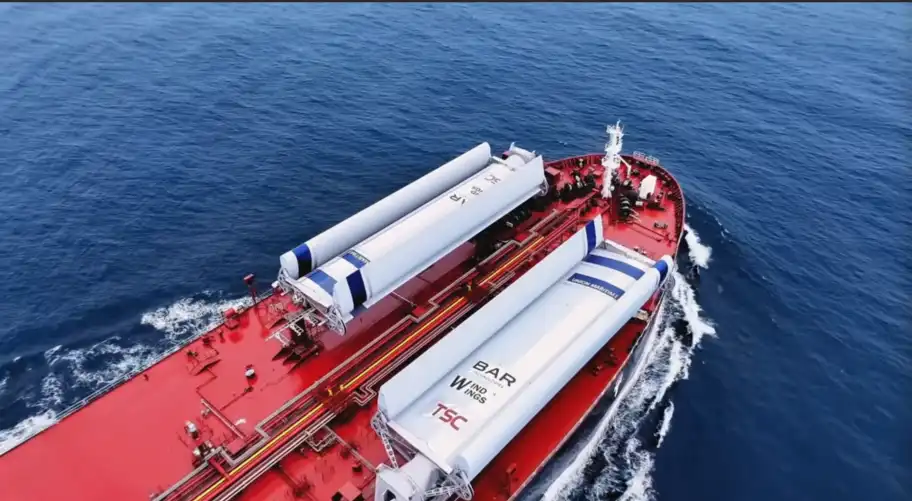
The Technology Behind Modern Wind Propulsion Systems
Intelligent Automation and Advanced Aerodynamics
Advanced aerodynamics and clever automation distinguish modern rigid wing sail technology from previous sailing systems. These revolutionary designs use multi-element configurations to automatically respond to wind conditions, optimizing energy capture and vessel safety. The versatility helps vessels utilize wind power, improving fuel economy.
Engineering Excellence and Certification
Rigid wing sails' three-element design uses sophisticated fluid dynamics to provide more lift than single-wing sails. Automated control systems enhance sail positioning in real time by monitoring wind, vessel speed, and operational needs. DNV, Bureau Veritas, and Lloyd's Register have certified these systems for commercial usage, ensuring reliability through thorough testing and validation. Multiple classification authorities have approved this technology, proving its maturity and safety.
Proof of Real-World Performance
Rigid wing sail vessels have operated smoothly on important global maritime routes and in many foreign ports. Ship operators exploring this revolutionary technology are confident in its potential to improve maritime sustainability and operational efficiency due to its proven track record.
Core Applications Transforming Commercial Shipping
Chemical Tanker Operations
Chemical tankers benefit greatly from rigid wing sail integration. Wind propulsion technology is excellent for these vessels since they have defined routes and predictable wind patterns. The automated systems configure sails based on cargo loading and route. Chemical tankers must meet severe safety and navigation criteria, which the technology addresses. Advanced control systems ensure sail operations never disrupt cargo handling or safety. This seamless connectivity boosts fuel savings and operational efficiency.
Bulk Carrier Applications
The biggest rigid wing sail market is bulk carriers. These ships operate on long-haul routes when wind assistance is best. Folding into tiny configurations makes the system compatible with cargo loading equipment and port infrastructure. Hatch cover operations are uninterrupted when installed between cargo holds. This strategic positioning makes wind propulsion systems help traditional cargo operations. The sturdy construction withstands bulk commodities transport conditions.
Tanker Fleet Integration
Wind propulsion benefits large tankers, including product and crude oil vessels. Scalable technology optimises vessel sizes and operational characteristics. Captains can use automated weather routing to maximize wind assistance and schedule reliability. Transoceanic routes with regular wind patterns benefit most from the systems. Integration with existing navigation systems streamlines operations without retraining crew.
Ferry and Coastal Vessel Enhancement
Short-route ferry operations benefit from rapid reaction and emission-free port maneuvering. The technique allows zero-emission operating in environmentally sensitive coastal areas and ports. Fast deployment and retractability fit ferry operations' frequent port calls. Coastal vessels on schedule can optimize courses based on seasonal winds. Operators may estimate fuel savings and ROI with this predictability. Operations with less technical support infrastructure benefit from low maintenance.
Commercial Shipping Fleet Retrofits
Well-planned retrofits can integrate wind propulsion technologies into fleets. These systems save fuel costs and meet CII compliance requirements immediately. Retrofits add sustainable propulsion while maintaining operational flexibility. Comprehensive compatibility study and tailored installation are required for retrofit. Before shipboard installation, factory acceptance testing checks system performance. This deliberate approach maximizes effectiveness and minimizes operational disturbance.
Newbuild Integration Solutions
Shipyards and design firms are adding wind propulsion to new vessels. For maximum efficiency, integrated solutions enhance hull design and sail positioning. Retrofit installations fare poorly compared to this complete strategy. Newbuild integration lets designers optimize vessel construction for wind propulsion. Class approval reduces certification time and expense. Shipowners can get entire green technology packages from yards with turnkey solutions.
Weather Routing and Performance Optimization
Specialized routing methods for wind-assisted vessels boost efficiency. Real-time weather and route optimization are available online. These systems help shore-based and onboard staff make operational choices. Automated workflow technologies improve vessel-shore communication. Continuous sail optimization is possible with real-time thrust performance information. This data-driven method maximizes wind propulsion system benefits throughout operational circumstances.
Environmental and Economic Benefits
Rigid Wing Sail Technology Environmental Benefits
The environmental impact of rigid wing sail technology goes beyond fuel reduction. As fuel consumption reduces, carbon dioxide emissions decrease accordingly, helping industry decarbonize. This reduction helps vessel operators comply with stricter environmental requirements and promotes them as responsible maritime participants.
Economic Benefits and Market Competition
Rigid wing sails reduce fuel costs and improve CII ratings. Preferential charter rates can increase operator market competitiveness with higher CII ratings. This technique also hedges against variable fuel prices, improving operating cost predictability and financial planning.
Long-term maintenance and operation benefits
Use of stiff wing sails has immediate economic and long-term operational benefits. Reduced engine running hours improve engine life and lower maintenance costs, while these systems' sturdy structure provides reliable operation over long service periods. These characteristics improve retrofit and newbuild ROI calculations, making rigid wing sail technology appealing to forward-thinking vessel operators.
Implementation and Support Infrastructure
Full Support for Implementation
Installation and operation of rigid wing sail technology require substantial support. Factory acceptance testing validates system performance before delivery, ensuring the technology satisfies all criteria. On-site assembly ensures appropriate installation and seamless integration with existing vessel systems, preparing the vessel for operation.
Crew Training and Long-Term Maintenance
Comprehensive training programs are essential for crew members to operate the new systems safely and efficiently. These systems function like deck machinery, thus training reduces learning curves and speeds up adaptation. Long-term service packages also provide maintenance assistance and performance improvement, allowing operators to optimize technology benefits throughout its duration.
IoT Monitoring and Predictive Maintenance
IoT monitoring improves rigid wing sail system efficiency by providing predictive maintenance and real-time performance tracking. Remote diagnostics save downtime and support costs by offering rapid problem resolution. This integrated strategy optimizes system performance throughout the operational lifecycle, enabling vessel operators to retain efficiency and reliability.
Future Developments and Industry Trends
Innovations in Materials and Automation
Advances in materials research and control systems promote rigid wing sail industry evolution. Lightweight composites improve performance and reduce vessel structural loads. Additionally, improved automation capabilities optimize performance and minimize operational complexity, allowing ship operators to leverage wind propulsion technology.
Hybrid Propulsion System Integration
Hybrid propulsion systems with rigid wing sails provide even larger efficiency increases. Wind and alternative fuel systems can help vessels reach near-zero emissions. This convergence of technology makes wind propulsion a cornerstone of sustainable shipping, meeting worldwide decarbonization targets and regulations.
Accelerating Industry Innovation and Adoption
As operators realize the benefits and reliability of new rigid wing sail systems, industry adoption accelerates. Major maritime firms are implementing wind propulsion into their long-term fleet strategies to be more sustainable. This popular acceptance encourages innovation and lowers costs, making wind propulsion an attractive choice for many maritime applications.
Conclusion
Rigid wing sail technology revolutionizes commercial shipping and solves its biggest problems. Forward-thinking operators like wind propulsion for its environmental benefits, economic returns, and operational reliability. Adoption will increase across all vessel segments as technology matures and costs drop. Early adopter successes prove this technology's viability and benefits. Rigid wing sails provide profitable maritime operations with extensive support infrastructure and proven performance. Wind propulsion is here and benefits are obvious.
Frequently Asked Questions
1. What maintenance requirements do rigid wing sails have?
Traditional propulsion methods demand more maintenance than rigid wing sail systems. Regular mechanical and hydraulic system checkups optimize performance. Strong marine-grade construction and deck crane-like maintenance ensure reliable operation.
2. How do these systems perform in extreme weather conditions?
Modern wind propulsion systems have many weather-specific modes. Automatic safety systems modify sail design based on conditions. The systems fold into protective positions in heavy weather, protecting vessel and crew and maintaining structural integrity.
3. What is the typical installation timeline for retrofit projects?
Retrofit installation times depend on vessel size and complexity. Most projects finish within dry-dock times. Comprehensive pre-installation planning and factory acceptance testing reduce shipyard time. Installation involves compatibility investigation, on-site assembly, and commissioning.
4. How does the technology integrate with existing navigation systems?
Wind propulsion methods work well with current navigation. Real-time route optimization is provided by advanced software. Web-based interfaces let shore and onboard staff monitor and alter performance. The systems enhance navigation.
5. What classification approvals are available?
DNV, Bureau Veritas, Lloyd's Register, and China Classification Society accept rigid wing sail technology. This approval covers newbuild and retrofit projects. The thorough certification process meets worldwide safety and performance standards.
6. How accurate are fuel savings calculations?
Route, wind, and operating profiles affect fuel savings. Classification societies verify performance claims independently. Real-world commercial marine operational data provides precise benchmarks for vessel types and routes. Operators estimate application savings using detailed performance modeling.
Partner with CM Energy for Advanced Rigid Wing Sail Solutions
CM Energy stands as a leading rigid wing sail manufacturer, offering comprehensive wind propulsion solutions for commercial vessels worldwide. Our TSC brand offers cutting-edge technology supported by marine industry experience and performance. With registered patents and global certification from major classification organizations, we offer reliable, efficient systems adapted to your operational needs. Ask info.cn@cm-energy.com how our rigid wing sail technology may improve your fleet's performance and sustainability while generating measurable ROI.
References:
1. Maritime Technology Review. "Wind Propulsion Systems in Commercial Shipping: Performance Analysis and Market Trends." International Maritime Engineering Journal, Vol. 45, 2024.
2. Classification Society Research Group. "Certification Standards for Rigid Wing Sail Systems: A Comprehensive Analysis." Marine Safety and Technology Quarterly, Issue 3, 2024.
3. Global Shipping Economics Institute. "Fuel Efficiency Technologies in Modern Maritime Transport: Economic Impact Assessment." Shipping Industry Analysis Report, 2024.
4. International Maritime Organization. "Wind Propulsion Technology Guidelines for Commercial Vessels: Safety and Performance Standards." IMO Technical Documentation, 2024.
5. European Maritime Research Alliance. "Aerodynamic Innovations in Commercial Shipping: Rigid Wing Sail Development and Applications." Maritime Innovation Review, Vol. 28, 2024.
6. Pacific Maritime Technology Foundation. "Sustainable Propulsion Solutions for the Shipping Industry: Wind-Assisted Technologies." Clean Shipping Technology Report, 2024.