Where to Buy AFSS Equipment for Marine Applications?
When sourcing AFSS equipment for marine applications, maritime professionals must prioritize certified suppliers who understand the unique challenges of shipboard fire suppression. Advanced Fire Suppression Systems designed for marine environments require specialized expertise in vessel integration, regulatory compliance, and operational reliability. Leading manufacturers like CM Energy (TSC) offer comprehensive ammonia fuel supply systems with integrated AFSS components specifically engineered for Very Large Ammonia Carriers, chemical tankers, and offshore platforms. The key lies in identifying suppliers who provide not just equipment but complete lifecycle support including installation, maintenance, and technical assistance tailored to your vessel's specific requirements.
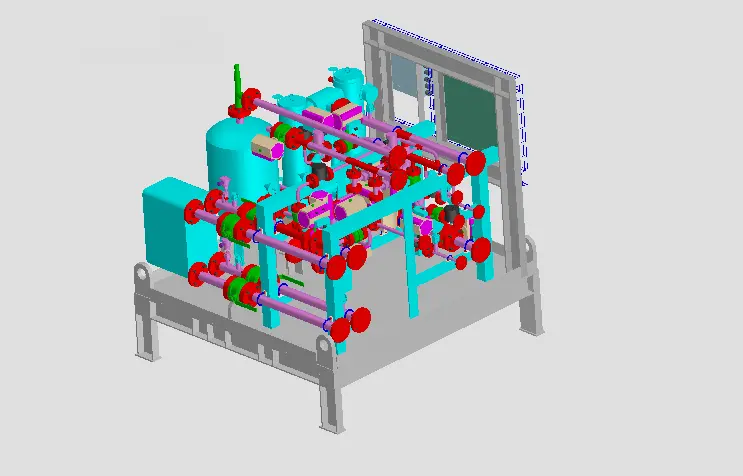
Introduction
This guide covers Advanced Fire Suppression Systems for marine vessels, highlighting the importance of reliable fire safety in complex environments. Modern AFSS must meet international standards, handle diverse ship types, and adapt to new fuels like ammonia and hydrogen, helping procurement teams select certified, integrable solutions from experienced, dependable providers.
Understanding AFSS Systems for Marine Applications
There are a lot more challenges for marine fire control devices than there are for land-based ones. AFSS technology made for marine use has special parts that take into account things like moving ships, rust from salt air, big changes in temperature, and the need to be set up quickly in an emergency. These systems use advanced technologies for finding fires, clean agents to put them out, and automatic control systems that work faster than standard firefighting methods.
Core Components and Operational Principles
Modern marine AFSS use linked detection and suppression components, including heat, smoke, and flame sensors, alongside clean-agent systems like FK-5-1-12 or inert gases to extinguish fires without damaging equipment. Advanced control systems coordinate detection and suppression, integrate with ship automation, and use dual pathways to ensure reliable operation even in harsh conditions or equipment failures.
Compliance with Maritime Safety Regulations
Compliance with maritime regulations is critical, with AFSS adhering to IMO, SOLAS, classification society, and flag state standards. Systems for new fuels like ammonia are specially designed to meet evolving safety rules while remaining compatible with existing protocols, ensuring effective fire protection across diverse vessel types and operational scenarios.
How to Choose the Right AFSS Equipment for Marine Needs?
To choose the right fire suppression tools, you need to carefully look at the working needs and factors that are unique to the vessel. When comparing seller offers, procurement teams have to find a balance between performance skills, connection complexity, and lifetime costs. As part of the decision-making process, technical review, legal compliance verification, and supplier capability assessment are all done to make sure that the business will be successful in the long run.
Performance Metrics and Vessel Compatibility
Choosing the right AFSS starts with understanding each vessel’s fire risks and suppression needs. Chemical tankers, bulk carriers, and offshore platforms require different response times, suppressant volumes, and detector sensitivities. Systems must also integrate smoothly with existing ship controls, backup power, and data networks, a capability that suppliers like CM Energy excel at across diverse vessel types.
Technology Differentiators and Supplier Capabilities
Leading AFSS providers stand out through advanced detection technologies that reduce false alarms and rapid fire identification, along with complex suppressant delivery networks. Equally important is service support—installation, crew training, and ongoing technical help. TSC’s 19 successful clean fuel system installations demonstrate the supplier expertise required for complex marine projects.
Where to Buy AFSS Equipment for Marine Applications? – Suppliers & Dealers
To find reliable suppliers, you need to carefully look at their qualifications, experience, and marine-specific service skills. The specific needs of the maritime business get rid of a lot of general industrial sellers who don't know how to run vessels or follow rules. Partnering with suppliers who show marine knowledge through finished projects and continued participation in the industry is key to successful buying.
Verification of Supplier Credentials
Marine AFSS providers that are legitimate keep certifications from well-known regulatory and classification groups that check their technical skills and quality management systems. These certifications make sure that providers know what the maritime standards are and have the technical skills needed to build and install systems correctly. As part of the verification process, finished project references should be looked over, and if possible, supplier sites should be inspected.
International suppliers have benefits like global service networks and expert help that are useful for ship owners whose routes take them all over the world. But procurement teams need to make sure that foreign providers keep up-to-date enough local support infrastructure to provide installation and upkeep services. CM Energy's global reach and deep knowledge of marine issues make them a great example of a provider that can help AFSS projects go smoothly.
Distribution Networks and Service Support
Authorized dealer networks give people in your area access to qualified technology and keep the manufacturer's help for technical problems and warranty services. These connections are especially helpful for complicated marine setups that need ongoing expert support and regular upkeep. For delivery networks to work well, they need to have both the right tools and the right technical knowledge for marine uses.
E-procurement sites are becoming more and more useful for buying marine tools because they offer financing choices and benefits for buying in bulk. But AFSS buying usually needs a lot of technical help, which is something that regular e-commerce sites can't do well. Buyers who are successful use both the ease of shopping online and direct communication with the maker to make sure they get the right system specifications and installation help.
Installation and Maintenance Tips for Marine AFSS Equipment
For AFSS deployment to go smoothly, installation details must be carefully thought out, and ongoing upkeep must follow strict rules that take into account the challenges of the marine climate. The right placement affects the system's dependability and compliance with regulations for the whole time the vessel is in use. Maintenance plans need to take into account the harsh sea climate while also making sure that the system is always ready to be activated in an emergency.
Installation Guidelines and Compliance Requirements
The first step in planning an installation is to look over the whole vessel design to make sure that the AFSS parts will work with the current systems and follow all the rules. The placement of detectors, the layout of pipes, and the integration of control systems all need to be carefully coordinated with other systems on the vessel to avoid problems and get the best performance. Professional installation services from qualified providers like TSC make sure that technical specs and government rules are followed.
Several checks are made during the installation process, such as trying the pressure, calibrating the detection system, and making sure the whole system works well. These steps make sure that systems that have been put meet the requirements of the plan and work properly in a simulated emergency. Keeping good records of the testing and fitting steps helps with government checks and insurance needs for the whole life of the vessel.
Maintenance Best Practices and Technical Support
Marine AFSS maintenance programs have to deal with the unique problems that come up when working on ships, such as limited repair windows, limited access to parts, and the need to teach crews. Schedules for preventive repair should match up with times when the ship is docked so that operations aren't interrupted too much and the system is always ready to go. Protocols for regular inspections help find problems before they hurt system performance.
As technology changes, supplier technical support is especially helpful for fixing complicated system problems and making sure that software components are up to date. Experts on land can help workers on the water with system maintenance and emergency repairs thanks to remote diagnostics. TSC's full lifecycle support shows the ongoing partnership method that guarantees system stability and operating success over the long term.
Case Studies and Industry Testimonials
Real-world applications tell us a lot about how well AFSS systems work and what suppliers can do in a variety of marine settings. Successful setups show that choosing the right system and installing it correctly can improve safety and dependability. Buyers-to-be can learn more about how to work with different sources and technologies by reading reviews from people in the industry.
Performance Validation in Marine Environments
New setups on ammonia carriers show how specialized knowledge is needed for using modern fuel systems. TSC's ammonia fuel supply systems have AFSS parts that deal with the special problems that come with handling ammonia while still following new rules. These projects show that it is possible to combine fire suppression technology with alternative fuel systems that work well in harsh naval settings.
Offshore platform applications are especially tough settings that test how long and reliably AFSS works in harsh situations. Systems have to stay ready to work even when they are exposed to things like salt spray, high temperatures, and mechanical vibrations that would damage normal industrial equipment. Installations that go well show that the provider can design solutions that can stand up to the demands of naval operations.
Supplier Performance and Client Satisfaction
Procurement professionals consistently emphasize the importance of supplier responsiveness and technical competence when evaluating AFSS installations. Suppliers who understand marine operations provide more effective technical support and system optimization recommendations that enhance overall performance. Long-term relationships form when sellers show they care about their clients' success after the original delivery of equipment.
Client feedback reveals that successful AFSS suppliers combine technical know-how and a real-world understanding of how vessels work and what skills the crew needs. Training programs, maintenance support, and emergency response help greatly improve overall satisfaction and system effectiveness. These parts of the service are often more useful than small technical differences between competing tools.
Conclusion
To choose the best AFSS tools and supplier for marine use, you need to carefully look at their technical skills, compliance with regulations, and service support. Because the marine business has its own problems, it needs specific knowledge that not many suppliers have. Finding partners who understand how vessels work and can provide full lifecycle support is key to a successful purchase.
The move toward alternative fuels makes marine fire suppression standards more complicated while also opening up new business possibilities for companies like CM Energy. Their expertise in ammonia fuel systems and AFSS integration positions them well to support the industry's transition to cleaner technologies. Procurement professionals who focus on source knowledge and service capabilities achieve better long-term results than those focused solely on initial equipment costs.
FAQ
1. What factors determine AFSS system selection for different vessel types?
AFSS systems are chosen based on the type of cargo, the vessel's working profile, and the rules and regulations that apply to it. Because of the different fire risks and how well they work with different extinguishing agents, chemical trucks need different ways to put out fires than bulk carriers. System design and complexity needs are also affected by the size, structure, and skills of the team as well as the ship itself.
2. How do marine AFSS systems integrate with existing safety infrastructure?
Modern AFSS installations connect to information networks, backup power sources, and systems that automate the ship through standard interfaces. How hard it is to integrate depends on how old the ship is and what systems are already in place. Professional providers offer services like compatibility assessment and merger planning to make sure that new safety equipment works well with old ones.
3. What certifications should marine AFSS equipment possess?
Marine AFSS technology has to follow IMO rules, classification society standards, and flag state rules that are specific to the type of vessel and the place where it will be used. Some important certificates are compliance with SOLAS, type approval from a known authority, and quality management system certification from suppliers. Verification of these documents makes sure that regulations are followed and that operations are reliable.
Partner with CM Energy for Advanced Marine Fire Suppression Solutions
CM Energy is ready to help you with your water AFSS needs with the best knowledge and full service options in the business. Our TSC brand offers tried-and-true ammonia fuel supply systems that come with built-in fire suppression features that are designed to work in current naval settings. As a reliable AFSS maker with a global reach and marine experience, we offer full lifetime support, from the planning phase to ongoing maintenance.
Our team has a lot of experience with different kinds of ships, like VLACs, chemical tankers, and offshore platforms, so we know exactly what you need for your operations. Email our marine systems experts at info.cn@cm-energy.com to talk about your fire control needs and find out how our cutting-edge solutions can make your ship safer and more reliable.
References
1. International Maritime Organization. "Guidelines for Ships Using Gases or Other Low-flashpoint Fuels." Maritime Safety Committee, London, 2023.
2. Lloyd's Register. "Marine Fire Safety Systems: Technical Requirements and Classification Standards." Classification Society Guidelines, 2024.
3. American Bureau of Shipping. "Fire Suppression Systems for Alternative Fuel Vessels." Technical Bulletin Marine Engineering, 2023.
4. Det Norske Veritas. "Advanced Fire Suppression Technologies in Maritime Applications." DNV Technical Report Series, 2024.
5. Society of Naval Architects and Marine Engineers. "Fire Safety Engineering for Modern Vessel Design." SNAME Technical Papers, 2023.
6. International Association of Classification Societies. "Unified Requirements for Fire Protection Systems on Ships." IACS Guidelines Document, 2024.