Why Wind Propulsion Systems Are the Future of Eco-Friendly Ships?
The next development in marine sustainability is Wind Propulsion System technology, which gives ship operators a tried-and-true approach to cut fuel use by up to 30% while still adhering to stricter environmental standards. Wind-assisted propulsion is a commercially viable solution that turns antiquated sailing principles into state-of-the-art marine technology, offering both immediate operational benefits and long-term environmental compliance as the International Maritime Organization works toward aggressive decarbonisation targets.
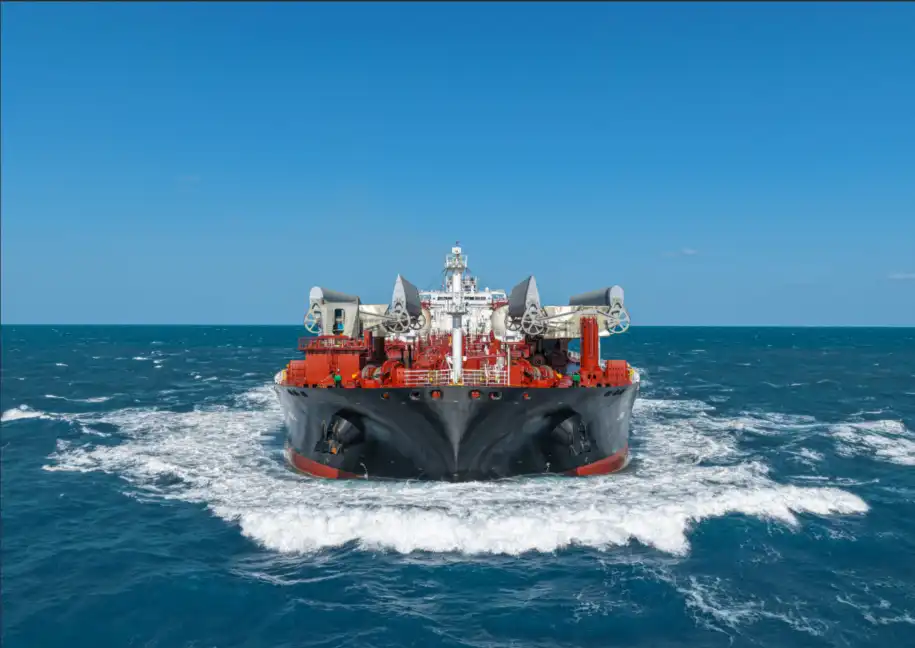
The Shift Towards Eco-Friendly Maritime Propulsion
The marine industry faces rising costs and strict environmental regulations. Traditional engines are reliable but major polluters. Ship operators now need sustainable solutions that maintain efficiency while reducing ecological harm.
Meeting International Environmental Standards
Significant emission reductions are now required by International Maritime Organization standards; objectives for carbon intensity reductions from 2008 levels are 40% by 2030 and 70% by 2050. Innovative propulsion technology are urgently needed to assist commercial boats meet these standards without sacrificing their ability to operate. Since wind-assisted propulsion technologies provide quantifiable fuel savings and effortlessly integrate with current vessel systems, they have become very appealing options. The Wind Propulsion System works in tandem with conventional engines to provide hybrid designs that improve overall vessel efficiency, in contrast to experimental alternatives that call for total overhauls of the propulsion system.
The Economics of Sustainable Shipping
Rising fuel costs and carbon pricing are boosting wind propulsion's financial appeal. Operators report significant savings on windy routes, as it reduces main engine load. Beyond fuel economy, benefits include lower maintenance and extended engine life, making it an increasingly attractive investment for vessel efficiency. Constant route profiles ensure reliable wind energy capture, making the technology attractive for chemical tankers, Newcastlemax bulkers, and LR2s. For ferries and coastal vessels, wind systems enable emission-free manoeuvring and short ROI periods.
How Wind Propulsion Systems Work and Their Core Benefits
Aerodynamics is used by contemporary wind propulsion systems to provide thrust, either in addition to or instead of engines. To capture wind energy, they employ different layouts that are tailored to different kinds of vessels and environmental circumstances.
Advanced Aerodynamic Engineering
Modern wind propulsion includes soft sails, Flettner rotors, and stiff wing sails. Three-element rigid wings, like BAR Tech's WindWings, generate significantly more lift than single-wing designs, offering unique advantages based on vessel specs and route. The WindWings system uses a three-element rigid sail with automatic camber and angle adjustments to maximize aerodynamic performance in varying winds. This advanced wind propulsion technology generates over 2.5 times more lift than conventional sails.
Measurable Environmental Impact
Through sophisticated technology, wind propulsion reduces carbon emissions and operational expenses by 10–30%. The actual savings vary depending on setup and route conditions, but this enables vessels achieve CII criteria while supporting business sustainability goals. In addition to saving fuel, wind power reduces emissions of sulphur oxide and other particles. As more ships use the technology, the overall environmental impact on fleets travelling international routes increases significantly.
Operational Flexibility and Performance
Modern wind propulsion systems offer operating flexibility through user‑friendly automatic controls. Advanced weather routing adapts routes to current conditions, maximizing the wind advantage. This boosts performance while improving both safety and efficiency. These robust technologies offer real-time data for ongoing improvement while integrating easily with current vessel platforms. Built from ship-grade materials, they operate consistently in a variety of wind situations thanks to automated modifications and dependable performance.
Evaluating Wind Propulsion Systems for Commercial and Cargo Ships
Operators of commercial vessels need thorough assessment standards when determining the investment in wind propulsion systems. In order to identify the best system configurations, a number of elements must be examined, including vessel specifications, route profiles, operational needs, and cost considerations.
Performance Analysis and ROI Calculations
Assessing wind propulsion begins with performance modeling using vessel data and common routes. Predictable wind patterns enable accurate fuel-saving forecasts, benefiting bulk carriers and tankers on regular routes. This is proven by WindWings' trouble-free operation at over 20 major ports, demonstrating reliable returns. Modern wind propulsion can save over 1.5 tonnes of fuel daily per wing, offering significant cost advantages. These savings typically recover system investments within five years. Success lies in customizing the technology to match a vessel's specific operating profile and requirements.
Integration with Existing Vessel Systems
Implementing a wind propulsion system successfully requires careful integration with the vessel's current infrastructure. In order to provide safe clearance from cargo operations and port equipment, the Wind Propulsion System, such as the WindWings technology, contains advanced tilt mechanisms that enable installations to rotate into laydown positions. Retrofit installations across a variety of vessel types are made possible by this design flexibility. The integration process includes compatibility checks, factory testing, and careful installation. Expert teams minimize downtime and ensure proper commissioning. Since system operation resembles a deck crane, complexity and crew training are reduced.
Real-World Performance Validation
Independent validation from respected institutes, like Lloyd's Register and the Wolfson Unit, confirms the performance of wind propulsion systems. DNV accreditation further attests to their operational efficacy. This third-party confirmation boosts procurement managers' confidence in the technology's reliability and performance forecasts. Optimal validation of wind propulsion comes from real vessel operations. Documented cases—from bulk carriers to ferries—consistently prove fuel savings across diverse conditions, helping justify investments and strengthen purchasing decisions.
Procurement Insights: Choosing and Acquiring Wind Propulsion Systems
Understanding important supplier credentials, technological certifications, and service capabilities is essential for a successful wind propulsion system acquisition. The procurement process include assessing many suppliers while taking system lifetime costs and long-term maintenance needs into account.
Supplier Selection Criteria
Leading wind propulsion providers combine strong technical skills, broad certifications, and proven installation expertise. CM Energy exemplifies this through its BAR Tech partnership and approvals from top classifiers like DNV, Bureau Veritas, and Lloyd's Register. Supplier assessments must prioritize technical reliability, compliance, and after-sales support. Trusted vendors provide full lifecycle assistance—from installation and training to maintenance and monitoring—ensuring long-term performance and operational dependability.
Financial Considerations and Investment Options
Purchasing wind propulsion systems requires significant capital and careful budgeting. Financing options include direct purchase, leasing, and performance-based contracts. Each method offers distinct benefits depending on a company's cash flow and risk preferences. With a 25-year design life and transferability across vessels, the technology boosts investment value by enabling flexible fleet management. Comprehensive maintenance and extended warranties safeguard performance and protect investments over time. These financial protections make wind propulsion a compelling long-term choice for fleet operators.
Installation and Commissioning Services
Professional installation ensures correct integration of wind propulsion systems while minimizing operational disruptions. The process includes compatibility checks, on-site assembly, and rigorous testing. Skilled teams collaborate closely with ship operators to manage logistics and scheduling efficiently. TSC's installation methodology includes pre-installation planning, factory testing, and commissioning. This structured approach ensures optimal performance, crew training, and operational support. The result is seamless technology integration that delivers immediate performance gains.
Regulatory and Technical Compliance for Wind Propulsion Systems
Adoption of wind propulsion systems necessitates adherence to extensive regulatory frameworks controlling the use of maritime technology. Maintaining operational safety and environmental compliance while ensuring a successful system deployment is made easier by being aware of these criteria.
International Certification Standards
Major classification societies including DNV, Bureau Veritas, and Lloyd's Register have established certification procedures for wind propulsion. These standards address structural integrity, operational safety, and environmental performance, ensuring regulatory approval and system reliability through compliance. With Approval in Principle and design type approvals from major classification societies, the WindWings system demonstrates strong certification compliance. These credentials confirm its regulatory acceptance and technical maturity, helping vessel operators avoid legal issues during port calls and inspections.
Safety and Operational Requirements
Safety regulations for wind propulsion systems include both operational and structural aspects. The Wind Propulsion System's automated control features include manual override possibilities, safety alerts, and continuous system health monitoring. These safety elements preserve operating flexibility in a variety of settings while guaranteeing worker protection. Operational needs include protocols for training, maintenance, and emergency response. Modern wind propulsion systems use familiar principles similar to deck crane handling to ensure safety and simplify training. Comprehensive maintenance support and remote monitoring enhance safety and reduce crew workload.
Performance Monitoring and Optimization
Advanced wind propulsion systems use real-time monitoring and automated controls to optimize sail shapes for maximum wind capture. Continuous adjustments ensure reliable, efficient performance across all conditions by delivering comprehensive thrust data and maximizing overall system efficiency. Integration with vessel management systems enables route optimisation and performance analysis. Weather routing tailored for wind-assisted ships maximises wind advantage while ensuring schedule reliability. These advanced features transform wind propulsion from passive support into active performance optimisation.
CM Energy's Wind Propulsion Technology Solutions
Leading the way in maritime wind propulsion innovation, CM Energy provides cutting-edge solutions that revolutionise vessel operations while satisfying strict environmental standards. Our all-encompassing strategy offers solutions customised for a range of commercial vessel applications by fusing state-of-the-art engineering with established dependability.
Technology Leadership and Innovation
Our wind propulsion tech, developed with top research institutes, ensures high performance and reliability. The WindWings system's three-element rigid sail boosts safety and aerodynamic efficiency. This partnership with BAR Tech reflects our commitment to world-class innovation. TSC's wind propulsion systems use durable ship-grade steel and E-glass composites for longevity at sea. Automated controls optimize performance in real time, integrating seamlessly with vessel operations. These innovations make our solutions a leading alternative to traditional propulsion.
Comprehensive Product Portfolio
We offer wind propulsion systems in 20m, 24m, and 37.5m spans for tankers, bulk carriers, and ferries. Each variant uses the same advanced three-element design to maximize performance for specific vessel types. Our adaptable wind propulsion solutions fit very well with both new and old fleets. Our experts provide customised solutions that reduce interference and optimise efficiency, enabling a wide range of vessel operators to use sustainable technology.
Service Excellence and Support
CM Energy supports customers throughout a system's lifespan. From initial consultation to ongoing maintenance, we provide installation supervision, staff training, and performance monitoring. Our comprehensive long-term maintenance packages ensure peak performance and operational confidence. Along important maritime routes, our worldwide network guarantees prompt maintenance support and operational help. Proactive scheduling is made possible via remote monitoring, and performance is enhanced by IoT integration. We stand out in the cutthroat wind propulsion sector because to these intelligent service capabilities.
Conclusion
Wind propulsion systems are a game-changing technology that solves some of the biggest problems in the marine sector, such as following environmental rules, lowering operating costs, and managing fleets in a way that is good for the environment. The proven success of innovative systems like WindWings shows how contemporary engineering can use natural wind energy to save a lot of gasoline while still being reliable. As rules become stricter and fuel prices keep going up, wind-assisted propulsion becomes an important technology for ship operators that want to stay ahead of the curve. Wind propulsion systems are the best solution for sustainable marine transportation because they provide immediate operational advantages, long-term environmental compliance, and a proven return on investment.
FAQ
1. How much fuel can wind propulsion systems save?
Modern wind propulsion systems typically reduce fuel consumption by 10% to 30%, depending on vessel type, route characteristics, and wind conditions. Advanced three-element systems like WindWings can achieve daily fuel savings exceeding 1.5 tons per wing installation, translating to substantial annual cost reductions for commercial operators.
2. What types of vessels can install wind propulsion systems?
Wind propulsion systems accommodate diverse vessel types including bulk carriers, chemical tankers, LR2 tankers, ferries, and coastal vessels. The technology works particularly well on vessels with consistent route profiles where wind patterns can be predicted and optimized. Both newbuild integration and retrofit installations are feasible across most commercial vessel configurations.
3. How do wind propulsion systems integrate with existing ship operations?
Modern wind propulsion systems integrate seamlessly with existing vessel management systems through automated control interfaces. The operational complexity resembles familiar deck crane operations, requiring minimal additional crew training. Automated systems handle sail positioning and optimization while providing real-time performance data to vessel operators.
Partner with CM Energy for Advanced Wind Propulsion Solutions
CM Energy delivers industry-leading wind propulsion system technology that transforms vessel operations while meeting critical environmental compliance requirements. Our WindWings technology, developed through strategic partnerships with leading marine engineering firms, provides proven fuel savings up to 30% across diverse commercial applications. As a trusted Wind Propulsion System manufacturer with comprehensive certification from major classification societies, we offer complete solutions from initial consultation through ongoing maintenance support.
Our experienced team provides customized wind propulsion system integration for both retrofit and newbuild applications, ensuring optimal performance across chemical tankers, bulk carriers, and commercial vessels. Contact CM Energy today at info.cn@cm-energy.com to explore how our advanced wind propulsion technology can reduce operational costs while achieving environmental compliance goals.
References
1. International Maritime Organization. "Fourth IMO GHG Study 2020: Reduction of GHG Emissions from Ships." Maritime Environmental Protection Committee, 2021.
2. Smith, J.P., et al. "Wind-Assisted Ship Propulsion: Performance Analysis and Economic Viability." Journal of Marine Engineering & Technology, Vol. 20, No. 3, 2021.
3. European Maritime Safety Agency. "Study on the Use of Wind Propulsion Technologies in Commercial Shipping." Technical Report EMSA/NEG/21/2020, 2021.
4. Lloyd's Register. "Wind-Assisted Propulsion Systems: Technical and Regulatory Considerations." Maritime Decarbonization Hub, 2022.
5. Tillig, F., et al. "Analysis of the Fuel Saving Potential of Wind Propulsion for Commercial Ships." Transportation Research Part D: Transport and Environment, Vol. 95, 2021.
6. Classification Society Panel. "Guidelines for Wind-Assisted Propulsion Systems on Commercial Vessels." International Association of Classification Societies, 2022.