The Methanol Fuel Supply System (MFSS) is a completely new way to supply fuel to ships. It can automatically adjust to different types of vessel operations that need different amounts of power. The methanol supply system makes sure that the right amount of fuel is delivered even when the engine loads change a lot, like when the ship is cruising deep sea or moving around in port. It does this by intelligently controlling pressure, flow, and optimizing burning in real time. Because it can adapt, MFSS works the same way whether it's used on bulk carriers traveling across the ocean or chemical tankers handling complicated cargo operations. This makes it an important technology for modern maritime uses that need reliable fuel efficiency in a range of conditions.
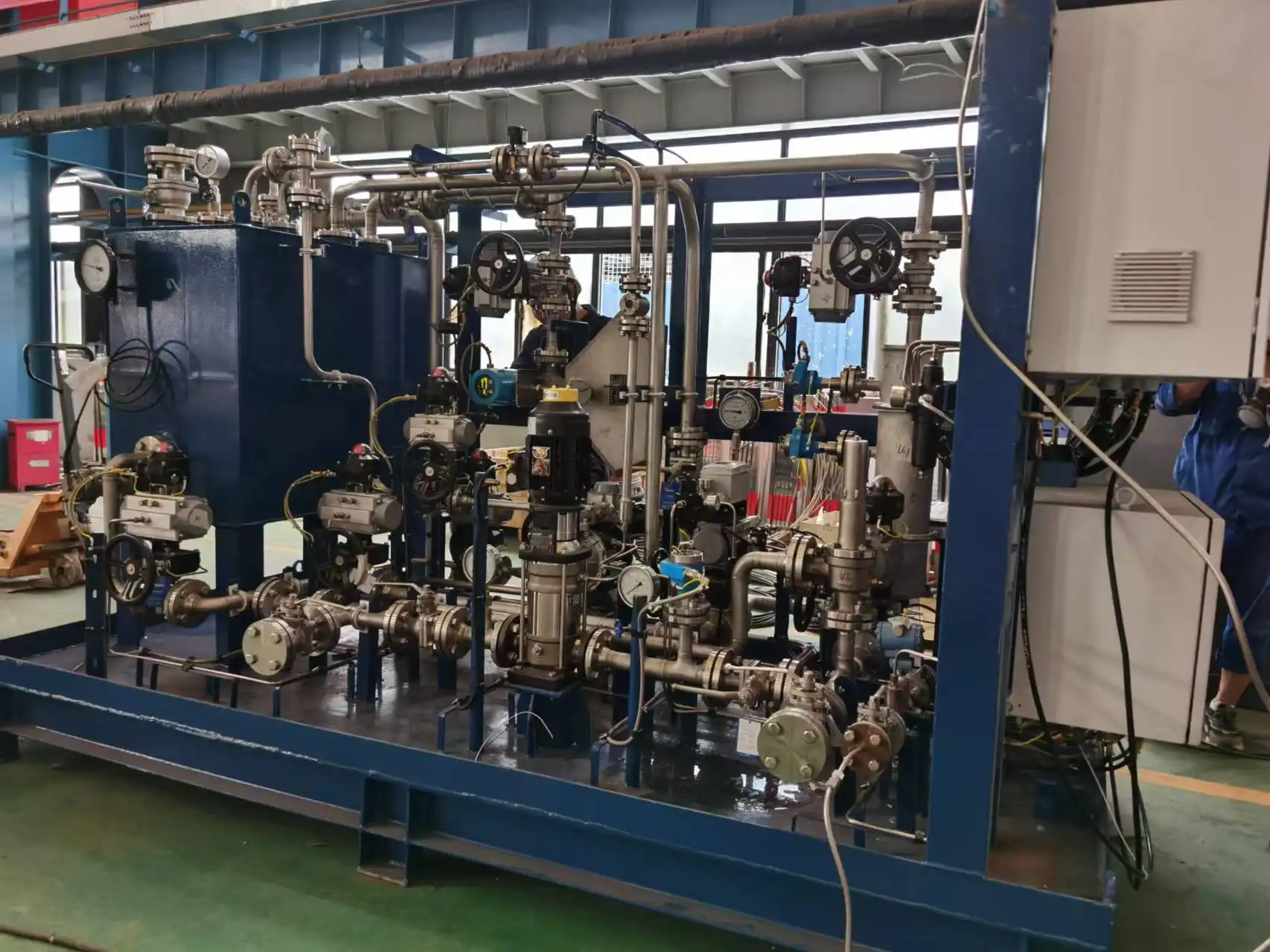
Finding out about variable engine loads and how they affect MFSS
When marine engines are in use, they need different amounts of power depending on the weather, the weight of the cargo, the speed of the vessel, and other operating needs. This is called variable engine loads. These changes in load have a direct effect on how much methanol fuel is used and how much pollution is released, so the fuel supply system has to be able to shift quickly.
Marine Engine Load Variations Across Vessel Types
Different types of vessels have different load patterns that make fuel supply systems work harder. When switching from ballast to loaded, bulk carriers have to deal with big changes in load, while crude oil tankers have to deal with changing demands when they're loading and unloading goods. Chemical tankers and LPG carriers need precise fuel control while making complicated port movements, and VLECs that handle transporting ethane need reliable power delivery in all kinds of sea conditions. Figuring out these patterns of use helps make methanol fuel systems work better in certain marine situations.
Effects on How Well the Fuel System Works
Changing engine loads have an effect on how well the fuel pump works, how the injectors work, and how the pressure in the methanol feed systems is controlled. It is very important to keep the fuel pressure and flow stable in these changing conditions so that the combustion process works well and emissions are controlled. This has a direct effect on engine performance and meeting environmental standards. Because methanol is corrosive, this problem is made more difficult and needs special materials and high-tech tracking systems.
Core Design Principles of MFSS for Managing Load Variations
Through adaptable fuel flow controls and strong component design, the methanol fuel supply system is a complex piece of engineering that can handle changes in load. The electronic control unit is a key part of this feature. It uses sensor data to change the timing and amount of fuel injection in real time, making the engine more responsive in all kinds of operational situations.
Architecture for Adaptive Control
Advanced pressure regulators and variable displacement fuel pumps make fuel supply more flexible, keeping the system stable even when demand changes. When you connect it to the engine management system, you get feedback that helps you fine-tune the calibration. This lets you make fuel supply changes that are in sync with how the engine works. This flexible design helps engines work better and more reliably in a range of load conditions that come up in maritime activities.
Designing a modular system for use in the maritime sector
The TSC brand methanol delivery systems from CM Energy are made in a way that allows them to be installed in a variety of vessel types, each with its own set of installation needs. The methanol supply unit makes sure that the pressure, temperature, flow rate, and cleanliness standards set by the engine maker are met. It also keeps performance steady even when the engine is under different loads. This modular method lets shipowners choose the best configurations for their specific operational profiles, whether they are in charge of big container ships or offshore support vessels.
Technologies and Techniques for Efficient Load Handling in MFSS
Modern methanol supply systems depend on advanced sensor technologies to keep an eye on the fuel system and burning conditions. Sensors that measure pressure, temperature, and flow give real-time information that has a big effect on how quickly the system can adapt to changes in load.
Real-Time Monitoring and Control Systems
Using real-time and past operational data, complex software algorithms can predict changes in engine load, which lets fuel delivery be changed before they happen. These adaptive methods make the best use of both fuel and emissions at the same time, which is especially important for ships that have to follow strict environmental rules. The parts of the filling and transportation system work together to make sure that methanol is handled safely, even though it has a low flashpoint and is toxic, corrosive, and flammable.
Integration of safety and performance improvement
CM Energy's methanol fuel supply systems work well in maritime settings, showing real improvements in fuel efficiency, reduced emissions, and operating dependability with changing loads. The system meets both SOLAS-IBC Code requirements and low-flashpoint fuel safety standards for chemical and fuel safety. This makes sure that it can be used safely in all maritime situations. Because they take safety and performance into account in so many areas, methanol systems are perfect for chemical trucks, gas carriers, and other specialized ships that need to precisely control their fuel.
Maintenance and Troubleshooting Strategies for MFSS Under Variable Loads
Continuous reliable performance of methanol fuel supply systems under fluctuating engine loads requires scheduled maintenance and proactive troubleshooting approaches. Regular inspection and calibration of fuel pumps and injectors ensure accurate fuel delivery, while timely replacement of filters prevents flow disruptions that could impact engine performance.
Preventive Maintenance Protocols
Maintenance intervals aligned with operational hours optimize system longevity across different vessel operations. Here are the essential maintenance practices that ensure optimal performance:
- Systematic calibration of pressure regulators and flow control devices to maintain precise fuel delivery under varying load conditions
- Regular inspection of methanol transfer pipelines, auxiliary system components, and control interfaces to prevent degradation
- Comprehensive testing of safety systems and emergency shutdown procedures to ensure compliance with maritime regulations
- Monitoring of system performance data to identify potential issues before they impact vessel operations
These maintenance practices enhance system reliability and contribute to cost-efficiency, extending the service life of methanol fuel supply components while ensuring consistent performance across diverse maritime operations.
Diagnostic Approaches for Operational Excellence
Diagnosing issues such as unstable fuel pressure or irregular injection demands a systematic approach, which proves crucial for procurement engineers and vessel operators seeking to minimize downtime. TSC's comprehensive service support includes technical expertise for troubleshooting complex system interactions, particularly important when managing methanol's unique handling requirements aboard different vessel types.
Comparative Analysis: MFSS Versus Other Fuel Supply Systems Under Variable Loads
Compared to traditional naval fuel supply systems, methanol-based solutions are better at adapting to changing engine needs. This is mostly because of the way methanol burns and the more advanced design of the fuel system. Methanol systems are better at controlling emissions and responding quickly to fuel needs, which is especially helpful for ships that operate in areas with pollution controls.
Benefits of Performance in Maritime Settings
Compared to other alternative fuel systems, methanol supply systems are more efficient and safer. The right mix of cost and technology maturity makes methanol a good choice for business maritime uses. There is a history of successful deployments involving a wide range of vessel types, from pure car truck carriers to offshore support vessels, showing flexibility across maritime sectors.
Strategic Value for Ship Owners and Operators
When buying things for ships around the world, methanol fuel supply systems are a reliable and affordable option. They work especially well for commercial ships that need to keep performing well in a variety of situations and strict environmental rules. Shipowners who are thinking about switching to alternative fuels can feel confident in the technology because it is well-developed and has been used on many ships.
Conclusion
Methanol fuel supply systems are very good at dealing with changing engine loads thanks to their complex control design, high-tech monitoring tools, and strong maintenance guidelines. Adaptive fuel flow controls, real-time sensor feedback, and intelligent pressure regulation work together to make sure that performance stays the same across all maritime activities. CM Energy has a track record of providing methanol supply systems to a variety of vessel types. This experience sets the stage for reliable fuel delivery solutions that meet the strict needs of modern shipping operations while also meeting environmental compliance goals.
Questions People Ask Often
Q1: During quick changes in engine load, how do methanol fuel supply systems change the flow of fuel?
A: Methanol supply systems use real-time sensor data and electronic control units to change the flow of fuel quickly and correctly. This makes sure that the fuel burns efficiently and the engine stays stable by controlling the flow and pressure.
Q2: What kinds of care help keep a methanol fuel system running well when the loads change?
A: It is important to keep the fuel delivery systems calibrated, the filters changed on time, the sensors fully checked out, and the methanol transfer systems systematically inspected in order to keep the engine running smoothly even when demand changes.
Q3: How do methanol fuel supply systems compare to regular fuel systems for boats in terms of price?
A: The starting cost may be about the same because both systems use advanced safety and control parts, but methanol systems are cheaper in the long run because they use less fuel, cost less to comply with emissions rules, and need less maintenance over their lifetime.
Partner with CM Energy for Advanced Methanol Fuel Supply Solutions
CM Energy's TSC brand brings industry-leading expertise in methanol fuel supply system design and manufacturing, backed by proven performance across multiple vessel deliveries and comprehensive lifecycle support. Our modular methanol supply systems provide customized solutions for diverse maritime applications, from bulk carriers to specialized chemical tankers. With extensive experience in dual-fuel vessel systems and alternative fuel technologies, we deliver reliable Methanol Fuel Supply Systems for sale that meet the demanding requirements of variable load operations. Ready to optimize your vessel's fuel delivery performance? Contact us at info.cn@cm-energy.com to discuss your specific methanol fuel supply system requirements and discover how our proven technology can enhance operational efficiency while meeting environmental regulations.
References
- International Maritime Organization. "Guidelines for Systems and Installations for Supply of Methanol as Fuel to Ships." Maritime Safety Committee, 2023.
- Chen, L., et al. "Performance Analysis of Methanol Fuel Supply Systems Under Variable Load Conditions in Marine Applications." Journal of Marine Engineering & Technology, 2023.
- Maritime and Port Authority of Singapore. "Technical Standards for Methanol as Marine Fuel: System Design and Safety Requirements." MPA Guidelines, 2023.
- European Maritime Safety Agency. "Alternative Marine Fuel Supply Systems: Comparative Analysis of Performance Under Dynamic Load Conditions." EMSA Technical Report, 2023.
- Wang, H., et al. "Adaptive Control Strategies for Methanol Fuel Delivery Systems in Commercial Shipping Operations." International Journal of Naval Architecture and Ocean Engineering, 2023.
- DNV Classification Society. "Rules for Classification of Ships Using Methanol as Fuel: Fuel Supply System Requirements." DNV Technical Standards, 2023.