Why Wind Propulsion System Is Growing in Marine Transport
Wind Propulsion System is becoming more and more popular in the sea transport business because it directly addresses three major problems: rising fuel costs, strict IMO emission rules, and the urgent need to reduce carbon emissions. Wind Propulsion Systems use natural wind energy to cut bunker use by 5–30%, improve Carbon Intensity Indicator (CII) ratings, and protect against changing fuel prices. This makes them a good choice for commercial shipping companies around the world from both an environmental and economic point of view.
Introduction
Wind Propulsion Systems are an important invention in greener marine transport. Stronger environmental and fuel economy rules caused this change. It affects global supply chains. Wind Propulsion Systems are important to chemical tanker, Newcastlemax bulk carrier, LR2 tanker, and coastal boat supply chain managers, engineers, dealers, and OEMs. Heavy fuel oil has made enterprises riskier via price increases and regulatory fines. Wind Propulsion Systems reduce risks and boost fleet performance. This lesson illustrates how Wind Propulsion System is changing sea transportation. The article highlights environmental benefits, economic savings, and integration strategies for global B2B clients seeking full decarbonisation.
The Evolution of Marine Propulsion: From Traditional Fuels to Wind Power
Diesel engines and heavy fuel oils are used a lot in traditional naval propulsion, but they have problems like high fuel costs, carbon emissions, and legal risks. Because of these problems, the industry has had to look into cleaner technologies that can work with current power systems without having to remake the whole ship.
The Historical Context and Modern Revival
Although the Wind Propulsion System has a long history in the maritime world, it has come a long way thanks to new technologies like rigid wing sails, Flettner rotors, and automatic control systems. These technologies use natural wind energy to help traditional transportation, which cuts down on fuel use and damage to the environment. Today's Wind Propulsion Systems are different from the fabric sails of the past because they use composite materials, automated angle changes, and real-time performance tracking to get the most out of aerodynamics in all kinds of weather.
Core Technologies Driving the Revolution
Several new technologies are at the heart of the current Wind Propulsion System change. Rigid wing sails use slope and angle of attack that can be changed to get the best power, while rotor sails use the Magnus effect to move forward. Kite systems and suction nets are two different ways to do things that can be used on different types of boats and in different situations. We've seen how classification societies like DNV, Bureau Veritas, and Lloyd's Register have created thorough approval processes that test these systems thoroughly to make sure they live up to their claims of structural stability and performance. This government approval has taken away a big obstacle for shipowners and operators who are thinking about investing in the Wind Propulsion System.
Benefits of Wind Propulsion Systems for Marine Transport
It is clear that the Wind Propulsion System is good for the environment, the economy, and operations. These benefits have a direct effect on bottom-line performance and regulatory compliance.
Environmental and Regulatory Advantages
Wind Propulsion Systems help companies meet IMO rules and improve their environmental credentials by reducing greenhouse gas pollution by a large amount. Operators of chemical tankers that have to meet strict CII standards have found that the Wind Propulsion System is a way to improve their yearly ratings without having to replace expensive engines or slow down. The drop in sulphur and particulate matter pollution also helps with compliance in Emission Control Areas, where stricter rules are being followed.
Economic Impact and Fuel Savings
From an economic point of view, Wind Propulsion Systems lower the cost of fuel and upkeep, which leads to long-term savings in operations. Bulk carrier operators on trans-oceanic routes have reported fuel savings of 1.5 to over 1.6 tonnes per day per wing, based on the path and the amount of wind. These savings add up over the life of the vessel and often give a return on investment within five years, which is a good time frame for boat and coastal vessel owners who are trying to make ends meet. We've seen how volatile bunker prices make Wind Propulsion Systems a natural reserve that keeps costs stable even when the fossil fuel market changes.
Operational Flexibility and Performance
Modern Wind Propulsion Systems improve a ship's range and flexibility, working well in a variety of weather and load conditions. By combining these systems, businesses can improve the performance of their fleets while also helping to meet global decarbonisation goals, which are becoming a more important factor in purchasing decisions. Being able to keep the service speed while lowering the main engine load makes the machinery last longer and requires less upkeep, which saves money and makes the total value offer for commercial shipping operators better.
Comparing Wind Propulsion to Other Alternative Propulsion Solutions
When looking at different types of transportation technologies, Wind Propulsion Systems stand out because they produce more energy, are easier to install, and can be used in a variety of situations compared to solar and gas options.
Wind Versus Solar Propulsion
Solar panels need a lot of deck space and don't always work right in northern regions or when it's cloudy for a long time. Wind Propulsion Systems, on the other hand, can keep making thrust whenever relative wind speeds are higher than what's needed. Solar panels on big business ships usually don't provide much power for propulsion and are mostly used to power extra electricity loads. Wind Propulsion Systems, on the other hand, directly lower the amount of fuel used by the main engine by adding measurable thrust. This makes them much better for propulsion uses on ocean-going boats.
Wind Versus Conventional and Low-Carbon Fuels
Compared to diesel engines that use regular or alternative fuels, Wind Propulsion Systems produce a lot less pollution and use a lot less fuel without needing expensive changes to the fuel infrastructure. Converting LNG, methanol, and ammonia requires a lot of money, bunkering facilities on land, and ongoing fuel costs. Wind Propulsion Systems work with current propulsion plants, so shipowners can cut emissions right away while still having fuel options as the industry moves toward zero-carbon fuels.
Retrofit Feasibility and Lifecycle Economics
Many new Wind Propulsion Systems can be used to retrofit existing fleets, which offers benefits in return on investment (ROI) and lifecycle costs that new-build-only options can't match. Newcastlemax bulk carriers and LR2 tankers that still have ten to fifteen years of service life left are great candidates for retrofits because they allow owners to keep their vessels competitive longer without having to replace them too soon. Because they can be used with current equipment, Wind Propulsion Systems are very appealing to business ship owners who are trying to find realistic ways to reduce carbon emissions from their fleets of different types and ages.
Introducing WindWings®: Advanced Three-Element Rigid Sail Technology
WindWings®, the next generation of Wind Propulsion Systems, combines a patented three-element rigid sail design with automatic control systems to provide the best aerodynamic performance under all operating situations.
Technical Innovation and Performance Validation
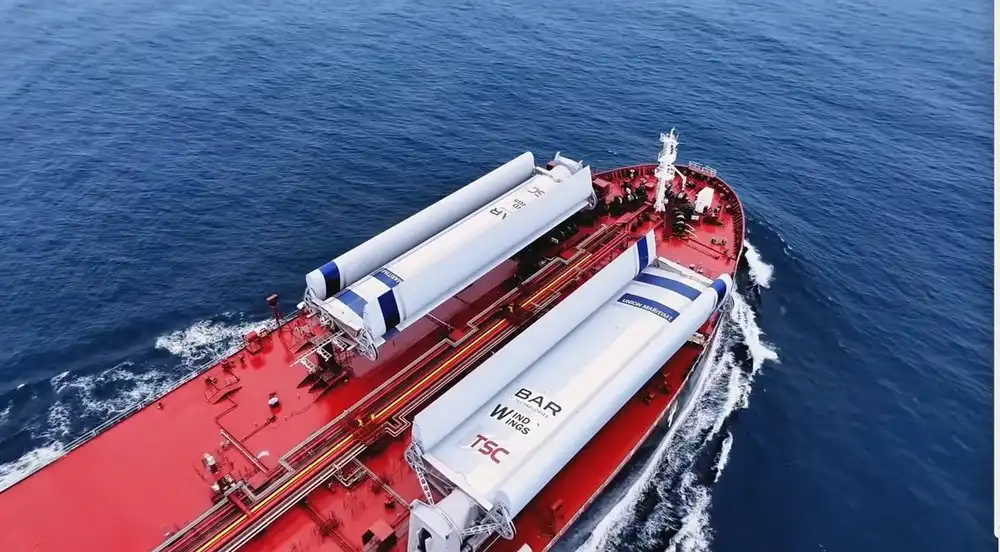
UK-based BAR Technologies developed WindWings®. They feature completely adjustable slope and angle of attack, so they always set up appropriately regardless of wind direction or ship direction. This advanced device utilises real-time information to automatically produce almost 2.5 times the lift of single-wing sails, maximising aerodynamic efficiency. DNV-certified vessel operations and well-known fluid dynamics research groups like the Wolfson Unit have verified the performance claims. As shown, this rigorous validation procedure offers procurement experts confidence in fuel savings and performance estimates.
Comprehensive Certification and Global Acceptance
Leading classification societies like DNV, Bureau Veritas, Lloyd's Register, and CCS have given their design type approval to WindWings®. This guarantees the structure's strength and the safety of its operations. Over long periods of time, bulk ships equipped with this Wind Propulsion System have shown that they can reliably make calls at more than twenty major ports around the world without any problems. Concerns about port compatibility, interference with cargo operations, and operating efficiency often come up during procurement reviews. This track record answers these concerns.
Operational Modes and Practical Integration
The system has different operating modes that make it work best in a range of sailing situations, such as when navigating, docking, or when there is bad weather. When put on bulk carriers, the Wind Propulsion System is placed across decks between the cargo holds so that the hatch covers and tools used to move the goods can work together smoothly. The innovative design lets the system turn into a laydown position, which keeps it safe from hatch covers and machines while the goods are being moved. This useful design feature shows that the people who work on chemical tankers, bulk carriers, and tanker ships really understand how they need to be used in the real world, where cargo access and deck room are still very important.
Key Features: Delivering Operational Excellence
The main reasons why WindWings® is the best Wind Propulsion System for business ships are listed below:
- Automated Control and Safety Systems: The Wind Propulsion System features automated health and safety warnings, crew operating interfaces, and maintenance assistance. This backup keeps the operation safe if equipment breaks down or the weather is unfavourable. This calms the chief engineer's concerns regarding crew training and operating complexity.
- Intelligent Performance Optimisation: Specialised software determines the ideal wing angle and camber shape for each vessel and reports thrust in real time. This openness helps land-based masters and fleet managers verify fuel savings and route selections that maximise Wind Propulsion System advantage.
- Weather Routing Integration: Teams on shore and on board may utilise web-based routing tools designed for Wind Propulsion System-assisted ships. These systems feature automated workflow tools that match trip planning. This function helps trans-Pacific and trans-Atlantic firms locate the greatest fuel-saving seasons.
- Robust construction and longevity: The Wind Propulsion System uses ship-grade steel and industrial E-glass composites, marine-grade hydraulics, and control parts that can endure 25 years without significant component replacements. Moving equipment between ships safeguards an investment and allows the fleet flexibility when its members change.
- Simplified Operation and Maintenance: Veteran sailors can learn easily since operations are comparable to deck cranes without draw gear. With long-term service packages and maintenance aid, the equipment will perform effectively for as long as it is utilised and needs roughly as much servicing as deck gear.
These advantages directly address worries about whether the high costs are worth it, how reliable they are in operation, how well the crew likes them, and how much they will cost over their whole life when people are looking to buy Wind Propulsion Systems.
Available Configurations for Diverse Vessel Types
WindWings® comes in a number of different designs to fit a range of vessel sizes and operating needs. For coastal ships and boats that need to fit in small spaces, smaller configurations work best. Larger designs, on the other hand, give ocean-going bulk carriers and tanks the most thrust for long-haul routes. Each version has a three-element rigid wing design, Wind Propulsion System control systems that are driven by electricity, and the ability to fold up to reduce air draft while in port or crossing a bridge. Because it is modular, military engineers and shipyards can choose the best combos based on the features of the ship and its route.
Procurement and Implementation: How to Integrate Wind Propulsion Systems into Your Fleet
To successfully integrate Wind Propulsion Systems, you need to carefully choose your suppliers, plan your installations, and come up with payment plans that work with your budget and working needs.
Supplier Selection and Due Diligence
Leading manufacturers provide authorised Wind Propulsion Systems with warranties and expert services for ease of use. Procurement teams should choose sellers with classification society approval, sea trial performance statistics, and global service networks. To verify performance claims and post-installation support, we recommend contacting existing customers who operate comparable boats on similar itineraries.
Retrofit Considerations and Technical Requirements
Retrofitting older ships needs technical expertise to overcome design constraints, yet it's cheaper than constructing a new one. Structural studies must assess deck reinforcement, control system power, and stability consequences that necessitate new stability guidelines. Chemical tankers and bulk carriers require ATEX-compliant components for risky installations, and hatch cover operations must be avoided. Experienced naval engineers know where to put items for aerodynamics and cargo operations.
Financing and Investment Strategies
Teams in charge of buying things can look into different ways to buy, lease, or finance things that fit their budgets and cash flow needs. Some companies that sell Wind Propulsion Systems have performance-based financing plans where payments are based on how much fuel the system saves. This lowers the financial risk for shipowners who aren't sure about adopting new technology. We have seen how these new ways of financing speed up adoption among operators who are short on cash but know the strategic value of making early investments in decarbonisation. Development banks and marine sector lenders are supporting Wind Propulsion Systems more and more as part of larger fleet sustainability projects.
Challenges and Future Outlook of Wind Propulsion in Marine Transport
Even though progress has been made, it is still hard for Wind Propulsion Systems to be widely used. There are technical problems, ongoing upkeep needs, and changing rules and regulations that need the industry to work together to fix.
Current Technical and Operational Limitations
Instaling on contemporary ships requires structural adjustments that might delay and cost more. Air draft laws prevent ships with low bridge height from using Wind Propulsion Systems. The systems must feature foldable or tiltable pieces, which increases their complexity and expense. Some ships may impede cargo operations while wings are deployed or stowed. Experienced personnel may reduce these impacts by enhancing their methods.
Maintenance Requirements and Lifecycle Considerations
Wind Propulsion Systems need less maintenance than combustion engines. However, composite surfaces must be examined often, slewing bearings and motors lubricated, and control algorithm software updated. Classification societies do annual surveys and more thorough examinations every five years. This creates regular maintenance schedules fleet managers can budget and plan around. Keep your systems in excellent condition to extend their lifespan. This is particularly true for ships with 15+ years left.
Regulatory Evolution and Market Dynamics
IoT-based digital system monitoring and hybrid integration, which incorporates Wind Propulsion System technologies, are fast fixing early acceptance issues. Wind Propulsion System assistance may now be employed on boats that weren't a suitable fit due to research breakthroughs that make it more dependable and effective. Companies that can adapt to these developments will have reduced carbon footprints and stand out from the competition as charterers prioritise emissions performance when hiring boats. As EU ETS prices rise and IMO requirements tighten through 2030 and beyond, use should increase.
Why CM Energy and TSC Are Your Trusted Partners in Marine Decarbonization
Under the TSC name, CM Energy takes decades of experience making high-quality marine tools to the Wind Propulsion System market. They do this by mixing their proven technical skills with extensive global service networks.
Proven Track Record in Marine Equipment
Since it went public on the Hong Kong Stock Exchange in 2009, CM Energy has become known as a technology-driven company that leads the way in developing new, safe energy solutions for the marine industry. More than 350 deck cranes around the world are powered by our marine equipment. This shows that our mission-critical systems are reliable and work well, which is what ship owners expect from them. This large number of installations gives us a deep knowledge of the operating needs, maintenance issues, and performance standards that guide our Wind Propulsion System offerings.
Innovation Backed by Intellectual Property
In 2024, CM Energy had 159 authorised patents, including 10 innovation patents. This displays our dedication to innovation and technological leadership. In-house research and development means our Wind Propulsion Systems employ cutting-edge aerodynamics, control, and structural engineering. We work closely with classification groups throughout development to ensure our systems meet or exceed global safety, reliability, and performance requirements.
Comprehensive Support Throughout the Vessel Lifecycle
TSC provides lifelong assistance from compatibility research to installation, commissioning, and maintenance. We can support you immediately regardless of ship conditions since our service network includes the world's major shipping hubs. IoT monitoring helps you schedule maintenance and enhance performance, saving fuel and avoiding breakdowns. Our service packages may be tailored to each operator. These include full-service agreements and components for operators who want to fix themselves.
Strategic Vision for Green Marine Technology
Our growth strategy is to utilise more green, smart manufacturing equipment on ships and improve fundamental technologies that assist the maritime sector decarbonise. Wind Propulsion Systems are just one aspect of ship efficiency plans, therefore we work with operators to make sure they fit with other fuel-saving technology. We aim to be a partner in helping our clients fulfil evolving environmental performance criteria established by authorities and the market, not merely sell equipment.
Conclusion
Wind Propulsion Systems have gone from being a niche technology to a common way for business shipping companies to reduce their carbon emissions in a way that is both realistic and cost-effective. The biggest problems that chemical tanker operators, bulk carrier owners, and coastal vessel managers face right now can be solved by a mix of tried-and-true technology solutions that save fuel, help with regulatory compliance, and are well-developed. When procurement workers look at capital equipment purchases, they look for performance, reliability, and operational usefulness. WindWings® technology meets all of these criteria. As regulations get stricter and charterers prefer low-emission ships more and more, Wind Propulsion Systems will go from being a competitive benefit to an operational requirement for ships that will be in service after 2030.
FAQ
1. How are fuel savings from wind propulsion systems verified and guaranteed?
Fuel savings are verified using ISO 15016-based sea experiments that compare performance to baseline data that accounts for meteorological variables. Continuous tracking systems calculate net power by isolating Wind Propulsion System input from main engine utilisation. Performance claims are independently verified by classification groups like DNV by monitoring sea trials and operations. Due to Wind Propulsion System resource unreliability, most suppliers estimate savings based on route analysis rather than specific claims.
2. Can wind propulsion systems be installed on older vessels, and what structural modifications are required?
Retrofitting is possible for most boats over five years old. Structural investigations determine whether mounting points need strengthening, if structural modifications need new stability booklets, and if control systems can connect to power. System installation between bulk carrier and tanker cargo sections seldom requires adjustments. However, containership deck layout constraints may complicate matters.
3. What happens to wind propulsion systems during extreme weather or port operations?
Modern Wind Propulsion Systems automatically stow or feather when wind speeds exceed 20–25 meters per second. A rigid sail may be laid down or feathered into the wind to balance weights. This protects the structure and prevents boat heeling. Systems compress or fold to accommodate goods-moving equipment during port operations. They operate like deck machinery.
Partner with a Leading Wind Propulsion System Supplier for Your Fleet Transformation
CM Energy wants procurement professionals, fleet managers, and building partners to learn more about how our WindWings® technology can improve the economic and environmental performance of your boats. As a well-known company that makes Wind Propulsion Systems with a wide range of professional skills and a service network that spans the globe, we offer full solutions, from the initial feasibility studies to installation, testing, and ongoing support. Our engineering teams work closely with customers to create unique integration plans for both upgrade and new build projects. This makes sure that the system is the right size and placed correctly for your special needs.
Our Wind Propulsion Systems have been tested and proven to work, whether you're in charge of chemical tankers that need ATEX-compliant installations, Newcastlemax bulk carriers that travel across oceans, or coastal ferries that want to see a quick return on their investment. Email our team at info.cn@cm-energy.com to talk about your fleet needs and get a full technical and cost analysis.
References
1. International Maritime Organization (2023). "2023 IMO Strategy on Reduction of GHG Emissions from Ships." London: IMO Publishing.
2. Smith, T.W.P. et al. (2021). "Wind-Assisted Propulsion: Review of Current Technologies and Future Developments." Journal of Marine Engineering and Technology, 20(4), pp. 245-267.
3. DNV (2023). "Maritime Forecast to 2050: Energy Transition Outlook." Høvik, Norway: DNV Group.
4. Lloyd's Register and UMAS (2022). "Techno-economic Assessment of Zero-Carbon Fuels and Wind-Assisted Ship Propulsion." London: Lloyd's Register Foundation.
5. Tillig, F. and Ringsberg, J.W. (2020). "Design, Operation and Analysis of Wind-Assisted Cargo Ships." Ocean Engineering, 211, pp. 107-603.
6. International Windship Association (2024). "Wind Propulsion Industry Status Report 2024." London: IWSA Publications.