Best Kingpost Crane for Offshore Platforms in 2026
When looking at the offshore platform Kingpost Crane market, TSC by CM Energy stands out as the best option for tough marine operations. The strong vertical column design of these specialized lifting systems changes the way that materials are moved on FPSOs, drilling boats, and semi-submersible platforms. Kingpost Crane technology is different from standard slew-bearing configurations because it has an integrated post-mounting system that makes the structure more stable and less likely to fail. This makes it perfect for harsh offshore settings. Based on their success in more than 350 installations around the world, these cranes set the bar for dependability and efficiency.
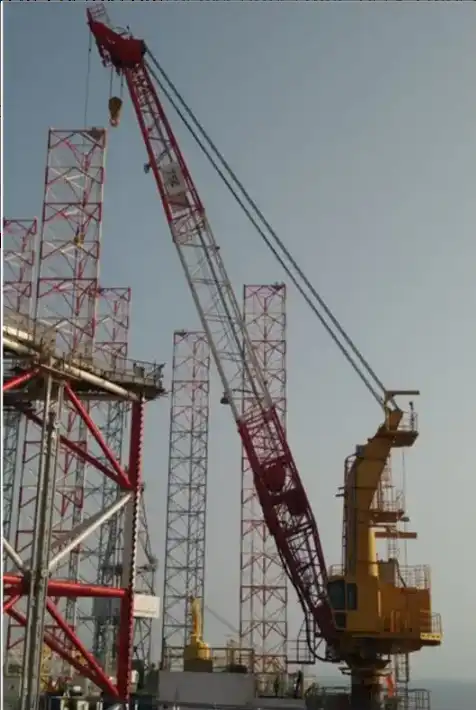
Understanding Kingpost Cranes and Their Role in Offshore Platforms
Modern offshore operations demand lifting solutions that can withstand the roughest marine conditions while maintaining operational precision. The Kingpost Crane addresses these challenges through its specialized structural configuration, where the revolving superstructure rotates around a fixed vertical shaft that is built right into the structure of the ship or platform.
Fundamental Design Principles and Components
Three main parts make up a Kingpost Crane: vertical kingpost tower, spinning machinery deck, and lattice boom assembly. The kingpost transfers loads into the hull structure, eliminating single point failure risks of slewing bearing systems. Rope luffing allows precise boom angle control. Separate hydraulic lines enable simultaneous functions, critical for complex offshore jobs.
Design Considerations for Marine Environments
Offshore sites face extreme weather, corrosive salt spray, and dynamic wave loads. Kingpost Crane engineers address these with corrosion-resistant materials and protective coatings lasting over 25 years. Value-engineered frames increase rigidity while reducing weight, improving dynamic load response. Modular design allows standardized component replacement, simplifying maintenance in remote offshore locations.
Common Applications and Operational Advantages
Offshore sites use Kingpost Crane for supply movement and equipment installation. Small footprint makes it ideal for space-limited platforms. Auxiliary hook systems enable multi-tasking, reducing lift time. Emergency backup systems keep the crane working even if prime mover or hydraulic pump fails, ensuring critical tasks continue during equipment breakdowns.
Comparing Kingpost Cranes with Other Offshore Crane Types
Choosing the right moving tools has a big effect on both how well offshore platforms work and how safe they are. Learning about the pros and cons of various crane setups helps procurement teams make smart choices that fit their working needs and the conditions of their work surroundings.
Load Capacity and Operational Reach Analysis
Kingpost Crane systems show better performance than tower cranes, which lack sufficient structural strength for ocean loads. Jib cranes struggle with heavy-duty precision tasks. With rope luffing, the Kingpost Crane moves heavier loads while maintaining precise control. Gantry systems require extensive deck modifications. The vertical kingpost design minimizes deck footprint while providing superior lifting capabilities for retrofitting and space-limited platforms.
Installation Complexity and Cost-Effectiveness
Kingpost Crane installations integrate directly into platform structure, eliminating significant deck reinforcement needed for pedestal-mounted options. Slew-bearing systems require complete crane disassembly for bearing replacement. The kingpost design uses simple upper and lower bushings lasting the crane's entire life with proper care. Modular component design allows field replacement without special heavy-lifting tools, benefiting remote platforms.
Environmental Adaptability and Performance
Offshore platforms expose equipment to varied environmental circumstances. Kingpost Crane design, built with strong materials and advanced control systems, adapts well to different situations. Higher structural stability means fewer wind-related operation limits.
Low center of gravity increases resistance to tipping moments, extending weather windows. Flexible mounting interface and better structural damping improve performance on dynamically positioned mobile platforms.
Key Performance and Maintenance Factors for Offshore Kingpost Cranes
To get the most out of offshore lifting equipment in terms of performance and durability, you need to pay close attention to its technical specs, repair schedules, and safety management systems. These things have a direct effect on how reliable operations are, how safe workers are, and how productive the platform is generally.
Critical Technical Specifications and Industry Standards
These days, Kingpost Crane systems use advanced technical ideas that can handle the tough conditions of offshore work. Specifications for load capacity range from 50-tonne setups that are good for everyday platform operations to heavy-duty 100-tonne systems that are made for installing big pieces of equipment.
API 2C approval makes sure that safety standards are met in the business and sets standards for performance. The electrical control systems that are all connected together have safety alarms and load management features that keep an eye on operational factors and stop dangerous working conditions. These systems give workers feedback in real time and keep full operating data logs for reviewing performance and making sure they follow the rules.
The device for luffing the ropes allows for exact positioning of the boom across the entire working range while keeping the best lifting shape. This feature is necessary for tasks that need exact positioning, like installing and maintaining equipment, where correct positioning directly impacts the success of the task.
Maintenance Best Practices and Preventive Protocols
Offshore settings are hard to maintain because they are far away, have little support infrastructure, and are used in difficult circumstances. Successful maintenance programs deal with these issues by using thorough prevention routines that make equipment more reliable and cut down on unplanned downtime.
Important wear parts like wire rope systems, hydraulic seals, and bearing units are checked on a regular basis. The simple bushing design gets rid of the complicated upkeep needs that come with slew-bearing systems. This lowers the cost and difficulty of maintenance. With the right maintenance, high-quality brass or composite joints can work well for as long as the crane is supposed to.
When maintaining a hydraulic system, it's important to pay close attention to how clean the fluid is and how the parts are wearing down. Cross-contamination risks are lower when there are separate pump circuits for each operational function. These circuits also provide operational backups during repair activities. Emergency backup devices make sure that the crane can still be used during planned repair times.
Safety Protocols and Risk Management
Multiple levels of defense are built into safety management systems to keep accidents and damage to tools from happening during lifting activities. The hook parking device stops the dangerous situation of the hook overtopping, and the load tracking systems let workers know the weight of the load in real time.
As part of their training, operators are taught the right way to operate in offshore situations, such as how to deal with wind limits, dynamic loads, and emergencies. Regular safety checks make sure that regulations are being followed and look for ways to make things better.
Risk assessment procedures cover both normal working risks and emergency situations. The backup crane control system keeps working even when the main system fails. This makes sure that important tasks can still be done safely even when equipment is broken. This backup is very important for sites where the availability of cranes has a direct effect on safety and the ability to keep operations going.
Procurement Guide: How to Buy and Lease Kingpost Cranes for Offshore Platforms?
When looking for ocean lifting equipment, it's important to carefully consider a number of factors, such as the skills of the seller, the cost, and the need for long-term support. Knowing how the market works and making sure a provider meets certain requirements helps you make smart decisions that balance short-term needs with long-term business goals.
Market Analysis and Supplier Evaluation Criteria
The 2026 Kingpost Crane market will show rising demand because of more offshore energy growth and the need to update old platforms. Leading makers show that they have a good track record by having a lot of installations and certifications from big classification societies like DNV, ABS, BV, and CCS.
TSC by CM Energy is a star in its field, with more than 350 crane placements around the world and a focus on custom-engineered solutions. The company can make things with full ISO quality systems and approved welding facilities that make sure the quality of the products is always the same and they follow the rules.
When evaluating a supplier, you should focus on their technical skills, their ability to make things, and their after-sales help system. Custom-engineered solutions that are made to fit the needs of a particular platform are often more useful than standard products that may require operational changes.
Financial Considerations and Acquisition Models
It's hard to make choices about what to buy without doing a lot of complicated math to compare the costs of buying, leasing, and renting different things with different project deadlines and operating needs. With purchase choices, you can get platforms that last longer and cost less in the long run, plus you have full control over operations and upkeep.
Leasing arrangements offer financial flexibility, which is especially helpful for projects with set operating times or unknown long-term needs. Rental choices are good for short-term projects because they don't require any long-term investments and don't require as much upkeep.
When you figure out the total cost of ownership, you should include the initial purchase price, the cost of installation, the cost of ongoing upkeep, and the cost of getting rid of the product at the end of its useful life. Kingpost Crane systems are designed to last for a long time, which often makes buying choices more appealing because they have lower annual operating costs and a higher selling value.
Support Infrastructure and Service Capabilities
Offshore operations demand comprehensive support infrastructure due to remote locations and critical operational requirements. Successful suppliers set up global service networks that can respond quickly to emergencies and keep up supply lines for regular repair and spare parts.
CM Energy's integrated method covers the whole job, from figuring out what needs to be done in the beginning to delivering it, testing it, and installing it on board. This all-inclusive service model makes projects easier to handle while ensuring that they work well with the platform.
Access to spare parts is very important for offshore activities because machine breakdowns have big effects on both operations and finances. Suppliers should show that they have strong inventory management systems and global transportation skills that can get items to remote places quickly.
Future Trends and Innovations in Kingpost Crane Technology for Offshore Platforms
As technology keeps getting better, new offshore lifting equipment is being made to meet the needs of the industry for more efficiency, better environmental performance, and lower operating costs. By understanding new trends, operators can make smart plans for buying that set them up for future success.
Advanced Materials and Structural Engineering
New developments in material science make it possible to reduce weight by a large amount while keeping or even improving the performance qualities of structures. New steel metals and composite materials have higher strength-to-weight ratios, which means that platforms don't have to be loaded as much and the crane works better.
Lightweight structural designs make installations easier and platform modifications less necessary while still offering the same or better operating capabilities. These changes are especially helpful for retrofitting situations where the current platform frames might not have a lot of extra space for extra equipment.
Corrosion-resistant materials and improved coating methods make tools last longer and need less upkeep. These changes are especially helpful for apps that are used offshore, where getting to them for upkeep would be very expensive and difficult to set up.
Automation and Remote Operation Technologies
Adding advanced automation systems improves working safety and efficiency by lowering the need for human intervention and making positioning more accurate. Controlling the crane from a safe room in bad weather is possible thanks to remote operation skills. The crane can still do all of its work.
Load tracking and automatic positioning devices keep workers safe and make the lifting process more efficient. These technologies make things safer while reducing the work of operators. They do this by constantly monitoring operating factors and stepping in automatically when needed.
Predictive maintenance systems utilize advanced sensor networks and data analytics to make the best use of repair schedules and keep equipment from breaking down when it's least expected. By stepping in before a part fails, these systems lower the cost of upkeep and increase the efficiency of the equipment.
Environmental Compliance and Sustainability Initiatives
As the industry works to lower its impact on the environment and boost its resilience, environmental rules are having a bigger impact on how equipment is made and how it works. Electric drive systems cut down on pollution and noise while also making operations easier to handle.
Energy recovery systems collect and use gravitational potential energy while lowering, which lowers the total amount of power used and raises the efficiency of operations. During times of emergency, battery backup systems allow for emission-free operation while lowering reliance on main power production systems.
Waste reduction programs try to make equipment last longer by using better materials and design techniques and making it easier to recycle and reuse materials when the equipment is no longer useful. The modular design theory backs up programs that reuse and fix up parts, which are good for the world overall.
Conclusion
When it comes to offshore platform activities, the Kingpost Crane is the best option because of its unique structural design and track record of performance. With more than 350 installations around the world, these specialized lifting systems give better operating powers than traditional alternatives while also making things safer and requiring less upkeep. The integrated kingpost design gets rid of the problems that come with standard systems when bearings fail. It also makes the system very stable in rough sea settings. As offshore operations get more difficult, these cranes will continue to meet the changing needs of the industry thanks to their advanced materials, automation technologies, and strong engineering. They are also a great value for platform operators who want reliable, long-term lifting solutions.
FAQ
1. What makes a Kingpost Crane superior to conventional offshore cranes?
The primary advantage lies in structural reliability and maintenance efficiency. Unlike slew-bearing cranes that suffer from bearing wear and require expensive replacements, Kingpost Crane systems utilize simple bushings that can last the equipment's entire service life. The integrated column design prevents catastrophic bearing failures while providing superior stability in high sea states.
2. How do maintenance requirements compare between kingpost and traditional crane systems?
Maintenance requirements are significantly reduced due to the elimination of complex slewing bearing assemblies. High-quality bushings require only proper lubrication to operate effectively for 20+ years, while slew-bearing systems typically need expensive bearing replacements every 5 to 10 years that often require complete crane removal.
3. What load capacities are available for offshore applications?
Kingpost Crane systems can be configured to meet a wide range of operating needs, from standard 50-tonne configurations for platform operations to heavy-duty 100-tonne setups for installing large pieces of equipment. The exact capacity varies on the width of the kingpost, the thickness of the walls, and the needs for structural integration.
Partner with CM Energy for Your Kingpost Crane Requirements
You can trust CM Energy to make high-tech Kingpost Cranes. They offer cutting-edge offshore lifting options and have been in the business for 25 years, earning over 159 patents. Through more than 350 crane installations around the world, our TSC brand has become the most trusted name in FPSOs, drilling platforms, and offshore wind installations. Our custom-engineered products cover a wide range of needs and come fully certified by DNV, ABS, BV, and CCS, among others. Our integrated method makes sure that the whole project goes smoothly, from the first design meeting to tests in the workshop and installation on board. Get in touch with our expert team at info.cn@cm-energy.com to talk about your needs and find out how our tried-and-true Kingpost Crane technology can help your offshore activities.
References
1. American Institute of Petroleum. "API Specification 2C - Offshore Pedestal Mounted Cranes, Seventh Edition." API Publishing Services, Washington, DC, 2024. (in English).
2. Association of Classification Societies Around the World. "Guidelines for Offshore Crane Certification and Installation Standards." Available from IACS Publications in London in 2024.
3. Society for Maritime Technology. "Advances in Offshore Lifting Equipment Design and Performance Analysis." MTS Journal Publications, Richardson, TX, 2025. (In English).
4. Society for Offshore Engineering. "Comparative Analysis of Marine Crane Technologies for Deep Water Applications." OES Technical Reports, 2025, Houston, TX The United States.
5. The Society of Marine Engineers and Naval Architects. "Structural Design Principles for Offshore Platform Lifting Equipment." SNAME Technical Publications, Alexandria, VA, 2024.
6. University of the World at Sea. "Safety and Reliability Standards in Modern Offshore Crane Operations." WMU Research Publications, 2025, Malmö, Sweden.