LNG Fuel Supply System for Industry: Energy Solutions Guide
Modern maritime and industry activities need energy solutions that strike a balance between being environmentally friendly, cost-effective, and legal. By switching from dirty fuel to cleaner liquefied natural gas, an LNG Fuel Supply System changes the way ships and factories run. This complete energy infrastructure controls the whole process, from storing energy in cryogenics at -162°C to delivering it to dual-fuel engines in a controlled way. This technology is now necessary for bulk carriers, tankers, offshore support vessels, and other specialised marine uses because it solves important problems like IMO emission standards, managing boil-off gas, and dealing with cryogenics safely.
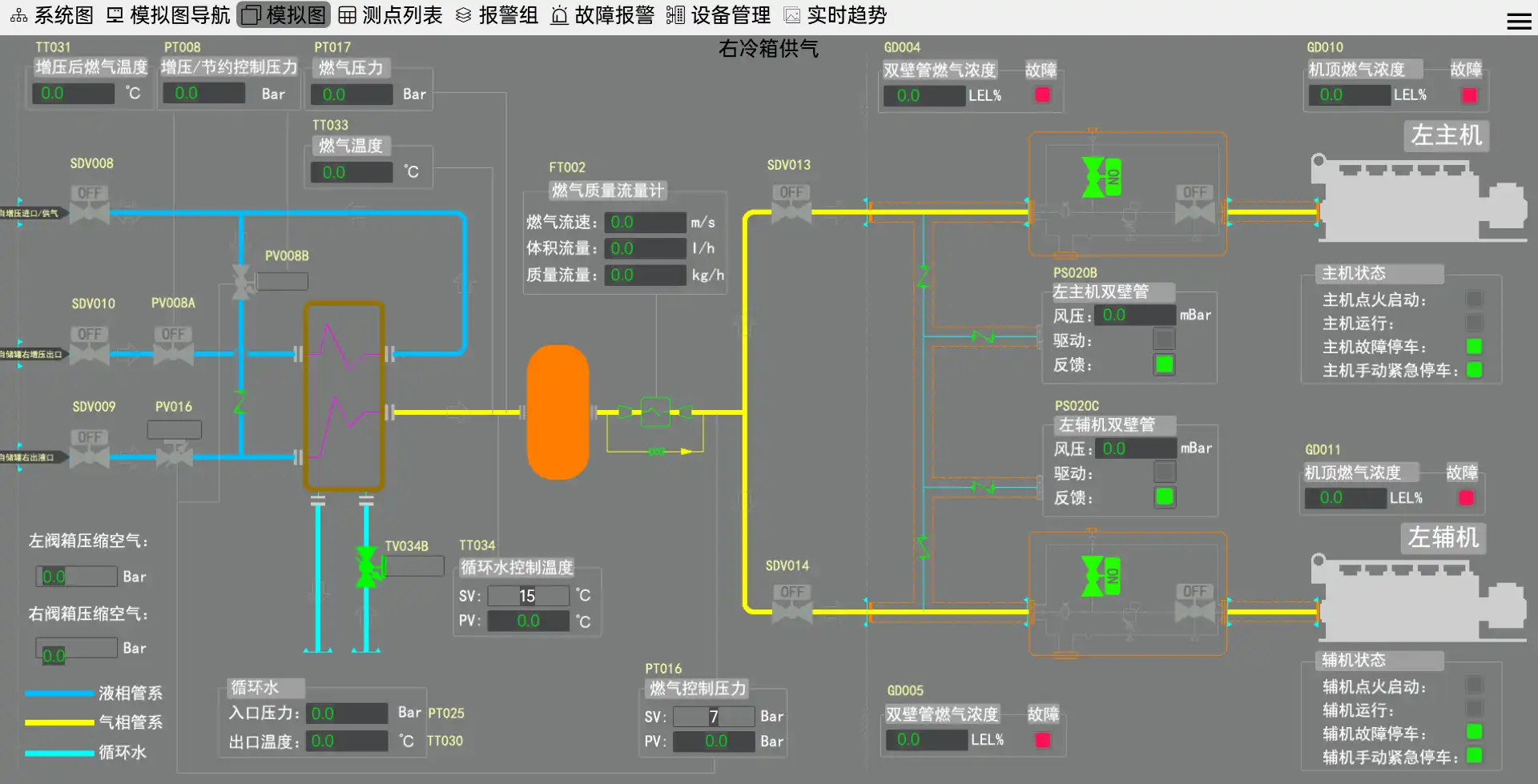
Understanding LNG Fuel Supply Systems: Components and Working Principles
Core System Architecture
An LNG Fuel Supply System that works well has a number of important parts that all work together. Storage tanks keep LNG at very low temperatures and under certain pressures, which keeps the fuel's stability during long trips. Through controlled heat exchange processes, vaporisation units turn liquid fuel into gaseous fuel. When working in low-pressure situations (under 16 bar) or high-pressure situations (over 300 bar), high-capacity compressors raise the gas pressure to meet engine requirements. Temperatures, pressures, and flow rates are constantly checked by control systems to make sure they are at their best for delivery.
TSC has come up with creative solutions by putting equipment and pipes inside tank cooling systems. This makes setups that are small and make the best use of vessel space. This unified method makes installation easier and safer by cutting down on the number of connection points and heat loss.
Operational Flow and Process Control
The steps needed to get from storage to burning are carefully planned out. LNG is taken out of storage tanks by cryogenic pumps. Insulated transfer lines keep the LNG in a liquid state. The fuel goes through vaporisers, which use controlled heat to turn the liquid into petrol at a temperature that doesn't damage equipment further down the line. Pressure-building units change the gas pressure based on what the engine needs, which is a key difference between uses.
Our low-pressure systems work well with Otto-cycle petrol engines because they keep pressures high enough for stable burning without using too much compression energy. In the meantime, high-pressure setups created in collaboration with MAN send fuel to GI engines at pressures higher than 300 bar. This drastically lowers methane slip to about a tenth of what it is in normal systems. This precise control of pressure has a direct effect on the levels of emissions and the costs of running the business.
Safety Architecture and Monitoring
When designing LNG Fuel Supply Systems, safety is taken into account at every step. Double-walled pipes make containment barriers, and the areas between the walls are constantly checked for leaks before dangerous amounts happen. Throughout the system, gas detection monitors set off automatic reactions when the amount of hydrocarbons present goes above safe levels. As soon as an alarm goes off, emergency shutdown procedures cut off fuel flow to storage tanks and separate them.
Continuous tracking systems keep an eye on many things at once, like changes in tank pressure that show how fast things boil off, the temperatures at the vaporizer's outlets that make sure the whole phase change happens, and the pressures at the compressor's release points that make sure the delivery specs are met. This thorough monitoring allows for predictive repair, which finds worn-out parts before they cause problems with operations.
Benefits and Environmental Impact of LNG Fuel Supply Systems
Emission Reduction and Regulatory Compliance
Switching to transportation based on LNG has real environmental benefits that go beyond just lowering carbon emissions. When natural gas is burnt, it doesn't produce any sulphur oxide fumes as heavy fuel oil does. This is very important for businesses that operate in areas with strict sulphur content limits. Nitrogen oxide production goes down a lot, and often IMO Tier III guidelines can be met without having to buy expensive exhaust aftertreatment equipment. Particulate matter emissions drop almost to nothing, and the smoke plumes that come from using standard marine fuels are no longer visible.
These changes directly lead to legal compliance in places where rules are getting stricter. Natural gas propulsion is supported by EPA rules for coastal operations, EU guidelines that aim to reduce emissions from ports, and norms set by the International Maritime Organization. Modern LNG Fuel Supply Systems allow ships to enter ports with strict environmental rules. This gives businesses more options and easier entry to new markets.
Operational Economics and Efficiency
In addition to being better for the environment, natural gas power has strong economic benefits throughout the lifecycle of a vehicle. Most of the time, fuel costs less than marine diesel oil, especially in places where natural gas infrastructure is easy to find. Because cleaner burning cuts down on engine deposits and wear, maintenance times are longer. When combustion temperatures stay normal and corrosive combustion fumes decrease, engine life goes up.
Boil-off gas management is built into TSC systems through gas combustion units and stoves that work together. This turns vapour that would have been lost into useful thermal energy. The closed-loop system makes the best use of fuel, which lowers the number of times the ship needs to bunker and increases the trip's costs. Over the course of several years of use, these benefits add up to high cost savings that more than cover the starting costs of installing the system.
Real-World Performance Validation
Marine owners say that performance has consistently gotten better since they switched to LNG power. Pure car/truck haulers that work on trans-oceanic lines stick to their schedules and cut emissions by more than 20% compared to traditional fuel systems. Support ships that work at sea in places that are sensitive to the environment have to follow stricter local rules without affecting their ability to do their jobs. It is easier for crews to learn how to handle cryogenics on chemical trucks and LPG carriers because their fuel systems are compatible with what they already know how to do.
Over a year of constant vessel operation, adding up to thousands of hours of operation without any big problems, shows that our low-pressure products are reliable. This track record gives buying teams faith in the maturity of the system and its ready for use.
Procurement and Installation Guide for LNG Fuel Supply Systems
Supplier Selection Criteria
To pick the right LNG Fuel Supply System maker, you need to look at a number of their capabilities. It is very important for providers to have technical knowledge in cryogenic systems. They should be able to show that they understand thermal dynamics, material compatibility at high temperatures, and how to build pressure vessels. Certification samples show that you know how to follow the rules, and approvals from classification societies and major marine authorities show that your designs are good.
The ability to manufacture determines how reliable deliveries are and how consistent the quality is. Tighter limits and quality standards are kept by integrated production centers that oversee the whole process, from the raw materials to the final assembly. Partnership networks make solutions more flexible. For example, our work with the Norwegian design company WTC shows how strategic relationships improve technical innovation and market reaction.
Lifecycle support access is affected by the geography of service spread. During the commissioning and operating support phases, suppliers that keep service networks up and running in major maritime routes offer faster reaction times. Uptime and operating continuity are directly affected by after-sales support systems, such as the supply of spare parts, access to a professional helpdesk, and the ability to provide service in the field.
Cost-Benefit Analysis Framework
Financial modelling from initial capital expenditure to decades of operation is necessary when making investment decisions. The starting cost of an LNG Fuel Supply System depends on its pressure, space, and integration difficulty. Complex pressure-building units and superior materials make high-pressure systems more costly. Users who wish to conserve funds will find low-pressure systems simpler.
Operational cost estimates should account for fuel price variances between natural gas and other choices, including location and supply fluctuations. Maintaining cost models considers how frequently parts require replacement, when they need specialist care, and team training costs. Different methods calculate regulatory compliance expenses. Not employing pollution scrubbers or getting emission licenses may save money and speed up ROI.
Lifecycle modelling typically indicates payback durations of five to eight years, this might vary depending on vessel usage and fuel cost. Fuel savings and additional markets may speed up returns for ships in polluted regions or on busy lines.
Installation Process and Timeline Considerations
A successful LNG Fuel Supply System deployment begins with design integration. Naval engineers balance ship stability with fuel system layout, maximising weight distribution with tank location. Interface standards define how fuel systems and power plants are linked, communication protocols, and emergency procedures.
Prefabricating system parts speeds installation and improves quality control. Before going to sea, factory-made items may be evaluated under controlled conditions. TSC provides complete tank cooling system solutions, including equipment. This reduces construction work and installation time.
Commissioning checks system performance throughout all operating ranges. Functional testing ensures the pump, vaporiser, and control system can manage their loads and heat. Practical emergency events are used to validate the safety system's shutdown procedures and isolation valves. Classification societies approve business before it begins.
It takes three to six months from module delivery to installation completion. This depends on vessel complexity and yard scheduling. Shipbuilders, equipment vendors, and classification organisations should prepare collaboratively to prevent delays and ensure integration.
Technical and Regulatory Landscape of LNG Fuel Supply Systems
Industry Standards and Certifications
Various regulations control LNG Fuel Supply System design, manufacturing, and usage. Pressure vessels, their construction, and materials are regulated by the International Organization for Standardization. DNV, Lloyd's Register, and ABS provide gas-powered ship guidelines on everything from tank placement to air flow.
Regional variances complicate accountability strategies. European establishments must meet pressure tool and machinery safety regulations. US firms that contact US waterways must obey Coast Guard and EPA pollution requirements. IMO standards offer consistent frameworks, but flag states use them differently.
All major classification bodies certify our techniques as well-designed and rule-compliant. This multi-jurisdictional permission lets ships access ports and choose flags worldwide.
Emission Regulation Compliance Pathways
Changes in environmental legislation are encouraging cleaner transportation technology. The IMO 2020 sulphur limit regulations banned high-sulfur marine fuel oils, forcing operators to use suitable fuels or exhaust cleaning devices. Natural gas power meets these criteria; you don't need fuel or scrubbers.
Tier III nitrogen oxide limitations in pollution control regions make diesel engines struggle. These need selective catalytic reduction systems, making them more complex and difficult to maintain. Lean-burn petrol engines optimise combustion alone to fulfil these norms. This simplifies compliance and decreases engine costs.
Regulations may reduce greenhouse gases and establish carbon balancing laws. Natural gas emits CO2 when burned, although its lifetime emissions are fewer than those of other fuels. This makes LNG-powered ships a suitable bridge to zero-emission technology, safeguarding investments as laws tighten.
Maintenance Strategies and Troubleshooting
Regular maintenance prevents costly downtime in LNG Fuel Supply Systems. The manufacturer schedules cryogenic pump seal inspections every few thousand hours. Helium leak testing verifies seal integrity after repair, ensuring containment before operations restart. Monitoring the vaporizer's heat exchanger for fouling or capacity loss requires cleaning before delivery issues hinder movement.
Continuous self-monitoring via control system diagnostics finds sensor drift and valve activation issues. Predictive algorithms identify parameter patterns and outliers that indicate trouble ahead. With intelligence-driven maintenance, objects are planned for maintenance periods rather than being fixed as they break.
One typical operational duty is regulating the boil-off rate during protracted idleness and pressure variations during abrupt load changes. Integrated BOG handling via gas combustion units solves the first problem, and enhanced control techniques smooth the supply. To prepare personnel for typical and extraordinary activities, TSC provides extensive training and documentation.
Future Technologies and Trends in LNG Fuel Supply Systems
Digital Integration and Automation Advances
LNG Fuel Supply Systems become increasingly helpful and efficient as technology advances. Digital twin solutions create virtual replicas of systems to learn and test situations without risking actual assets. Monitoring technologies transfer operational data to land-based support offices, allowing professionals to assess and advise on vessels from anywhere. Artificial intelligence applications optimise fuel consumption based on route, weather, and cargo.
Automation reduces staff effort and improves response consistency. Adaptive control systems adjust the vaporiser output and pressure based on engine load. This maintains optimal delivery conditions without human intervention. Integrated testing detects issues more quickly than humans, prompting protective steps.
Material science advances improve system performance and durability. Better shielding materials reduce boil-off, extending bunkering duration. Metals that resist corrosion remain longer in severe maritime environments. These tiny modifications build up to huge performance and cost gains throughout a system's lifespan.
Market Drivers and Adoption Accelerators
Multiple reasons are accelerating natural gas utilisation in industrial and maritime contexts. Oil price fluctuations make the economy uncertain, which benefits fuel diversification strategies. New carbon pricing schemes in many regions penalise high-emission fuels, making natural gas cheaper. As infrastructure develops, bunkering choices increase. LNG refuelling installations in key ports worldwide have solved supply issues.
Shipping firms and cargo owners promising to cut carbon emissions are driving demand for cleaner transportation. Corporate environmental aims increasingly restrict supply chain contamination. Companies using greener propulsion technology benefit. Market pressure exacerbates regulatory pressures, providing early adopters with an advantage.
Bigger shipyards and better engineers reduce shipping times and building costs. What was cutting-edge intricacy ten years ago is now standard for huge yards. Knowledge builds confidence and lowers pricing for customers.
Strategic Recommendations for Procurement Teams
Equipment decisions must align with energy transformation strategies for long-term corporate performance. LNG Fuel Supply Systems with updated pathways preserve investment value as technologies evolve. Modular designs enable pressure configuration and capacity increase without system rebuilding.
Training investments in internal skills maximise complicated operational systems. Cross-training engineers and deck officers on the fuel system improves repair and reduces outside aid. By partnering with experienced vendors, you can be confident of skilled assistance throughout your tool lifespan.
By monitoring new legislation and joining industry associations, you may learn about compliance changes early. This preparation enables individuals to make modifications ahead of time instead of scrambling before deadlines. Working with categorisation groups early in planning prevents surprises and costly modifications.
Conclusion
As naval and industrial energy sources become cleaner, LNG Fuel Supply Systems will become important infrastructure for companies that want to run efficiently and responsibly with the environment. Natural gas propulsion has clear benefits in lowering emissions, running costs, and following the rules. This is true for both bulk ships that travel on global trade routes and specialised boats that work in dangerous environments. TSC brings proven knowledge from running vessels successfully for over a year, new packaging ideas that make the best use of space, and strategic relationships that increase technical capabilities. When looking at low-pressure systems for established engine platforms or high-pressure configurations that achieve industry-leading emission performance, it is important to look at the whole system design, the skills of the provider, and the lifecycle costs. This will help you make smart procurement choices. As rules get stricter and people start to care more about environmentally friendly businesses, the first companies to use advanced LNG technology will be able to stay competitive and help change the marine industry.
FAQ
1. How does the fuel gas supply system safety compare to conventional diesel systems?
These days, LNG Fuel Supply System sites have more safety features than older fuel setups. Double-walled pipes with constant leak tracking offer two ways to keep the fluid inside. When they sense something is wrong, automatic separation valves close within seconds. Before dangerous levels are reached, gas monitoring networks turn up the air and turn off the equipment. Classification society inspection makes sure that the plan is good and the building is good. Handling cold fuel requires special skills, but thorough crew training and designed safety features make these systems as safe as or safer than regular ones.
2. What factors most significantly impact total system costs?
The main thing that affects cost is the pressure setup. GI engines need high-pressure systems that have more complex compression tools and stricter material requirements than low-pressure arrangements. Capital investment is directly linked to storage capacity; bigger tanks cost more but need to be refuelled less often. The amount of work that needs to be done during placement depends on the type of vessel and the amount of room that is available. Logistics costs and local labour rates are two ways that geography affects prices. During the duration, differences in fuel prices between natural gas and other options usually determine how the economy does.
3. What timelines should procurement teams expect for industrial-scale installations?
For newbuild applications, the whole rollout process, from signing the contract to handing over operations, usually takes twelve to eighteen months. After the first few months of design integration and regulatory approval, the main parts, like holding tanks and vaporiser units, are manufactured. Installation and testing in the shipyard can take extra months, based on the schedule of the yard and the complexity of the vessel. Because of problems integrating new systems with old ones and disruptions to operations, retrofit setups take longer than planned. Early involvement of suppliers and aggressive communication with regulators shortens schedules and lowers the risk of delivery.
Partner with CM Energy for Advanced LNG Fuel Supply System Solutions
CM Energy offers complete LNG Fuel Supply Systems that are backed by reliable and cutting-edge tech that has been tested in the field. Our TSC brand blends over a year of successful vessel operation with space-saving packaging solutions that merge equipment within tank cooling systems. This makes the most of the vessel's useful space while still meeting strict safety standards. Our engineering team can make custom solutions to meet the needs of your fleet, whether it needs low-pressure configurations for Otto-cycle engines or high-pressure systems that achieve minimal methane slip through MAN GI engine compatibility. As a seller of LNG Fuel Supply Systems with a lot of experience, we help procurement teams by giving advice on design, production, installation, control, and upkeep services throughout the system's life. Get in touch with our experts at info.cn@cm-energy.com to talk about how proven natural gas propulsion technology can help you reach your sustainability goals while also giving your fleet of vessels real, practical, and economic benefits.
References
1. International Maritime Organization. (2021). Fourth IMO Greenhouse Gas Study: Comprehensive Assessment of Maritime Emission Reduction Strategies. London: IMO Publishing.
2. Society of Naval Architects and Marine Engineers. (2022). LNG-Fueled Vessel Design and Operational Considerations. Jersey City: SNAME Technical Publications.
3. International Gas Union. (2023). Global LNG Bunkering Infrastructure Development Report. Barcelona: IGU Communications Committee.
4. American Bureau of Shipping. (2022). Guide for Gas and Other Low-Flashpoint Fuel Ready Vessels and Installations. Houston: ABS Publications.
5. Det Norske Veritas. (2023). Alternative Fuels Insight Platform: Comparative Analysis of Marine Propulsion Technologies. Oslo: DNV Maritime Advisory.
6. European Maritime Safety Agency. (2021). Guidance on LNG Bunkering Safety Standards and Procedures. Lisbon: EMSA Technical Publications.