Automated Sail System for Wind Propulsion: Next-Gen Marine Efficiency Guide
In the maritime business, history and new ideas are meeting at a crossroads. An Automated Sail System is a huge step forward in wind-assisted transportation technology. It uses advanced sensors, customisable logic controls, and adaptive aerodynamic surfaces to use natural wind power without any help from the crew on top. These methods help with important problems that commercial shipping is having right now, like changing fuel prices, strict CII rules, and growing pressure to lower carbon emissions. Modern wind propulsion solutions save measured amounts of fuel on bulk ships, tankers, and coastal vessels by automatically changing the sail angle and camber based on the real-time wind conditions. These solutions also keep operations safe and crews working efficiently.
Understanding Automated Sail Systems: Technology and Benefits
Modern wind-assisted movement is very different from the cloth sails of the past. Modern systems use materials made for aircraft applications and smart technology to make reliable power sources that work with main engines instead of replacing them.
The Core Components Behind Smart Wind Propulsion
An Automated Sail System is made up of many complex parts that work together. Anemometers constantly measure the speed and direction of the wind and send that information to central control units, which then figure out the best place for the sails to be set up. Actuators driven by electric or hydraulic systems can change the direction of the sail in seconds, which is faster than any crew member could do. These parts work together using complex formulas that make the most of power while keeping the ship stable.
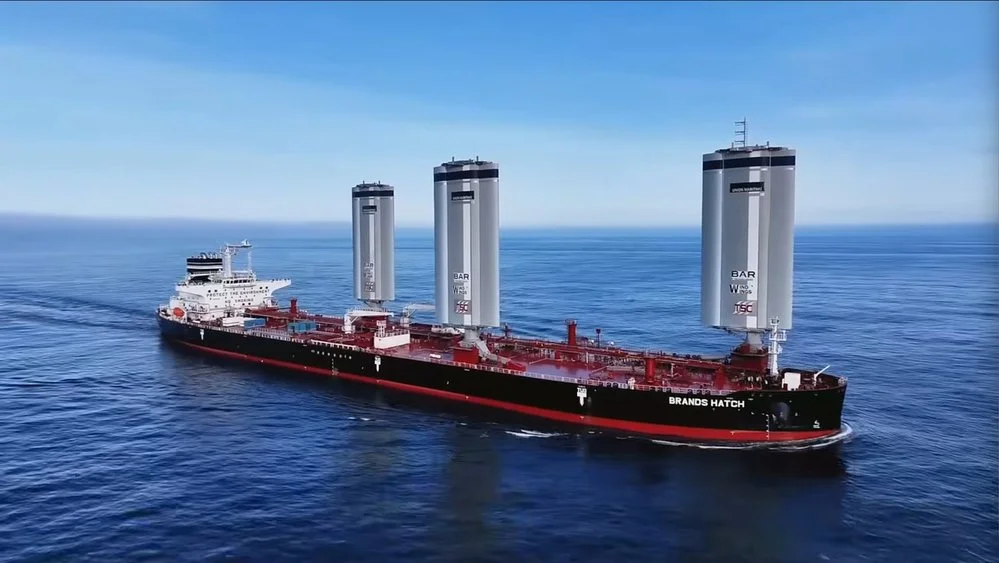
This kind of combination can be seen in CM Energy's WindWings® technology. This three-element rigid sail has fully changeable camber and angle of attack, as well as unique designs that were created in collaboration with BAR Technologies. Ship-grade steel and industrial E-glass composites are used to build the system. This makes structures that can survive harsh marine conditions and have aerodynamic performance that has been checked by both the Wolfson Unit and Lloyd's Register.
Historical Evolution From Manual Rigging to Intelligent Automation
Ships used to run on wind power alone, but when steam engines came along, sails were relegated to the nautical past. More people are interested in wind power now that fuel prices and environmental rules are going up, but modern ships need to be automated. Early efforts to retrofit using standard sail designs didn't work for business operations because the crews had to be trained too much and had to handle the sails by hand when the weather changed.
Recent advances in materials science, sensor technology, and control systems have made it possible for automatic wind power to be used in businesses. Modern systems work with push-button ease, similar to how deck cranes are deployed, unlike hand setup. The TSC brand was the first to make this change by creating solutions that don't require crew members to have any special sailing experience. This makes acceptance easy for regular shipping operations.
Quantifiable Benefits for Commercial Fleet Operations
Fuel cost reduction is the biggest advantage. Ships save 10% to 30% using advanced wind power systems, depending on route and wind conditions. These changes affect operating margins and reduce carbon intensity ratings, which is relevant as the International Maritime Organization tightens EEXI and CII regulations.
Automated systems save money and make lengthy trips simpler for crews. The device automatically adjusts the sails, freeing up workers for other tasks. Safety is increased by eliminating perilous deck operations in poor weather, and failsafe processes feather or store sails when wind speeds exceed practical limitations.
Carbon reduction isn't the sole environmental benefit. Ships may fulfil Emission Control Area requirements without costly scrubbers or low-sulfur fuels by using less fuel.
Types of Automated Sail Systems and Their Applications
Different design ideas are used to make wind transportation technologies, and each one has its own benefits for different types of vessels and work situations.
Rigid Wing Sails Versus Rotary Solutions
Aerodynamic lift is how rigid wing systems like WindWings® make power, working like aeroplane wings that are positioned vertically. With lift coefficients more than 2.5 times those of standard designs, these three-element designs produce a lot more force than single-element options. The changeable camber lets you get the most out of different wind angles, so you can keep sailing efficiently whether you're going upwind, across beam reaches, or with following winds.
The products used in construction are very important. When you combine steel main elements with composite aerodynamic surfaces, you get the right mix between strength and weight. This mixed method protects the structure during bad weather while having the least amount of effect on estimates of the vessel's safety.
Electric Versus Hydraulic Actuation Systems
Power delivery methods affect how quickly an Automated Sail System responds and how much care it needs. Electric actuators provide exact control and are easier to install because they get their power from the ship's current electrical systems. CM Energy's WindWings® models are controlled by electricity, which allows them to respond quickly, which is important for keeping the sails properly trimmed as the wind changes.
For bigger installations, hydraulic systems can handle more force, but they need their own hydraulic lines and more complicated upkeep procedures. Which technology to use relies on the size of the vessel, the power infrastructure that is accessible, and the operational objectives.
Application-Specific Configurations for Different Vessel Classes
Bulk ships have multiple wing installations placed between the cargo holds, which keep the deck clear for hatch operations. The WindWings® design includes tilt mechanisms that let the system turn into laydown positions while moving cargo. This gives the equipment room to move and gives the system more working freedom.
Chemical tankers and LR2 tankers both have limited deck room, but when working with volatile goods, they need to be extra careful about safety. Modern automated systems take these worries into account by having strong fail-safe routines and the ability to be operated from afar, so the crew can control wind propulsion from posts on the bridge instead of being out in the open on the deck.
Coastal ships and boats that go on shorter trips and stop at ports often need to be able to quickly deploy and store their gear. Small designs with quick-folding features keep things from getting in the way of tight turns and bridge clearance requirements during port approach.
Safety Features and Maintenance Protocols
Classification society approvals from DNV, Bureau Veritas, Lloyd's Register, and CCS show that the method is safe after strict testing. These certificates make sure that the structure is strong enough to withstand fatigue loads, that emergency shutdown systems work, and that stability effects are true when maximum heeling moments are present.
The maintenance needs are in line with normal dry-dock plans. Regular checks look at how well the actuators work, how well the seals are working, and how the control system is working. Predictive maintenance features keep an eye on shaking patterns and motor performance, sending workers alerts before parts break. The WindWings® system comes with long-term service packages that help ship owners for the 25 years that the installation is supposed to last.
How to Choose the Best Automated Sail System for Your Fleet
When looking for the best wind propulsion option, you need to carefully consider technical specs, working compatibility, and cost.
Performance Metrics That Matter for Procurement Decisions
Estimates of how much fuel will be saved must be based on a realistic study of the journey. Instead of just using theoretical models, vendors should show performance data that has been checked by real vessel operations. DNV has confirmed that CM Energy's WindWings® technology reduces fuel use on real-world bulk carriers operating on more than twenty major global ports and various trade paths.
Total cost of ownership is greatly affected by how reliable an Automated Sail System is. When equipment breaks down during important lease times, it costs more than just to fix it. Teams in charge of buying things should give more weight to designs that have been used before and come with full warranties backed by well-known naval equipment makers.
Integration compatibility with current vessel systems keeps installation changes from costing a lot of money. Modern automated sail solutions work with standard NMEA protocols, which makes it easy for guidance computers, dynamic positioning systems, and software that optimises trips to share data.
Comparing Leading Wind Propulsion Technologies
There are now a number of tested systems on the market for business wind-assisted propulsion. Rigid wing systems are better at controlling air flow than circular rotor designs, especially on routes where wind directions change. WindWings®' three-element design produces power over a wider range of wind speeds than single-element options, keeping the propelling force even during difficult upwind legs.
Material selection affects how long a project lasts and how much it costs to maintain over its lifetime. Composite building needs special repair methods that aren't offered at all shipyards, which could make damage events last longer. The steel-composite hybrid method strikes a balance between better performance and ease of repair, so regular marine manufacturing shops can take care of structural upkeep.
Customization Options and Fleet-Specific Solutions
When installing retrofits, it's important to do a thorough compatibility analysis that looks at things like deck strength, stable estimates, and the electrical system's capacity. Before finalising installation specs, TSC engineers do full assessments of the vessels to make sure the systems meet class standards without limiting cargo space or operating freedom.
Newbuild integration lets optimisation start in the early stages of planning. It is cheaper and faster to add structural supports during building than to make changes later on. Electrical routing and control system integration can also be done more quickly. CM Energy works with big ships to offer complete solutions that include design type approval, Factory Acceptance Testing, and supervision of installation.
Evaluating Total Cost of Ownership
Initial capital expenditure is merely one financial research component. Fuel savings accumulate daily during the system's lifespan. Payback period is three to seven years, depending on route and bunker price projections. Ships that trade in continuous wind are paid back quicker than those in volatile weather.
Carbon credit systems in new carbon trading programs do more than save gasoline. Lower CII ratings make vessel rentals simpler, which is desirable since cargo owners seek greener transportation. This market differential has financial benefits beyond reducing operating costs.
Maintenance expenditures have been cheap compared to the main power system. WindWings® is straightforward to operate like a deck crane and requires no lifting expertise. Long-term service agreements help you budget for maintenance and ensure you can access manufacturer support as long as the installation is operational.
Installation and Integration Guide for Automated Sail Systems
Structured planning is needed for a successful execution, from the initial review of possibilities to crew training and handover of operations.
Pre-Installation Compatibility Assessment
The first step in engineering research is to look at the structures of the possible mounting sites. Deck plating thickness, base frame spacing, and longitudinal strength must all be able to support loads from the sail structures while also allowing for heeling moments when the wind is at its strongest. Finite element analysis models check that the structure is strong enough and show if any strengthening is needed before the installation starts.
Stability studies show how the sailboat setup changes the vessel's trim and metacentric height. Class societies need proof that the structure meets the entire stability codes under all loading conditions, taking into account the extra windage and heeling lever arms that sail setups add.
Integration With Vessel Control Systems
Modern Automated Sail Systems use standard data methods to talk to navigation tools, weather routing software, and engine control systems. With this integration, tools for planning trips can find the best routes by taking into account both the possibility for wind propulsion and more standard factors, such as currents and traffic separation plans.
The WindWings® control system reports power in real time, which lets captains see how much fuel they are saving and make the best decisions about how to run their businesses. Web-based tools let fleet management teams on land keep an eye on how many boats are doing, finding the best ways to do things, and helping with efforts to keep getting better.
Structured Installation Process and Quality Assurance
Testing begins CM Energy's rigorous installation procedure to ensure functionality. Fully functional system assemblies are tested at manufacturing facilities before shipping. Control logic, actuator performance, and safety interlocks are tested in a controlled environment.
On-site installation involves preparing and securing the foundation, mechanically assembling the major structural pieces, connecting the electrical and control systems, and activating the system. Classification society inspectors see critical installation phases and do preliminary inspections before certification.
Sea experiments ensure the strategy works in real life. Measurement of fuel usage standardises comparisons, whereas testing of automated control systems occurs in various wind conditions and vessel speeds. The crew is taught to operate the system routinely, maintain it, and manage crises during this period.
Operator Training and Operational Handover
Crew onboarding that works well is a link between the old ways of shipping and automatic wind power. Training programs stress the system's strengths and weaknesses, the right way to handle alarms, and simple repair steps. In contrast to historical sailing ships, modern systems don't require a lot of specialised knowledge. Operators control wind power through easy-to-use screens that look like other bridge equipment.
The documentation packages come with working instructions, upkeep schedules, and troubleshooting tips that are made to fit the specifics of each vessel. With remote support, technical teams on land can help with odd situations and give expert advice without having to send specialised staff to every port call.
Maximizing ROI: Performance Optimization and Future Trends
Long-term worth relies on keeping an eye on performance all the time, doing preventative maintenance, and making plans that are in line with how technology and rules change.
Performance Monitoring and Optimization Strategies
Key performance factors, such as the rate of fuel use, the amount of power produced, and the availability of the system, are tracked by digital tracking systems. By comparing real performance to initial predictions, operational opportunities can be found, and the predicted return on investment can be confirmed.
When weather routing integration is used, courses are chosen that combine standard journey optimisation factors with wind capacity to get the most out of wind power. Advanced route algorithms created just for wind-assisted boats weigh the pros and cons of going farther in better wind conditions versus saving fuel by using less power to move.
Emerging Technologies Shaping Future Developments
New technologies are shaping how things will change in the future. Adaptive control methods, artificial intelligence, and machine learning algorithms offer better performance. Systems learn from past operations, making sail trim algorithms better by taking into account how each vessel is different and finding the best way to respond to wind situations that are hard for standard control logic.
Integration of the Internet of Things makes it possible to do predictive maintenance. Sensor networks keep an eye on the health signs of components and find new problems before they break. This proactive method cuts down on unplanned downtime and makes the best use of business responsibilities to schedule maintenance around them.
Regulatory Landscape and Compliance Planning
Environmental laws that are always changing present both problems and chances for wind-assisted movement. The IMO's greenhouse gas policy aims to cut emissions by a large amount by the middle of the century, with short-term actions driven by temporary goals. Vessels with successful carbon reduction systems have an edge in charter markets that care more and more about the environment.
Carbon pricing systems that are being developed in a number of places will make changes to fuel economy more financially appealing. If an Automated Sail System can prove it lowers pollution, it will make a measurable value through lower carbon costs, in addition to saving fuel directly.
Classification groups are still working to improve the rules that apply to wind-assisted propulsion systems. This makes the rules that support the use of this technology simpler. Established standards from DNV, Bureau Veritas, and other major societies make it easier for shipowners to make decisions about investments in wind power.
Strategic Fleet Planning for Long-Term Competitiveness
Operators who are looking to the future are looking at how to use wind power as part of larger plans to update their fleet. Systems with 25-year service lives are long-term investments that last longer than the time a vessel is owned. The fact that WindWings® systems can be moved from older to younger ships saves the value of an investment by letting older ships leave the fleet.
By working together, shipowners, charterers, and technology providers can make sure that everyone has the same benefits to adopt. Charter party agreements include more and more rules for wind power systems, with ways to save fuel that fairly share the benefits among contracting parties. These business innovations get rid of problems that made it hard for people to use technology before.
Conclusion
The technology behind wind-assisted transportation has grown from experimental ideas to business solutions that work and are good for the environment. Automated Sail Systems get rid of the practical problems that kept modern ships from using wind power. This saves fuel and lowers emissions without affecting the safety of the crew or the ship's ability to operate in different ways. CM Energy's WindWings® technology is a good example of this change. It combines aerodynamics from aircraft with strong marine engineering to make systems that are stable and have been tested in the real world and received full classification approvals. As regulations get stricter and fuel prices stay unstable, wind power is a smart investment that will help fleets stay competitive over the long term and help the marine industry reach its sustainability goals.
FAQ
1. How does an Automated Sail System improve fuel efficiency?
Wind propulsion systems create extra force that lowers the power needs of the main engine. The three-element rigid sail design of WindWings® creates more aerodynamic lift than standard single-wing setups, adding measured propelling force in a range of wind situations. Your fuel use goes down in direct measure to the amount of wind force you get. Depending on the route and the weather, you can save anywhere from 10% to 30%.
2. What maintenance does an Automated Sail System require?
Routine maintenance is done at the same time every time the ship goes into dry dock, and it mainly involves checking the soundness of the seals, the actuators, and the control system. Predictive repair sensors in the WindWings® system check the health of parts and let workers know before they break down. CM Energy's long-term service packages include proactive maintenance checks, spare parts delivery, and expert help for as long as the installation is in use.
3. Can these systems be retrofitted to existing vessels?
After a compatibility study, retrofit installations can be done on most kinds of business vessels. Structural analysis checks that the deck is strong enough, and stability calculations make sure that it meets the requirements of the class. Before finalising retrofit specs, CM Energy does full vessel evaluations to make sure installations meet all regulatory standards without affecting cargo capacity or operating capabilities. Several bulk carriers have finished successful retrofit installs, showing that the idea is both technically and commercially viable.
Partner With CM Energy for Advanced Marine Propulsion Solutions
Cutting-edge wind-assisted propulsion technology from CM Energy is backed by decades of success in naval equipment engineering. As one of the biggest companies that makes Automated Sail Systems, we offer full solutions, from the original feasibility studies to installation, operation, and support throughout the system's life. Our WindWings® technology uses proven fuel-saving methods approved by DNV, Bureau Veritas, Lloyd's Register, and CCS. This makes sure you get systems that have been tested and meet the highest quality standards. Through our network of approved installation partners and technical support teams, TSC helps ship owners all over the world with their repair needs. Email us at info.cn@cm-energy.com to talk about the particular needs of your fleet and find out how automated wind propulsion can help you meet your environmental compliance goals while lowering your running costs.
References
1. International Maritime Organization. (2023). "Guidelines on the Method of Calculation of the Attained Energy Efficiency Design Index for New Ships." IMO Resolution MEPC.308(73).
2. DNV Classification Society. (2022). "Wind Assisted Propulsion Systems: Rules for Classification and Certification." DNV-ST-0511 Standard Publication.
3. Nelissen, D., et al. (2021). "Analysis of Fuel Savings Through Wind-Assisted Ship Propulsion." CE Delft Research Report on Maritime Decarbonization Technologies.
4. Bureau Veritas Marine & Ocean Division. (2023). "Technical Guidelines for Wind Propulsion Systems Integration on Commercial Vessels." NR206 Classification Rules.
5. Lloyd's Register and University Maritime Advisory Services. (2022). "Performance Validation Methodologies for Auxiliary Wind Propulsion in Commercial Shipping Operations." Maritime Technology Journal.
6. Traut, M., Gilbert, P., Walsh, C., et al. (2021). "Propulsive Power Contribution of Wind-Assist Technologies: Comparative Analysis of Rigid Sails and Rotary Systems." Journal of Marine Engineering & Technology, Volume 20, Issue 3.