Leg Encircling Crane Guide for Offshore Heavy Lifting
When it comes to offshore heavy lifting operations, Leg Encircling Crane technology represents a revolutionary approach to marine engineering challenges. These specialized lifting systems have transformed how we handle massive components in demanding offshore environments, from wind turbine installations to FPSO operations. Understanding the capabilities and applications of leg encircling cranes becomes essential for procurement professionals seeking reliable solutions for complex offshore projects requiring exceptional lifting capacity and operational stability.
Understanding Leg Encircling Cranes: Fundamentals and Design Principles
Core Components and Operational Mechanics
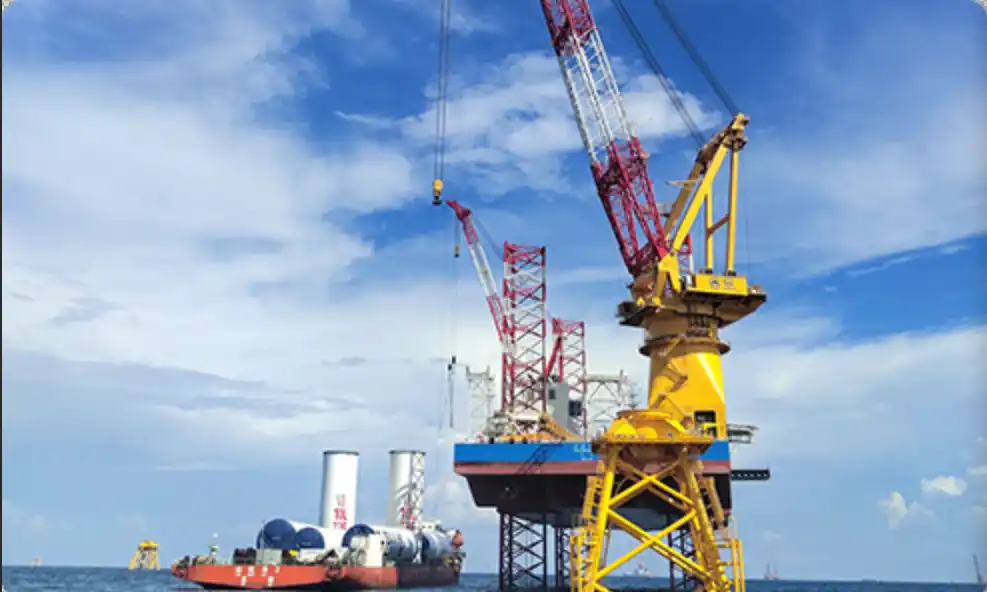
Leg Encircling Crane systems have a unique way of building them because the slewing gear of the crane goes around one of the ship's legs. This new arrangement makes the best use of deck room and increases the ability to spread loads evenly. The hollow center of the crane lets the jack-up leg move up and down through the structure while placing. This makes a combined lifting solution that doesn't limit the vessel's ability to move.
The main idea behind the design is to spread heavy pulling loads through the leg well, which is the vessel's best structural point. With this method, you don't have to worry about the limited deck room that comes with regular pedestal-mounted cranes. Modern leg encircling systems use high-tech materials like high-yield steels to keep the structure strong while reducing weight. This makes sure that the system works well in harsh sea settings.
Design Standards and Safety Compliance
A lot of strict rules have been set by classification groups like DNV, ABS, BV, and CCS for how offshore cranes can work. These standards cover requirements for practical safety, fatigue resistance, and structural stability that are special to marine environments. These international standards are followed by TSC's production processes to make sure that every crane can handle the tough conditions of offshore uses.
A lot of finite element analysis is done on the skeletal framework of these cranes to make sure that the load lines and stress distribution patterns are correct. This way of building makes sure that the crane can handle the changing loads that come up during operations at sea, such as those caused by waves and the changing wind conditions that are common there.
Benefits and Common Applications of Leg Encircling Cranes Offshore
Operational Advantages in Marine Environments
When used offshore, the Leg Encircling Crane is clearly better than other types of lifting equipment in a number of important ways. The design makes it easier to keep the crane stable while lifting big things, which is very important when working with parts that weigh hundreds or thousands of tons. The small footprint makes the most of the deck room for operating and storing goods, which is a major problem in offshore project operations.
The energy efficiency of these systems is much higher than that of traditional alternatives. This lowers operating costs while keeping high performance standards. The main frame of the ship distributes weight evenly, which makes it more stable overall. This is especially important for precise lifting operations when the sea is moving around.
Primary Application Scenarios
Installing wind turbines is one of the most difficult tasks that these crane systems have to do. TSC makes large pieces that can handle the huge nacelles, tower sections, and foundation parts that are needed for current offshore wind projects. The dual 1600T main hook configuration and 195m lift height make it possible to place next-generation turbines in offshore sites that are getting harder to reach.
Construction and repair work on FPSOs are greatly helped by the crane's precise movement of heavy modules and equipment. The system's reach and capacity allow for complicated lifting routines that are needed for putting the ship together and doing regular repair. These cranes are used by bulk carrier companies to move goods quickly and easily, especially when they have to deal with heavy machinery or parts that are too big for regular cranes to handle.
Leg-encircling cranes are used on oil and gas platform disposal projects to remove platform parts in a planned way. The crane's ability to work close to existing buildings while still having a high lifting capacity is very useful during difficult disassembly tasks that need to be done with great accuracy because of limited space and safety concerns.
How to Choose the Right Leg Encircling Crane for Offshore Projects?
Project Requirement Assessment
The first step in choosing the right Leg Encircling Crane is to carefully look over the needs of the project. The most important thing to think about is the load capacity, which includes both the highest lifting weight and the operating radius. Usually, projects that involve installing wind turbines need different specs than projects that involve building an oil base or maintaining a ship.
Conditions in the environment have a big impact on crane picking choices. The sea state, wind exposure, and operating weather windows all affect how stable the crane needs to be and how complex its control system needs to be. The engineering team at TSC carefully looks at these factors to make sure that the crane is set up in the best way for each working setting.
Procurement Considerations and Supplier Evaluation
When looking at possible providers, you need to look at their manufacturing skills, quality control systems, and structures for providing help after the sale. Multiple classification societies have certified TSC, which shows that it meets worldwide standards and is dedicated to high excellence. The company's world service network makes sure that the crane gets ongoing help for as long as it is in use.
When it comes to complicated overseas operations, where downtime can cost a lot of money, technical support skills become even more important. Suppliers should show that they have worked on similar projects before by showing success records and customer examples from similar projects. Another important evaluation factor is the availability of spare parts and expert staff for rural areas.
Leading Brands, Suppliers, and Procurement Channels
Manufacturer Capabilities and Market Position
TSC is one of the best companies that makes specialized marine lifting equipment, and they have a lot of experience designing and making Leg Encircling Cranes. Some of the industry's largest systems are in this company's lineup. For example, its dual 1600T main hooks and 800T secondary setups are state-of-the-art for tough offshore tasks.
The way the company makes things focuses on personalization to meet the needs of each job. Each crane goes through custom engineering to make sure it works best for its job, whether it's installing wind turbines, moving big loads, or building platforms. This focus on the customer approach makes sure that the tech works at its best and that operations run as smoothly as possible.
Quality Assurance and Certification Standards
Quality of manufacturing is one of the main things that sets providers apart. TSC uses full ISO quality management systems, and DNV and BV-certified welding facilities make sure that the structures stay strong during the whole production process. Several certificates from classification societies, such as CCS, DNV, ABS, BV, and LR, show that the company follows international rules.
The company's quality control measures include choosing the right materials, following the right steps for manufacturing, putting things together, and checking everything thoroughly. Before delivery, factory acceptance testing makes sure that performance standards are met. This makes sure that the equipment meets working requirements when it is installed.
Safety and Risk Management in Operating Leg Encircling Cranes Offshore
Operational Safety Protocols and Risk Mitigation
When operating Leg Encircling Crane systems overseas, you need to make sure that you follow strict safety rules that take into account the unique challenges of maritime operations. The weather, the steadiness of the vessel, and the way the load moves all affect how the operations go. This makes it necessary to have strict safety rules and equipment that is well-designed.
Modern crane systems use advanced control technologies that constantly check the factors of operation. Real-time stress tracking and predictive risk assessment are features of TSC's intelligent control systems. This lets workers make smart choices during crucial lifting operations. When working limits are getting close, these systems automatically follow safety measures. This keeps equipment from getting damaged and keeps people safe.
Emergency Response and Troubleshooting Procedures
For remote crane operations, where outside help might not be available right away, it's important to have good emergency reaction plans. Comprehensive operator training programs make sure that employees know what to do in a case and how to handle it properly. Safety drills and regular inspections of tools keep operations ready and find possible problems before they become major ones.
Redundant equipment is an important part of managing safety abroad. TSC's dual hook setups allow backup operation, which keeps the project going even if the main systems need to be fixed or maintained. This extra safety measure is especially helpful during important parts of a project, when delays in operations can cost a lot of money.
Conclusion
Leg Encircling Crane technology keeps getting better to keep up with the needs of big lifting tasks that happen offshore. These specialized systems are the best way to handle huge parts in rough marine settings. They can be used for everything from next-generation wind blades to complex oil platform assemblies. These cranes are essential for modern marine projects because they can lift a lot of weight, take up little space, and be more stable. As offshore operations move into deeper seas and tougher conditions, it becomes more and more important to have reliable, high-performance lifting tools for the safety of the operations and the success of the projects.
FAQ
1. What makes leg encircling cranes superior to traditional offshore cranes?
Leg-encircling cranes make better use of deck space because they wrap around the ship's structural leg instead of taking up important deck room. This form makes it possible for the vessel to carry more weight while still being stable and flexible in how it is used. The combined method also cuts down on the tail swing radius, which lowers the risk of collisions in crowded ocean areas.
2. How do these cranes handle vessel movement during jacking operations?
The center of the crane frame is hollow, which lets the jack-up leg move up and down through the system while placing work is being done. During jacking processes, the crane usually locks into a stored position so that it doesn't get in the way of the legs moving. This design combination makes sure that the placing of the vessel is smooth, without affecting the crane's ability to do its job.
3. What capacity ranges are available for offshore applications?
Depending on the needs of the job, modern leg-encircling cranes can lift anywhere from a few hundred tons to over 3000 tons. TSC makes systems with two 1600T main hook capacities and an additional 800T capacity. These are some of the largest capacities available in the business for tough offshore uses.
Transform Your Offshore Operations with CM Energy's Advanced Leg Encircling Crane Solutions
CM Energy's TSC brand offers the best Leg Encircling Crane technology, which changes the way big loads can be moved abroad. Our advanced manufacturing facilities and certified engineering team provide custom solutions for the toughest marine uses. We know how important it is for offshore activities to meet certain standards because we have over 350 deck cranes in use around the world and a lot of experience working with the offshore wind, oil and gas, and marine building industries. Get in touch with our technical experts at info.cn@cm-energy.com to talk about your project needs and find out how our knowledge as a maker of leg-encircling cranes can help you improve your offshore lifting operations.
References
1. International Association of Classification Societies. "Guidelines for Offshore Crane Operations and Safety Standards." Maritime Engineering Standards, 2023.
2. American Petroleum Institute. "Recommended Practice for Planning, Designing and Constructing Fixed Offshore Platforms - Working Stress Design." API RP 2A-WSD, 2022.
3. Det Norske Veritas. "Standard for Certification of Lifting Appliances." DNV-ST-0378, 2023.
4. Offshore Technology Conference. "Advances in Heavy Lift Crane Design for Offshore Wind Installation." OTC Technical Papers, 2023.
5. Society of Naval Architects and Marine Engineers. "Marine Crane Engineering and Offshore Applications." SNAME Technical Bulletin, 2022.
6. International Maritime Organization. "Guidelines for Marine Mobile Offshore Drilling Units." IMO Resolution A.1079, 2023.