How Can Ship Crews Safely Handle an Ammonia Vapor Release?
When marine boats have an ammonia vapour leak, they need to take quick, coordinated action that protects the health of the crew and stops the situation from getting worse. When using an Ammonia Fuel System, ship staff must immediately set off gas-detecting alarms, remove non-essential crew from areas that are contaminated, and use emergency shutdown valves to separate the leak source. In the first few minutes after being found, it is very important to start breathing correctly and put on the right lung protection. Modern methods for supplying ammonia fuel have automated safety interlocks and real-time tracking to help with quick responses. However, crew training and following set procedures are still the most important parts of managing ammonia vapour safely at sea.
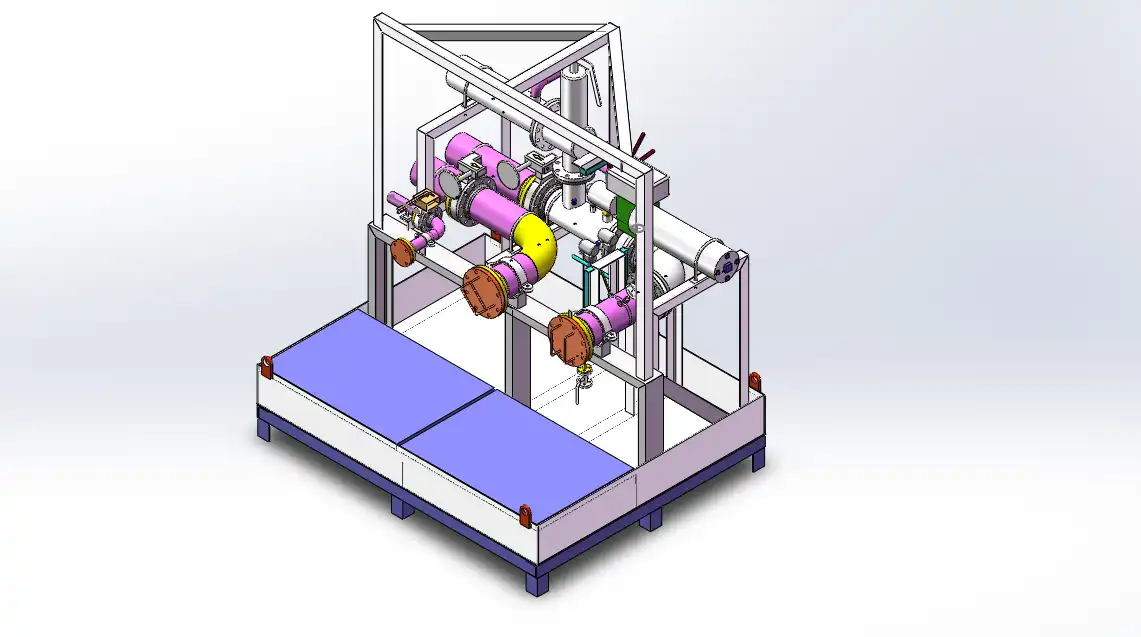
Understanding Ammonia Vapor Releases on Ships
Accidents involving ammonia vapour on ships with ammonia-based propulsion or cargo systems usually happen because of three main things: storage tank failures, pipeline damage, and mistakes made by people while bunkering or doing maintenance. The marine industry's move toward carbon-free fuels has sped up the installation of ammonia fuel supply systems on VLACs, chemical ships, and new ammonia-fueled FPSOs. This has created new safety concerns for crew members during operations.
Physical and Chemical Properties of Ammonia Vapor
Ammonia has its own risks that aren't present with other sea fuels. This gas has no colour and a strong smell that can be detected at levels as low as 5 parts per million. It can be used as an early warning sign. Anhydrous ammonia kept in naval fuel systems is a liquid when under pressure or cold, but it quickly turns into a gas when exposed to air. Since the vapour is lighter than air, it rises and gathers in high parts and spaces for air flow. When exposure levels go above 300 ppm, they immediately hurt the lungs, and when they go above 500 ppm, they can do serious damage within minutes.
How Ammonia Fuel Systems Operate on Marine Vessels
The Ammonia Fuel Systems for marine use are made up of parts that work together to handle fuel from loading to burning. Ammonia in storage tanks stays liquid by cooling it or putting pressure on it, usually at temperatures around -33°C or pressures close to 10 bar. The fuel delivery system then prepares this ammonia liquid by increasing the temperature and pressure to meet the needs of the engine injection. TSC created its own ammonia fuel supply system that combines advanced safety systems, fuel vapour units, and ventilation networks that are specially designed for use in naval environments, with infrastructure for filling and storing ammonia. Because of the technical know-how learned from building ammonia carriers and retrofitting them with LPG engines, these systems can work with both MAN and WinGD engine designs.
Integration with Alternative Marine Fuels
In hybrid naval power systems, ammonia is used more and more with systems that make hydrogen and other low-carbon fuels. Green hydrogen production tanks and structures that run on ammonia show how these technologies can be used together in the real world. The ammonia fuel supply infrastructure that TSC built can work with methanol fuel supply systems and LNG fuel supply systems. This gives fleet owners a choice of how to reduce their carbon emissions. This ability to use more than one fuel meets the needs of bulk carriers, offshore support boats, and inland river activities, all while keeping safety standards the same for all fuels.
Principles and Protocols for Safe Handling of Ammonia Vapor Releases
Layered safety measures that put crew safety, containment accuracy, and speed of discovery at the top of the list are needed for ammonia vapour incident management to work well. Modern systems for supplying ammonia fuel have technical rules and safety measures in place that work together to lower the risks of exposure.
Rapid Detection and Containment Systems
Early discovery of vapours is the most important first line of defence against ammonia exposure events. Electrochemical sensors are placed in machinery rooms, fuel storage areas, and transfer pipes in modern Ammonia Fuel System setups. These sensors keep an eye on the amount of ammonia in the air all the time and set off automatic alarms when levels higher than 25 parts per million are reached. Advanced monitoring networks connect to the ship's alarm management system and send alerts that are specific to the location of the problem, helping responders find it. The first step in containment is to use automatic emergency shutdown valves to cut off fuel to systems that aren't touched by the ammonia leak. This stops any more ammonia from escaping.
Immediate Response Actions and Evacuation Procedures
When vapour is detected, bridge officers must immediately follow standard reaction steps. The first step is to make sure that all people are accounted for and that non-essential crew are removed from damaged areas. Before going near the leak zone, members of the designated reaction team put on full chemical safety equipment. Communication rules say that the master and chief engineer must always be told about vapour amounts, wind conditions, and the progress of control. Ships with TSC ammonia fuel supply systems have built-in safety systems that organise the detection, warning, and shutdown functions. This speeds up reaction times and makes it easier to make decisions during high-stress situations.
Personal Protective Equipment Requirements
When crew members react to ammonia vapour releases, they need special protection gear that covers both the skin and the lungs. Self-contained breathing equipment is an important way to protect your lungs in places where the amount of vapour is higher than what is safe. Chemical-resistant clothes made of materials that can't be damaged by ammonia keep skin and eyes safe from the dangers of ammonia splashes. Emergency reaction boxes located near fuel system compartments must keep enough personal protective equipment (PPE) on hand for multiple people to respond at the same time. Regular training drills make sure that crew members know how to put on their gear in an emergency, especially how to properly seal the facepieces of their breathing equipment, which is what determines how well the protection works.
Ventilation and Neutralization Systems
Ventilation systems that are properly designed and built help vapours spread out faster and lower the amounts in the air to safe levels. Mechanical ventilation fans in machinery areas and storage areas keep the air moving, so even when there is a small leak, vapour doesn't build up. Modern fuel supply designs include ammonia release mitigation systems that collect released vapours and clean them through thermal oxidation or re-liquefaction. This stops the vapours from escaping into the atmosphere. Water curtain devices can neutralise ammonia vapour by spraying it with fine water mist, which turns it into an ammonium hydroxide solution that can be safely collected and thrown away. Together with procedural rules, these designed safety measures give you full control over vapour management.
Case Studies: Successful Ammonia Vapor Incident Management on Ships
Responses to incidents in the real world show how well-trained teams and well-thought-out systems can work together to handle ammonia vapour leaks without hurting anyone or causing major problems with operations.
Rapid Response Reduces Crew Exposure
In 2023, while bunkering on a VLAC, a connection plate failed, and ammonia vapour got into the cargo deck area. Within seconds, deck officers picked up on the distinctive smell and set off general alarms while starting emergency stop processes. The team followed pre-planned escape procedures, and within two minutes, the affected area was clear. Within eight minutes of the problem being found, response team members wearing SCBA cut off the fuel flow and secured the broken link. Continuous gas tracking showed that vapour concentrations never went above 50 ppm in occupied areas nearby. After ventilation and atmospheric testing, normal activities resumed. The successful result was attributed to regular involvement in drills and clear documentation of procedures.
Advanced Sensor Technology Prevents Large-Scale Release
An offshore support vessel that ran on ammonia in the North Sea had valve seals in its fuel feed system break down over time. The ship's built-in gas detection system found small amounts of ammonia near the damaged valve assembly three days before the seal would have completely failed. The engineering staff planned for an instant repair to happen during a planned port call. Under controlled conditions, the damaged seal was replaced. Early notice stopped a vapour release that could have been very bad during open-ocean operations. This shows how useful continuous tracking systems are. The accident brought to light the need to analyse repair data, which led to fleet-wide inspection efforts that found similar problems on sister ships before they broke down.
Maintaining and Optimizing Ammonia Fuel Systems for Safety and Efficiency
Systematic upkeep practices find and fix worn-out parts before they break, which stops vapour leak events from happening. Because of the unique materials and working conditions of ammonia fuel supply systems, they need checking methods that are specifically made for ammonia service.
Inspection Protocols for Critical Components
Regular checks of the inside and outside of storage tanks are needed to make sure they are safe. These checks should look for rust, stress cracks, and structural damage. Ultrasonic thickness testing finds wall thinning that makes containment less reliable, while eye checks find flaws in the coating and on the surface. Pipeline systems need to be checked for leaks at regular intervals. Helium tracer gas or pressure decay methods can be used to find small holes before they become noticeable leaks. Valve assemblies are put through practical tests that make sure they sit properly, have good seals, and respond quickly to actuators. TSC's Ammonia Fuel System has inspection entry points and tracking ports that make it easy to do these checks without having to take the whole system apart. This cuts down on maintenance time and makes inspections more thorough.
Safety Features in Modern Ammonia Fuel System Designs
Modern ammonia fuel supply systems have many safety features that work together to make sure that a single point of failure doesn't let vapour out. Continuous leak tracking in the inner space of double-walled pipes finds breaks right away, setting off isolation valves before a lot of vapour escapes. Overpressure releases are sent to holding tanks by pressure relief systems instead of directly to the atmosphere. This keeps the ammonia that is released from the tanks and treats it in a controlled way. Automated shutdown systems keep an eye on dozens of factors at the same time and stop the flow of fuel when odd conditions point to possible release scenarios. TSC's fuel supply solutions use these tried-and-true safety technologies and are based on the knowledge gained from installing 19 clean fuel supply systems. The all-around method shows a deep knowledge of how to handle ammonia properly and the harsh conditions of working in the ocean.
Safety investing in safety has practical benefits that go beyond following the rules. Unplanned shutdowns and expensive emergency fixes are less likely to happen when fuel supply systems are reliable. Better spotting of leaks keeps small problems from getting worse and needing port state action. Consistent engine performance and fuel economy are supported by well-maintained systems, which have a direct effect on the costs of running a vessel.
Procurement Insights for Ammonia Fuel Technologies
When fleet managers are looking at ammonia fuel supply system providers, they should give more weight to companies that have experience installing systems on boats and offer full support throughout the system's lifetime. The technical evaluation factors must take into account how well the system works with the way the ship is already set up, the engine manufacturer's requirements, and the requirements of the classification society. TSC has solutions that cover methanol, LNG, ammonia, and LPG fuel supply systems. These solutions offer a single point of responsibility and standard interfaces that make applications easier across the whole fleet. The company's experience building dual-fuel vessels and chemical tanker systems directly translates to its knowledge of how to use ammonia fuel. This is backed up by its active participation in zero-carbon laboratory development projects. The best total cost of ownership choices are made when original capital costs are balanced with long-term reliability, safety performance, and maintenance needs.
Addressing Challenges and Future Prospects in Ammonia Fuel System Safety
The marine industry is using ammonia propulsion more and more, which shows both problems with execution and chances to keep improving safety.
Current Challenges in Ammonia Vapor Safety Management
Crews that are switching from working with regular fuel to working with ammonia have a hard time training because the system is so complicated. The specific skills needed to handle ammonia safely go beyond what is taught in most marine engineering schools. This leaves workers with gaps in their knowledge that they must fill with extra training. As classification societies and flag states make rules specific to ammonia, regulatory frameworks continue to change. This makes compliance unclear during the system design and approval phases. Bunkering infrastructure is still not as widespread as conventional fuel, which limits operating freedom and makes it important to carefully plan trips. The global ammonia supply chain mostly serves farming markets, which means that fuel-grade ammonia production and transportation networks need to be built.
Technological Advances Improving Safety
New sensor technologies have faster reaction times and lower detection limits than older equipment. This means that action can be taken before the amount of vapour becomes dangerous. Advanced materials research has found metals and treatments that are better at working with ammonia. This makes parts last longer and break less often. Digital twin technology and prediction analytics are used in control system integration to predict repair needs and improve system performance. When Ammonia Fuel Systems and the ability to make hydrogen come together, it opens the door for hybrid power designs that balance the benefits of higher energy density with safety concerns for handling. These new technologies are being used in TSC's ongoing work to improve the ammonia fuel supply system. They are being helped by working together with engine makers and classification groups to set best practices for the industry.
Strategic Recommendations for Fleet Managers
Adopting ammonia fuel successfully needs long-term planning that takes into account technical, practical, and organisational factors at the same time. Fleet managers should set up long-term programs for crew growth that include organised training and hands-on practice to help people learn how to handle ammonia. Working with Ammonia Fuel System providers that offer full lifecycle support makes sure that you can get technical help during both normal activities and emergency scenarios. Systematic vessel selection for ammonia conversion gives priority to routes with growing bunkering infrastructure and operating profiles that work well with the energy properties of ammonia. By working together with regulatory bodies and classification groups during the planning process, you can avoid expensive changes and delays in approval.
Conclusion
Safe management of ammonia vapour release relies on integrating technical systems, teaching the crew well, and following set rules religiously. Modern ammonia fuel supply systems have many safety stages that find, contain, and reduce the amount of vapour released when there are technical problems or mistakes. As the marine industry gains more experience with ammonia power, it keeps learning new things that make operations safer and more reliable. Crew competency is still the most important human factor that decides how well an emergency reaction works, which is why ongoing training is so important for the safe use of ammonia fuel. Through the TSC name, companies like CM Energy offer tried-and-true technical solutions based on their extensive experience with marine ammonia systems. These solutions help the industry move toward carbon-free transportation while upholding the highest safety standards.
FAQ
1. What immediate actions should the crew take when ammonia vapor is detected?
When crew members smell ammonia or get sensor alerts, they must set off general alarms right away. People who aren't necessary should leave the affected compartments using known exit paths that go upwind and to lower deck levels. Before going near the source of the leak, members of the response team put on self-contained breathing equipment and chemical safety suits. The bridge team starts emergency shutdown steps to cut off the damaged fuel supply part while keeping the ship moving if it is safe to do so. Continuous tracking of the atmosphere helps make choices about re-entering a room and how well the ventilation is working.
2. What health hazards does ammonia exposure create?
At levels above 50 ppm, ammonia vapour affects the membranes that line the eyes, nose, and airways, making it hard to breathe and causing tears. When exposed to 300 ppm, breathing problems start right away, and within 30 minutes, 500 ppm levels can damage lungs permanently. When you come into contact with liquid ammonia, it quickly freezes tissues and kills cells, giving you serious chemical burns. Long-term contact with low amounts may lead to long-term breathing problems. Because of these risks, strict vapour control and quick medical care are needed after exposure events.
3. Can ammonia fuel systems integrate with hydrogen technologies?
Present-day methods for supplying ammonia often include hydrogen-making capabilities through onboard ammonia cracking units. This setup uses ammonia to move hydrogen, which has a higher energy density than either compressed or liquid hydrogen storage, and lets the hydrogen fuel cell work. The TSC ammonia fuel supply system can handle both straight ammonia combustion and hydrogen generation routes. This makes it possible to use the system in a variety of mission scenarios. Integration needs careful thermal control and regular upkeep of the catalyst, but it has the ability to cut emissions by a lot.
Partner with CM Energy for Advanced Ammonia Fuel System Solutions
Through our TSC brand, CM Energy offers proven experience in ammonia fuel supply systems. This is made possible by mixing deep knowledge of marine engineering with cutting-edge safety technologies. Our self-made Ammonia Fuel System is based on what we've learned from building ammonia carriers, working on LPG upgrade projects, and working with others in zero-carbon labs. We offer full lifecycle support for VLACs, chemical tankers, bulk carriers, and new types of green vessels. This includes designing, making, installing, commissioning, and continued upkeep. As a reliable company that makes Ammonia Fuel Systems, our products work well with both MAN and WinGD propulsion systems and meet IMO and classification society standards. For more information on how to decarbonise your fleet and to set up a full Ammonia Fuel System review that fits your needs, please email our team at info.cn@cm-energy.com.
References
1. International Maritime Organization. (2021). "Interim Guidelines for the Safety of Ships Using Methyl/Ethyl Alcohol as Fuel." MSC.1/Circ.1621, London.
2. Cardoso, J.S., Silva, V., Rocha, L.A., Hall, M.J., Costa, M., & Eusébio, D. (2023). "Ammonia as an Energy Vector: Current and Future Prospects for Low-Carbon Fuel Applications in Internal Combustion Engines." Journal of Cleaner Production, 414, 137530.
3. Lloyd's Register. (2022). "Ammonia as a Marine Fuel: Safety Handbook for Owners and Operators." London: Lloyd's Register Group Limited.
4. Hwang, S., Jeong, B., Jung, K., Kim, M., & Zhou, P. (2023). "Life Cycle Assessment of Ammonia Fuel Production Pathways and Their Environmental Impacts." International Journal of Hydrogen Energy, 48(9), 3578-3594.
5. DNV GL. (2022). "Assessment of Selected Alternative Fuels and Technologies: Technical Report 2022-0039." Høvik: Det Norske Veritas Group AS.
6. Ash, N. & Scarbrough, T. (2021). "Sailing on Solar: Could Green Ammonia Decarbonise International Shipping?" Environmental Defense Fund, London.