Key Benefits of Ammonia Fuel System for Green Shipping
The marine industry is at a turning point where the need to reduce carbon emissions meets new fuel options. The Ammonia Fuel System technology is a revolutionary way to make sea transportation carbon-neutral while still keeping operations running smoothly. These advanced systems have many benefits, such as lowering emissions significantly, making operations more efficient, and making sure that ships follow changing international marine rules. Modern ammonia-based propulsion solves important problems in the industry by using strict safety rules, being reliable, and being able to work with a wide range of vessel types, from VLACs to offshore support vessels. This sets maritime operators up for long-term success in a regulatory environment that is always changing.
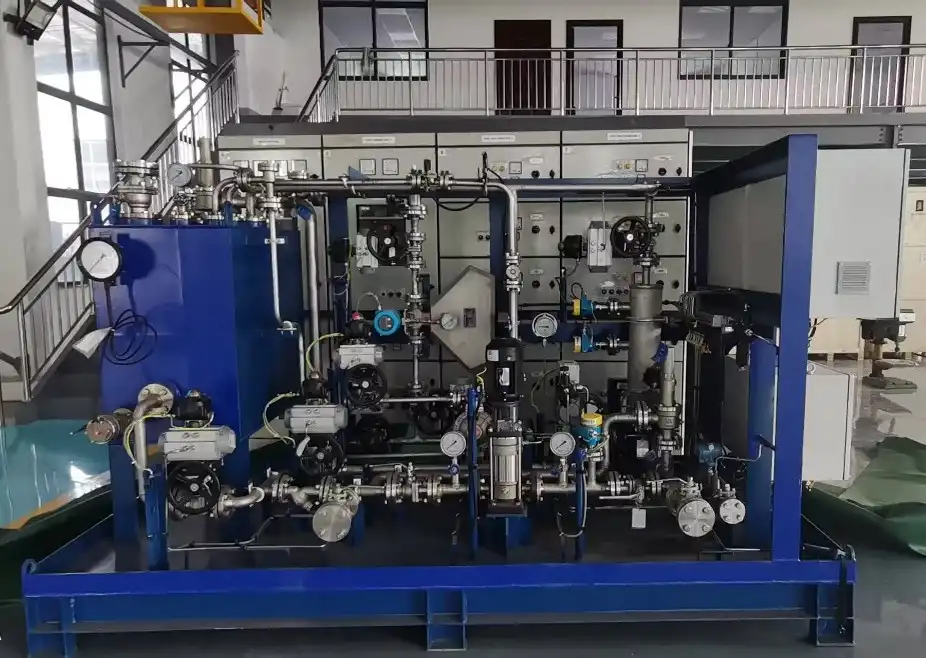
Understanding Ammonia Fuel Systems in Green Shipping
Revolutionary Technology for Marine Decarbonization
Ammonia fuel systems are a big change in the way boats move. They use pure ammonia instead of standard marine fuels, which doesn't contain carbon. Specialized parts made for ammonia's special qualities are used in these complex systems to control the whole fuel cycle, from bunkering to engine supply. The technology uses the high energy density of ammonia and uses clever engineering methods to make sure it is safe.
The basic structure is made up of subsystems that work together. These subsystems include systems for filling and storing, Ammonia Fuel Supply Systems (AFSS), Fuel Valve Units (FVU), full vent systems, and improved safety procedures. Each part works with the others to make sure that fuel delivery is safe and efficient in a variety of maritime working situations. TSC made these systems by using a lot of knowledge they've learned from building and fixing up ammonia shipping vessels, showing that they are experts in real-world situations.
Components and Operational Framework
Modern methods for using ammonia as a fuel have many specialized parts that work together to handle the unique properties of ammonia as a naval fuel. The AFSS controls the precise flow of fuel, while the storage system keeps the right temperature and pressure. Ventilation systems make sure that dangerous places get enough air flow, and inert gas systems keep explosions from happening by managing the atmosphere in a controlled way.
Safety is still the most important thing in system design, and there are multiple backups built into every part of how it works. Leak detection systems keep an eye on things all the time, and emergency stop features make sure that any strange situations are dealt with right away. The IMO rules and industry standards are followed by these systems, which gives users faith in their safety and compliance with the rules.
Comparative Analysis: Ammonia Fuel System vs Other Marine Fuel Technologies
Energy Density and Emission Performance
Compared to other marine fuels, ammonia fuel systems are better for the environment because they don't release any carbon when they burn. In contrast to hydrogen systems, which need complicated ways to store them, ammonia stays liquid at low pressures, which makes it easier to store and handle. The energy efficiency of ammonia is much higher than that of battery-powered solutions, and it can be used over a longer range.
Unlike LNG systems, ammonia systems don't worry about methane leaks and really have zero-carbon operations. Due to its stability in normal marine conditions, the fuel makes the complicated cryogenic storing needs of hydrogen uses easier to handle. This stability means that infrastructure is less complicated and running costs are lower for maritime companies.
Infrastructure and Operational Considerations
The infrastructure needs for ammonia fuel systems are more in line with current rules for handling naval fuel than those for other technologies. Bunkering methods can be taken from how liquid fuel is currently handled, which makes it easier for marine workers to learn. Designs for storage tanks use tried-and-true pressure vessel technology, which means that they don't need as much in the way of specialized infrastructure investments.
In this case, operational freedom is very helpful, since ammonia systems can work with different engine setups and power needs. The technology can be used for both retrofitting old ships and building new ones. This gives fleet owners a lot of options when it comes to how they reduce carbon emissions. Maintenance routines build on well-known methods while adding safety measures specific to ammonia.
Core Benefits of Ammonia Fuel Systems for Green Shipping
Environmental Impact and Regulatory Compliance
Implementing the Ammonia Fuel System has big and instant benefits for the environment because it completely eliminates carbon emissions during operation. This profile has no carbon emissions and is in line with the IMO's goals to reduce climate gases by 2030 and 2050. This puts operators ahead of changing government rules. SOx emissions are eliminated when sulfur molecules are not present, and NOx production is kept at a safe level by nitrogen oxide management systems.
With ammonia systems, it's easy to follow the rules because the fuel meets new international standards for alternative marine fuels. Early adoption gives you a competitive edge as port officials show more and more love for zero-emission ships by giving them special treatment and lower fees. Clear emissions tracking makes it easier to report on the environment, which helps companies reach their environmental goals.
Operational Excellence and Performance
There are operational benefits beyond environmental concerns, such as better vessel performance qualities. The high energy density of ammonia makes it possible for ships to go farther without having to stop often to refuel. This makes operations more efficient and reduces the complexity of logistics. The fuel is stable, which makes it easier to store than volatile options. It also keeps working well in a wide range of circumstances.
Reliable fuel supply systems that keep things simple mechanically while increasing operational availability help fleet downtime. Ammonia technology can be used on a wide range of vessels and for a wide range of purposes, from big crude ships to specialized offshore support vessels. Because of this, fleet-wide execution methods can be used to get the best results for both the economy and the environment.
Economic Advantages and Long-term Value
There are many ways that the economy benefits, such as lower running costs and better compliance with regulations. Improvements to fuel economy cut down on total energy use while increasing the distances that can be flown before refueling is needed. Maintenance needs are still doable thanks to tried-and-true component technologies and well-established service procedures.
Protecting investments means using technology that is ready for the future and can adapt to changes in regulations and the market. More and more renewable ammonia production is making fuel supply lines more stable while competitive price structures form. It's good for fleet owners when the values of their ships go up because environmental performance is becoming more important in marine markets.
Practical Procurement Considerations for B2B Clients
Supplier Selection and Technical Specifications
The procurement of an Ammonia Fuel System must be done with great care, with a focus on the supplier's knowledge with marine uses and their ability to provide full support. CM Energy's TSC section has a lot of experience thanks to 19 successful clean fuel system deliveries, which show they know how to set up an ammonia system. The company's experience building ammonia transport vessels gives them a unique understanding of how things should work and how to keep everyone safe.
The technical specs should include information about the needs of the particular vessel, like how much power it needs, how much it can store, and how it can work with other systems. When it comes to engine compatibility, MAN and WinGD setups are different, so custom solutions are needed to get the best results from each propulsion system. The requirements for safety approval must be in line with flag state laws and classification society guidelines.
Integration and Installation Planning
Installation planning includes both new building and repair situations, and each has its own challenges and chances. For retrofit setups to work, the current infrastructure needs to be carefully looked at to see what changes need to be made to make room for the ammonia system components. When a new vessel is built, it can be integrated more efficiently, but early planning teamwork is needed to get the most out of the system.
Project schedules need to take into account how long it takes to get governmental approvals, how long it takes to make parts, and how hard it is to put everything. The modular design method makes installation faster and safer by using premade system parts that cut down on time spent in the shipyard. Comprehensive testing and launching procedures make sure that the system is reliable before it is put into use.
Financial Planning and Cost Structures
When looking at investments, you should think about the total cost of ownership, which includes the original system costs, installation costs, daily saves, and rewards for following the rules. There are different ways to buy things that work with different budgets. For example, you can buy something directly or lease something and pay for it over time. For specialized uses or unique vessel shapes, it may be necessary to create a custom solution.
When planning finances, it's important to think about how much fuel will cost, how much upkeep will cost, and whether there are any regulatory benefits that could make the project more profitable. The growing infrastructure for ammonia fuel makes long-term costs more predictable, and the maturity of technology lowers the risks of application. Some benefits of being an early adopter may include better prices and more technical help as the market grows.
Future Outlook and Industry Trends in Ammonia-Fueled Shipping
Technological Advancements and Innovation
The ammonia fuel system industry is always changing as new technologies come out that make it safer, more efficient, and easier to use. Modern fuel cell designs make the best use of ammonia, and digital preventative repair systems keep operations running as smoothly as possible. These changes make it easier to apply and support wider use in a wider range of maritime uses.
The main goal of research and development is to make systems more efficient and lower their running costs by optimizing parts and making processes better. Collaborative industry projects speed up the development of new technologies and set standards for how they should be used, which makes them easier for a lot of people to use. TSC works on zero-carbon lab projects that help scientists learn more about how ammonia fuel can be used.
Market Growth and Regulatory Evolution
Market growth predictions show that the use of ammonia fuel systems will grow a lot. This is because of environmental concerns and government rules. International marine groups are still working on models that make it easier for alternative fuels to be used while still upholding safety standards. Investing in port facilities makes it possible for ammonia fuel to be available around the world.
Fuel producers, technology providers, and shipping companies can work together to speed up market growth while sharing the risks of implementation. Early learner programs give companies hands-on experience that helps improve technology and set best practices that the rest of the industry can use. Pressure from regulators and mature technology working together makes it easier for the market to grow quickly.
Strategic Investment Opportunities
Early adoption tactics help fleet companies stay ahead of the competition while also making technology better. Pilot projects give businesses useful operating experience and show customers and partners that they care about the environment. By forming partnerships with companies that provide technology and fuel, adoption can be sped up while costs and risks of development are shared.
Demonstrating environmental performance and operational dependability helps a company's place in the market. When fleet managers invest early in ammonia technology, they become market leaders and build knowledge that helps them plan for growth. As rules about the environment get stricter and people start to prefer more environmentally friendly ways to get around, the first-mover edge becomes more important.
Conclusion
The Ammonia Fuel System technology is a revolutionary way to reduce carbon emissions in the marine sector. It has many benefits that help with practical, economic, and environmental goals. These high-tech systems produce no carbon emissions and meet the standards for dependability and efficiency needed for business maritime activities. The technology's ability to work with different types of ships, from VLACs to offshore support boats, shows how flexible and expandable it is. With their reliable suppliers and growing infrastructure support, ammonia fuel systems make it easy to run long-term shipping businesses that meet changing regulations and offer long-term operating value.
FAQ
1. How does ammonia fuel safety compare to traditional marine fuels?
Advanced safety measures are built into ammonia fuel systems, such as double-walled pipes, constant leak tracking, and the ability to shut down in an emergency. Because ammonia is so dangerous, it needs to be handled in a certain way. However, these systems have many safety features that often go beyond what is found in regular fuel systems. With the right training and care, activities will be as safe as with other alternative marine fuels.
2. What maintenance protocols are required for ammonia fuel systems?
Safety systems, tools for finding leaks, and parts that handle fuel must be inspected regularly as part of maintenance. Specialized processes take into account things that are unique to ammonia, like making sure that materials are compatible and maintaining neutral gas systems. The difficulty of upkeep can still be handled with established procedures and full expert help from reputable providers such as CM Energy's TSC section.
3. Can existing vessels be retrofitted with ammonia fuel systems?
How possible a retrofit is depends on how the vessel is built and how much room is available for installing the system. Careful engineering and modular system designs have made it possible for many current vessels to fit Ammonia Fuel System setups. To make sure the process works, it needs to be carefully looked at in terms of structure needs, following the rules, and integrating with current power systems.
Partner with CM Energy for Advanced Ammonia Fuel System Solutions
The TSC branch of CM Energy is ready to help your fleet switch to environmentally friendly fuels by offering complete Ammonia Fuel System solutions. Our proven skills include designing, making, installing, and providing ongoing support services that are suited to your unique operational needs. We have successfully installed 19 clean fuel systems and have built a lot of ammonia transport vessels, so we have the technical knowledge and hands-on experience you need for a successful application. Our team knows the specific problems that each type of vessel, from VLACs to offshore support vessels, faces and comes up with custom solutions that improve performance while keeping safety and following the rules. Get in touch with our engineering team at info.cn@cm-energy.com to find out how our experience as an ammonia fuel system provider can help you reach your sustainable shipping goals faster by using new, dependable technology.
References
1. International Maritime Organization. "Guidelines for Ships Using Fuel Cells and Other Low-flashpoint Fuels." Marine Environment Protection Committee, 2023.
2. Maritime and Coastguard Agency. "Alternative Fuel Safety Assessment Framework for Commercial Vessels." Department for Transport, 2023.
3. Lloyd's Register. "Ammonia as a Marine Fuel: Technical and Regulatory Developments." Classification Society Guidelines, 2024.
4. International Association of Classification Societies. "Requirements for Ammonia-Fueled Ship Design and Operation." Technical Standards Committee, 2023.
5. Global Maritime Forum. "Decarbonization Pathways for International Shipping: Alternative Fuel Assessment." Sustainable Shipping Initiative, 2024.
6. American Bureau of Shipping. "Ammonia-Fueled Vessels: Design and Safety Considerations for Commercial Applications." Marine Technology Division, 2023.