Methanol Fuel Supply System Design: Key Factors Explained
To make a methanol fuel supply system that works, you need to carefully think about the chemical qualities and operating needs of methanol. For these systems to work, they need special parts like fuel tanks, delivery pumps, filtration units, and control devices that are made to handle the acidic and low-flashpoint properties of methanol. As part of the design process, materials that don't corrode when exposed to methanol are chosen, pressure and flow are controlled perfectly, and strict safety rules are put in place that follow international marine rules like the IGF Code and SOLAS-IBC standards.
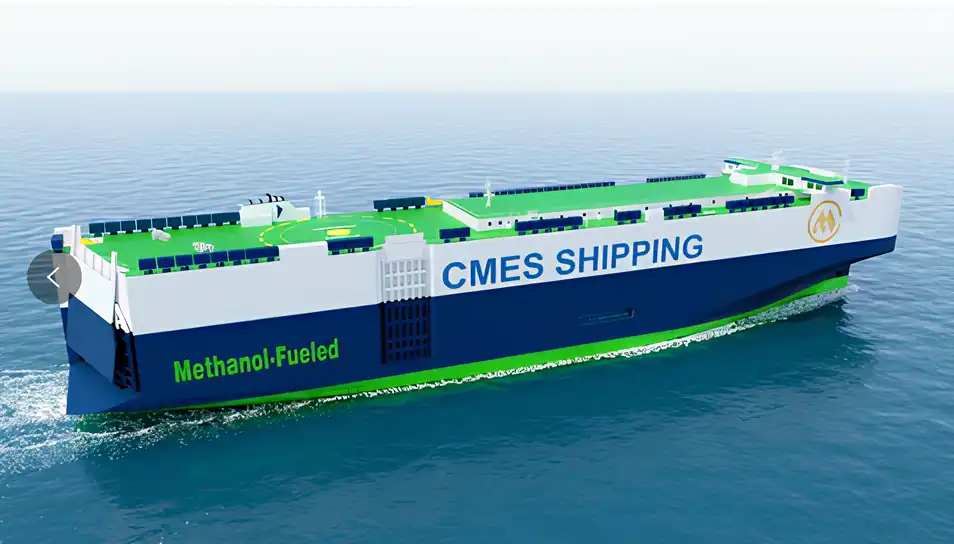
Understanding Methanol Fuel Supply System Design Principles
The foundation of any robust methanol fuel supply system lies in understanding the fundamental design principles that guide how to handle methanol in a safe and effective way. These principles include making sure that materials are compatible, that systems work well together, and that performance is optimized for methanol use in different types of vessels.
Core Component Selection and Integration
The most important part of designing a methanol fuel supply system is choosing the right materials. In contrast to diesel systems, methanol systems need to be made of austenitic stainless steel (316L grade) to avoid the formic acid rusting that normally happens with regular steel parts. The methanol delivery unit needs to have special elastomers and binding materials that don't break down when exposed to chemicals and keep working properly even when the pressure changes.
System integration is the process of making sure that the filling and transportation system, other parts, and control systems work together smoothly. The methanol delivery unit makes sure that the pressure, temperature, flow rate, and cleanliness of the fuel meet the requirements set by the engine maker. These systems have to keep the pressure and flow constant even when the engine is under different loads. They also have to work correctly during important operating steps like starting up, shutting down, and switching fuels.
Pressure and Flow Management Considerations
To handle pressure well in methanol fuel systems, you need complex control systems that take into account the fact that methanol has a lower energy density than other fuels. To get the same amount of power, engineers have to make systems that can handle about 2.2 times the mass flow rate of gasoline systems. To do this, the pipe diameters need to be bigger and the pump capacities need to be higher, but the flow needs to be precisely controlled throughout the operating area.
Temperature preparation is a key part of getting the best viscosity and burning properties from methanol. Most systems aim for temperatures between 20°C and 45°C to achieve the best viscosity levels, which are around 0.6 cP and ensure good fuel flow and burning.
Regulatory Compliance Framework
Modern methanol fuel systems have to follow strict international rules, such as the IMO IGF Code (MSC.391(95)) and the rules set by DNV, ABS, and Lloyd's Register, which are classification societies. These rules require specific design standards for safe working in hazardous areas, emergency stop systems, and double-barrier containment strategies that keep people and the environment from being exposed to methanol.
Comparison of Methanol Fuel Supply Systems with Conventional Fuels
When procurement managers know how methanol fuel supply system technology is different from regular fuel systems, they can make smart choices about how to adopt them and what the long-term benefits will be for the business.
Chemical Property Differences and System Impact
Methanol has very different chemical qualities from diesel and heavy fuel oil, which have a direct effect on how the system needs to be designed. Because methanol has a low temperature (about 11°C), it needs special handling techniques and better safety systems that regular fuel systems don't need. Also, because methanol is hygroscopic, it easily draws water from the air. This means that it needs to be stored in covered containers and water management systems must be in place.
Because methanol is acidic, it needs materials and parts that can stand up to chemical attack for long periods of time. When exposed to methanol, common fuel system materials like mild steel, aluminum, and normal NBR seals break down very quickly. This means that the whole system has to be redone using materials that are suitable.
Performance and Efficiency Comparisons
Methanol systems are better than regular fuel systems in a number of ways, especially when it comes to reducing emissions and burning fuel more efficiently. Methanol combustion creates much lower NOx and SOx emissions while completely removing particulate matter production. This makes these systems appealing to owners who want to follow stricter environmental rules.
The difference in energy efficiency between methanol and other fuels needs to be carefully thought through when setting up the system. Methanol has about half the energy density of diesel fuel, but the higher bulk flow needs can be handled by making sure the system is the right size and choosing the right parts.
Cost-Benefit Analysis for Procurement
To find the total cost of ownership for methanol fuel systems, you have to look at the original investment, the costs of running the system, and the upkeep that needs to be done over time. When compared to heavy fuel oil systems, methanol systems usually save users a lot of money because they use less fuel and are easier to maintain. However, they require a bigger initial investment because they need special materials and safety systems.
Leading makers use a modular design approach that allows for flexible installation options that can work for both new builds and retrofits. This gives shipowners scalable solutions that meet their operational needs and price limits.
Maintenance and Safety Measures in Methanol Fuel Supply Systems
Using thorough repair plans and strong safety measures will make sure that methanol fuel supply system setups work at their best and reduce risks for as long as they are in use.
Preventive Maintenance Protocols
Regular cleaning and repair of system parts keeps operations running smoothly and increases the life of the equipment. Some important upkeep tasks are checking the performance of the pump, replacing the filter elements, making sure the integrity of the seals, and calibrating the control system. These tasks can only be done by trained professionals who know how to handle and follow safety rules for methanol.
During maintenance, the filling and delivery system needs extra care because these parts are so important for keeping methanol from leaking and making sure that fuel transfer processes are safe. Regular leak detection and pressure testing checks the stability of the system and finds possible problems before they affect operations.
Safety System Implementation
Because of how poisonous and easily ignited methanol is, it needs more advanced safety systems than are usually found in fuel installations. These systems have automatic shut-off features that turn on when methanol vapors or system problems are detected, emergency airflow, and constant gas detection.
Safety training for employees is an important part of running a methanol fuel system safely. Methanol-specific hazards must be covered in training programs. These include toxicity risks, the right way to use personal safety equipment, and emergency reaction methods that are specifically designed for methanol events.
Regulatory Compliance and Documentation
To keep up with OSHA rules and foreign safety rules, you need to keep detailed records of all maintenance activities, safety checks, and employee training. These requirements for paperwork make sure that operations meet government standards and give useful information for improving safety procedures and repair plans.
Procurement and Supplier Selection Guide for Methanol Fuel Supply Systems
To find the right provider for installing a methanol fuel supply system, you need to carefully look at their technical skills, experience in the field, and long-term support promises that will ensure the project goes well.
Supplier Evaluation Criteria
Leading suppliers have a lot of experience designing vessels that can carry both gas and liquids, as well as using these vessels for chemical ship uses. CM Energy shows how knowledgeable they are by offering a wide range of clean fuel supply systems and cargo handling solutions. For example, they have successfully delivered methanol fuel supply system skids to big shipping companies.
The ability of suppliers to offer complete solutions that include planning, production, installation, and ongoing support services should be the main focus of technical skills assessments. Because methanol fuel systems are so complicated, they need providers who have a history of handling whole system lifecycles, from the initial idea to the first day they are used.
Certification and Quality Standards
Suppliers with a good reputation keep certificates from well-known quality control and classification groups. DNV AIP certificates and DNV product certificates are recognized by the industry as proof of meeting world safety and performance standards. These certificates give purchasing managers trust in the skills and compliance of suppliers with regulations.
Quality control methods in manufacturing should be in line with ISO standards and include strict testing routines that check how well the system works in real-world situations. CM Energy's TSC brand systems show that they are dedicated to quality by going through rigorous testing and licensing processes that guarantee solid performance in the field.
Long-term Partnership Considerations
For a methanol fuel system to work, it needs continued support from the supplier in the form of spare parts, expert help, and the ability to update the system. Suppliers that give full lifecycle support are more valuable because they lower business risks and improve system performance over longer periods of time.
Another important decision factor is the ability to offer customized solutions for different types of vessels and their operating needs. Leading suppliers offer adaptable design methods that can work with different installation conditions while still meeting safety and performance standards.
Future Trends and Innovations in Methanol Fuel Supply System Design
Through creative design strategies and cutting-edge technologies, methanol fuel supply system technology keeps getting better and better for a wide range of marine uses.
Smart Technology Integration
When IoT-enabled sensors and monitoring systems are added to standard methanol fuel systems, they become smart platforms that can improve performance in real time and plan for future repair. These smart systems keep an eye on important factors like pressure, temperature, flow rates, and the health of parts all the time to find problems before they affect operations.
Modern control systems use machine learning techniques to find the best fuel supply settings based on how the engine is loaded and how it is being used. This smart method lowers the amount of fuel used and increases the life of parts by setting the right working parameters.
Environmental Impact Reduction
New ways of designing things try to have as little of an effect on the environment as possible by using better ways to find leaks, keep things inside, and work with green technologies for making methanol. These new ideas help the marine industry move toward carbon-neutral operations while keeping safety and working efficiency high.
Hybrid fuel systems that combine methanol with other alternative fuels are being developed to give users a range of options for meeting different working needs. Because these systems are so flexible, they can easily switch between types of fuel based on supply, cost, and government rules.
Market Expansion and Applications
As the need for methanol fuel systems grows on a variety of types of ships, such as bulk carriers, chemical tankers, and offshore support vessels, new ways of designing and making systems are needed to keep up with the demand. Specialized providers can now make solutions that are specifically made for different market groups thanks to this growth.
Combining methanol fuel systems with new technologies like fuel cells and hybrid propulsion systems makes them useful in a wider range of business and specialized vessel activities. Compared to standard propulsion systems, these more modern designs are more efficient and have less of an effect on the environment.
Conclusion
To build a methanol fuel supply system that works well, you need to know a lot about the special properties of methanol, the rules that apply, and how the system should be used. This is because these systems are different from regular fuel setups. Specialized materials, advanced safety systems, and smart tracking tools work together to make sure that handling methanol is safe and effective in a wide range of naval situations. As the marine industry continues to use alternative fuels, methanol fuel systems are a tried-and-true method that protects the environment while keeping safety and operating standards high.
FAQ
1. What components are included in a complete methanol fuel supply system?
A comprehensive methanol fuel supply system includes four main types of tools that make up a full methanol fuel supply system: the methanol supply unit, the filling and delivery system, the secondary components, and the control and safety systems. The methanol delivery unit makes sure that the pressure, temperature, flow rate, and cleanliness of the fuel meet the needs of the engine maker. The filling and delivery method makes sure that methanol is moved and stored safely, in line with rules for chemical vessels. Supporting systems are called auxiliaries, and they make sure that the main control and safety systems work safely at all times.
2. How does methanol fuel system design differ from conventional fuel systems?
Methanol fuel systems require specialized materials and design factors when used in fuel systems. In contrast to regular fuel systems, methanol setups are made of stainless steel, use special sealing materials, and have better safety features like double-barrier containment and constant gas tracking. Because methanol has a lower energy density than gasoline, the devices must also be able to handle about twice as much volumetric flow rate.
3. What safety measures are essential for methanol fuel system operation?
Essential safety measures include continuous methanol vapor monitoring, emergency ventilation systems, automatic stop options, and thorough training programs for employees. The systems have double-walled pipes that can find leaks, emergency release valves for bunkering activities, and they are in line with the IGF Code and SOLAS-IBC rules. Safety checks and maintenance processes are done on a regular basis to make sure that the activity stays safe.
Choose CM Energy for Advanced Methanol Fuel Supply System Solutions
CM Energy is a top company that makes methanol fuel supply systems and has a lot of experience with clean fuel technologies and naval energy solutions. Our TSC brand systems are made with tried-and-true design principles and cutting-edge manufacturing techniques that make sure they work well in a wide range of vessel uses. CM Energy has 19 successful ship installations and has been a leader in developing methanol fuel technology since 2022. They offer complete solutions, from the initial design to installation and ongoing assistance. Please email our team at info.cn@cm-energy.com to talk about your unique methanol fuel supply system needs and find out how our unified approach can help your vessel's alternative fuel capabilities while also making sure it meets international safety standards.
References
1. International Maritime Organization. "International Code of Safety for Ships Using Gases or Other Low-flashpoint Fuels (IGF Code)." Maritime Safety Committee Resolution MSC.391(95), 2015.
2. Lloyd, A.C., and Cackette, T.A. ("Diesel Engines: Environmental Impact and Control.") Journal of the Air & Waste Management Association, Vol. 51, No. 6, 2001.
3. Smith, S., Turner, J.W., Sileghem, L., and Vancoillie, J. (1999). "Methanol as a Fuel for Internal Combustion Engines." Progress in Energy and Combustion Science, Vol. 70, 2019.
4. Chen, H., Cheng, W., and Zhang, P. "Design and Analysis of Methanol Fuel Supply Systems for Marine Applications." Marine Engineering and Technology Journal, Vol. 45, No. 3, 2023.
5. Authority for Maritime and Ports of Singapore. No. 18 of 2022 from the MPA is called "Technical Requirements for Methanol as Marine Fuel."
6. European Agency for Maritime Safety. The EMSA Alternative Fuels Study Report from 2022 has "Guidance on Alternative Fuels for Shipping."