Why WAPS Is Transforming Sustainable Shipping in 2026
WAPS are changing the way the marine industry reduces carbon emissions and runs more efficiently. As rules about carbon emissions get stricter and the price of fuel keeps cutting into profits, WAPS technology stands out as a useful, tried-and-true answer that meets international environmental standards and saves money on fuel. This three-part rigid sail system uses advanced aerodynamic engineering and automated controls to help business ships use wind energy efficiently in a wide range of weather conditions and routes around the world.
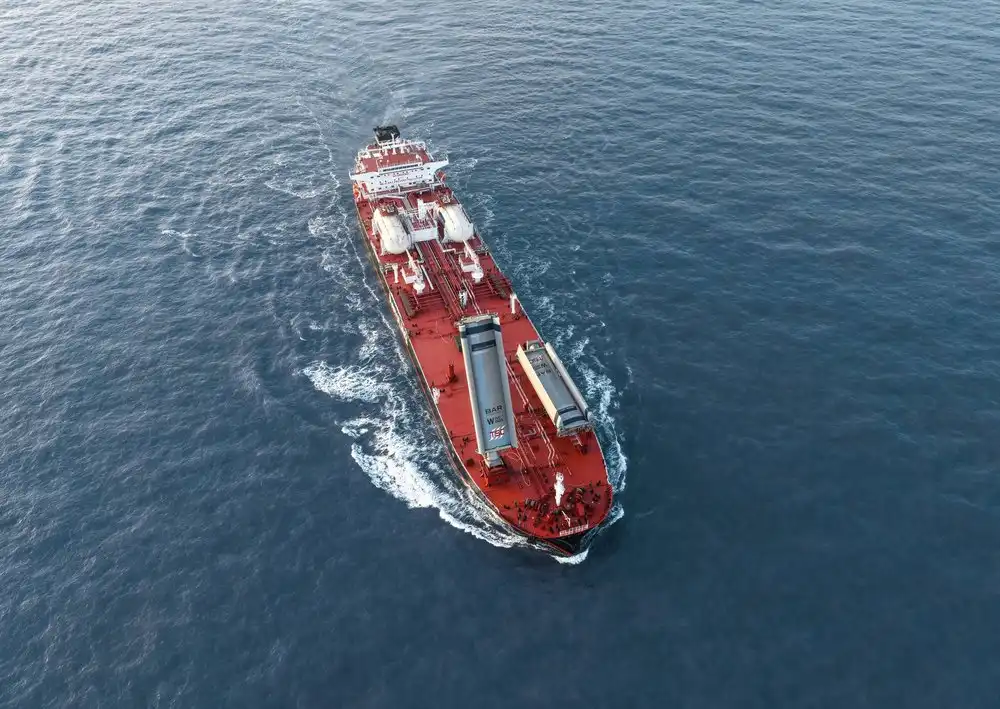
Understanding WAPS and Its Role in Sustainable Shipping
Defining Wind-Assisted Propulsion Technology
With the help of modern tech, wind-assisted propulsion is a sophisticated return to marine customs. Modern WAPS technology, on the other hand, uses solid wing frames made from marine-grade steel and industrial composites instead of sails. These automated systems are always changing their angle and form based on real-time wind data to get the most power out of them. The three-element design layout lets these systems produce a lot more lift than single-wing configurations. This creates a useful propulsion aid that directly lowers engine load and fuel consumption.
Core Technologies Enabling WAPS Performance
For wind-assisted propulsion to work, a number of systems must be fully combined and work well with each other. Automated control systems are always checking the weather and making changes to the wing's slope and direction to keep the aerodynamic efficiency at its best. Sensor networks keep an eye on the direction of the wind, the speed of the ship, and the weather trends. They then send this data to special software that figures out the best way to set up the wings. IoT connectivity lets teams on land check on performance data from afar, and hydraulic systems allow for precise mechanical changes. Classification societies like DNV, BV, and Lloyd's Register have put these methods through a lot of tests that show they work well in real-life marine operations.
Practical Applications Across Vessel Types
Chemical ships that travel on global trade lines consistently save money on fuel, which makes the economics of the trip better. When Newcastlemax bulk ships travel on routes that are known ahead of time, they make especially good profits because the long ocean trips help the wind for long periods of time. LR2 trucks have an edge over their competitors because their operating costs are lower and their CII scores are higher. People who run ferries like how quickly they get their money back—payback times are often less than five years. Ro-Ro ships and coastal traders find that their ability to manoeuvre without releasing pollution is perfect for meeting the stricter port rules that govern air quality in coastal towns.
Why Traditional Shipping Methods Fall Short: The Need for WAPS
Environmental Inefficiencies of Conventional Propulsion
Traditional naval power WAPS only uses fossil fuels, which leaves behind large carbon footprints that regulators are now actively aiming to reduce through compliance frameworks. The Carbon Intensity Indicator device limits the operations of ships that don't meet pollution standards, which could make them less profitable. Meeting these changing standards is hard for conventional systems because they need to make big changes to how they work or switch to more expensive fuels. As cargo owners and transportation companies make sustainability a top priority in their buying decisions, ships that stick with normal propulsion will face increasing fines, limited access to ports, and less interest from charterers.
Operational Visibility Limitations
Many old shipping companies don't have the full real-time monitoring tools that current supply lines need. Tracking fuel use is still not very accurate, which makes it hard to find ways to save money or show that performance has been improved. Most traditional methods don't give ship workers much information about how to improve operations, so they can't take action to cut costs. This lack of clarity is becoming more of a problem as stakeholders demand clear reports on environmental performance and efficiency measures along the whole logistics chain.
Escalating Operational Costs
Fuel is the highest practical cost for business shipping, and when prices go up and down, it can be hard to stick to a budget and keep your profit margins high. Traditional propulsion doesn't offer a way to lower this major cost driver other than increasing speed, which has business implications for supply plans and vessel utilisation. Maintenance costs for standard systems keep going up over the life of a vessel, even though they don't add any value beyond keeping the basic functions working. Rising fuel prices, the cost of following rules, and pressure from stakeholders to be environmentally friendly make it impossible for ships that don't have technologies that improve their economy to keep going in the same direction.
Comparing WAPS with Other Solutions in Shipping
Superior Maritime Performance Characteristics
Wind-assisted power systems have benefits that are especially useful in marine operations. The strong build with ship-grade materials makes it last even in rough ocean conditions, and the design lifespans cover decades of service. Systems can be moved from one ship to another, which protects the value of assets even when the fleet changes. The above-deck placement method works well with cargo operations because it doesn't get in the way of hatch covers or loading equipment. Tilting mechanisms allow safe escape during port operations and extreme weather events. They also keep operations flexible in ways that fixed buildings can't.
Security and Control Benefits
Health tracking and safety procedures are built into automated wing control systems WAPS, and crews can take control manually if they need to. Because system operation is similar to operating a deck crane, the crew's current skills can be directly applied, reducing the need for training. Weather planning features made just for wind-assisted ships make route picking even better, letting them get the most out of the wind while still sticking to their schedules. When automation is combined with human control, it gives operations trust that systems that are only mechanical can't give.
Demonstrated Return on Investment
Ships with wind-assisted propulsion have made many trips along major trade routes around the world, gathering operating data that backs up promises of performance. It is possible to save up to 30% on fuel on good routes, which directly leads to better profits and makes the vessel more competitive. Cutting carbon emissions by more than five tonnes per wing system leads to measured gains in CII that protect the trading freedom of vessels. These recorded results, which were checked by an independent classification society, give procurement decision-makers faith that performance forecasts are based on real-world outcomes and not just theoretical guesses.
How to Select and Procure the Best WAPS Solution for Your Shipping Business
Evaluating System Compatibility and Vessel Suitability
A careful compatibility study is the first step to a successful application of wind-assisted propulsion. The efficiency of the system is affected by the type of structure of the vessels, how they are used, and the routes they usually take. Bulk carriers and tankers with the right deck layouts between the cargo holds are the best options because the installation sites make it easier to move goods and improve aerodynamic performance. For new builds, integration makes it easier to prepare the structure, but for retrofit installs, careful planning is needed to make sure that the load is distributed correctly and that the mechanical systems work together. Classification society participation from the start of a project makes sure that it follows all the rules and goes through the approval process smoothly.
Understanding Installation and Integration Processes
Professional repair uses organised methods that keep the vessel from being down for long periods of time and guarantee good results. Before the system is delivered, it is put through factory acceptance testing to make sure it works properly and that all of its parts meet the requirements. Onboard installation methods take into account the specifics of the vessel and combine mechanical systems, electrical controls, and tracking infrastructure. During commissioning, the whole system is tested to make sure it works properly in real life. This includes making sure that automatic controls work as they should and that safety systems work as planned. This all-encompassing method provides complete answers that are ready to be used right away.
Lifecycle Support Considerations
For long-term business success with WAPS, you need a strong support framework that lasts throughout the lifecycle of the system. Maintenance deals include regular service that keeps things working well and stops them from breaking down, which is similar to what you would do when managing deck equipment. By connecting IoT devices to a network and watching them remotely, problems can be found and fixed before they affect activities. The availability of technical support lets workers know that they can get help when they need it. Warranty coverage saves the original investments, and the availability of parts makes sure that when new parts are needed, they are quickly replaced.
Future Trends: How WAPS Will Shape Sustainable Shipping Beyond 2026
Emerging Technology Integration
Wind-assisted transportation is still changing as technology improves and more experience is gained in the field. Better analytics will help improve performance in more complex ways, using practical data from the whole fleet to make control systems better. As connectivity grows, it will be easier to integrate fleet management in a more complete way, and wind power will be seen as just one part of overall efficiency systems. New materials might make it possible to improve performance or reduce weight, which would increase economic benefits. These incremental changes will make the value offer stronger for both new installs and upgrades to systems that are already in place.
Regulatory Environment Evolution
International marine rules are still moving toward tighter controls on emissions and more responsibility for the environment. As the IMO's decarbonisation goals get tougher, extra power technologies will become more useful as ways to meet their requirements. Port state control that focuses on environmental performance will favour ships that show they are taking real steps to cut down on emissions. The business case for tools that save fuel would be directly strengthened by carbon pricing plans that are being talked about. Wind-assisted propulsion puts ships in a good situation in this changing regulatory environment by giving them clear ways to follow the rules that protect their operational freedom.
Strategic Procurement Approaches
Sustainability technologies are seen as competitive differentiators rather than extra improvements by buying strategies that look to the future. Building ties with well-known makers guarantees access to tried-and-true technologies backed by a full support system. Early usage gives organisations practical experience benefits that help them become more skilled in managing wind-assisted propulsion. When you base your fleet on shared systems, you can save money on things like training, maintenance, and managing parts. Because of these strategic factors, wind power is now seen as an important part of long-term fleet planning, not just an experiment.
Conclusion
The technology behind WAPS is stable and has been tested. It has big operational and environmental benefits for all types of business shipping. The proven ability to save fuel, help with regulatory compliance, and provide full lifetime service make these systems very appealing investments for ship owners who are under increasing pressure to cut costs and emissions. As the marine industry continues its path to reduce carbon emissions, wind power stands out as one of the few technologies that can be used right away and have a big effect without needing huge changes to operations or untested fuel changes.
FAQ
1. What fuel savings can operators realistically expect from wind-assisted propulsion?
Daily fuel savings of more than 1.5 tonnes per wing system have been recorded from operational vessels on favourable routes. However, real results vary depending on wind conditions, vessel features, and operational patterns. More accurate predictions are made when you look at each route separately. For some passageways, you can save up to thirty percent of your normal fuel use.
2. How does wind-assisted propulsion affect vessel operations and crew workload?
Systems work mostly on their own, needing little help from the team during normal operations. Control devices look like common deck tools, which makes them easy for experienced marine workers to use. Automated weather scheduling and performance tracking actually make operations simpler by making it clear what the best options are.
What maintenance requirements do these systems involve?
Maintenance is a lot like cleaning standard deck equipment; inspections and part replacements happen at regular times. Marine-grade construction and tried-and-true hydraulic parts make the system reliable, and long-term service packages offer full support that makes planning and budgeting for upkeep easier throughout the system's working lifecycle.
Partner with CM Energy for Proven Wind Propulsion Solutions
CM Energy, which works under the TSC name, has a lot of experience with maritime tools when it comes to putting wind-assisted propulsion into action. In the past, we've supplied deck equipment to hundreds of ships around the world, setting up full-service networks that keep complex marine systems running smoothly for their entire lives. We work with top tech companies to provide approved WAPS systems that are backed by DNV, BV, and other classification societies. Our engineering teams take care of the whole project, from the initial compatibility study to installation and ongoing upkeep. This makes sure that the system works well with your fleet operations. Get in touch with us at info.cn@cm-energy.com to talk about how wind-assisted power can help your fleet be more efficient and better for the environment. We are a well-known WAPS supplier with a track record of successful applications. We can help you with both the technical and business parts of this game-changing technology.
References
1. Maritime Decarbonization Quarterly Review, International Maritime Organization Environmental Committee Publications, 2025.
2. Classification Society Joint Industry Report on Wind-Assisted Propulsion Performance Verification Protocols, 2024.
3. Global Shipping Efficiency Standards and Compliance Frameworks Annual Analysis, Maritime Research Institute, 2025.
4. Commercial Vessel Fuel Efficiency Technologies: Comparative Assessment and Operational Data, Society of Naval Architects and Marine Engineers Technical Papers, 2024.
5. Carbon Intensity Indicator Implementation Guidelines and Industry Response Analysis, International Chamber of Shipping Research Division, 2025.
6. Wind Propulsion Systems: Technical Standards and Certification Requirements for Commercial Maritime Applications, Lloyd's Register Marine Technology Directorate, 2024.