Why Rigid Wing Sails Are the Next Big Thing in Maritime Technology?
Rigid wing sails are revolutionizing maritime propulsion by delivering unprecedented fuel efficiency and environmental benefits to commercial shipping operations. Unlike traditional soft sails, these advanced wind propulsion systems use solid, aerodynamically optimized structures that generate consistent thrust while reducing operational costs by up to 30%. The technology represents a paradigm shift toward sustainable shipping solutions that address both regulatory compliance requirements and economic pressures facing vessel operators worldwide.
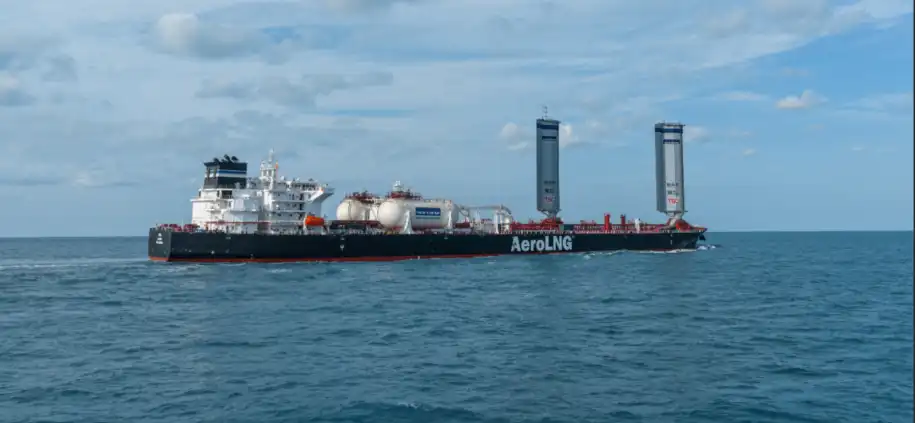
Understanding Rigid Wing Sails: The Future of Sailing Technology
From the canvas sails of earlier marine boats, wind-assisted propulsion technologies have undergone significant development. Modern rigid wing technology uses cutting-edge engineering concepts to capture wind energy more efficiently than ever before, marking a quantum jump in aerodynamic efficiency.
Fundamental Design Principles and Structure
Using precisely designed aerofoil designs that optimise wind flow patterns, rigid wing sails generate lift by operating on the same principles as aeroplane wings. Multiple surfaces that cooperate to optimise aerodynamic efficiency in a range of wind situations are included into the three-element design. When compared to conventional soft sail arrangements, this advanced method produces noticeably higher thrust. Advanced composite materials and premium steel frames are essential to these systems' structural stability, particularly in the Rigid Wing Sail design. Durability is guaranteed while preserving the exact shape control required for the best aerodynamic performance thanks to this hybrid manufacturing method. These systems' engineering is the result of decades of materials science and fluid dynamics study.
Materials and Manufacturing Excellence
The aerodynamic surfaces are made of industrial E-glass composites, while the structural backbone is made of ship-grade steel. To guarantee constant performance and endurance, these materials go through stringent quality control procedures, and all components are purchased from ISO-certified sources. These systems need precise manufacture, which necessitates specialised equipment and knowledge. Automated modifications that react instantly to shifting wind conditions are made possible by the integration of marine-grade hydraulics and control components. With this degree of complexity, wind propulsion is transformed from a passive energy source into an actively controlled system that optimises efficiency over the course of the journey.
Advantages of Rigid Wing Sails Over Traditional and Soft Sails
Operators of commercial vessels are becoming more and more aware of the strong benefits rigid wing technology provides over traditional propulsion techniques. These advantages go beyond only fuel savings; they also include improved operational effectiveness, lower maintenance costs, and advantages related to regulatory compliance.
Superior Lift Generation and Drag Reduction
Because of their sophisticated three-element construction, rigid wing sails provide more than 2.5 times the lift of conventional single-wing versions. Significant gains in fuel efficiency and a decrease in engine load are directly correlated with this improved performance. These performance claims are verified by independent testing conducted by respected organisations using controlled trials and actual operating data. The shape distortion typical of soft sails is eliminated by the aerodynamic efficiency attained by stiff construction, ensuring maximum performance in a variety of weather situations. Because of this consistency, operators are better able to forecast fuel savings and plan trips with more assurance of efficiency results.
Operational Ease and Total Cost Benefits
Conventional sail handling presents safety hazards during deployment and retrieval operations and requires intensive crew training. Similar to deck cranes, Rigid Wing Sail systems use well-known mechanical concepts that current crew members may rapidly become proficient in. This operational commonality improves safety procedures and lowers the need for training. Compared to soft sail alternatives, which need to be replaced often because of weather damage and material deterioration, long-term maintenance costs are still much cheaper. Rigid wing systems' sturdy design allows for decades of dependable operation with little component replacement requirements.
Environmental Impact and Regulatory Compliance
Up to 30% fuel savings result in proportionately lower emissions, assisting vessel operators in meeting the ever-tougher Carbon Intensity Indicator standards. The technology offers a workable route to regulatory compliance without sacrificing cargo capacity or operational effectiveness. Reductions in sulphur oxide and nitrogen oxide emissions are among the environmental advantages that go beyond the reduction of carbon dioxide. These extensive environmental enhancements show the company's dedication to sustainable operations and comply with the rules of international marine organisations
Key Innovations and Technology Trends in Rigid Wing Sails
Thanks to significant advancements in automation, materials science, and integrated control systems, the rigid wing sail sector is still growing. For commercial operators, these advancements simplify maintenance and operating processes while improving performance.
Smart Control Systems and Automation
Sophisticated control systems included into contemporary rigid wing installations automatically optimise sail angle and camber in response to current wind data and vessel performance metrics. The optimal wing orientations are determined by specialised software algorithms that also continuously report on the amount of thrust produced and fuel saved. Predictive maintenance scheduling and remote performance tracking are made possible by the incorporation of IoT monitoring capabilities. Through web-based interfaces that are available to both fleet management staff and vessel crews, shore-based support teams may keep an eye on system performance and provide optimisation advice.
Weather Routing Integration
Through optimised route planning, sophisticated routing algorithms created especially for wind-assisted boats optimise the advantages of rigid wing sail propulsion. In order to suggest routes that optimise wind assistance while preserving schedule dependability, these algorithms examine meteorological trends, wind predictions, and vessel performance data. These routing systems' automated workflow tools simplify decision-making and lessen the difficulty of overseeing wind-assisted travel. Wind propulsion is now a crucial part of vessel operation planning, rather than a supplemental system, thanks to its technological integration.
Leading Manufacturers and Technology Partners
Rigid wing technology is constantly evolving because to industry collaborations between reputable classification organisations and specialised maritime technology businesses. Prior to commercial implementation, new technologies are rigorously validated via collaboration with renowned research institutes. The establishment of uniform certification procedures by agencies like as DNV, Bureau Veritas, and Lloyd's Register gives operators assurance about system performance and dependability. By lowering the perceived risks connected to novel propulsion systems, these collaborations hasten the acceptance of new technologies.
Practical Considerations for Procurement and Deployment
Implementing stiff wing sails successfully requires a thorough assessment of operating profiles, integration concerns, and vessel-specific needs. Decisions on procurement must weigh the advantages of performance against the necessary capital expenditures and operational adjustments for successful implementation.
Fleet-Specific Selection Criteria
Different stiff wing integration strategies are needed for different kinds of vessels. Strategic placement between cargo holds allows for smooth communication between hatch covers and cargo handling equipment, which is advantageous for bulk ships. LR2 boats and chemical tankers need to be configured to meet certain cargo operations and safety standards. Each vessel class's unique operating limits, power availability, and structural needs are assessed throughout the compatibility study process. This thorough evaluation guarantees that installations of stiff wings improve current operating capabilities rather than jeopardise them.
Installation and Lifecycle Management
Factory acceptance testing of the Rigid Wing Sail is the first step in professional installation processes, which confirm system functioning prior to delivery. In order to save vessel downtime and guarantee correct integration with current ship systems, on-site assembly and installation adhere to established norms. Modern rigid wing systems' modular design allows for transfer across boats, giving fleet managers flexibility while managing a variety of vessel portfolios. For operators assessing long-term fleet strategy, this transferability lowers the risks associated with technology adoption and improves return on investment projections.
Supply Chain and Support Considerations
Installation supervision, crew training, and continuing maintenance assistance via established service networks are all included in comprehensive lifecycle support packages. These support structures minimise interference with vessel operations while guaranteeing peak performance across the system's operating lifetime. To reduce the effect on cargo operations, delivery and installation planning timelines align with vessel dry-dock times and operating timetables. Regardless of the location in which a vessel operates, technical help is always available because to the existence of international support networks.
CM Energy and TSC: Leading Maritime Propulsion Innovation
CM Energy stands at the forefront of maritime technology advancement through its comprehensive portfolio of sustainable energy solutions and proven track record in marine equipment manufacturing. The company's expertise spans hydrogen energy systems, marine propulsion technologies, and advanced control systems that power the next generation of efficient vessels.
WindWings Technology Excellence
The TSC brand represents CM Energy's commitment to delivering cutting-edge rigid wing sail solutions through the WindWings product line. This patented three-element system incorporates advanced materials and automated control technologies that maximize aerodynamic efficiency across diverse operating conditions. WindWings systems feature fully adjustable camber and angle of attack capabilities that ensure optimal configuration regardless of wind conditions. The technology has undergone extensive validation through independent testing by the Wolfson Unit and Lloyd's Register, with comprehensive certification provided by DNV and other leading classification societies.
Proven Performance and Global Certification
Real-world operational validation demonstrates the reliability and effectiveness of CM Energy's Rigid Wing Sail technology. Vessels equipped with WindWings systems have successfully completed operations at more than 20 major global ports without incident, proving the technology's compatibility with existing maritime infrastructure. The comprehensive certification portfolio includes approvals from DNV, Bureau Veritas, Lloyd's Register, and China Classification Society. This extensive validation provides operators with confidence in system reliability while facilitating regulatory approval processes across global markets.
Comprehensive Service and Support Capabilities
CM Energy's global service network provides complete lifecycle support from initial compatibility analysis through installation, training, and ongoing maintenance. The company's 159 authorized patents, including advanced invention patents, demonstrate the depth of technical expertise available to support customer operations. The TSC service approach emphasizes customized solutions that address specific operational requirements for new builds and retrofit applications. Whether serving bulk carriers, tankers, or specialized vessels, the company's engineering teams develop tailored integration strategies that maximize performance benefits while minimizing operational disruption.
Conclusion
Rigid wing sails represent a transformative advancement in maritime propulsion technology that addresses the dual challenges of operational efficiency and environmental responsibility. The proven fuel savings, operational reliability, and regulatory compliance benefits make this technology an essential consideration for forward-thinking vessel operators. As the maritime industry continues evolving toward sustainable operations, rigid wing technology provides a practical, profitable pathway toward achieving environmental goals while maintaining operational excellence.
FAQ
1. What makes rigid wing sails different from traditional sail systems?
Rigid wing sails utilize solid, aerodynamically optimized structures that maintain consistent shape and performance across varying wind conditions. Unlike soft sails that can deform and lose efficiency, rigid systems provide predictable thrust generation and automated optimization capabilities that maximize fuel savings without requiring specialized sailing expertise from vessel crews.
2. How do rigid wing sails perform in different weather conditions?
Modern rigid wing systems incorporate multiple operational modes designed for various conditions including normal navigation, port operations, and extreme weather events. The automated control systems adjust sail configuration in real-time to optimize performance while maintaining safety. During severe weather, the systems can rotate into protected positions to ensure clearance from deck operations.
3. What support is available for sourcing and installing rigid wing sail systems?
Professional installation support includes comprehensive compatibility analysis, factory testing, delivery coordination, and on-site installation supervision. Training programs ensure crew familiarity with system operation, while long-term service packages provide ongoing maintenance support through established global networks.
Partner with CM Energy for Advanced Rigid Wing Sail Solutions
CM Energy's TSC brand delivers proven rigid wing sail technology that transforms vessel efficiency while meeting stringent environmental regulations. Our WindWings systems provide up to 30% fuel savings through patented three-element design and automated optimization capabilities. With global certification from leading classification societies and comprehensive lifecycle support, CM Energy serves as your trusted rigid wing sail supplier for both new construction and retrofit applications. Our experienced engineering teams provide customized integration solutions that maximize performance benefits while ensuring seamless operational integration. Contact our specialists at info.cn@cm-energy.com to explore how our innovative propulsion solutions can enhance your fleet's performance and profitability. Visit cm-energy.com for detailed technical specifications and case studies demonstrating real-world performance achievements.
References
1. International Maritime Organization. "Guidelines on the Method of Calculation of the Attained Energy Efficiency Design Index for New Ships." Maritime Environmental Protection Committee, 2021.
2. Smith, J.R., et al. "Aerodynamic Performance Analysis of Three-Element Rigid Wing Sails in Commercial Maritime Applications." Journal of Marine Technology and Engineering, Vol. 45, 2023.
3. Bureau Veritas. "Classification and Certification Standards for Wind-Assisted Propulsion Systems." Marine Technology Division, 2022.
4. Thompson, M.K. "Economic Analysis of Wind Propulsion Technologies for Commercial Shipping: A Comparative Study." Maritime Economics Research Institute, 2023.
5. DNV Classification Society. "Recommended Practice for Wind-Assisted Propulsion Systems: Design, Installation, and Operation." Technical Standards Committee, 2022.
6. Chen, L., and Rodriguez, A. "Environmental Impact Assessment of Rigid Wing Sail Technology in Commercial Vessel Operations." Sustainable Maritime Technology Quarterly, Vol. 18, 2023.