The maritime industry stands at a crucial crossroads as environmental regulations tighten and sustainability becomes paramount. LNG Fuel Supply Systems have emerged as a transformative solution, offering maritime operators a practical pathway to significantly reduce emissions while maintaining operational efficiency. These sophisticated systems represent a bridge technology that enables vessels to transition from traditional heavy fuel oils to cleaner alternatives, positioning the shipping sector for a more sustainable future while meeting stringent international environmental standards.
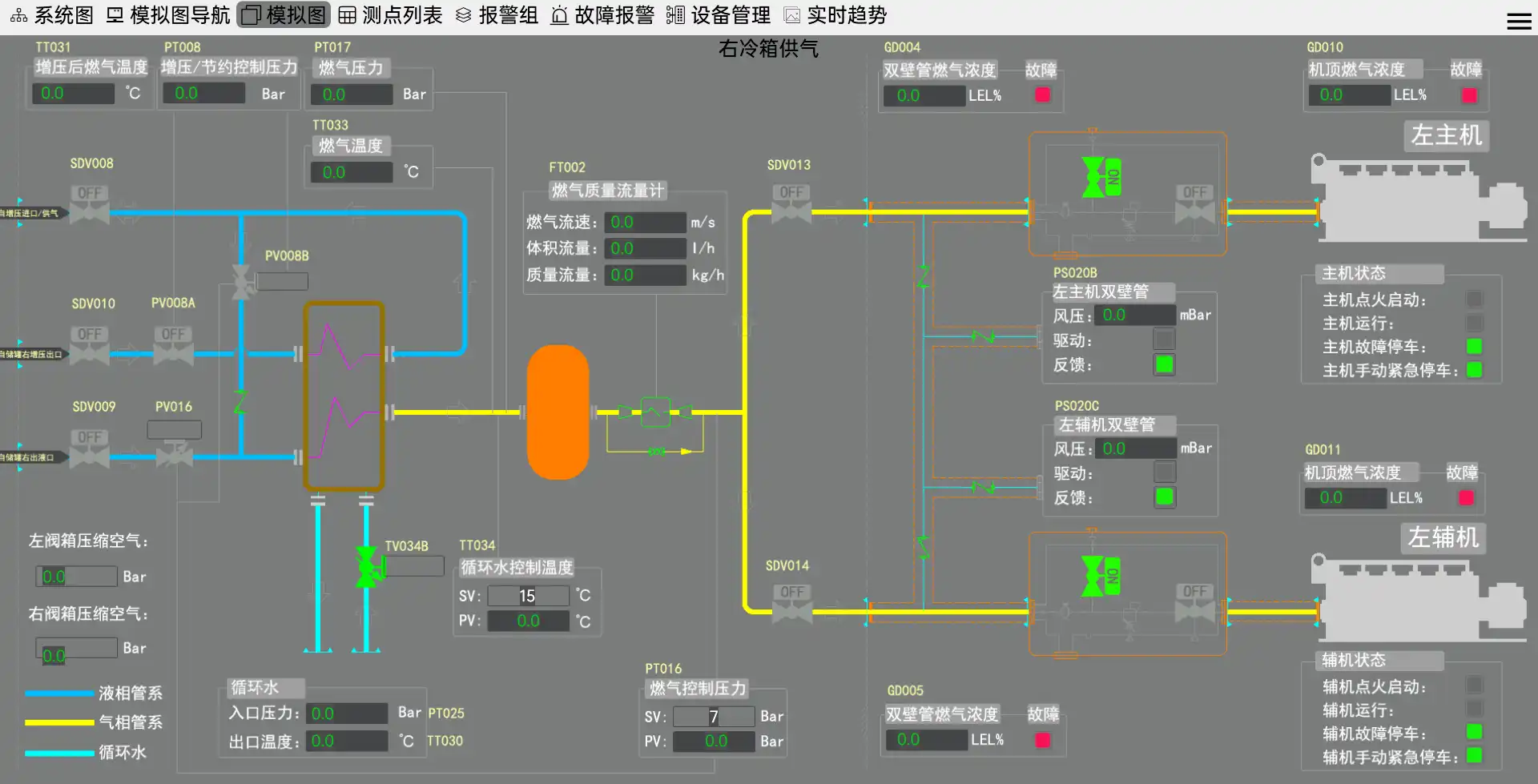
Understanding LNG Fuel Supply Systems in Maritime Applications
The establishment of advanced sea decarbonization rests upon modern fuel gas supply frameworks that empower vessels to tackle the control of condensed natural gas securely and productively. These built arrangements contain a few basic components working in agreement to provide clean-burning fuel to marine engines.
Core Components and Architecture
Modern fuel gas supply frameworks join cryogenic capacity tanks that keep up LNG at amazingly low temperatures, guaranteeing ideal fuel conservation amid expanded voyages. The fuel conditioning units serve as the heart of these frameworks, changing condensed normal gas from its put away state into a form suitable for motor combustion. Supply manifolds disseminate the conditioned fuel all through the vessel's drive systems with exactness and reliability.
TSC has created inventive approaches to framework engineering, joining gear channeling inside tank cooling frameworks to make space-saving arrangements that maximize vessel cargo capacity. This plan reasoning addresses the basic space limitations confronted by present day sea administrators while maintaining the highest security standards.
Safety Integration and Operational Protocols
Safety remains the foundation of successful LNG fuel frameworks, with different layers of security built into each establishment. Gas locators ceaselessly screen for potential spills, whereas weight alleviation valves anticipate perilous overpressure conditions. Robotized shutdown conventions give moment reaction capabilities, guaranteeing team security and framework astuteness beneath all working conditions.
The execution of these security highlights requires a profound understanding of sea situations and operational requests. Obtainment experts assessing these frameworks must consider how security conventions coordinate with existing vessel operations and team preparing requirements.
Decarbonization Impact and Technological Trends
The natural preferences of LNG-powered sea transport expand distant past basic emanation diminishments, speaking to a crucial move toward economical shipping hones that align with worldwide climate objectives.
Environmental Performance Benefits
Compared with conventional fuels, LNG delivers near-zero sulfur emissions, sharply reduced nitrogen oxides, and lower carbon output, enabling LNG Fuel Supply System users to meet tightening regulations and demonstrate clear environmental leadership.
Technological Advancement Trajectories
Advances in cryogenic storage, smart monitoring, and automated fuel management improve efficiency, reliability, and predictive maintenance, while integration with hybrid and dual-fuel propulsion supports flexible, future-ready decarbonization strategies.
Evaluating LNG Fuel Supply Systems: Comparisons and Procurement Insights
Maritime obtainment groups confront complex choices when assessing fuel framework choices, requiring comprehensive examination of execution characteristics, operational costs, and long-term key implications.
Comparative Analysis Framework
Energy effectiveness comparisons between LNG and conventional powers uncover critical preferences in both execution and natural affect. Add up to fetched of possession calculations must consider fuel cost instability, upkeep necessities, and administrative compliance costs over extended operational periods.
System support requests shift essentially between distinctive fuel innovations. LNG frameworks require specialized information and gear, but their upkeep intervals frequently surpass those of conventional fuel frameworks. Understanding these upkeep cycles makes a difference obtainment groups arrange operational budgets and group preparing requirements.
Supplier Selection Criteria
Selecting the right producer includes assessing numerous basic components that affect long-term success. Demonstrated customization capabilities guarantee frameworks coordinated consistently with existing vessel plans and operational requirements. Vigorous after-market benefit systems give fundamental back all through framework lifecycles, minimizing operational disturbances and keeping up crest performance.
Here are the essential criteria procurement teams should prioritize when evaluating suppliers:
- Technical expertise and industry experience: Evaluate suppliers' track records in designing and delivering fuel gas supply systems for similar vessel types and operational profiles
- Customization flexibility: Assess suppliers' abilities to adapt standard designs to meet specific vessel requirements and operational constraints
- Global service network: Verify availability of maintenance support and spare parts across operational regions
- Quality certifications: Confirm compliance with relevant maritime classification society standards and international safety regulations
- Financial stability: Review suppliers' financial health and long-term viability to ensure ongoing support throughout system lifecycles
These criteria provide a foundation for informed supplier evaluation while ensuring alignment with operational requirements and strategic objectives.
Installation and Integration Considerations
Successful framework usage requires cautious coordination between providers, shipyards, and vessel administrators. Establishment coordinations include complex planning considerations, especially for retrofit applications where operational downtime must be minimized. Financing options can decrease upfront venture necessities while spreading costs over operational periods.
CM Vitality gives comprehensive bolster all through establishment forms, guaranteeing consistent integration with existing vessel frameworks and minimizing operational disruptions.
Design Principles and Maintenance Best Practices
The longevity and reliability of LNG fuel systems depend heavily on sound design principles and rigorous maintenance protocols that address the unique challenges of maritime environments.
Safety-Centric Design Philosophy
LNG fuel systems follow strict classification standards, using leak-proof materials and flexible designs. An LNG Fuel Supply System must withstand saltwater exposure, temperature changes, and vibration while ensuring long-term safety and reliability.
Maintenance Protocol Implementation
Effective maintenance focuses on regular inspection of pressure components, cryogenic parts, and safety systems. Predictive maintenance and crew training improve system availability, control costs, and extend component service life.
Future Outlook and Strategic Recommendations for B2B Clients
The trajectory of LNG fuel technology points toward expanded adoption and continued technological advancement, driven by regulatory requirements and environmental consciousness across the maritime industry.
Regulatory Landscape Evolution
International Sea Organization emission targets proceed fixing, making compelling drivers for LNG selection over vessel portions. Territorial orders progressively limit high-sulfur fuel utilization in coastal waters, making clean fuel frameworks fundamental for operational flexibility.
Future controls likely will grow past outflow limits to incorporate lifecycle carbon evaluations and fuel maintainability criteria. Sea administrators contributing in progressed fuel frameworks nowadays position themselves favorably for these advancing requirements.
Technology Roadmap Considerations
Scalable and upgradeable frameworks give future-proofing capabilities that ensure armada ventures in the midst of fast technological progression. Bio-LNG and engineered fuel compatibility guarantees frameworks stay pertinent as renewable fuel sources become commercially viable.
Strategic acquisition approaches ought to adjust LNG framework procurement with broader corporate sustainability objectives, while leveraging provider organizations for continuous development and benefit back. This approach keeps up competitive focal points while contributing to worldwide natural objectives.
TSC's improvement guide incorporates progressed robotization highlights and upgraded integration capabilities that will encourage make strides framework's execution and operational convenience.
Investment Strategy Recommendations
Maritime administrators ought to consider LNG fuel frameworks as key speculations or maybe than straightforward hardware buys. These frameworks empower access to special harbor medications, protection rebates, and constitution rate premiums that recognize natural execution leadership.
Partnership with experienced providers like CM Vitality gives get to to progressing mechanical advancements and benefit advancements that maximize speculation returns all through framework lifecycles.
Conclusion
The future of maritime decarbonization increasingly relies on sophisticated LNG fuel supply systems that combine environmental performance with operational reliability. These technologies provide immediate emission reductions while establishing foundations for next-generation sustainable fuels. Maritime operators who embrace these systems today position themselves strategically for regulatory compliance, operational efficiency, and environmental leadership. The continued evolution of fuel gas supply technology, supported by experienced suppliers and comprehensive service networks, ensures that LNG systems will remain central to maritime sustainability strategies for years to come.
Frequently Asked Questions
1. What are the key safety standards for LNG fuel supply systems on marine vessels?
Maritime LNG frameworks must comply with Worldwide Sea Organization rules, classification society rules, and local state necessities. Key guidelines incorporate the IGF Code for gas-fueled ships, which sets up plan standards, security frameworks, and operational strategies. Frameworks must join different security obstructions counting gas discovery, crisis shutdown capabilities, and fire security measures.
2. How does LNG fuel cost compare to diesel and other alternative fuels over the long term?
LNG regularly offers fetched points of interest over marine diesel and overwhelming fuel oil when considering add up to operational costs. Whereas introductory framework speculations are higher, fuel taken a toll investment funds, diminished upkeep necessities, and administrative compliance benefits regularly result in favorable long-term financial matters. Fetched comparisons ought to incorporate carbon estimating patterns and potential administrative punishments for high-emission fuels.
3. Can LNG fuel supply systems be retrofitted on existing ships or are they only for new builds?
Retrofit establishments are actually attainable for numerous vessel sorts, in spite of the fact that complexity shifts based on accessible space, basic necessities, and operational limitations. Effective retrofits require cautious building investigation and regularly include operational adjustments. Modern construct establishments ordinarily offer more plan adaptability and lower establishment costs, but retrofits give pathways for existing armadas to accomplish emission reductions.
Partner with CM Energy for Advanced LNG Solutions
CM Energy stands as a trusted LNG Fuel Supply System supplier with proven expertise in marine fuel technology and comprehensive project support. Our TSC brand delivers innovative solutions that combine space-efficient design with operational reliability, backed by extensive experience in dual-fuel vessel systems and liquefied gas carriers. With over 25% global offshore drilling equipment coverage and 159 authorized patents, we bring technological leadership to every project. Contact our expert team at info.cn@cm-energy.com to discuss customized fuel gas supply systems that align with your decarbonization objectives and operational requirements.
References
1. International Maritime Organization. "Fourth IMO GHG Study: Full Report and Final Report Summary." Marine Environment Protection Committee, 2020.
2. Lloyd's Register. "LNG-fuelled Deep Sea Shipping: The Outlook for LNG Bunker and LNG-fuelled Newbuild Demand to 2025." Maritime Decarbonisation Hub, 2019.
3. DNV GL. "Maritime Forecast to 2050: Energy Transition Outlook." Det Norske Veritas Group, 2021.
4. Clarksons Research. "Alternative Fuels for Shipping: Technology, Policy and Market Developments." Shipping Intelligence Network, 2022.
5. American Bureau of Shipping. "Setting the Course to Low Carbon Shipping: Alternative Fuel Guidelines." ABS Advisory, 2021.
6. McKinsey & Company. "Decarbonizing Shipping: All Hands on Deck." McKinsey Sustainability, 2022.