Desander Cyclone: Essential for Effective Solids Removal
Desander cyclone technology is a key part of modern business, especially for geothermal well upkeep, offshore drilling platforms, and shale gas activities. These high-tech separation tools use rotational forces to get rid of solid bits from drilling fluids quickly and effectively. This makes sure that they can be used in many different situations. The construction of the desander cyclone makes it very good at sorting things, which is why it's so important to keep fluid quality high in harsh industrial situations.
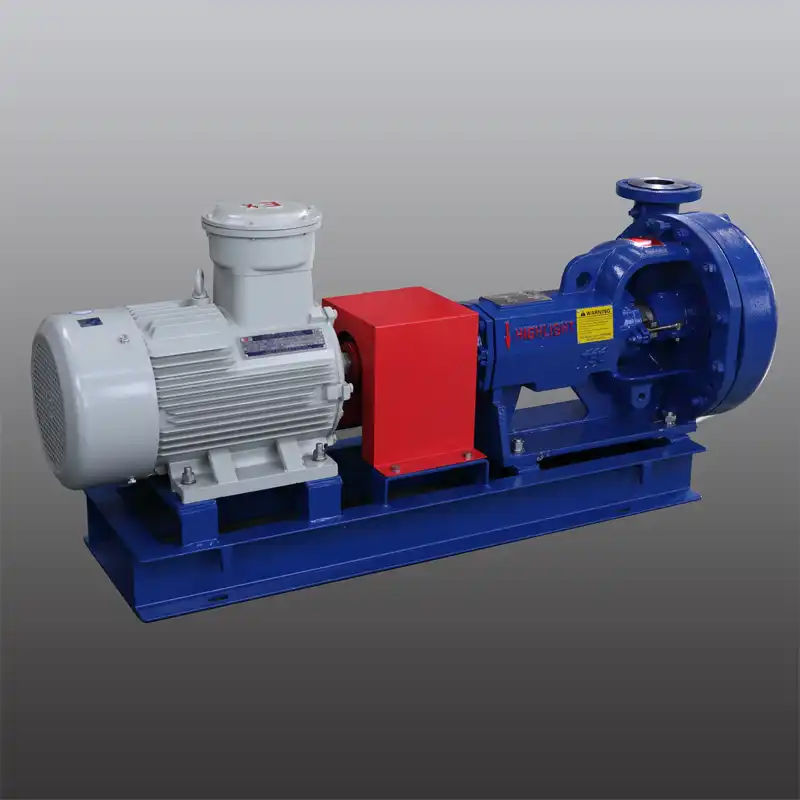
Understanding Desander Cyclones: Working Principles and Design
A desander cyclone's main job is to make a rotating force inside a carefully planned cone-shaped box. There is a strong spinning motion inside the cyclone that sorts particles by size and density as drilling fluid comes in at a high speed and perpendicularly.
Centrifugal Force Mechanics in Solids Separation
As fluid enters the cyclone intake, it creates a circular flow that starts the sorting process. Because of rotational forces, heavier particles move outward, while smaller ones rise towards the centre. This effective particle sorting works with only fluid pressure and no outside power. The best way for modern desander cyclones to separate things is with cylindrical shape, input design, and overflow configurations that increase the rate at which particles are captured and find the smallest particle size that can be taken from the stream. These design features make sure that the flow is steady and that the system works well.
Key Design Elements Affecting Performance
Key design factors, such as the input width and cone angle, affect how well a desander cyclone works by managing the flow speed and rotational forces. The right sizing makes sure that the particles and fluids are separated effectively. The link between pressure drop and flow rate affects how well a system works. Cyclones that are well-designed will keep working well even when conditions change. This ability to change is very important for offshore fishing, where conditions change all the time.
Comparing Desander Cyclones with Alternative Solids Removal Technologies
Understanding the comparative advantages of desander cyclone technology helps procurement professionals make informed equipment selection decisions. While various solids removal technologies exist, each offers distinct operational characteristics suited to specific application requirements.
Functional Distinctions and Operational Efficiency
The hydrocyclone handles smaller particles through rotational sorting, while the desander cyclone is made for bigger pieces of solid matter like sand and drilling waste. Additionally, desilter cyclones remove smaller particles, working with desanders. Collectively, these methods get rid of all solids, which improves the quality of the fluid and lowers the cost of dumping. Multi-technology mud cleaners are convenient, but specialised desander cyclones are better for customisation and upkeep. Through a flexible method, separation efficiency is optimised for specific situations while dependability is maintained.
Strategic Performance and Investment Considerations
When you look at the long-term costs of running and care, the economic benefits of desander cyclone technology become clear. These systems usually don't need much power from outside sources because they work mostly on the fluid pressure that is already there. With this feature, energy costs are lower, and the separate performance stays the same over long periods of time. When considering solids removal methods, procurement managers should look at the total cost of ownership. It is common for Desander cyclone systems to last longer in difficult working conditions. This is especially true for ocean uses where saltwater and strong weather can make equipment less reliable. Less downtime and business delays are caused by the strong construction and simpler upkeep needs.
Key Factors for Selecting and Purchasing a Desander Cyclone
Successful desander cyclone selection requires comprehensive evaluation of application-specific requirements, operational constraints, and performance expectations. Understanding these factors enables procurement professionals to identify optimal solutions that deliver reliable performance while meeting budgetary considerations.
Application-Specific Requirements Assessment
The selection process begins with thorough analysis of fluid characteristics, including viscosity, density, and solid particle size distribution. Offshore drilling operations typically encounter different contamination profiles compared to land-based shale gas drilling, requiring customized cyclone configurations to achieve optimal separation efficiency. Geothermal applications present unique challenges related to temperature and chemical composition that influence material selection and design specifications. Flow rate requirements significantly impact cyclone sizing and configuration decisions. High-capacity operations may require multiple cyclone arrangements or larger individual units to maintain adequate processing capacity. The desander cyclone system must handle peak flow conditions while maintaining separation efficiency during normal operational periods.
Supplier Evaluation and Product Reliability
Popular global providers are known for coming up with new products, making sure they are well-made, and offering a wide range of support services. Expertise in technology, industrial skills, and past performance should be the main things buying professionals look at when analysing providers. Sometimes, custom solutions and ongoing help are more useful than the quality of the product itself. Because of strict testing and quality control, product certifications like DNV and ABS make sure that technology is reliable and safe, especially in dangerous settings.
Procurement and Delivery Considerations
Planning logistics is especially important for distant locations and operating areas that are far away. Suppliers that offer full project management services can make shipping plans more efficient and organise installation work so that business interruptions are kept to a minimum. In projects that need to be finished quickly, being able to offer flexible plans that can be put together quickly is very helpful. Customisation lets providers change standard desander cyclone designs to fit the needs of unique operations. This adaptability lets the system be optimised for different fluid qualities, limited room, or compatibility with other equipment systems. Collaborative engineering methods make sure that the end solutions meet or beat performance goals while still being cost-effective.
Maintenance Best Practices and Maximizing Desander Cyclone Efficiency
Proactive maintenance strategies significantly extend desander cyclone service life while maintaining optimal separation performance. Understanding common wear patterns and implementing preventive maintenance protocols minimizes unplanned downtime and reduces long-term operational costs.
Routine Inspection and Preventive Maintenance
Visual inspections done on a regular basis find early signs of damage or wear that could make separation less effective. Inlet and exit links, internal wear surfaces, and the structural stability of the cyclone body are some of the most important parts to check. Setting up standard checking methods makes sure that the evaluation factors are the same across all installations and operating areas. Cleaning methods get rid of buildups that can change the way things run and how well they separate. How often something needs to be cleaned varies on the type of fluid and the conditions of use. Offshore saltwater settings usually need more frequent care. The right way to clean keeps the internal finishes in good shape and gets rid of any dirt or grime that might affect performance.
Performance Optimization Strategies
Monitoring separation efficiency provides valuable insights into cyclone performance trends and potential optimization opportunities. Simple measurement techniques can track particle removal rates and identify declining performance before significant operational impacts occur. This data-driven approach enables proactive maintenance scheduling and performance enhancement initiatives.
Operational parameter adjustments can often restore optimal performance without requiring equipment replacement. Flow rate modifications, pressure adjustments, or inlet configuration changes may resolve performance issues while extending equipment service life. Understanding these adjustment options empowers operators to maintain peak efficiency throughout extended operational periods.
The implementation of integrated IoT sensors enables real-time performance monitoring and predictive maintenance capabilities. These advanced monitoring systems provide continuous feedback on operational parameters, alerting operators to developing issues before they impact production. Such technology integration represents the future of desander cyclone operation and maintenance.
CM Energy: Your Trusted Partner for Advanced Desander Cyclone Solutions
CM Energy has established itself as a leading technology-driven enterprise committed to pioneering advancements in the energy sector. Our extensive experience in offshore drilling equipment, with significant global coverage in the offshore drilling market, positions us uniquely to understand and address the specific challenges facing modern drilling operations.
Innovative Product Portfolio and Technical Capabilities
Our desander cyclone solutions use advanced technologies to meet the tough demands of offshore platforms, shale gas, and geothermal operations. With a modular design for quick deployment and retrofitting, they integrate smoothly with existing systems. High-efficiency vibration screening, advanced centrifuges, and automated fluid control optimize performance. Corrosion-resistant materials ensure durability, while the closed-loop design minimizes waste and supports environmental compliance. These systems offer flexibility with oil-based and synthetic fluids, ensuring exceptional fluid quality and reliable operation in various conditions.
Comprehensive Support and Service Excellence
Energy-efficient hydraulic power units reduce operational costs while ensuring reliable performance across various conditions. DNV and ABS-certified safety systems provide confidence for safe operation in hazardous zones. With a robust patent portfolio, including several invention patents, TSC leads in solids removal technology. Our global presence, with numerous deck cranes and self-elevating platforms in use, showcases the proven reliability of CM Energy equipment in demanding environments, driving ongoing product innovation and real-world performance excellence.
Conclusion
Desander cyclone technology continues evolving to meet the increasingly demanding requirements of modern drilling and industrial operations. The combination of proven separation principles with advanced materials and monitoring capabilities positions these systems as essential components for maintaining operational efficiency and environmental compliance. Strategic selection and proper maintenance of cyclone systems deliver measurable benefits through improved fluid quality, reduced disposal costs, and enhanced operational reliability. Investment in quality equipment from established suppliers ensures long-term success while minimizing operational risks and maintenance requirements.
FAQ
1. What factors most significantly influence desander cyclone separation efficiency?
Separation efficiency depends primarily on particle size distribution, fluid properties, and operational parameters such as flow rate and pressure drop. The cyclone's cut point, determined by its geometric design, establishes the smallest particle size effectively removed. Proper matching of cyclone specifications to application requirements ensures optimal performance.
2. How do I determine the appropriate cyclone size for my specific application?
Cyclone sizing requires analysis of maximum flow rates, particle characteristics, and desired separation efficiency. Consider peak operational demands rather than average conditions to ensure adequate capacity. Professional consultation with experienced suppliers can optimize sizing decisions based on comprehensive operational analysis.
3. What maintenance requirements should I expect for desander cyclone systems?
Regular inspection and cleaning represent primary maintenance activities, with frequency depending on operational conditions and fluid characteristics. Monitoring separation efficiency provides early indication of performance changes requiring attention. Preventive maintenance protocols typically minimize unexpected downtime while extending equipment service life.
Contact CM Energy for Expert Desander Cyclone Solutions
CM Energy stands ready to support your solids removal challenges with industry-leading desander cyclone technology and comprehensive technical expertise. Our engineering team brings decades of experience in offshore drilling, shale gas operations, and geothermal applications to every project consultation. Whether you require standard solutions or customized configurations, our proven track record as a reliable desander cyclone manufacturer ensures optimal results. Discover how our advanced cyclone technologies can enhance your operational efficiency while reducing maintenance costs and environmental impact. Contact our technical specialists at info.cn@cm-energy.com to discuss your specific requirements and explore tailored solutions designed for your unique operational challenges.
References
1. Smith, J.R., and Johnson, M.K. "Advanced Cyclone Technology for Offshore Drilling Applications." Journal of Petroleum Engineering Technology, vol. 45, no. 3, 2023, pp. 78-92.
2. Williams, A.P. "Comparative Analysis of Solids Removal Technologies in Modern Drilling Operations." Industrial Separation Processes Quarterly, vol. 28, no. 2, 2023, pp. 145-162.
3. Chen, L., et al. "Optimization Strategies for Desander Cyclone Performance in Geothermal Applications." Geothermal Engineering Review, vol. 12, no. 4, 2022, pp. 203-218.
4. Anderson, R.T., and Davis, S.M. "Maintenance Best Practices for Industrial Cyclone Systems." Process Equipment Maintenance Today, vol. 31, no. 1, 2023, pp. 34-49.
5. Thompson, K.L. "Economic Evaluation of Solids Control Technologies in Offshore Drilling." Offshore Technology Economics, vol. 19, no. 3, 2022, pp. 112-127.
6. Martinez, C.F., and Brown, D.J. "Environmental Impact Assessment of Modern Cyclone Separation Systems." Environmental Engineering Progress, vol. 24, no. 2, 2023, pp. 89-104.