Strategic tank placement that reduces risk exposure while increasing operating efficiency is necessary for an effective Ammonia Fuel System. The choice of placement is very important for all types of ships, from very large ammonia carriers to offshore support vessels, because it affects everything from how well fuel is delivered to how easy it is to complete repairs. When the shipping industry switches to more environmentally friendly fuels, it's important for managers of chemical tankers, bulk carriers, and green hydrogen generation ships that use ammonia as both fuel and cargo to understand these placement issues.
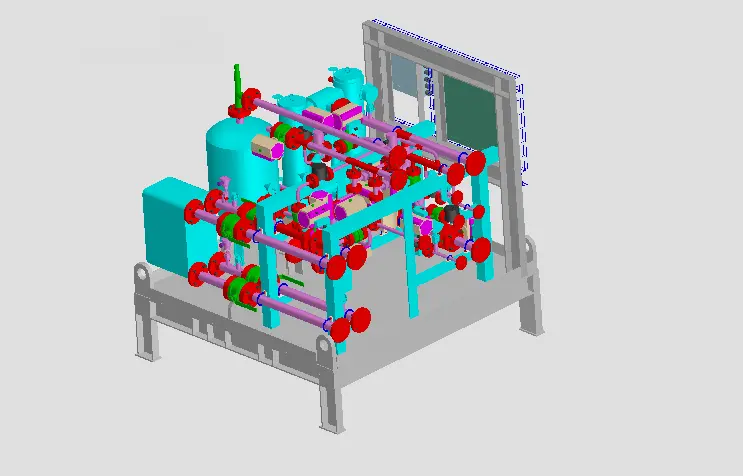
Understanding Ammonia Fuel System Basics Related to Tank Placement
To put ammonia tanks in the right area, you need to know how ammonia behaves as a maritime fuel. Ammonia is different from regular diesel or heavy fuel oil in that it has certain problems that immediately affect judgments on where to put tanks. When designing a fuel storage system, you need to be very attentive with ammonia's chemical qualities, such as how dangerous and volatile it is.
Ammonia Storage Pressure and Temperature Requirements
When storing ammonia, the pressure and temperature are different from when storing other types of naval fuels. These factors have a big effect on where tanks go inside vessel designs. The storage pressure affects how the pipes need to be routed, and the temperature affects how much shielding is needed and how to figure out thermal expansion. Placing tanks correctly helps keep storage conditions at their best while also cutting down on the energy used by temperature control systems.
System Integration and Fuel Distribution Networks
When ammonia tanks are connected to larger fuel supply systems, they need to be placed in a way that makes distribution as efficient as possible. Where the tank is located changes the lengths of pipe runs, how to figure out pressure drops, and how well the system works overall. Shorter distribution lines cut down on pressure losses and possible leak points, which makes tank placement an important part of system dependability. To make sure everything works smoothly, the link between storage tanks and fuel cooling units needs to be carefully thought out.
Safety Zone Requirements and Hazard Mitigation
Due to the poisonous nature of ammonia, safety zones must be set up around storage tanks. Placement choices are affected by these zones, especially when it comes to how close they are to crew quarters, machinery rooms, and important ship operations areas. When placing tanks, they need to be placed so that they don't leak and there are enough airflow paths to reduce the risk of damage.
Key Technical Considerations for Ammonia Tank Placement
Technical factors are the most important ones when figuring out where to put an ammonia tank in a naval or commercial setting. These things to think about include structural, mechanical, and operating factors that have a direct effect on how well the system works and how long it lasts.
Structural Integrity and Weight Distribution
Placement of ammonia holding tanks has a big impact on the safety and load-bearing capacity of a vessel. As the vessel is loaded and unloaded, engineers need to figure out how the weight spread in the tanks affects the ship's general balance. According to the standards of the classification society, the structure system must be able to support tank loads. In bigger ships like VLCCs and bulk carriers, where the placing of tanks can affect cargo volume and ship performance, weight spread becomes even more important.
Thermal Management and Insulation Strategies
A very important part of placing an ammonia tank is making sure that the temperature is managed well. The way the tank is positioned and oriented in relation to heat sources affects the quality of the fuel and how well it stores. The right form and placement of insulation helps stop heat movement that isn't needed, which could cause pressure to build up or fuel to break down. Moving tanks away from engine rooms and other hot spots cuts down on the need for cooling systems and improves total efficiency.
Maintenance Accessibility and Operational Efficiency
The location of the tank must make it easy to do regular upkeep and safety checks. Positioning that is easy to get to lowers repair costs and cuts down on the time the ship has to be shut down for inspections. The plan should give repair workers and their tools enough room to move around while still making sure everyone is safe. This is especially important for offshore support boats and upstream river vessels that may not have a lot of time for repair.
Regulatory and Compliance Requirements Impacting Tank Placement
Regulatory frameworks establish fundamental requirements that shape ammonia tank placement decisions across different jurisdictions and vessel types. Compliance with these regulations ensures operational legality and safety standards.
International Maritime Organization Standards
IMO regulations provide the foundation for ammonia fuel system design and tank placement requirements. These standards address safety distances, ventilation requirements, and emergency response capabilities. Tank placement must comply with established safety zones and ensure compatibility with existing vessel certification requirements. The regulatory framework continues evolving as ammonia fuel adoption increases across the maritime industry.
National and Regional Compliance Requirements
Different regions may impose additional requirements beyond IMO standards, affecting tank placement decisions for vessels operating in specific trade routes. United States Coast Guard regulations and European Union directives may establish supplementary requirements that influence design choices. Understanding regional variations helps ensure compliance across different operating areas.
Classification Society Requirements
Classification societies provide detailed technical standards that affect tank placement and system design. These requirements address structural integration, safety systems, and operational procedures. Compliance with classification society rules ensures vessel certification and insurability while maintaining operational flexibility.
Future Trends and Innovations Influencing Ammonia Tank Placement
Emerging technologies and industry developments continue reshaping ammonia fuel system design and tank placement strategies. These innovations offer opportunities for improved safety, efficiency, and operational flexibility.
Advanced Monitoring and Control Systems
Real-time monitoring technologies enable more flexible tank placement options by providing enhanced leak detection and system diagnostics capabilities. Advanced sensor networks can monitor tank conditions and surrounding environments, allowing for placement options that might not have been feasible with traditional monitoring approaches. These systems enhance safety while providing operational data that improves system performance.
Modular Design Approaches
Modular tank construction techniques offer increased flexibility in tank placement and system configuration. These approaches enable customized solutions for different vessel types while reducing installation complexity and costs. Modular designs particularly benefit retrofit applications where existing vessel layouts may constrain placement options.
Integration with Renewable Energy Systems
The growing integration of ammonia fuel systems with renewable energy generation creates new considerations for tank placement. Green hydrogen production ships and ammonia-fueled FPSOs require tank positioning that accommodates both fuel storage and production equipment. These hybrid applications drive innovation in tank placement strategies and system integration approaches.
Company Introduction: CM Energy's Ammonia Fuel System Solutions
CM Energy stands as a technology-driven enterprise committed to pioneering advancements in sustainable marine energy solutions. Through our TSC brand, we have developed comprehensive ammonia fuel supply systems based on extensive experience in ammonia transport vessel construction and LPG fuel system retrofit projects. Our involvement in zero-carbon laboratory ammonia supply systems demonstrates our commitment to innovative fuel technology development. Our expertise encompasses the complete spectrum of marine energy solutions, from hydrogen energy equipment to electric drive and control technologies.
TSC's independently developed ammonia fuel supply system consists of comprehensive components including filling and storage systems, AFSS, fuel vapor units, vent systems, and advanced safety systems. Our solutions ensure safe and efficient ammonia handling while meeting stringent IMO regulations and industry standards. The system design accommodates various engine configurations and provides precise control over ammonia flow with advanced safety features such as leak detection and emergency shutdown capabilities.
Conclusion
Strategic ammonia tank placement represents a critical factor in successful Ammonia Fuel System implementation across marine and industrial applications. The considerations discussed throughout this guide highlight the complex interplay between safety requirements, technical constraints, and operational efficiency. Understanding these factors enables procurement managers and engineering professionals to make informed decisions that ensure compliance, optimize performance, and support long-term operational success. As the maritime industry continues transitioning toward sustainable fuel alternatives, proper tank placement becomes increasingly important for vessels ranging from ammonia carriers to green hydrogen production ships.
Frequently Asked Questions
Q1: What safety distances are required between ammonia tanks and crew quarters?
A: Safety distances vary based on tank size and vessel type, but generally require minimum separations to prevent exposure risks. Proper ventilation systems and leak detection equipment help establish appropriate safety zones around storage areas.
Q2: Can existing fuel storage areas be converted for ammonia tank placement?
A: Retrofit feasibility depends on existing structural capacity, ventilation systems, and safety equipment. Many conversions are possible with proper modifications to accommodate ammonia's unique storage requirements and safety protocols.
Q3: How does tank placement affect ammonia fuel system efficiency?
A: Optimal tank placement minimizes pipe run lengths, reduces pressure losses, and improves thermal management. Strategic positioning enhances fuel delivery efficiency while reducing energy consumption for system operation.
Partner with CM Energy for Advanced Ammonia Fuel Solutions
CM Energy invites industry professionals to explore our comprehensive ammonia fuel system solutions designed for diverse marine applications. As a leading Ammonia Fuel System supplier, we provide end-to-end services from design consultation to installation support. Our proven track record includes successful delivery of clean fuel supply systems across various vessel types, ensuring reliability and regulatory compliance.
Our technical expertise and innovative TSC brand solutions address the complex challenges of ammonia tank placement and system integration. Whether you're planning new vessel construction or considering retrofit applications, our team provides customized approaches that meet specific operational requirements. Contact us at info.cn@cm-energy.com to discuss your ammonia fuel system needs and discover how our advanced solutions can support your sustainable energy transition.
References
1. International Maritime Organization. "Guidelines for the Use of Ammonia as a Ship Fuel." Maritime Safety Committee, 2023.
2. Lloyd's Register. "Ammonia as Marine Fuel: Safety and Engineering Considerations." Technical Report on Alternative Marine Fuels, 2023.
3. American Bureau of Shipping. "Guide for Ammonia Fuel Ready Vessels." ABS Technical Standards, 2023.
4. DNV. "Alternative Fuels Insight: Ammonia Tank Design and Placement Requirements." Maritime Advisory Services, 2023.
5. Society of Naval Architects and Marine Engineers. "Best Practices for Alternative Fuel Storage Systems in Marine Applications." SNAME Technical Publication, 2023.
6. Bureau Veritas. "Ammonia-Fueled Ship Design: Technical Requirements and Safety Standards." Marine Certification Guidelines, 2023.